
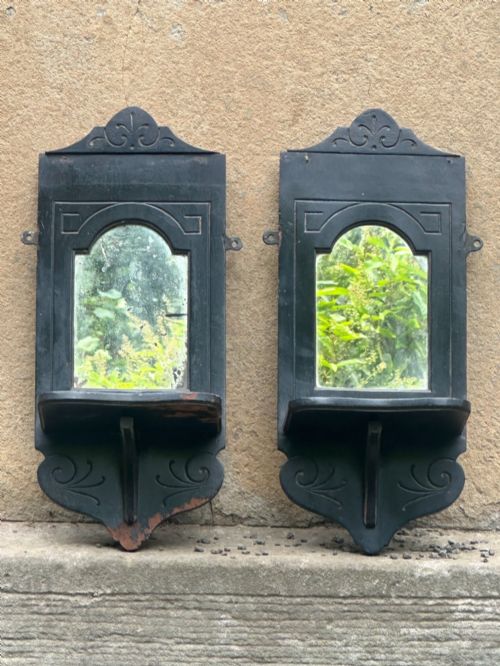


Antique Black Wall Shelf
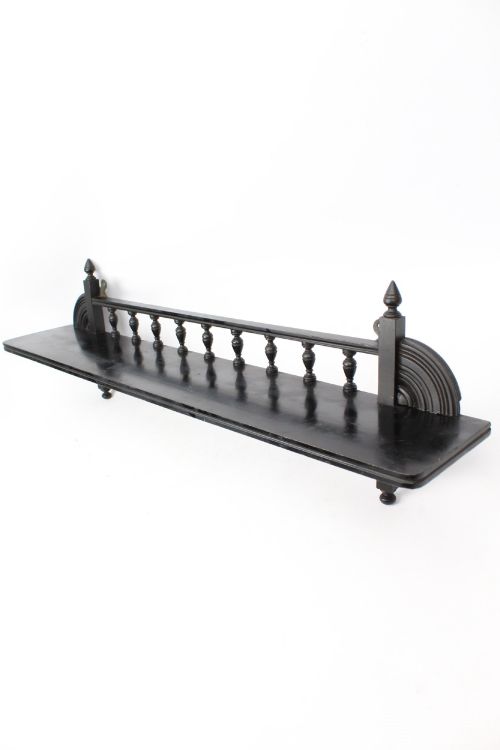
An antique black wall shelf brings dark, striking surfaces and practical display to a room, drawing the eye instantly to your favourite objects.
Antique Black Wall Shelf
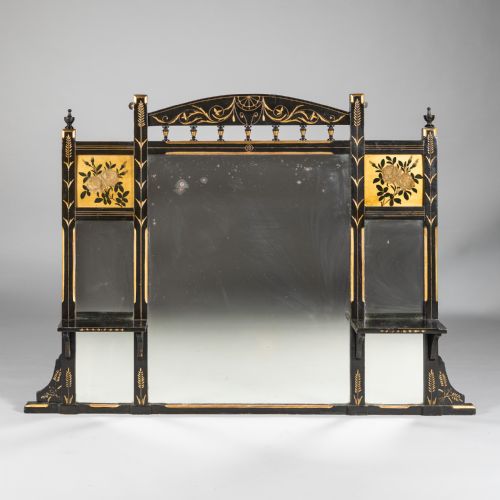
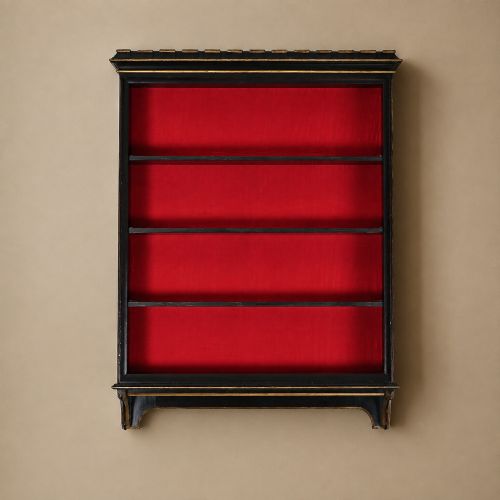
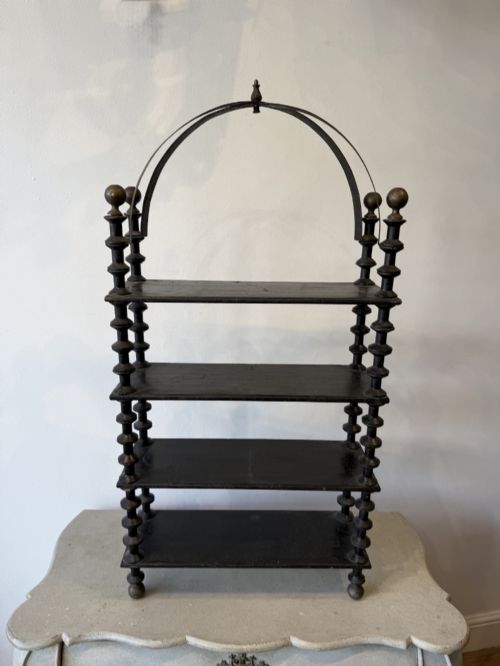
When you search for an antique black wall shelf, you encounter dark-toned brackets, ledges, and small bookcases spanning the late nineteenth and early twentieth centuries. The selection encompasses Victorian Aesthetic Movement ebonised pieces, Gothic Revival designs, and French bobbin-turned shelves.
Most examples rely on ebonised wood or timber finished with black paint or lacquer to achieve their sombre, dramatic hue. These items function primarily to hold small ornaments, books, or mirrors while adding architectural interest to plain walls.
How they were made
Makers utilised ebonised wood and timber, frequently applying parcel-gilt highlights in gold leaf to accentuate carved details and mouldings. Wrought iron and cast iron appear in industrial or structural brackets, sometimes incorporating brass fittings or mirror glass.
Carving and turning define the construction, seen in Swiss Black Forest linden wood antlers, French bobbin moulding, and Florentine scrollwork. Surface treatments range from simple black paint and lacquer to detailed parcel-gilding.
The listings show materials ranging from ebonised timber and linden wood to wrought iron, brass, and glass.
What varies in quality
Quality rests in the crispness of the timber carving, the depth of the ebonisation, and the integration of secondary materials like ormolu or parcel-gilt. Pieces attributed to notable designers or workshops display finer joinery and more ambitious ornamental programmes than standard commercial output.
The preservation of original surface finishes, whether black lacquer, paint, or gilding, determines the integrity of the piece. Superior examples maintain balanced proportions and harmonious decorative details that elevate them above simple utility.
George Edmund Street·Cottier and Co·Henri Dasson
The Antique Black Wall Shelf Glossary
- Ebonised wood
- Timber treated with stain, dye, or paint to imitate the dark, dense appearance of ebony. This finish gained immense popularity during the Victorian era for furniture and decorative wall fittings.
- Parcel-gilt
- A method of decoration where only specific portions of an object receive a covering of gold leaf. It creates a striking contrast against an ebonised or black-painted wooden ground.
- Aesthetic Movement
- A late nineteenth-century design style that prioritised visual beauty over narrative or moral content. Pieces from this movement often feature ebonised surfaces and stylised motifs.
- Girandole
- An ornamental wall bracket or mirror equipped with candle sconces. The reflective glass and metal branches amplify candlelight within a room.
Antique Black Wall Shelf: Frequently Asked Questions
Where should I hang a black wall shelf?
These shelves suit spaces needing vertical display without floor clutter, such as hallways, above mantelpieces, or beside reading chairs. They provide a strong focal point against neutral or patterned wallpaper.
Ensure the wall construction supports the weight of denser timber or iron brackets, particularly when placing heavier objects on the ledge.
How do I care for ebonised wood?
Dust the surface regularly with a soft, dry cloth to prevent dirt accumulation. Avoid harsh chemical cleaners that can strip the dark finish or damage underlying parcel-gilt details.
Keep the timber away from direct heat sources and strong sunlight to prevent the black paint or lacquer from fading or drying out over time.
What periods do these shelves come from?
The selection spans the nineteenth and early twentieth centuries, encompassing Victorian, Edwardian, and Art Deco eras. Styles range from Gothic Revival and Aesthetic Movement to Black Forest and French industrial.
Each period brings distinct manufacturing techniques, from hand-carved linden wood to turned bobbin frames and cast iron brackets.
Are these shelves purely decorative?
While many pieces serve an aesthetic function, they were built to hold items such as books, small mirrors, hats, and decorative ceramics. Combination pieces often include hooks for coats or integrated mirrors for practical use in entryways.
Consider the depth and strength of the specific ledge or bracket before placing heavier decorative objects upon it.