
Antique Black Timepiece
An antique black timepiece brings disciplined design to a room, offering dark polished surfaces and precise mechanical movement for the collector.
Antique Black Timepiece
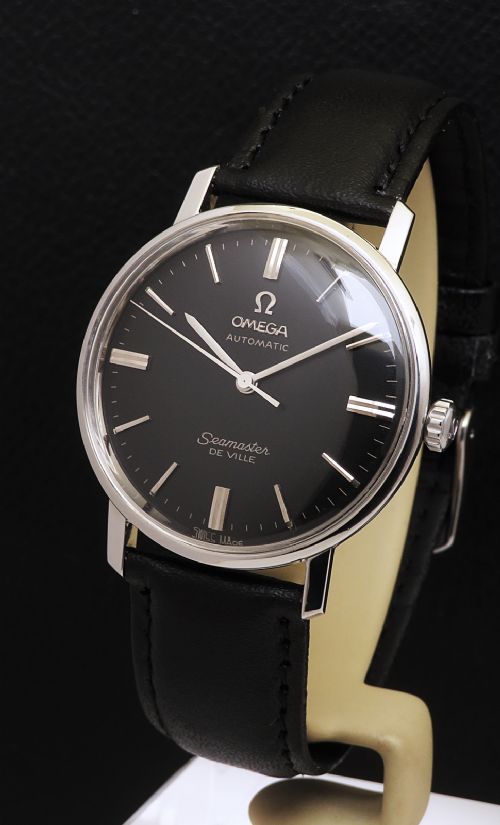
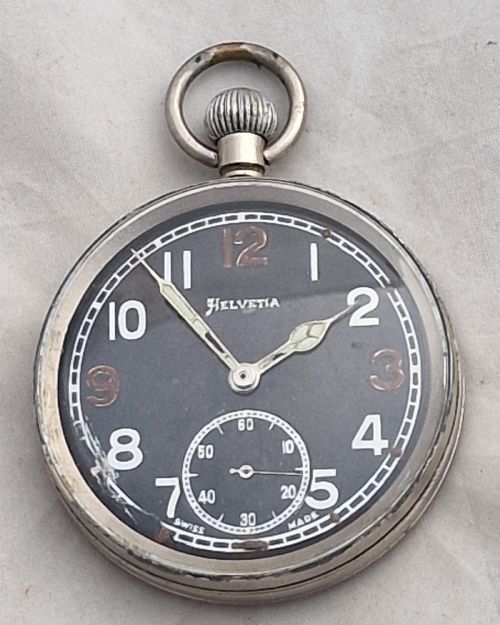
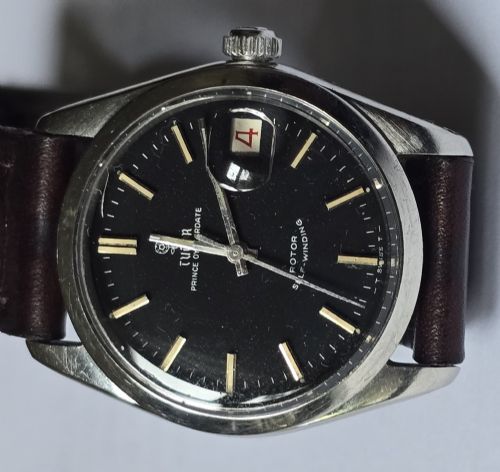
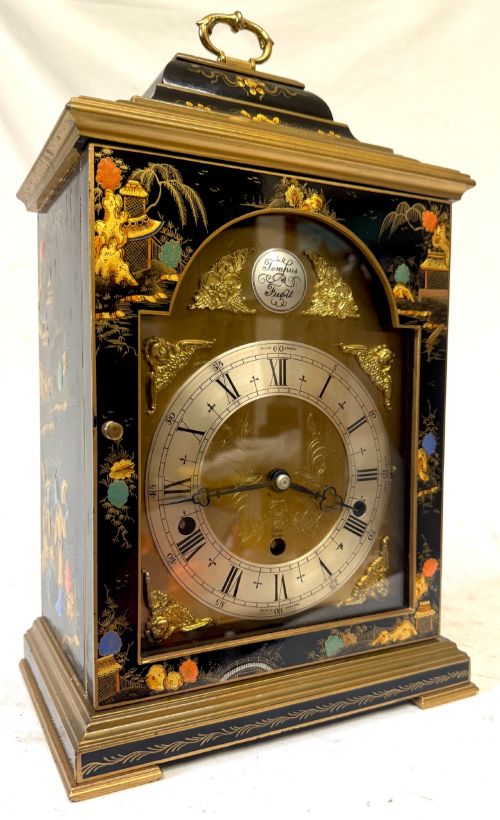
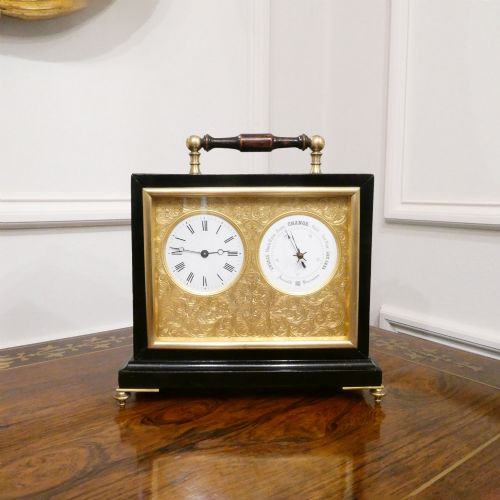
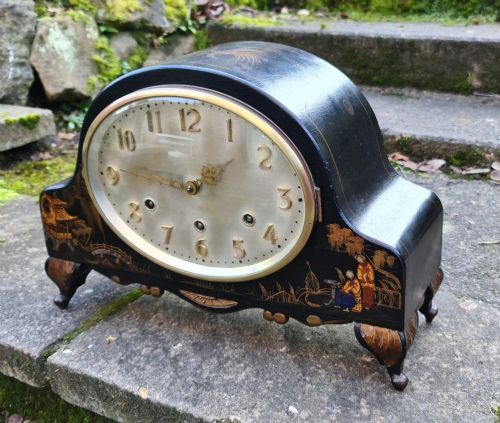
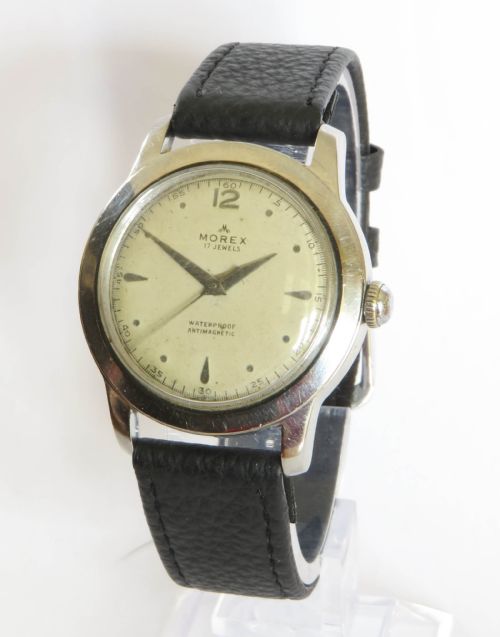
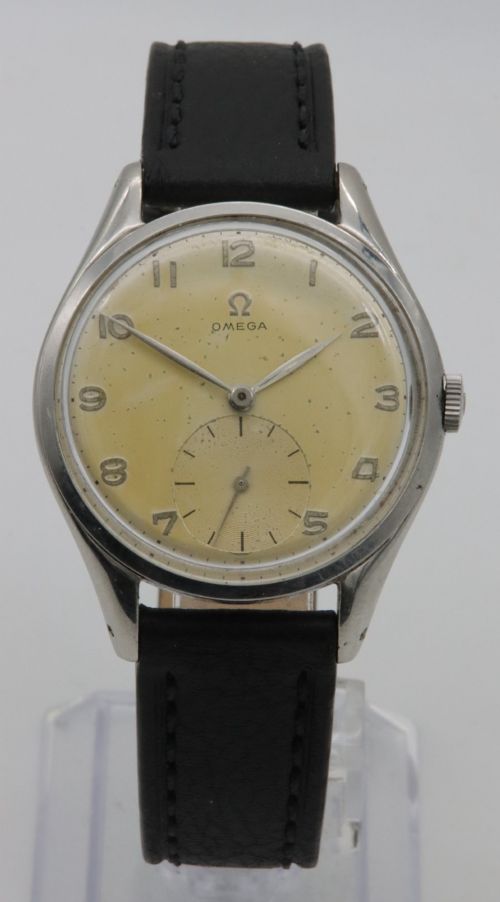
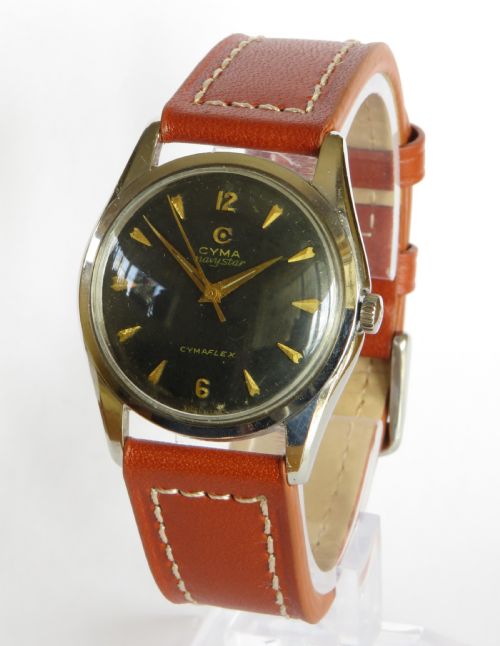
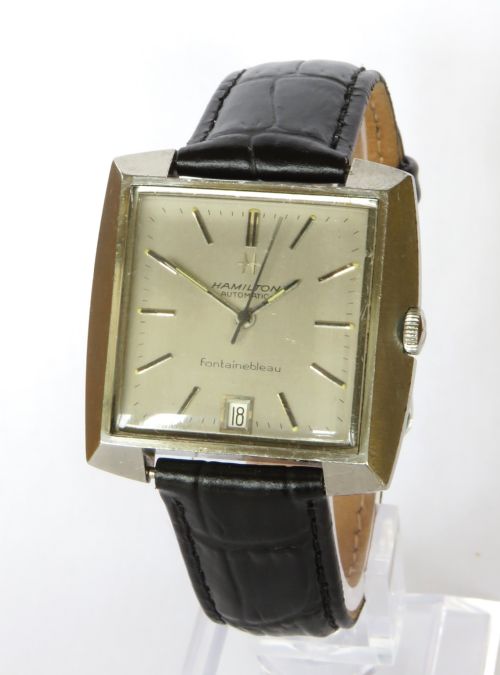
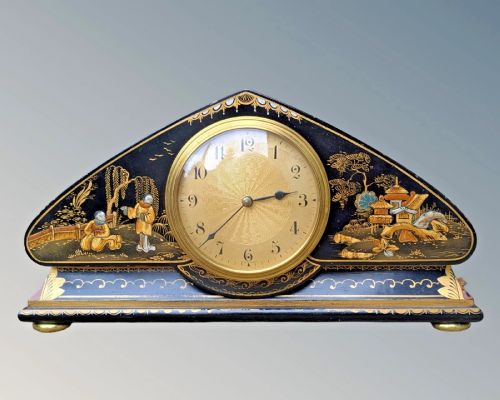
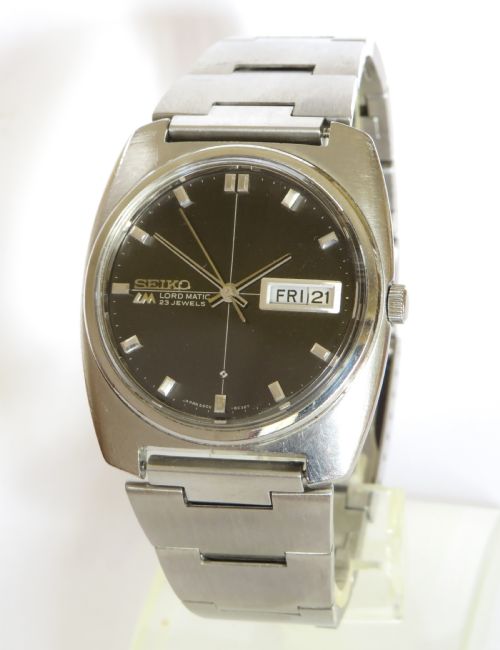
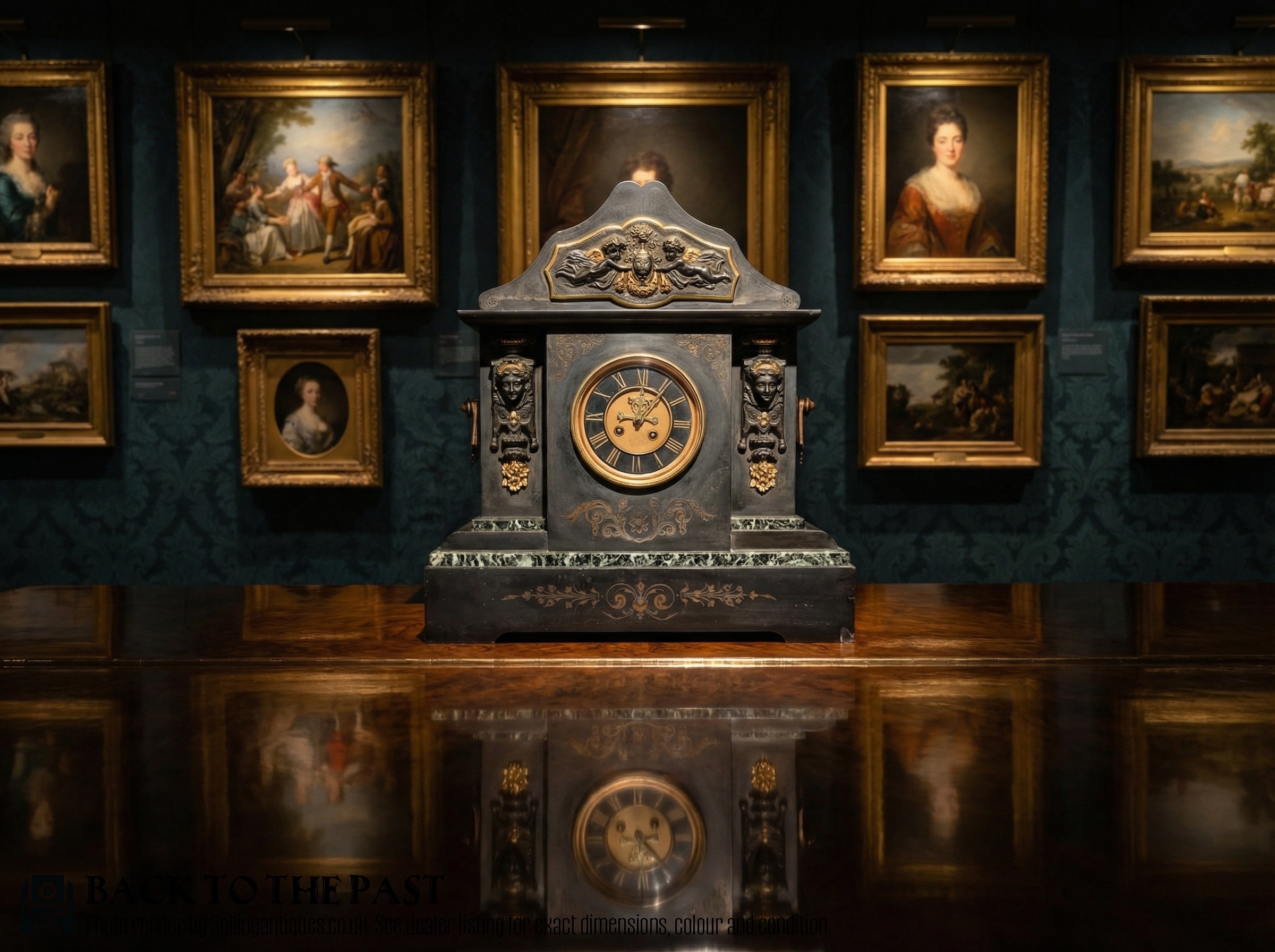
When you search for an antique black timepiece, you encounter a diverse group of objects spanning domestic mantel clocks, pocket watches, and wristwatches. These pieces range from robust Victorian slate designs to refined Art Deco desk clocks and military wristwatches.
The selection on this page relies heavily on nineteenth-century and mid-twentieth-century examples. You will frequently find ebonised wood, dark marble, and black enamel dials defining the visual character of these instruments.
Originating from English, French, and Swiss workshops, these items serve both utilitarian and decorative purposes. They demonstrate how dark finishes were utilised across different eras to emphasise classical proportions and metal dial details.
Materials and Technique
Makers shaped heavy natural materials like slate, marble, and wood, frequently applying ebonising techniques to achieve deep black surfaces. These dense housings provided stable foundations for intricate mechanical movements.
Metal components in brass, bronze, and gilt complemented the dark bodies, while glass protected enamelled and lacquered dials. Skilled artisans combined precision gear-cutting with decorative casing to produce lasting timekeepers.
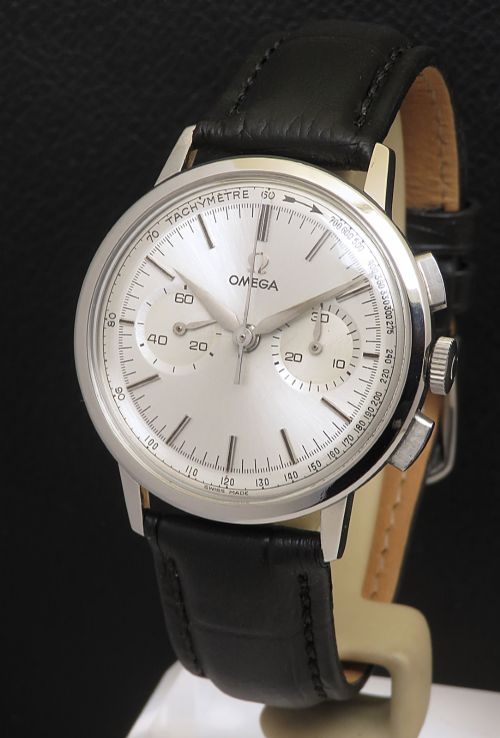
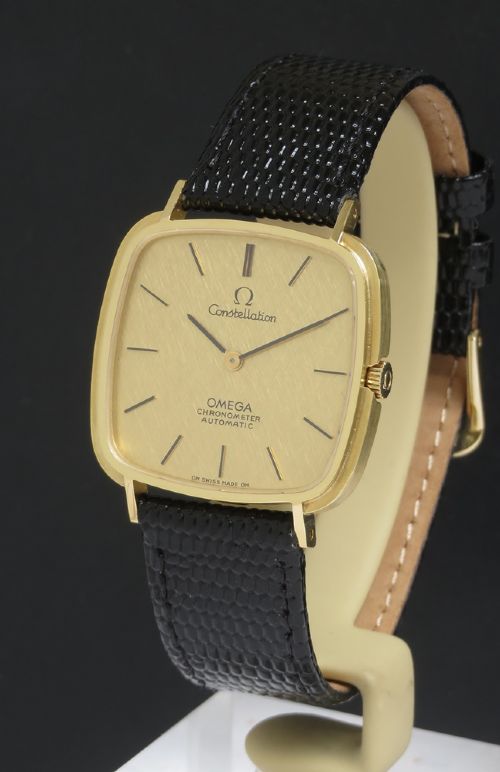
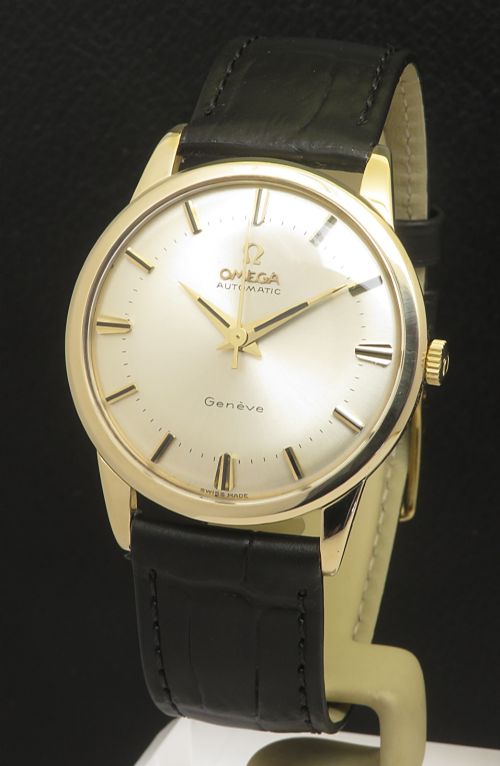
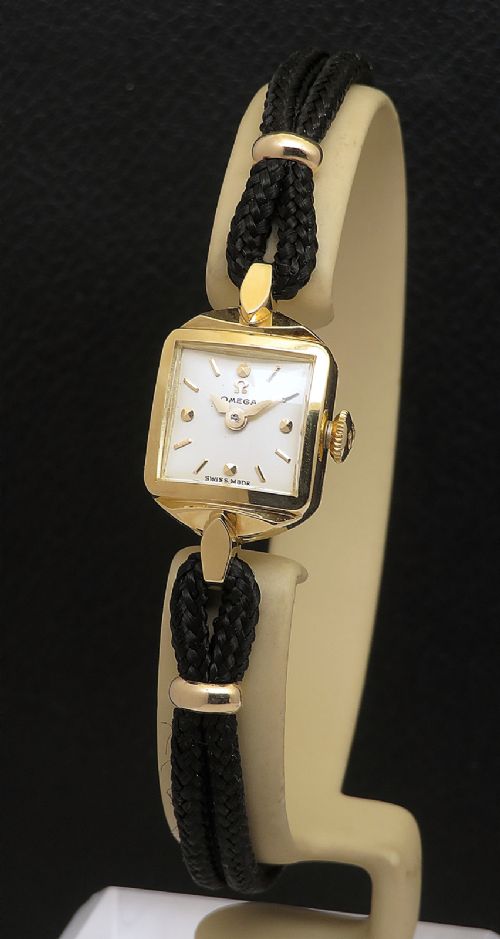
Listings feature items from the Regency period through to the mid-twentieth century, constructed in brass, stainless steel, and ebonised wood.
Distinctions in Quality
Quality rests in the execution of the movement and the integrity of the housing. Superior examples feature signed movements, complex complications such as chronographs or calendars, and substantial stone or ebonised timber cases without heavy restoration.
The finesse of the dial work and the originality of the hands and markings elevate certain pieces above standard production models. Precision in assembly and the reputation of the maker distinguish the finest items in this category.
Baetens London·John Bull of Bedford·Phillips Brothers·P.M. Favre
The Antique Black Timepiece Glossary
- Ebonised
- Wood treated to resemble expensive ebony through staining and polishing. This finish provides a uniform dark surface popular in nineteenth-century clock cases.
- Enamel
- A glassy substance fused to metal dials through high-heat firing. It creates a smooth, durable face that resists fading over decades of use.
- Fusee
- A conical pulley mechanism used in older clocks and watches to maintain even tension as the mainspring unwinds. This device significantly improves timekeeping accuracy.
- Mantel clock
- A portable clock designed to sit on the shelf above a fireplace. These domestic pieces often feature decorative stone or wood housings.
- Chronograph
- A watch or clock with a function for measuring small increments of time independently of its primary timekeeping display. It typically includes start, stop, and reset controls.
Antique Black Timepiece: Frequently Asked Questions
How do I wind a mantel clock?
Winding requires inserting a dedicated key into the designated winding holes on the dial face. You turn the key gently until you feel firm resistance, avoiding over-winding.
Most traditional mechanical clocks require this action every week or eight days to maintain continuous operation.
What defines an Art Deco desk clock?
Art Deco desk clocks feature geometric lines, stylised numerals, and industrial materials like chrome and bakelite. These pieces reflect the modern design movements of the interwar period.
Compact forms and contrasting dark tones characterise their transition from purely functional objects to modern desk ornaments.
Are military watches collectible?
Military watches hold strong collector interest due to their robust construction and historical association with service personnel. Standardised black dials and clear numerical markings ensured high legibility under harsh conditions.
Original military issue marks on the case back verify their authenticity and provenance.