
Antique Bird Wall Art
Antique bird wall art brings centuries of avian representation into interior spaces through hand-coloured prints, textiles, oils and carved panels.
Antique Bird Wall Art
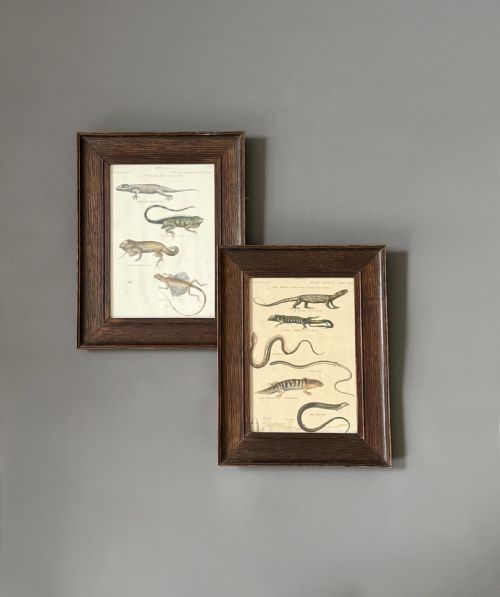
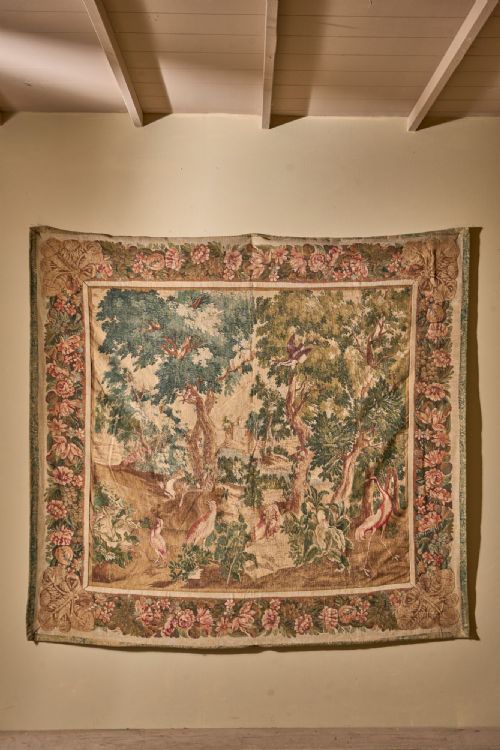
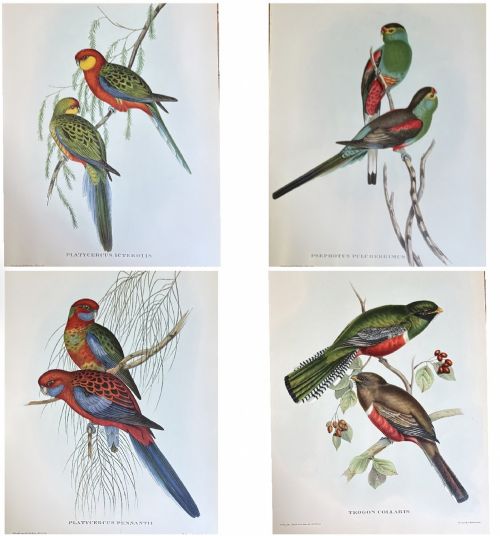
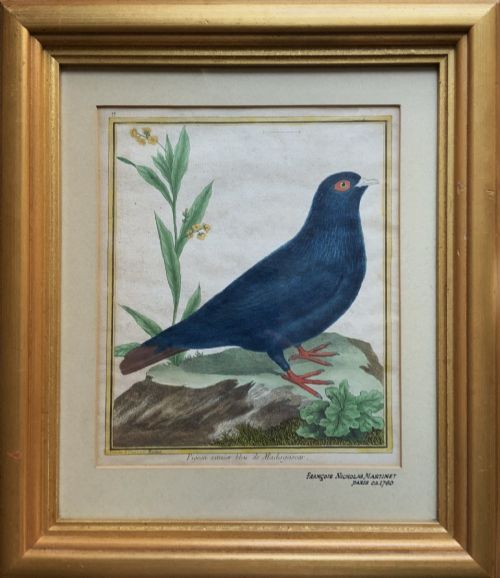
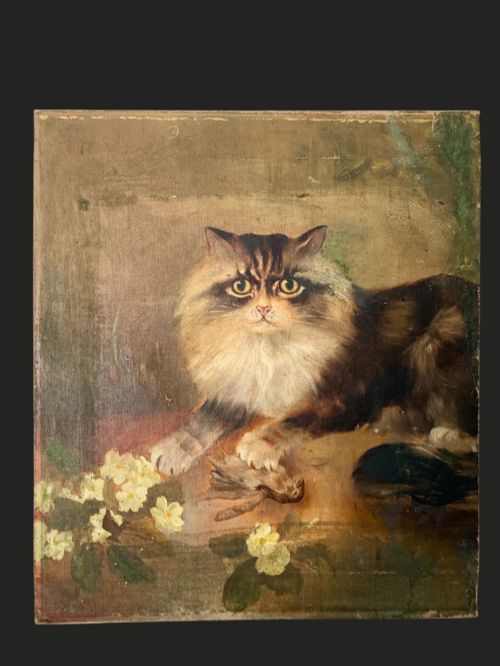
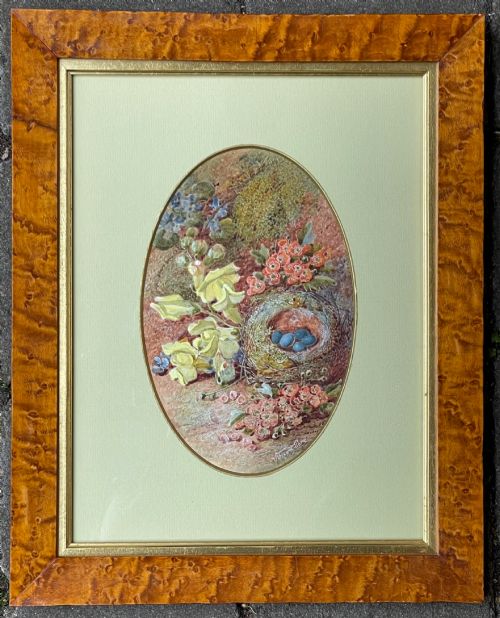
Antique bird wall art encompasses a diverse range of decorative objects designed for display, from framed prints and watercolours to embroidered silk panels and carved wooden plaques. These pieces draw upon several periods and traditions, including Victorian natural history studies, Georgian engravings, and Chinese export works.
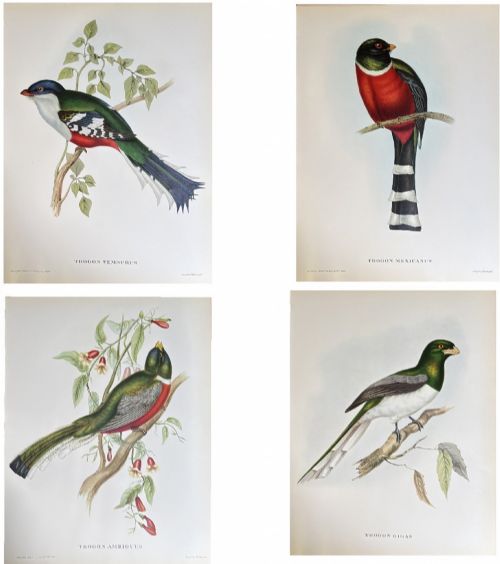
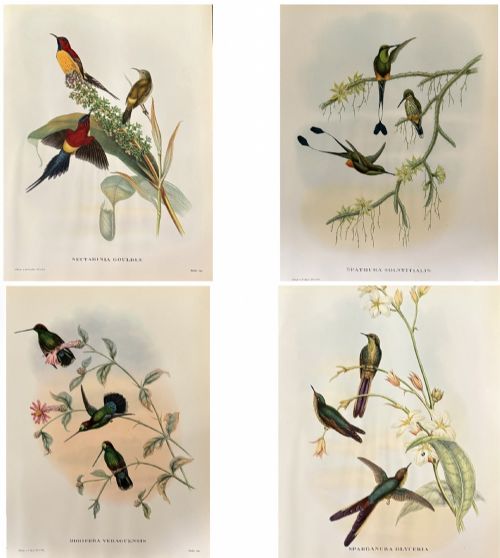
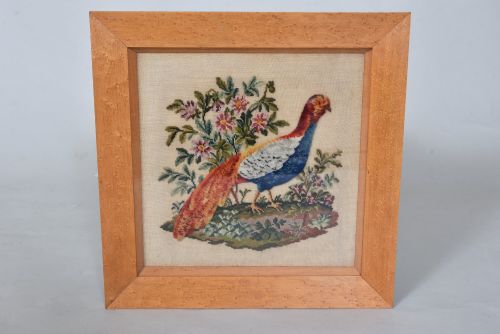
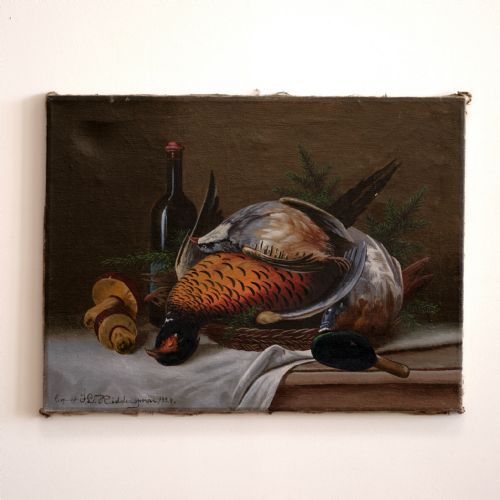
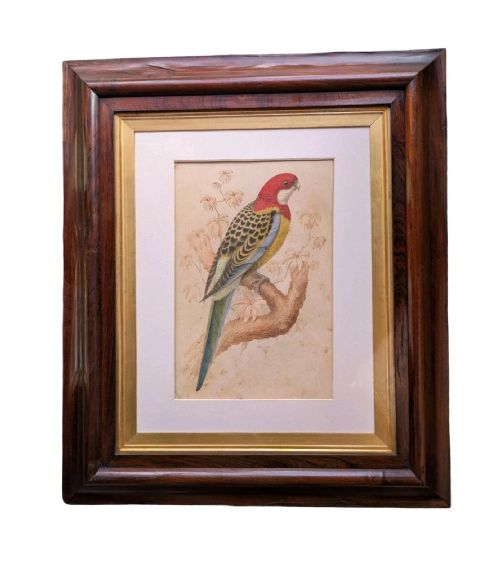
Buyers frequently encounter framed lithographs and engravings depicting tropical species, game birds and parrots, often originating from the nineteenth and eighteenth centuries. Alongside works on paper, the category includes textile pieces such as plushwork and wool work, plus decorative plates and metalwork chargers featuring avian motifs.
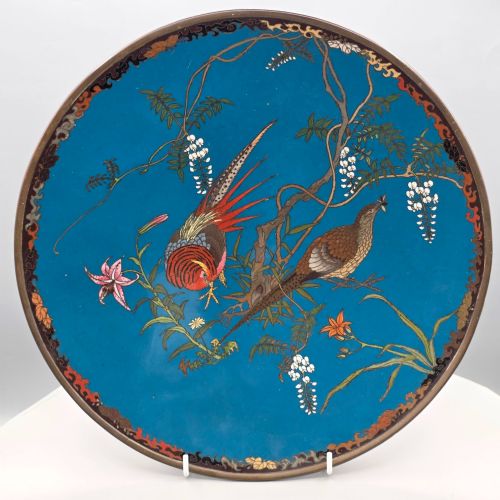
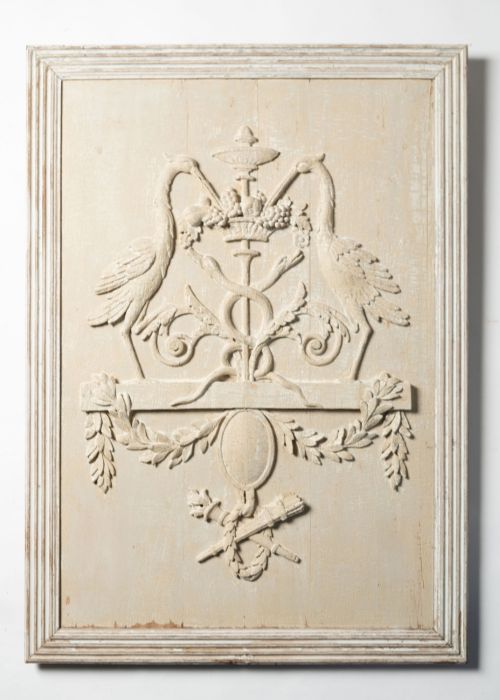
Geographic origins vary widely across the selection, ranging from British and continental European naturalist schools to Japanese Meiji period cloisonné and Chinese silk rank badges. This breadth allows collectors to choose between precise scientific illustration, decorative folk needlework, and ornate carved timber panels.
How They Were Made
Makers employed a variety of materials and techniques depending on the medium, utilising paper, canvas, silk, and wool alongside wood, glass, and metal. Engravings and lithographs on paper relied on hand-colouring with watercolour pigments to achieve lifelike plumage detail.
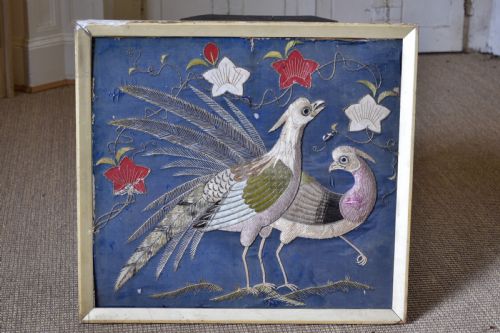
Textile works such as embroideries and plushwork required meticulous needlecraft, combining silk threads and padded elements to create tactile depth. Carved wooden panels and frames frequently utilised gold leaf application, lacquer, and detailed chisel work to accentuate the avian subjects.
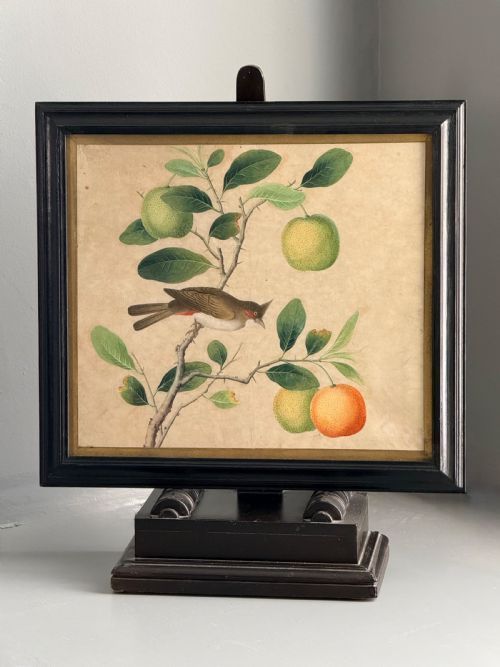
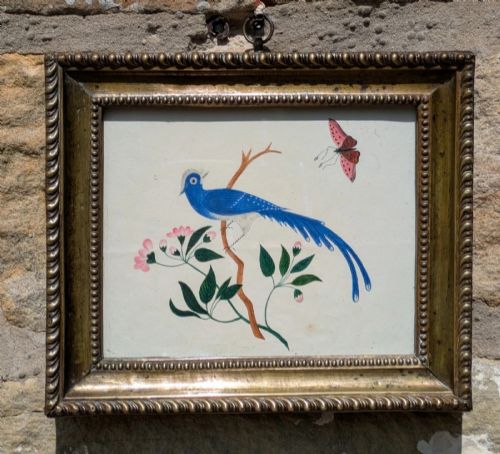
Enamelling techniques on copper or porcelain bases defined works like Japanese cloisonne dishes, where fine wire partitions held coloured vitreous pastes before firing. Gouache on pith paper utilised delicate water-based pigments applied to plant-derived material for luminous botanical and animal subjects.
Antique Bird Wall Art Retail Price Guide 2026
Typical asking prices for bird wall art among the pieces listed under this phrase on Sellingantiques today, from the lower quarter to the upper quarter. They describe what is for sale here now, not the wider market.
Materials represented across the selection include paper, canvas, silk, wool, glass, wood, gold leaf, and various metals.
What Varies in Quality
Quality in these works rests upon the precision of the draughtsmanship or needlework and the fidelity of the natural rendering. Finer pieces demonstrate superior anatomical accuracy in the depiction of feathers and posture, alongside skilful handling of colour and light.
The sophistication of the mounting and framing contributes significantly to the overall merit of a piece. Original frames, such as faux tortoiseshell or gilt wood surrounds, enhance the historical integrity and visual impact of the artwork.
Material preservation dictates the standing of individual items, with well-maintained pigments, stable textiles, and intact enamel surfaces separating superior examples from degraded ones. The reputation of the artist or publishing source, where identified, further distinguishes exceptional works from standard decorative items.
William Bird MD FLS·Vincent Clare·R Hurst·Samuel Dixon·Gaspar Peeter Verbruggen·John Sargent Noble·William Henry Ward·Sir Peter Markham Scott·George Rankin·Ralston Gudgeon·George Edwards
The Antique Bird Wall Art Glossary
- Lithograph
- A planographic printing process using a stone or metal plate to produce multiple impressions, frequently hand-coloured afterwards. This technique enabled the mass production of affordable yet detailed natural history illustrations.
- Cloisonne
- A metalwork technique where flat wires are soldered to a base to form compartments filled with enamel paste. These pieces are then fired and polished to create intricate decorative patterns.
- Plushwork
- A textile embroidery technique utilising raised, cut-pile stitches to create a tactile, velvety surface. This method was often employed in nineteenth-century decorative pictures of birds and animals.
- Gouache
- An opaque water-based paint consisting of pigment, water, and a binding agent such as gum arabic. It dries to a matte, dense finish that allows for vibrant coloration.
- Engraving
- A printmaking method where an artist cuts lines directly into a metal plate with a burin to hold ink. This process yields sharp, precise details ideal for scientific illustrations.
- Rank badge
- A square or round embroidered textile insignia worn on official garments in imperial China to denote status. These pieces frequently incorporate birds and symbolic flora.
Antique Bird Wall Art: Frequently Asked Questions
How do I identify eighteenth-century bird prints?
Examine the paper quality, plate marks, and hand-colouring techniques typical of the period. Eighteenth-century sheets often display watermarks and delicate hand-applied watercolours rather than modern printing dots.
Check for inscriptions naming the artist, engraver, or publisher in the lower margin. Early prints frequently utilise laid paper with visible chain lines when held to the light.
What is the difference between lithographs and engravings?
Engravings feature crisp, sunken lines pressed into the paper from metal plates, resulting from direct cutting with a tool. Lithographs rely on a chemical repulsion between grease and water on a smooth stone or metal surface.
Under magnification, engravings show ink resting within indented grooves, while lithographs display a flat planographic dot pattern or smooth ink coverage across the stone texture.
How should I care for antique silk embroideries?
Protect silk embroideries from direct sunlight to prevent the fading of delicate threads and fabrics. Maintain stable indoor humidity and temperature levels to avoid fibre degradation.
Display these textiles behind UV-filtered glass where possible to shield them from dust and atmospheric pollutants. Avoid hanging them in damp areas such as kitchens or unheated rooms.
Are Japanese cloisonne dishes fragile?
Cloisonne pieces feature vitreous enamel fused to a metal base, making them durable against normal handling but susceptible to impact damage. Dropping or striking these items can cause the glass enamel to chip or crack.
Clean them gently with a soft, dry cloth without using liquid cleaners or abrasives. Handle the pieces by their rims or bases, supporting the weight fully.