
Antique Bird Figures
When you search for antique bird figures, you encounter sculpted representations of avian subjects spanning multiple centuries, continents and mediums.
Antique Bird Figures
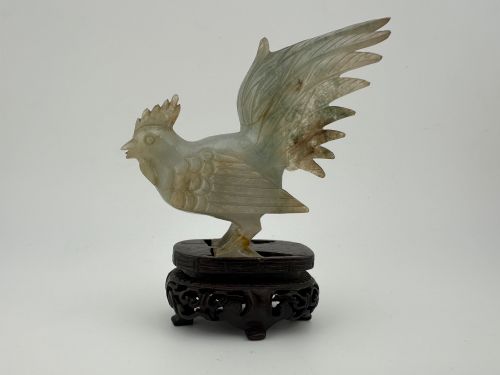
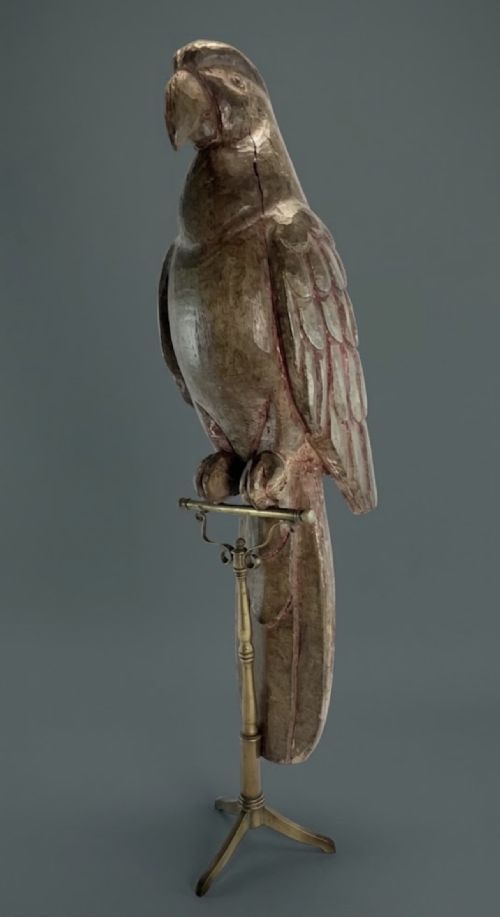
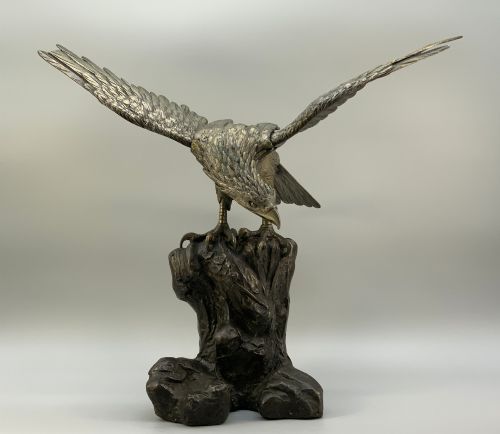
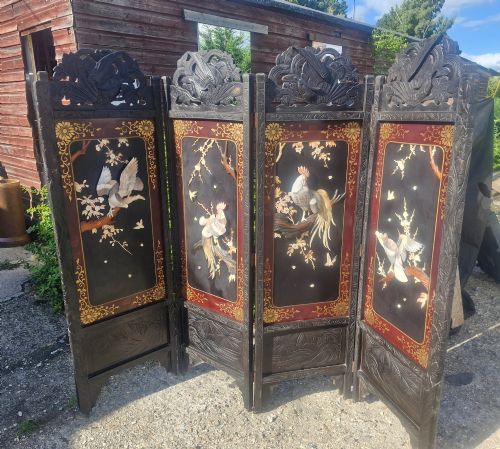
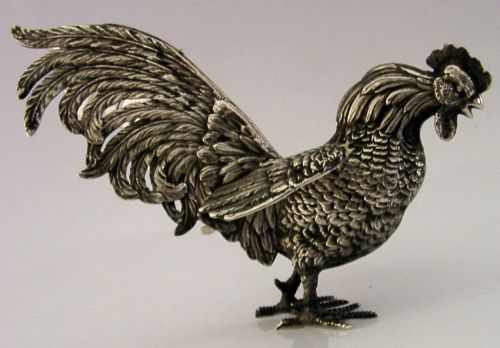
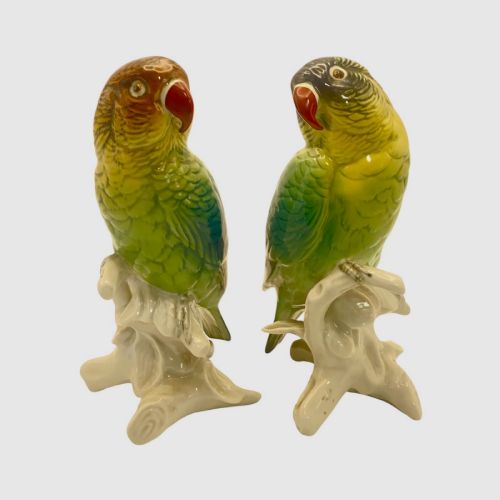
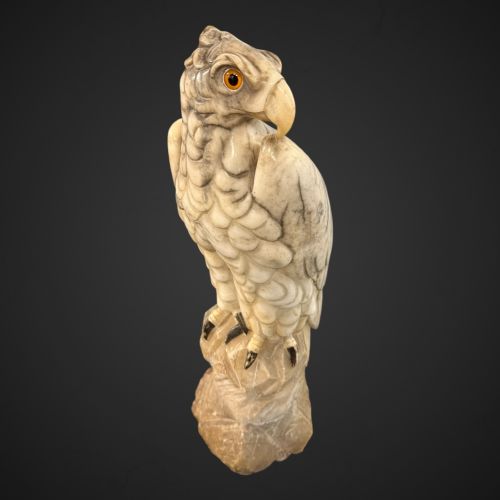
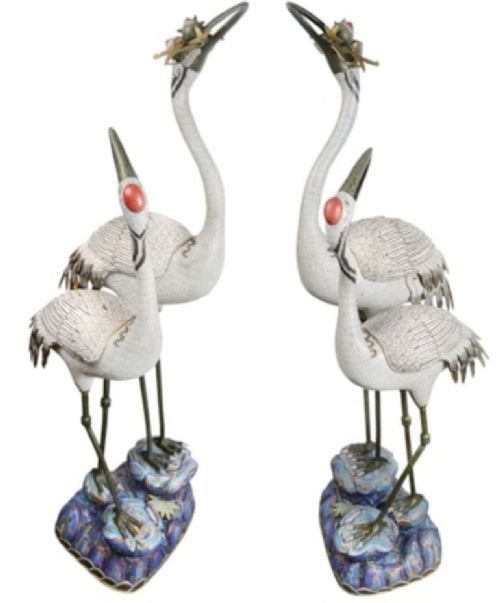
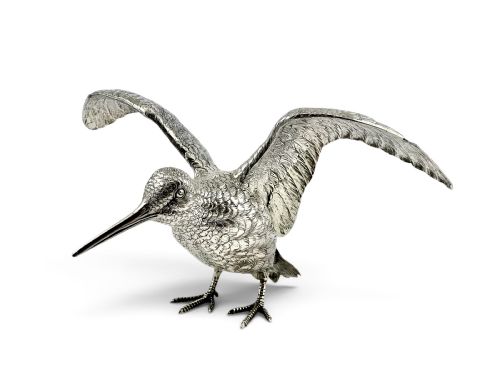
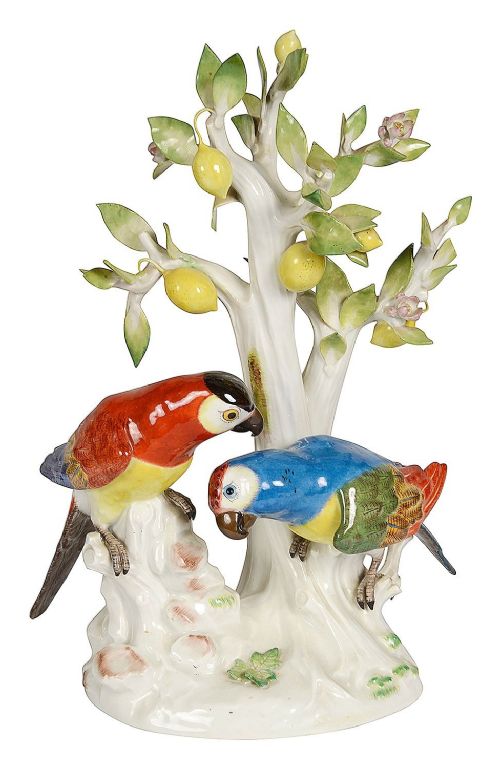
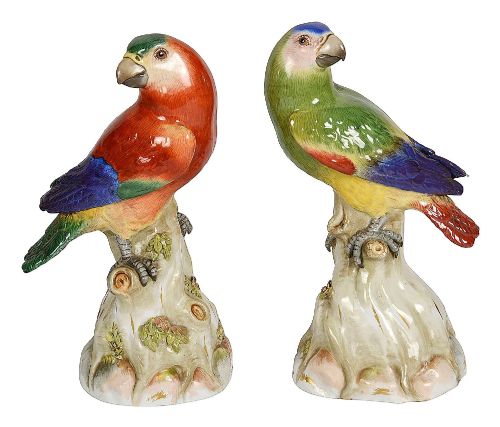
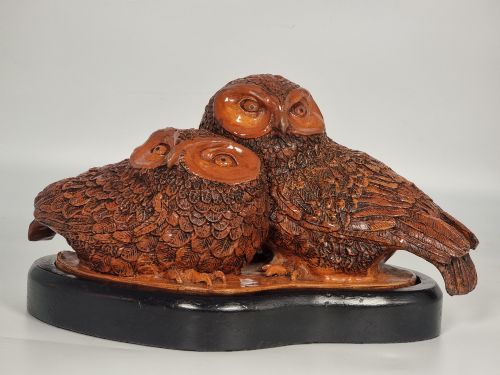
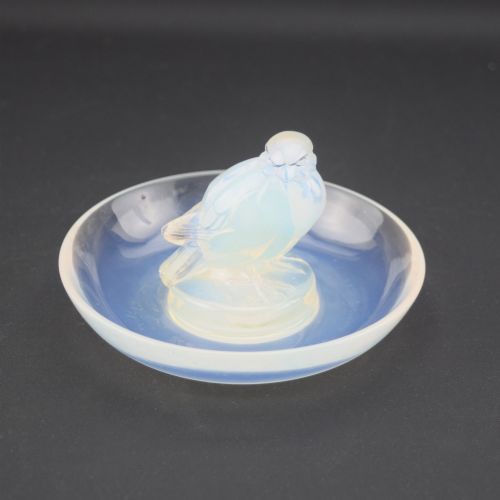
When you search for antique bird figures, you encounter sculpted representations of avian subjects spanning multiple centuries, continents and mediums. The selection includes domestic fowl, exotic parrots, predatory raptors and game birds translated into solid metal, carved wood, fine porcelain and moulded glass. These pieces range from functional items like inkwells and paperweights to pure decorative sculptures and ornamental table figures.
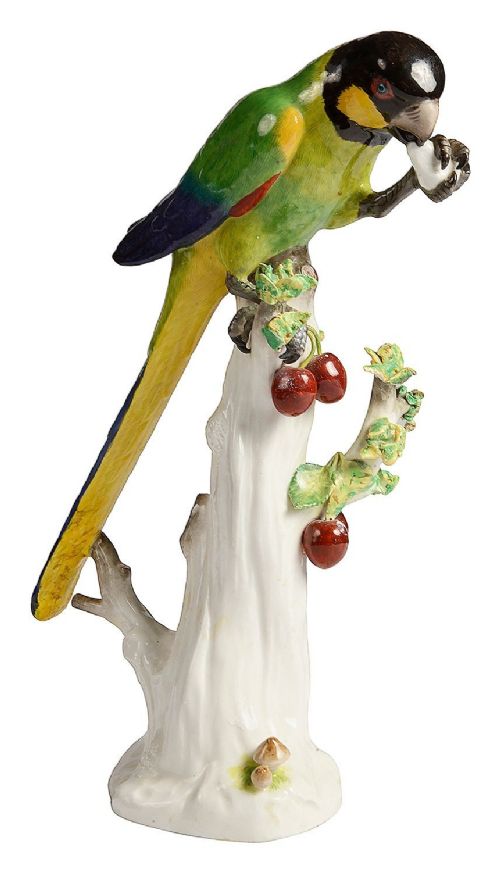
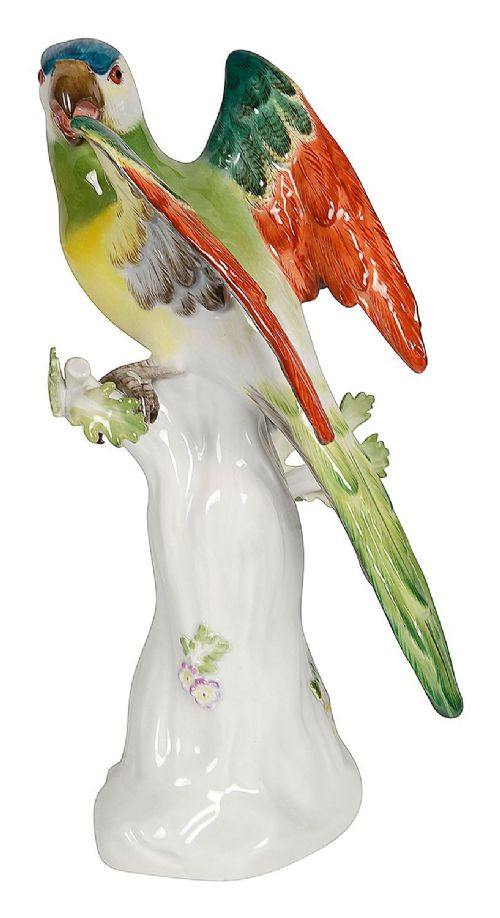
The versions you are most likely to meet on this page originate from nineteenth-century European factories, Edwardian silver workshops, Art Deco foundries and Meissen potteries. They reflect the shifting tastes of collectors over time, moving from realistic naturalist studies to stylised modernist interpretations. Each specimen captures a specific avian posture, whether a bird perched upon a branch, poised for flight or standing in a field.
How they were made
Makers shaped these objects using a variety of traditional methods suited to their chosen material, such as casting bronze from moulds or shaping wood with hand-held chisels. Cold-painted bronze pieces received layers of polychrome paint applied by hand over a metal base, while silver models were cast or beaten into shape and polished. Ceramic figures required precise moulding, high-temperature firing and careful hand-painting of glazes or enamel details.
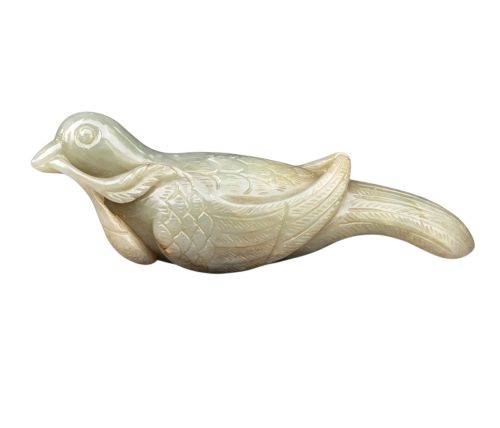
Glass examples were pressed or blown in moulds, sometimes receiving acid etching, staining or patination to highlight the feathered textures. Folk art pieces utilised readily available materials like straw, papier-mâché or reconstituted stone to form simple domestic shapes. Carved stone and jade objects relied on abrasive cutting and polishing techniques to reveal the natural grain and translucency of the mineral.
One unexpected flock includes a pair of theatrical birds rendered as bronze caricature figures from the Victorian era.
What varies in quality
The finesse of the surface detail separates superior examples from ordinary production, particularly in the rendering of plumage, facial expressions and anatomical proportions. In metalwork, the crispness of the chasing and the preservation of the original cold-painted finish dictate the desirability of the piece. Porcelain figures demonstrate quality through the delicacy of modelled extremities, such as leaves, claws and delicate wing tips, alongside the clean application of underglaze or enamel colours.
Artistry in design and execution elevates certain sculptures above standard factory output, especially in works bearing the signatures of notable bronze founders or master modellers. The weight, balance and stability of the object further indicate the care taken during construction, distinguishing robust studio pieces from mass-produced wares.
Franz Bergman·Karl Ens·Rene Lalique·Meissen
The Antique Bird Figures Glossary
- Cold-painted bronze
- A method where bronze sculptures are painted with polychrome oil paints rather than heat-patinated. This technique was widely utilised by Viennese foundries in the late nineteenth and early twentieth centuries.
- Meissen
- A German porcelain manufactory established in the early eighteenth century. Their figures are renowned for detailed botanical bases and naturalistic bird models.
- Okimono
- A Japanese term for a decorative object or sculpture designed for display on a shelf or in a tokonoma alcove. These carvings frequently depict animals, birds and figures in intricate detail.
- Bisque
- Unglazed porcelain that has been fired once, producing a matte, tactile surface resembling marble. It was frequently used for fine European portrait and animal figures.
- Decoy
- A carved or moulded representation of a bird used historically in hunting or shooting. These utilitarian objects often display weathered painted surfaces and folk art characteristics.
Antique Bird Figures: Frequently Asked Questions
What materials were used for antique bird figures?
Makers fashioned these sculptures from bronze, sterling silver, porcelain, carved wood, jade, glass and marble. Selection depended on the period and the intended function of the object.
Folk art examples also incorporated straw, papier-mâché and reconstituted stone, reflecting regional traditions and available resources.
Were these figures used as ornaments?
Many pieces served as decorative table ornaments, mantel sculptures or cabinet figures designed purely for visual display. Others incorporated practical elements such as inkwells for writing desks or paperweights for documents.
Larger statues functioned as garden ornaments or architectural focal points in country houses.
How can I tell Meissen porcelain birds apart?
Meissen porcelain birds are typically marked with crossed swords on the base, though the style of the mark varies by century. They often feature the bird perched on a tree stump or beneath a fruit tree.
Quality is demonstrated through the intricate modelling of the plumage and the hand-painted enamel colours.