


Victorian Decorative Bronzes
These Victorian decorative bronzes bring character to a room through cast metal work, mixed materials and period revival forms.
Victorian Decorative Bronzes
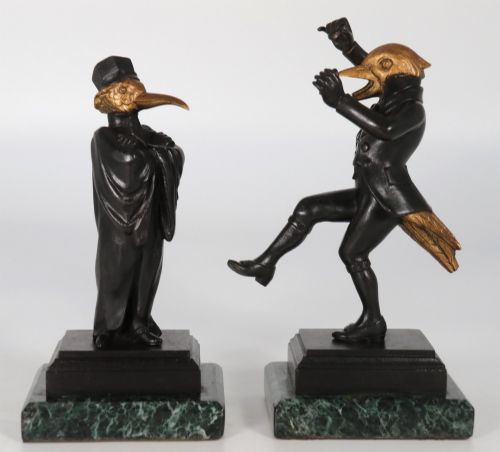
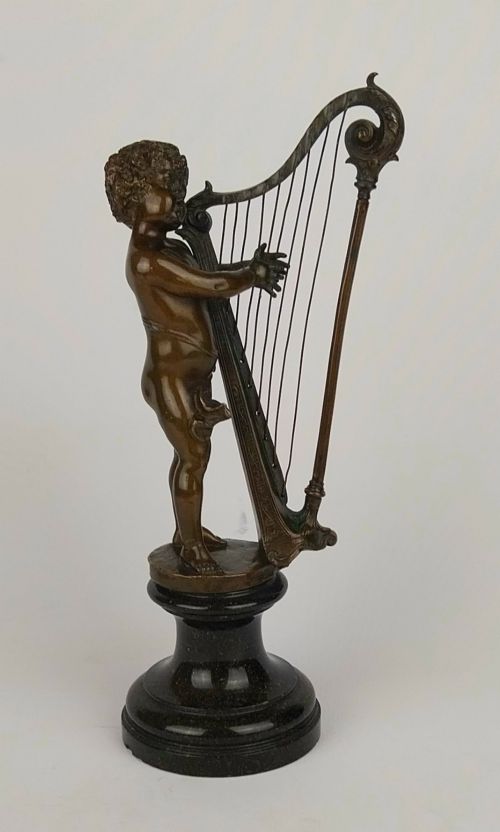
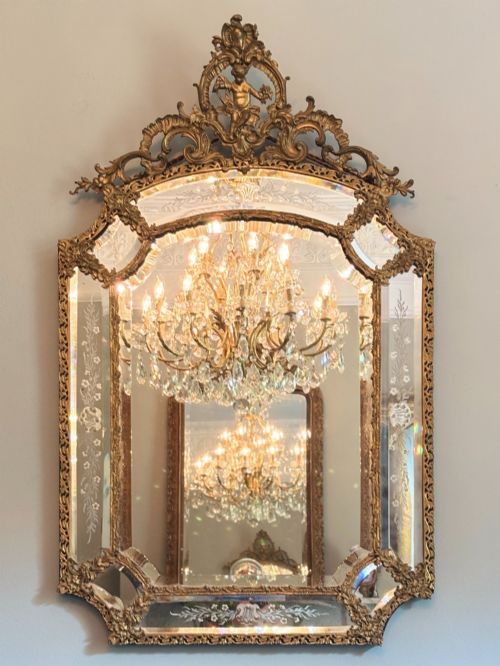
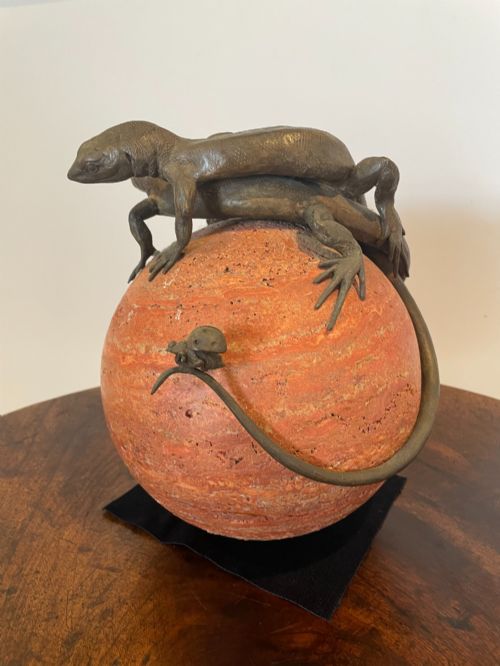
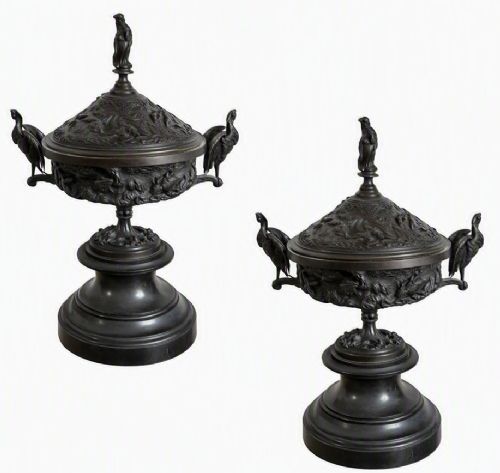
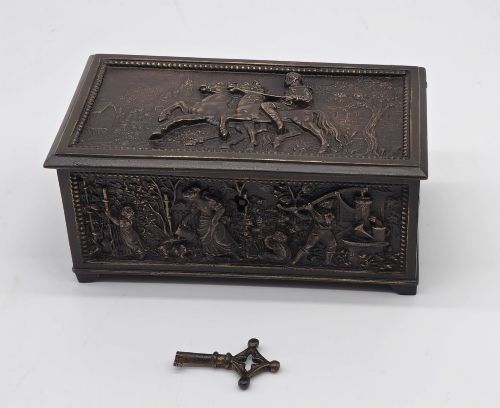
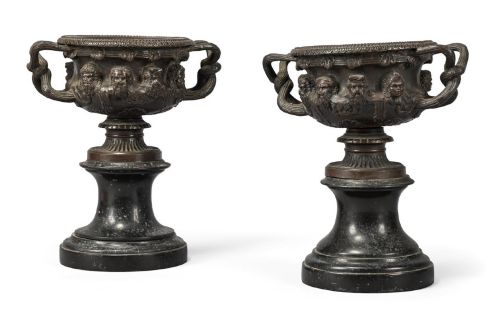
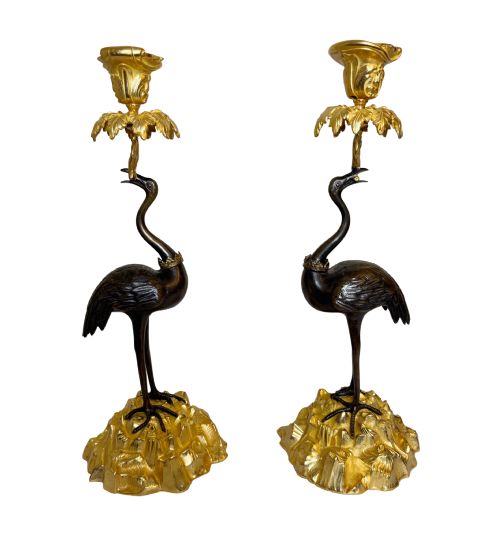
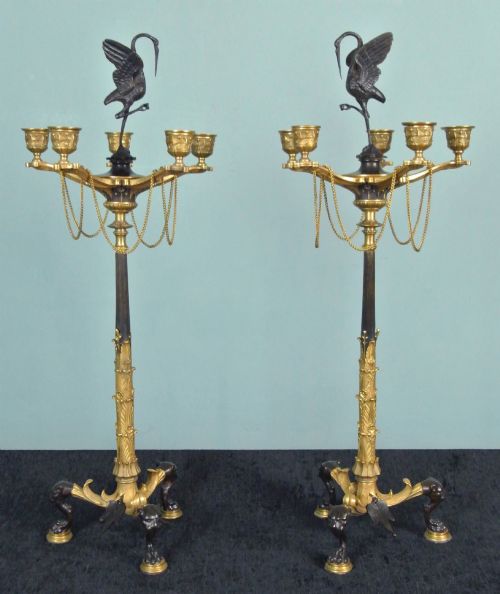
Victorian decorative bronzes span a wide range of functional and ornamental objects intended for interior display. Buyers selecting from this group encounter mantel clocks, candelabra, urns, desk accessories and sculptural figures. Many pieces reflect French revival styles alongside domestic Victorian design.
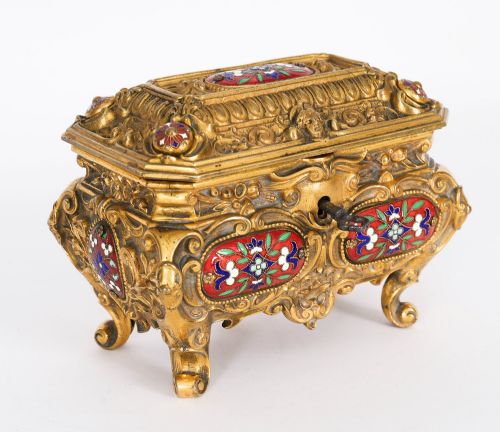
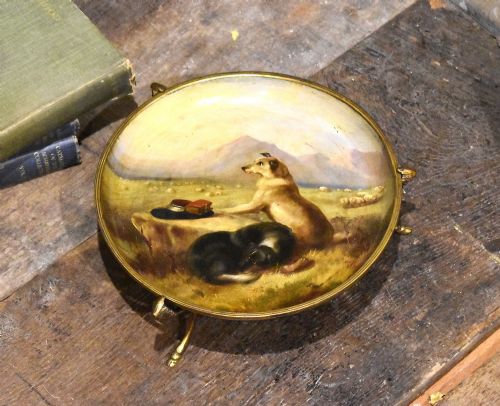
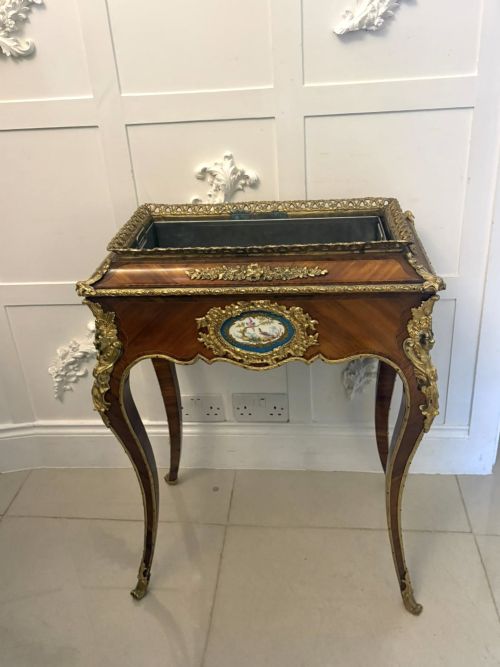
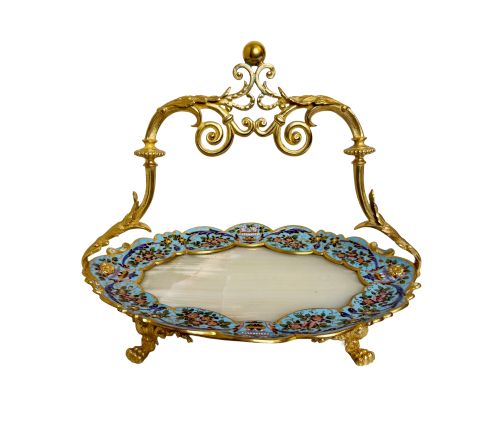
The selection frequently includes items mounted with gilt bronze or ormolu, often paired with porcelain, enamel or glass. Pieces range from large centrepiece trays and jardiniere stands to smaller tazzas and decorative ewers. Each object demonstrates the period appetite for ornate household metalwork.
Origins vary between British workshops and continental makers, particularly French foundries producing grand tour items and clock cases. Enamelled champleve and detailed casting are common across these domestic and imported pieces. The grouping unites utilitarian household items with purely decorative sculpture.
Materials and methods
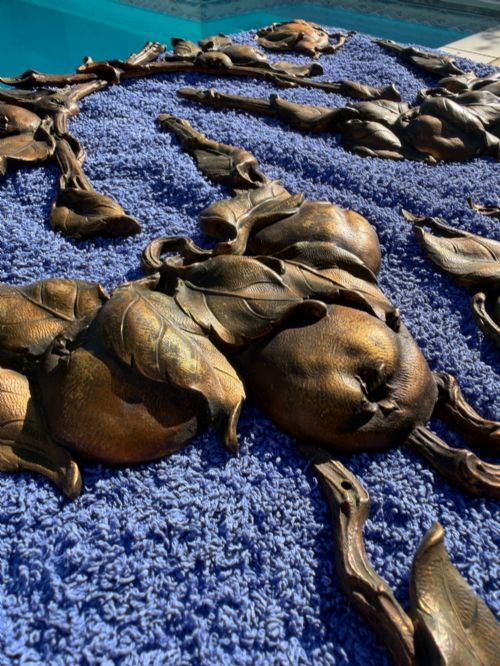
Foundries utilised traditional lost-wax or sand-casting methods to shape the core bronze, brass or spelter before applying surface finishes. Artisans achieved varied patinations through chemical treatments or added fire-gilding, creating the distinctive ormolu and gilt bronze surfaces seen on clocks and mounts.
Many objects incorporate secondary materials including Sevres porcelain plaques, hand-cut glass bowls and champleve enamel panels. These elements are held together by intricate metal mounts, threaded rods and screws, combining diverse crafts into a single decorative object.
Victorian Decorative Bronzes Retail Price Guide 2026
Typical asking prices for victorian decorative bronzes among the pieces listed under this phrase on Sellingantiques today, from the lower quarter to the upper quarter. They describe what is for sale here now, not the wider market.
Listings feature materials spanning gilt bronze, champleve enamel, cut glass, Sevres porcelain and marble.
Evaluating quality
The crispness of the chasing separates standard production from superior examples. Master metalworkers hand-finished cast pieces with chisels and gravers to sharpen details in hair, drapery and foliage.
The integration of mixed materials indicates the maker's skill. High-grade items feature flush-fitting porcelain, securely pinned enamel and accurately aligned mounts rather than visible gaps or crude joins.
Jules Moigniez·Poix Blin·Barbedienne·Henry Marc
The Victorian Decorative Bronzes Glossary
- Ormolu
- A technique of applying finely ground high-carat gold amalgam to a bronze object before firing. This process produces a bright golden surface that resists tarnishing.
- Champleve
- An enamelling technique where troughs or cells are hollowed out of the metal surface and filled with vitreous paste before firing. The piece is then ground smooth and polished.
- Tazza
- A shallow ornamental cup or vase mounted on a stem and foot. These vessels were typically displayed on tables as centrepieces.
- Spelter
- An alloy of zinc and copper used as a cheaper alternative to bronze. It was frequently cast into decorative figures and urns during the nineteenth century.
- Cassolette
- A dual-purpose decorative vase featuring a reversible lid. One side functions as a solid urn while the reverse holds a candle socket.
Victorian Decorative Bronzes: Frequently Asked Questions
How do I clean a bronze sculpture?
Dust surfaces gently using a soft, dry brush to prevent dirt accumulation in crevices. Avoid using commercial metal polishes or water on patinated bronze.
Applying a very light coat of microcrystalline wax periodically helps protect the original surface finish from atmospheric moisture.
Are these clock movements original?
Many nineteenth-century mantel clocks retain their original mechanical movements, though some have undergone professional repairs or replacements over decades of use. Inspecting the backplate often reveals maker marks and serial numbers corresponding to the case.
Clock keys and pendulums may be modern replacements even when the movement and case date to the Victorian period.
How do I distinguish bronze from spelter?
Bronze is heavier, denser and harder than spelter, with a resonant ring when struck lightly. Spelter is softer and may show a greyish or white metal underneath worn surface patination.
Magnification often reveals sharper detail in cast bronze compared to the slightly softer edges typical of spelter castings.
Where should I place these items at home?
Place heavier objects such as clock cases and jardiniere stands on stable, level surfaces away from direct heat sources and strong sunlight. Enamel and porcelain components are sensitive to sudden temperature fluctuations.
Smaller decorative pieces work well on mantelpieces, sideboards and display cabinets where they can be viewed closely.