




Gilded Bronze Statuettes
Gilded bronze statuettes capture miniature human, animal and divine forms in metal with lustrous gold surfaces.
Gilded Bronze Statuettes
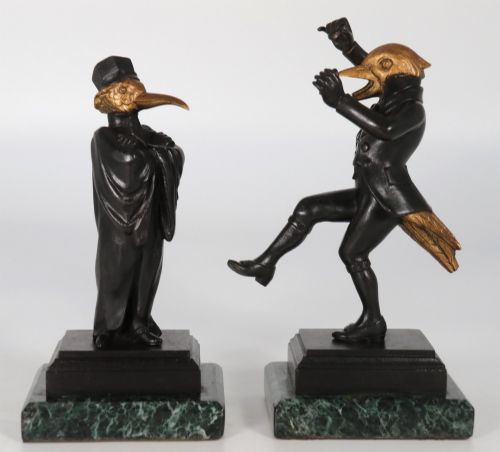
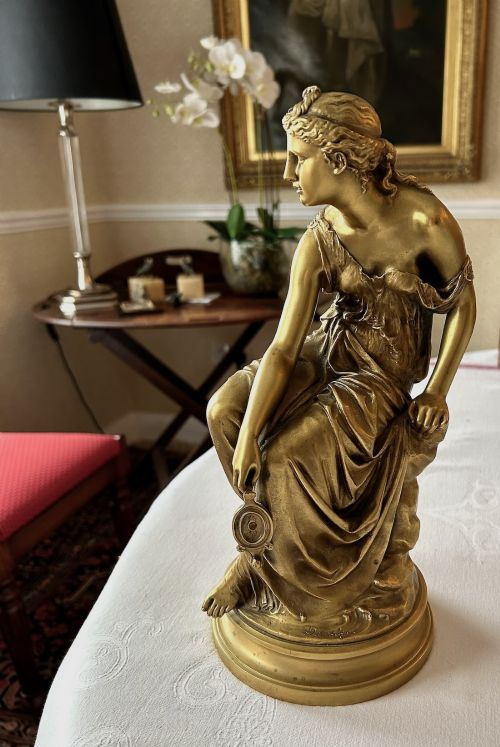
Gilded bronze statuettes include small sculptures, figures, and busts produced across several centuries and various decorative styles. When you examine this selection, you encounter subjects ranging from classical figures and mythological deities to theatrical animals and historical portraits.
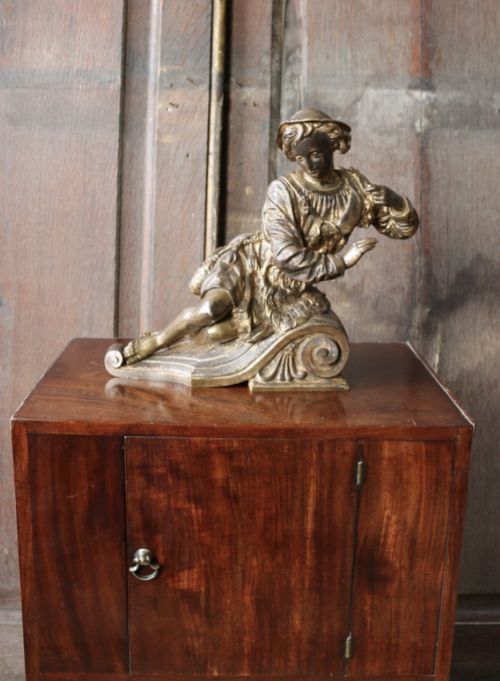
The nineteenth century yields the highest volume of pieces, particularly from French workshops embracing classical, Renaissance revival, and novelty themes. Alongside these, earlier European examples and twentieth-century Art Deco interpretations appear regularly.
Forms span independent cabinet bronzes, table lamps, inkstands, and architectural mounts mounted on marble, onyx, or olive wood bases.
Materials and construction methods
Maker workshops utilised bronze, cast brass, and spelter as base metals, shaping figures through traditional casting techniques before applying surface enrichment. Gilt bronze, ormolu, and gold gilding provide the distinctive bright or softly patinated golden finish across the primary forms.
Many sculptures incorporate contrasting natural materials for their mountings and plinths, most notably white and coloured marble, dense onyx, and carved olive wood. Patinated bronze often combines with gilt elements to accentuate drapery, hair, or specific textural details.
Gilded Bronze Statuettes Retail Price Guide 2026
Typical asking prices for gilded bronze statuettes among the pieces listed under this phrase on Sellingantiques today, from the lower quarter to the upper quarter. They describe what is for sale here now, not the wider market.
Materials range widely from precious gilt bronze and ormolu to carved marble, onyx, olive wood, and utility spelter.
Distinguishing quality in metalwork
Quality rests primarily in the crispness of the initial metal chase work and the durability of the applied gilding. Superior examples preserve fine facial expressions, detailed clothing folds, and intricate surface textures without the softness seen in hurried secondary casts.
The integration of the figure with its mounting base reveals the level of workshop care. Finely fitted stone plinths and secure bronze fixings separate accomplished sculptural editions from ordinary commercial output.
Etienne-Henri Dumaige·Demetre Chiparus·Christophe Fratin·A L Barye·Carl Kauba·Charlotte Monginot·Albert Ernest Carrier-Belleuse
The Gilded Bronze Statuettes Glossary
- Gilt bronze
- Metal alloy coated with a thin layer of gold or gold amalgam to produce a lustrous, corrosion-resistant surface. This technique protects the underlying bronze while giving the sculpture a bright golden sheen.
- Ormolu
- A historical term for gilding finely ground high-carat gold mercury-amalgam to a bronze object. It was widely utilised by French makers for decorative arts and furniture mounts.
- Spelter
- A zinc alloy frequently utilised as a less expensive alternative to bronze for sculptural figures, particularly during the Art Deco period. It accepts patination and metallic paint finishes readily.
- Grand Tour
- A cultural journey undertaken by wealthy young Europeans visiting historical sites, leading to a demand for small bronze souvenirs modeled after classical antiquities. These miniature statues typically depict classical deities, heroes, or architectural fragments.
- Patination
- The natural or chemically induced surface coloration developed on bronze over time or through studio treatments. Artists employ chemical patination to create contrasting dark tones against polished gilt highlights.
Gilded Bronze Statuettes: Frequently Asked Questions
What periods do these statuettes cover?
The pieces span from pre-sixteenth century temple figures through seventeenth and eighteenth century works up to nineteenth-century French salon bronzes and twentieth-century Art Deco creations.
Nineteenth-century examples dominate the offerings, reflecting major revivals of classical, Renaissance, and exotic styles across European foundries.
How were these figures used originally?
Owners displayed these sculptures on mantelpieces, library desks, and cabinets as symbols of education, taste, and refinement. Certain items served dual practical functions as inkstands or table lamp bases.
Grand Tour souvenirs commemorated travels through Italy and Greece, bringing classical antiquity directly into domestic European interiors.
How do I care for gilt bronze?
Dust surfaces gently with a soft, dry brush to prevent accumulation without harming delicate fire gilding or cold patination. Avoid harsh chemical cleaners, polishes, or abrasive cloths that strip the gold layer.
Keep pieces away from direct sunlight and excessive humidity to protect integrated stone bases like marble and onyx.
How can I tell art deco from earlier styles?
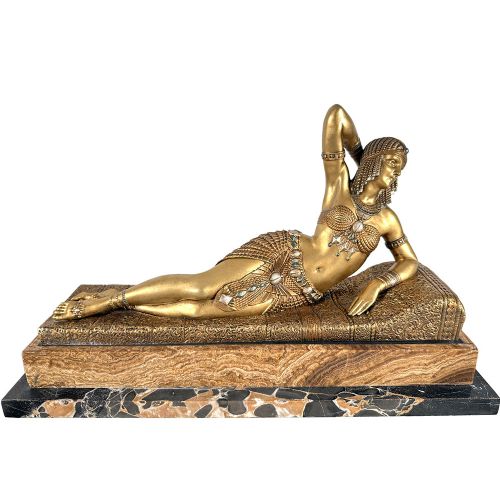
Art Deco pieces typically date around nineteen-thirty, featuring streamlined silhouettes, stylised drapery, and geometric onyx or marble bases. Subjects often embrace modern dancing figures, exotic birds, and clean-lined reclining nudes.
Earlier nineteenth-century works display naturalistic anatomy, classical drapery, ornate bases, and romantic or mythological storytelling motifs.