




Antique Birch Chest
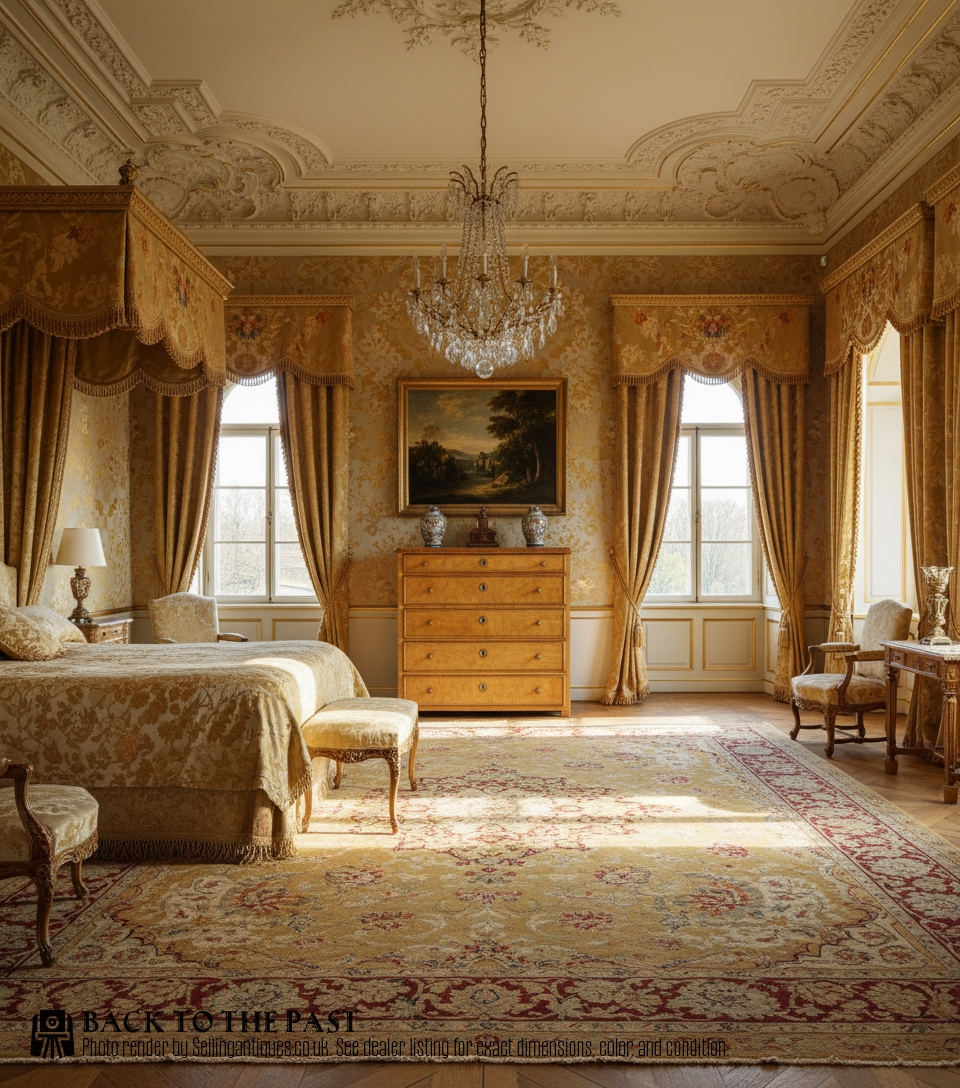
An antique birch chest brings pale, figured timber and robust utility into a room, offering generous storage through centuries-old craftsmanship.
Antique Birch Chest
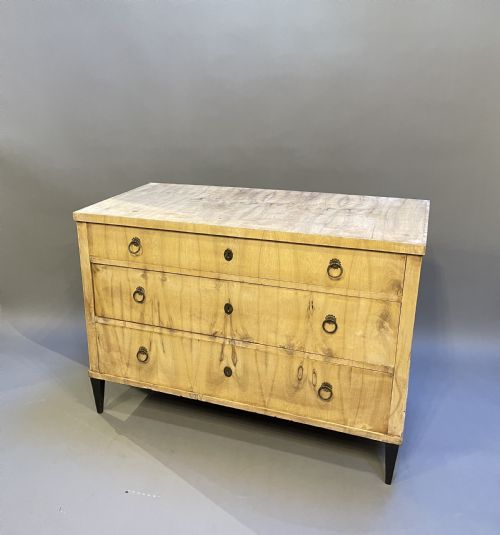
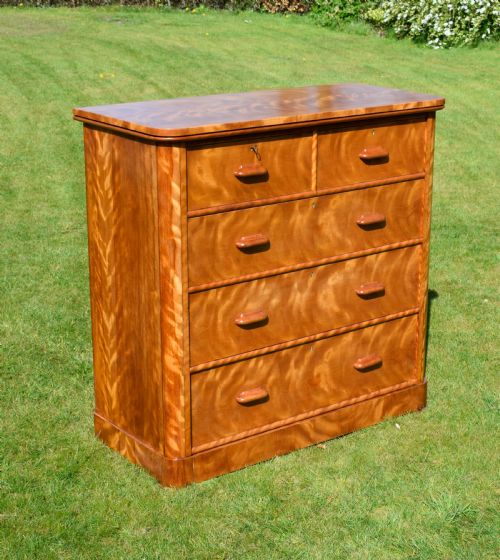
An antique birch chest encompasses a wide variety of storage forms, ranging from tall secretaire chests and commodes to bedside tables and dressing chests. Buyers searching for an antique birch chest will frequently encounter nineteenth-century Swedish Biedermeier examples alongside Victorian British pieces.
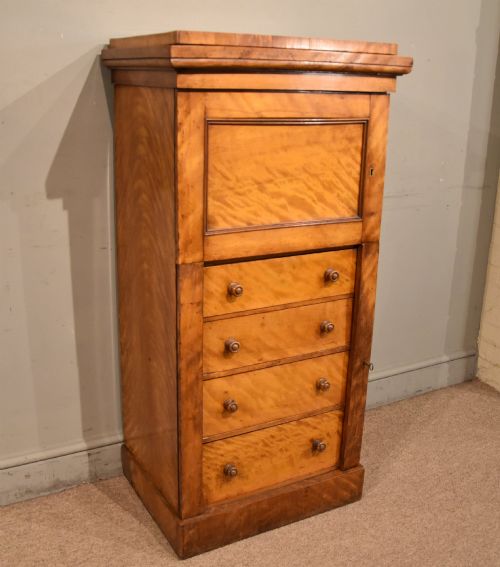
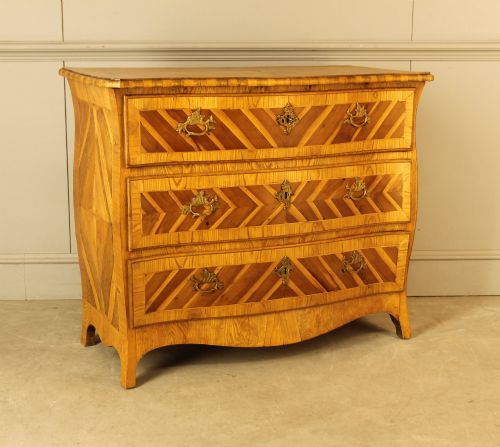
The selection includes specialised forms such as Wellington chests, linen presses, and bombé chests of drawers. Swedish regional styles and British domestic designs dominate the available selection, reflecting distinct aesthetic traditions in cabinetmaking.
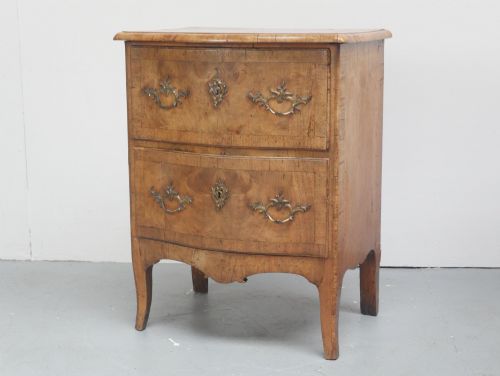
Pieces span from eighteenth-century rococo items to later nineteenth-century revival styles and twentieth-century painted furniture. Straight-fronted drawer configurations and drop-front secretaires represent the core of the inventory.
Materials and Construction
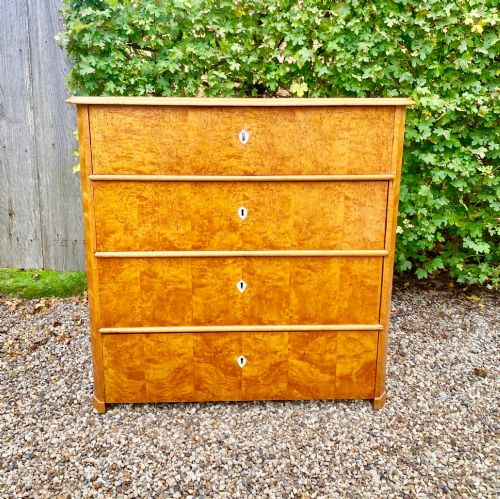
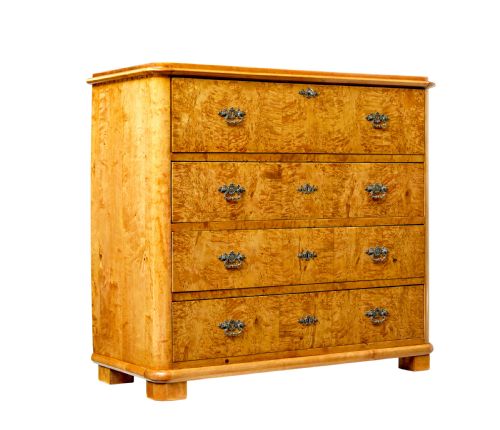
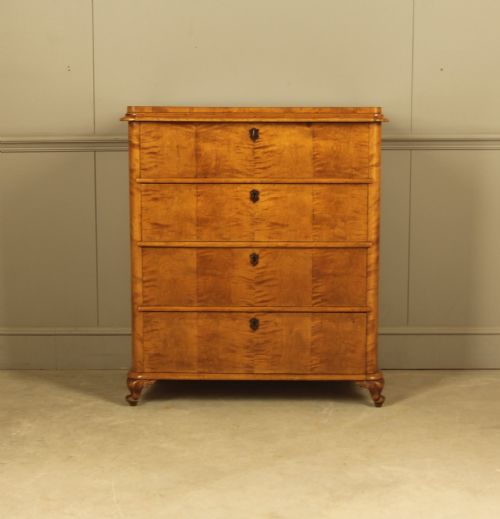
Cabinetmakers utilised various cuts of timber, including flame birch, tiger birch, burr birch, masur birch, and satin birch, often applied as veneers over secondary woods like pine. This timber selection created striking grain patterns that defined the visual character of each piece.
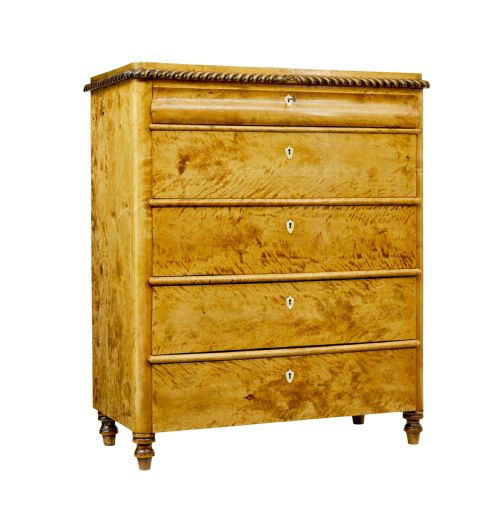
Construction methods involved solid joinery combined with applied brass hardware, bone escutcheons, and occasional ebonised wood details. Craftsmen shaped and smoothed the native hardwoods using hand planes and saws, finishing surfaces with oils or shellac to protect the complex grain.
Listings feature eighteenth-century, nineteenth-century, and twentieth-century items, spanning Victorian and Scandinavian Biedermeier styles.
Quality and Construction Differences
The grade of an antique birch chest depends heavily on the selection and matching of veneer figures, such as flame or masur patterns across the drawer fronts. Superior pieces display continuous grain alignment and careful timber selection that elevate the visual depth of the surface.
Structural integrity and the retention of original hardware, including brass handles and bone keyhole escutcheons, separate standard examples from finer items. The precision of dovetail joints and the smooth operation of internal drawers indicate the original maker's skill level.
Holland & Sons·Gemla Fabrikers
The Antique Birch Chest Glossary
- Secretaire
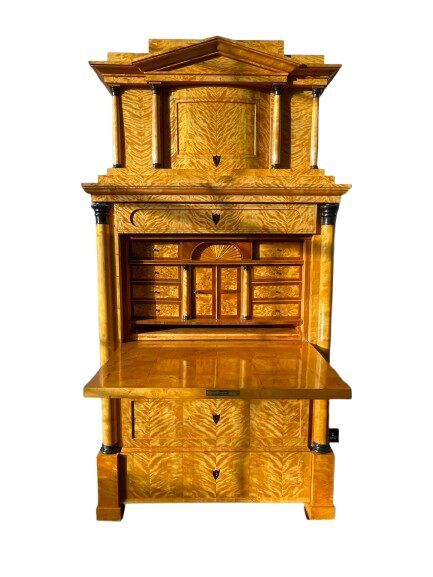
- A cabinet or chest incorporating a pull-down writing drawer with fitted internal compartments and small drawers.
- Masur birch
- A regional timber variety featuring characteristic dark swirls and dense, speckled grain formations prized by Scandinavian cabinetmakers.
- Biedermeier
- A Central European design style spanning the nineteenth century, known for clean lines and a focus on domestic comfort.
- Wellington chest
- A tall, narrow chest of drawers secured by a locking hinged side pilaster bar.
- Bombe
- A swollen or bulging convex shape applied to the front and sides of eighteenth-century case furniture.
Antique Birch Chest: Frequently Asked Questions
How do I identify Swedish birch furniture?
Swedish pieces often feature pale finishes, distinctive flame or masur grain veneers, and simplified neoclassical forms typical of the Biedermeier period. These chests frequently utilise pine as a secondary wood beneath the birch surface.
Regional variations also include painted country finishes and rococo curves dating from the eighteenth century. Examining the internal drawer construction helps confirm the Scandinavian origin.
What is a secretaire chest?
A secretaire chest combines standard drawer storage with a dedicated writing surface concealed behind a drop-down front. When opened, this compartment reveals small pigeonholes and letter drawers.
This dual-purpose design served nineteenth-century homes where dedicated writing desks were impractical due to space limitations. The exterior often appears as a conventional chest of drawers.
How should I care for satin birch?
Satin birch surfaces require protection from direct sunlight to prevent the pale timber from darkening or losing its figured contrast. Dusting regularly with a dry cloth maintains the finish without introducing moisture.
Avoid placing these chests near heat sources, which can cause timber shrinkage and veneer lifting. Occasional application of appropriate wax preserves the historic sheen.
What distinguishes Victorian birch from Swedish birch?
Victorian British pieces typically employ satin birch within domestic bedroom suites, often paired with mahogany or pine carcases. These items frequently manifest as linen presses, dressing chests, or bedside tables.
In contrast, Swedish pieces emphasise the natural figure of flame, tiger, or masur birch through minimalist Biedermeier or Empire revival silhouettes. The joinery techniques and proportions reflect distinct regional preferences of the nineteenth century.