




Antique Bilston Snuff Box
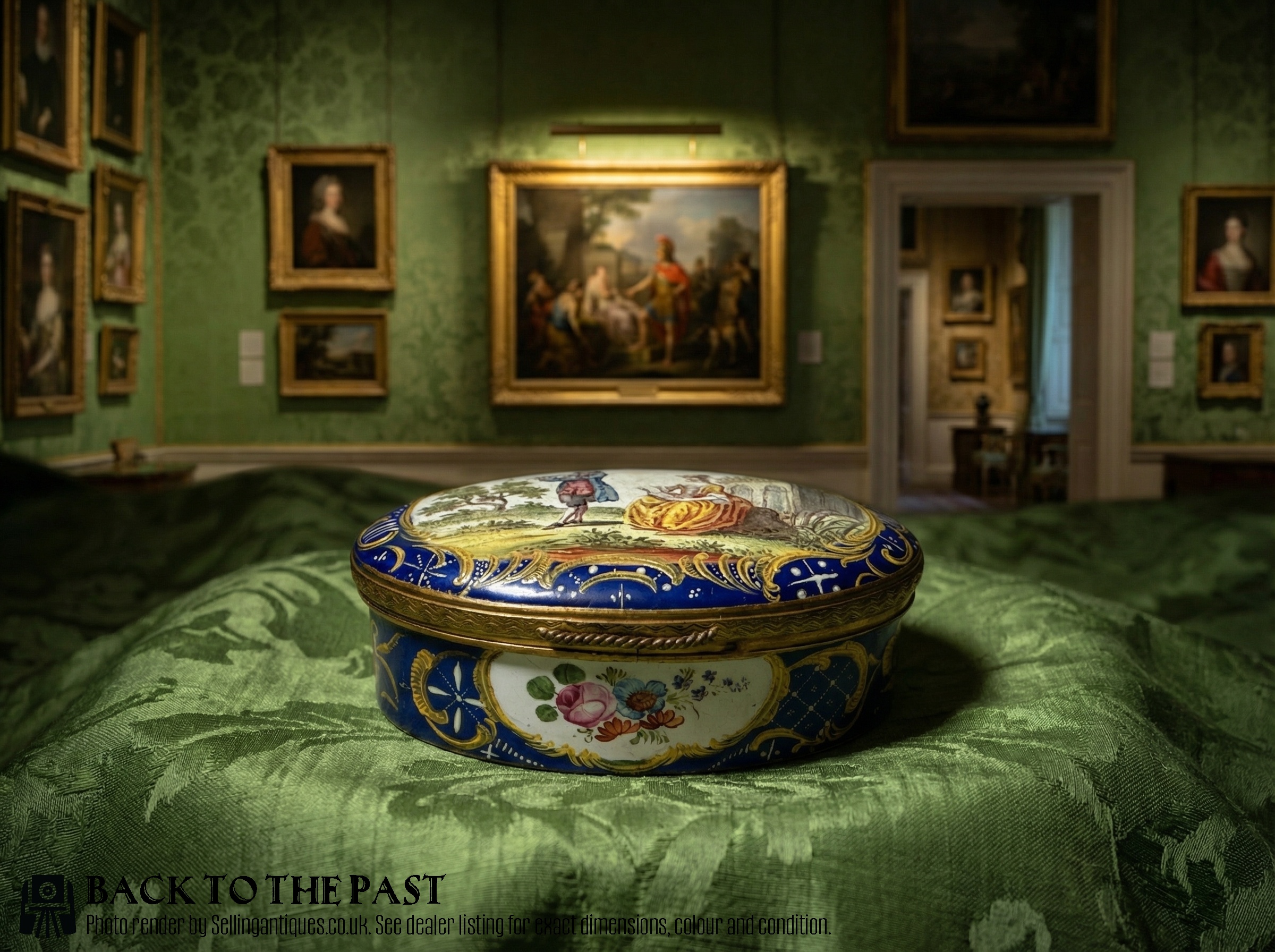
An antique bilston snuff box is a small enamelled container crafted for tobacco or cosmetics, prized by collectors for its miniature painted scenes.
Antique Bilston Snuff Box
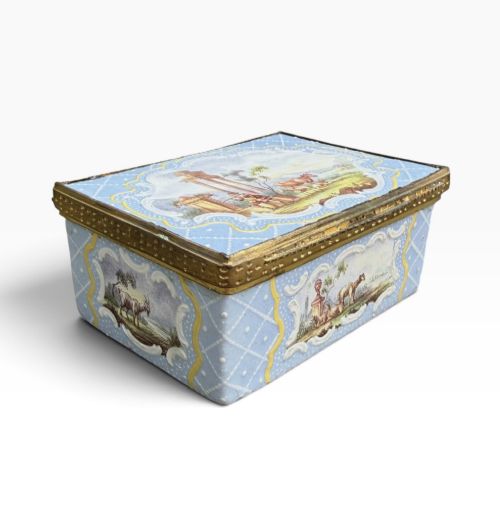
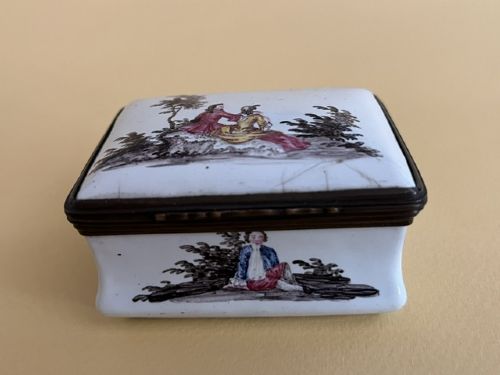
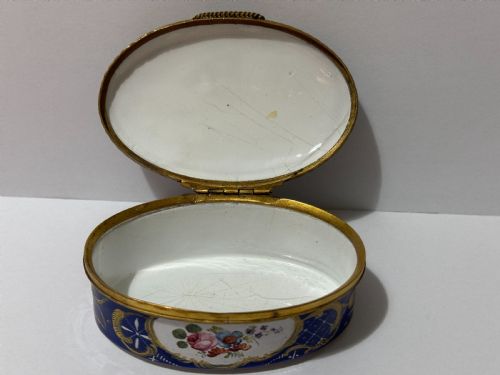
These pieces are small trinket and patch boxes associated with eighteenth-century Staffordshire production, specifically centred around Bilston. Buyers searching for an antique bilston snuff box encounter oval, rectangular, and novelty forms produced during the Georgian period.
The objects frequently take the form of snuff boxes, patch boxes, or bonbonnieres, often featuring hinged lids decorated with parkland scenes, inscriptions, or sculptural animal subjects like the Cavalier spaniel. Most surviving examples date from the late eighteenth century, spanning from approximately seventeen-seventy to eighteen-hundred.
Staffordshire production also encompasses decorative plaques and powder pink colourways bearing sentiments such as tokens of esteem or spa town references like Cheltenham Wells. The format relies on portability, serving as a pocket-sized luxury item for Georgian society.
Assessing quality and execution
Quality rests primarily in the fineness of the hand-painted miniature scenes upon the lid and the crispness of the transfer-printed outlines. Superior examples display subtle shading in landscape subjects and careful polychrome detailing on figural or animal motifs.
The integrity of the enamel surface and the snugness of the metal hinge dictate the condition grade. Finer pieces maintain smooth, unbroken enamel without extensive crazing, alongside original gilt mounts that close securely against the box rim.
Canines take aristocratic form in eighteenth-century Staffordshire enamel, where a King Charles Cavalier spaniel gazes eternally from a pocket-sized lid.
The Antique Bilston Snuff Box Glossary
- Bilston enamel
- A term applied to enamelled copper objects produced in the Staffordshire town of Bilston during the Georgian era. These pieces are renowned for their vibrant painted decoration and fine metal mounts.
- Patch box
- A small pocket container originally designed to hold cosmetic beauty patches worn on the face during the eighteenth century. They typically fitted an internal mirror inside the hinged lid.
- Bonbonniere
- A small ornamental container used for holding sweets or sugarplums. In eighteenth-century enamels, these often took whimsical or novelty shapes.
- Gilt metal
- Base metal treated with a thin layer of gold applied by fire gilding or mechanical plating. It provides a bright metallic border to the enamelled panels.
- Transfer printing
- A technique allowing copper-plate engravings to be transferred onto enamel surfaces using ceramic inks. This method accelerated the production of detailed imagery on small boxes.
Antique Bilston Snuff Box: Frequently Asked Questions
What is an antique bilston snuff box?
An antique bilston snuff box is a small eighteenth-century enamelled copper container made in Staffordshire. They were used to hold powdered tobacco or cosmetic patches.
These portable items feature hand-painted or transfer-printed lids depicting landscapes, portraits, or inscriptions. Collectors prize them for their miniature artistry and Georgian provenance.
How do you date these boxes?
Dating relies on stylistic clues, mounting techniques, and the types of enamel colours used. Pieces from the seventeen-seventies and seventeen-eighties often exhibit specific floral borders and rococo revival influences.
Inscriptions and historical references on the enamel surface also help narrow the production period. Most examples date from the latter half of the eighteenth century up to eighteen hundred.
Were these boxes only for snuff?
While many served as snuff boxes for powdered tobacco, others were specifically manufactured as patch boxes containing mirrors for cosmetic use. Some functioned simply as decorative trinket boxes or bonbonnieres for sweets.
Their small scale made them versatile pocket accessories for both men and women in Georgian society.
How should I display them?
Display these delicate enameled pieces in enclosed cabinets away from direct sunlight to protect the painted pigments. Ambient room lighting is sufficient to highlight the fine details on the lids.
Handling should be kept to a minimum to preserve the fragile glass enamel surface and the original metal hinges.