




Antique Bidjar Runner
An antique bidjar runner brings heavy Persian Kurdistan knotwork and dense village patterns into a long hallway.
Antique Bidjar Runner
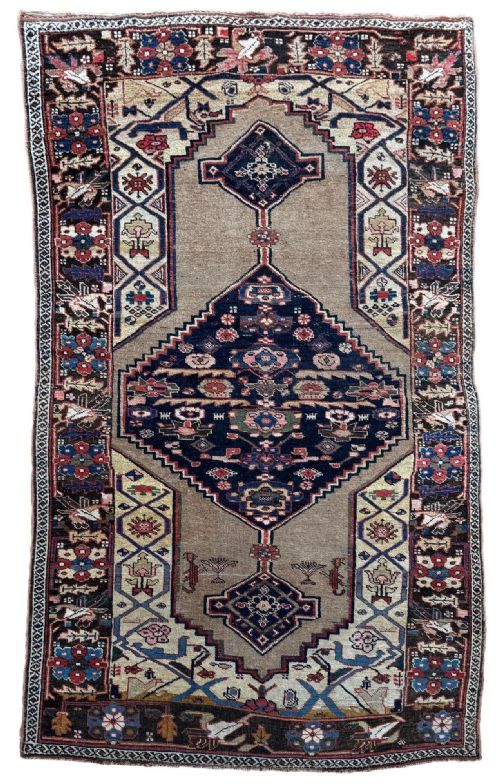
An antique bidjar runner is a long, narrow floor covering originating from the Kurdish weavers of the Bidjar region in Persia. These pieces are chosen for narrow spaces that demand exceptional durability and strong tribal character.
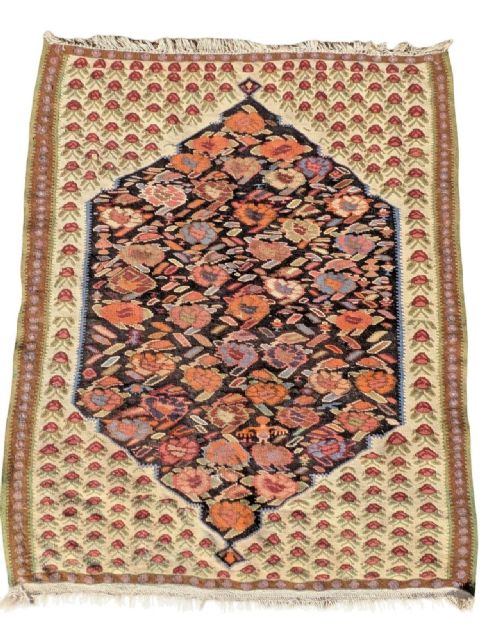
The inventory includes various formats stretching from long runners to broader kelleh carpets and kilim flatweaves. The standard antique bidjar runner encountered here typically dates from the late nineteenth century up to the early decades of the twentieth century.
Construction and materials
Weavers constructed these runners using a robust foundation of cotton and wool. The pile is densely packed wool, beaten down during weaving to create a stiff, heavy fabric that resists heavy foot traffic.
The tradition draws upon Persian Kurdish methods, producing tightly bound knots that keep the pile upright and resilient over generations of use.
Listings span several decades from the 1870s through the 1930s, using wool and cotton construction exclusively.
Factors of quality
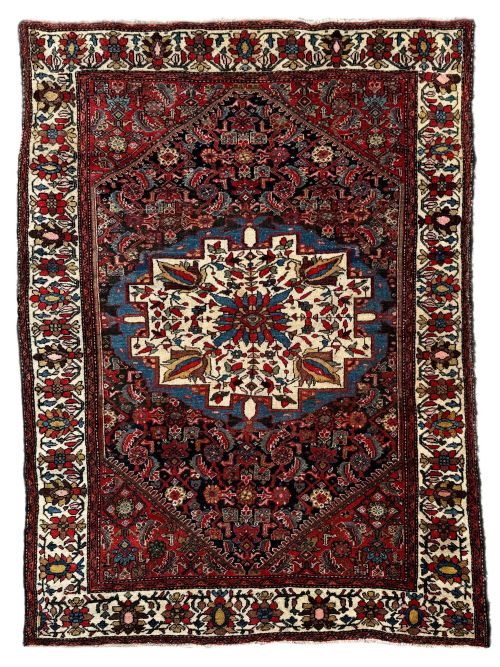
Quality rests in the density of the weave and the crispness of the traditional Persian patterns. Tighter packing of the wool foundation creates a heavier, more rigid handle that distinguishes finer examples.
Design clarity and the depth of the palette set superior pieces apart from standard village output. The balance of Kurdish motifs across the long format dictates visual success.
The Antique Bidjar Runner Glossary
- Bidjar
- A town and region in Persian Kurdistan famous for producing exceptionally dense and heavy carpets. Pieces from this area are often called the iron rugs of Persia.
- Kelleh
- A large, room-sized format that is longer than it is wide, falling between a standard carpet and a runner. This rectangular proportion suits long gallery spaces.
- Kilim
- A flatwoven textile made without a pile, created by tightly interweaving warp and weft threads. These lightweight pieces offer geometric designs distinct from piled carpets.
- Kurdish
- Pertaining to the weavers of Kurdistan who craft these rugs using traditional tribal motifs. Their distinctive regional style influences the geometry and border designs.
Antique Bidjar Runner: Frequently Asked Questions
Where should I place an antique bidjar runner?
These narrow formats work best in long corridors, hallways, and entryways where their heavy construction can withstand continuous walking.
The elongated proportions also suit gallery spaces or narrow kitchen floors needing a durable textile.
How do I care for wool runners?
Vacuum the piece regularly with suction only, avoiding revolving brush heads that can pull at the dense wool pile.
Professional cleaning should be undertaken periodically by a specialist familiar with antique Persian textiles.
What makes these rugs heavy?
The signature weight comes from a technique of packing the wool pile and cotton foundation very tightly together during weaving.
This dense packing creates a rigid structure that resists bending and wear.
How are the ages determined?
Dates are assessed through stylistic analysis of the Persian tribal motifs, structural materials, and natural dye characteristics.
Comparisons with archived pieces help narrow the decade of origin.