

Antique Beech Seat
An antique beech seat brings honest domestic craft into a room, offering sturdy utility shaped by regional British and continental hands.
Antique Beech Seat
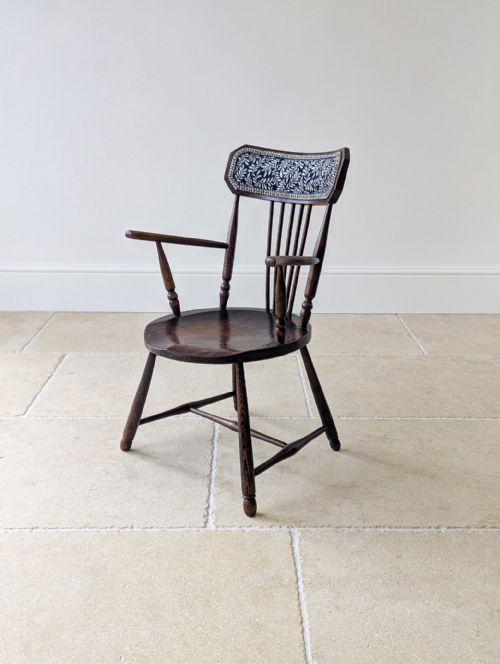
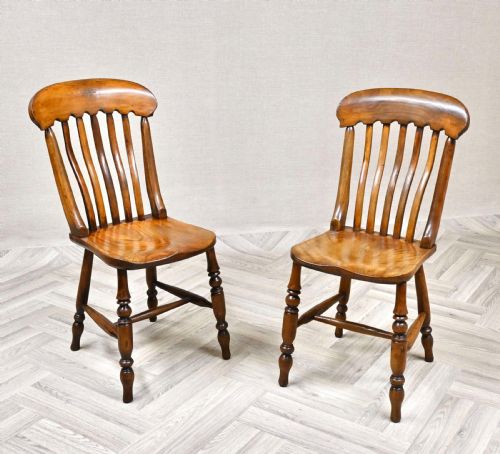
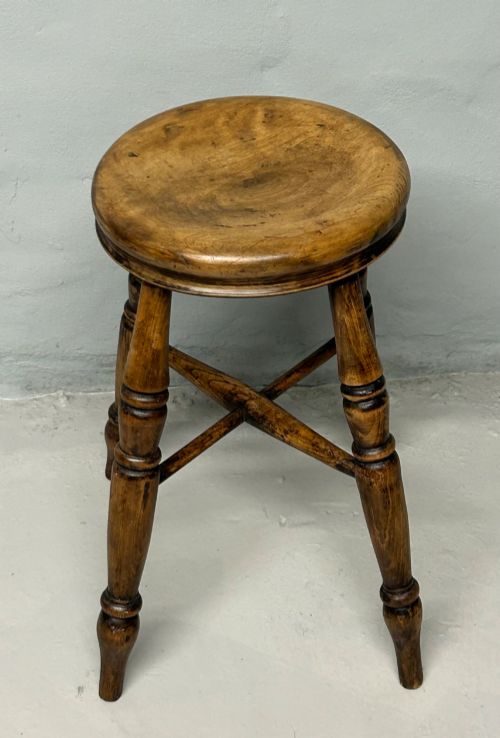
An antique beech seat spans a vast functional vocabulary, ranging from robust kitchen armchairs and Windsor smokerman's bows to refined dining chairs, low fireside stools and occasional rocking seats.
The material appears frequently paired with elm for carved saddle seats or combined with rush, cane, leather and woven textiles to form supportive sitting furniture.
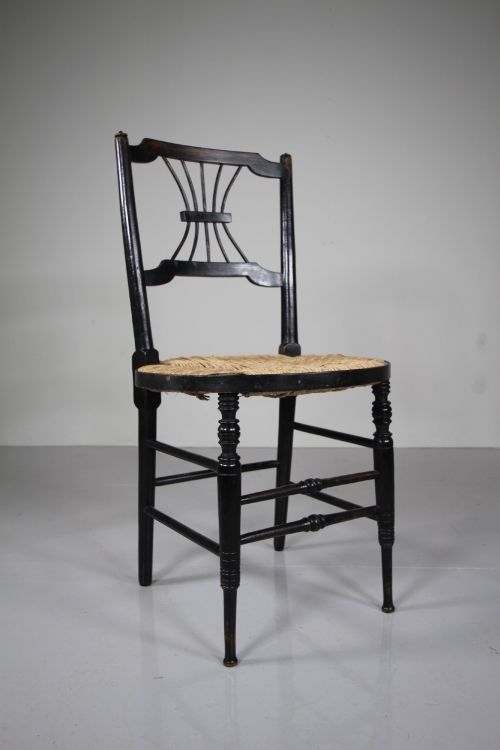
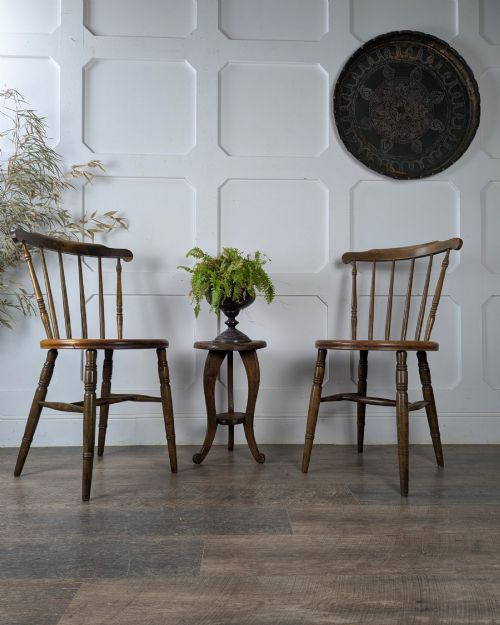
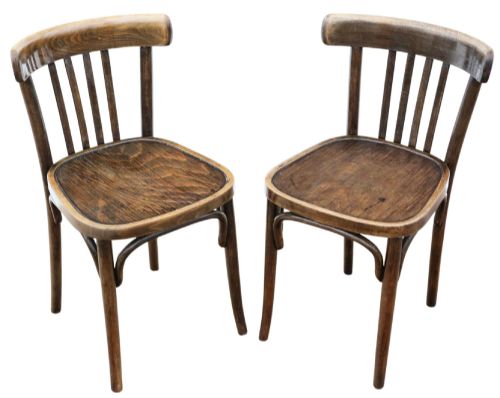
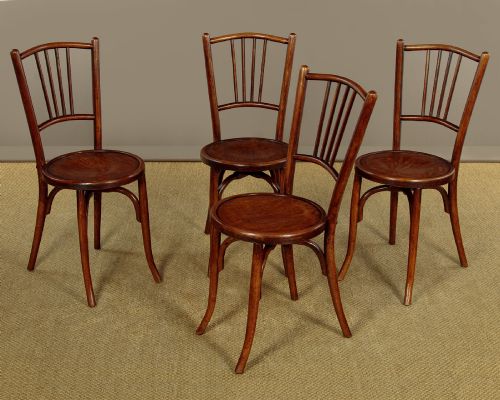
Makers utilised this resilient timber across the nineteenth and early twentieth centuries, producing vernacular farmhouse seating alongside sleek bentwood bistro designs and Arts and Crafts spindle-backs.
Materials and construction methods
Turned components, steam-bent frames and mortise-and-tenon joints define the structural integrity of these wooden chairs and stools.
Beech provides a dense, fine-grained substrate that accepts steam-bending readily, while contrasting timbers such as elm supply stable, hard-wearing seating planks.
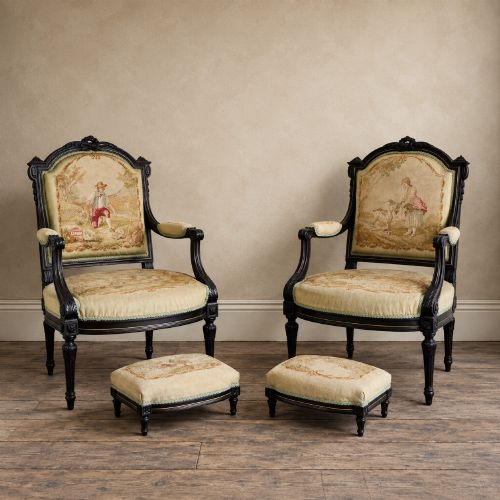
Surface finishes vary from natural waxed grain and stained timber to ebonised coatings and painted applications.
A smoker's bow provides an immediate invitation to sit down with a heavy pipe and a tall glass.
Evaluating craftsmanship and condition
Structural rigidity dictates value, separating sound, tightly jointed frames from examples weakened by loose stretchers or excessive dryness in the wood.
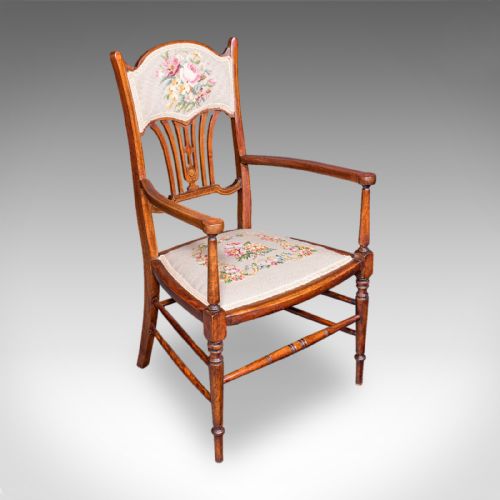
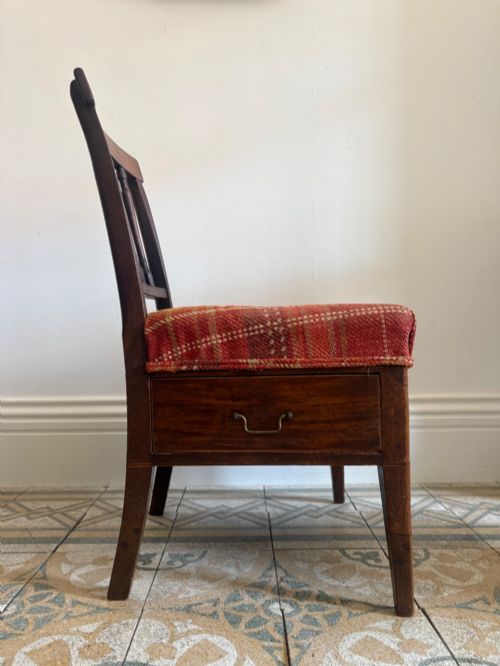
The integrity of original woven rush, cane or hand-stitched upholstery heavily influences authenticity and daily utility.
Refined turning details, balanced proportions and maker attributions elevate certain regional farmhouse and studio pieces above standard commercial utility items.
Thonet·Rossetti·Codina
The Antique Beech Seat Glossary
- Windsor chair
- A wooden seating form featuring a solid carved saddle seat into which separate legs and a spindle-back are wedged. These sturdy items became staples of British country houses and farmhouses.
- Bentwood
- A technique involving steaming timber until pliable and clamping it into curved forms. This process creates lightweight, graceful cafe and bistro furniture.
- Rush seat
- A seating surface woven from dried marsh grasses. This traditional method yields a textured, resilient matting found frequently on vernacular ladder-back and Arts and Crafts chairs.
- Smoker's bow
- A low-backed Windsor armchair featuring a continuous curved arm rail terminating in scrolled grips. These comfortable seats often served in domestic smoking rooms and offices.
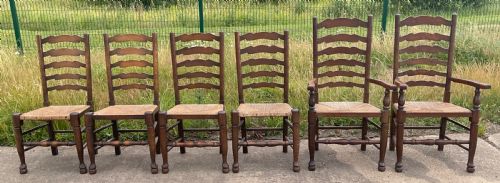
- Ladder-back
- A chair design incorporating horizontal arched slats between the rear upright posts. This traditional vernacular pattern dates back centuries in British cabinetmaking.
Antique Beech Seat: Frequently Asked Questions
How do I identify a Windsor chair?
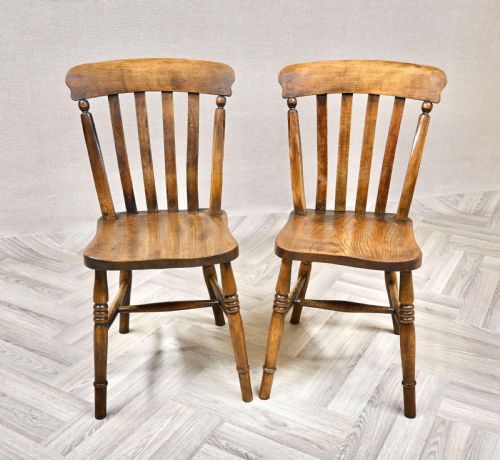
A Windsor chair is characterised by a thick wooden seat plank into which the legs and back spindles are inserted directly, lacking a traditional box frame.
Most examples combine beech frames with elm seats, displaying regional variations in the shape of the lath back or comb piece.
Where were bentwood chairs made?
Bentwood seating originated in central Europe through mass production techniques perfected during the nineteenth century. Makers exported these lightweight chairs globally for use in cafes and domestic dining rooms.
They rely on steam-heated beech rods bent into continuous loops for the backrest and arm assemblies.
Can I use an antique stool daily?
Most wooden stools and chairs from the nineteenth and early twentieth centuries were engineered for rigorous daily domestic service. Checking the stability of the leg joints ensures safe modern use.
Periodic waxing helps preserve the dry timber against central heating in modern homes.
What is an Arts and Crafts chair?
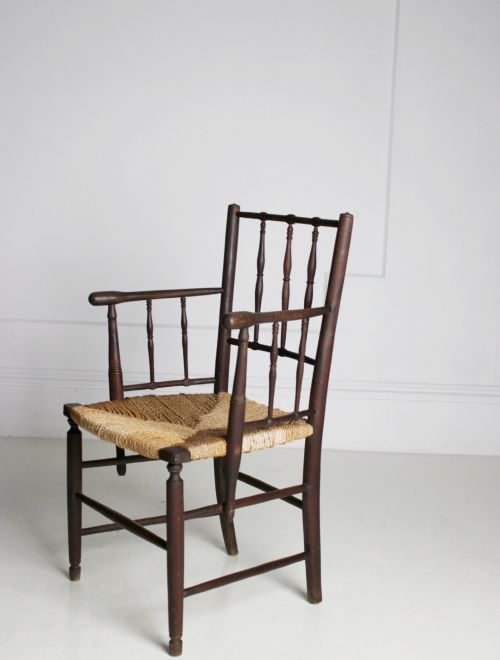
An Arts and Crafts chair emphasises honest construction, exposed joinery and hand-finished materials over industrial ornamentation. Makers often utilised stained beech and natural rush to highlight simple, functional aesthetics.
These designs frequently draw inspiration from vernacular Sussex patterns popularized by nineteenth-century workshops.