

Antique Bedside Lighting
Antique bedside lighting brings warmth and character to a room through table lamps and small cabinets formed in brass, wood, and porcelain.
Antique Bedside Lighting
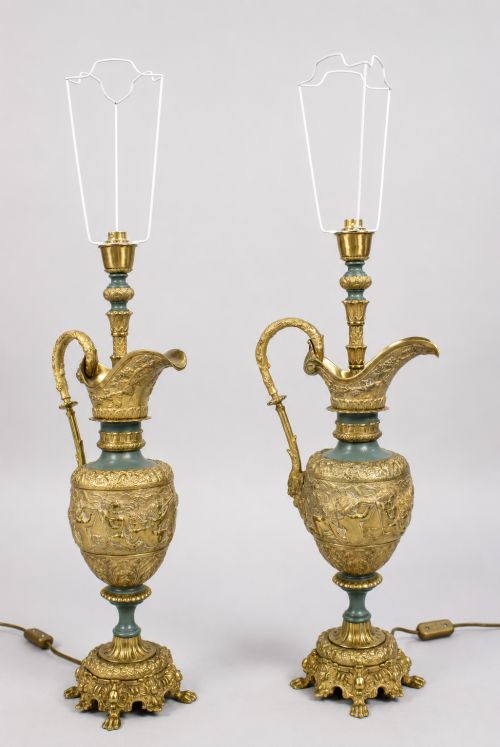
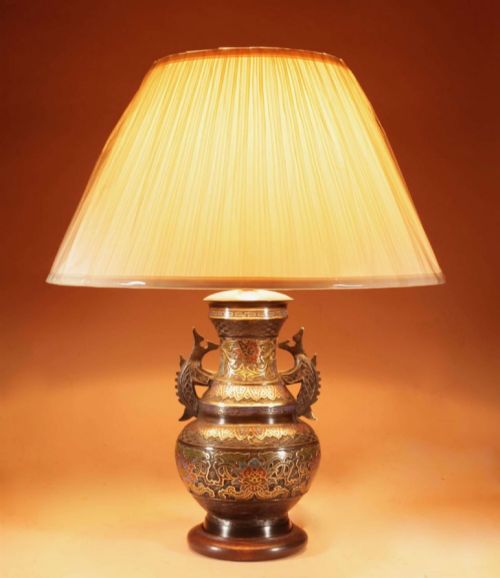
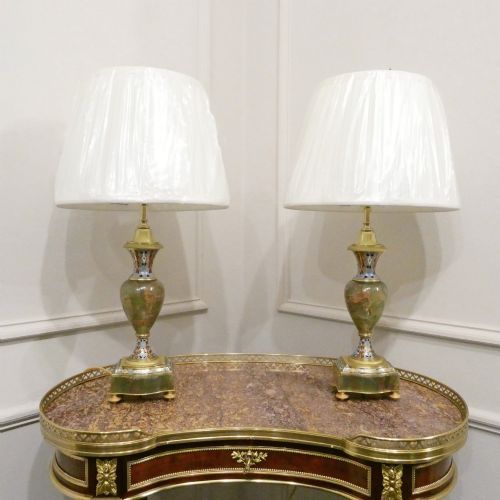
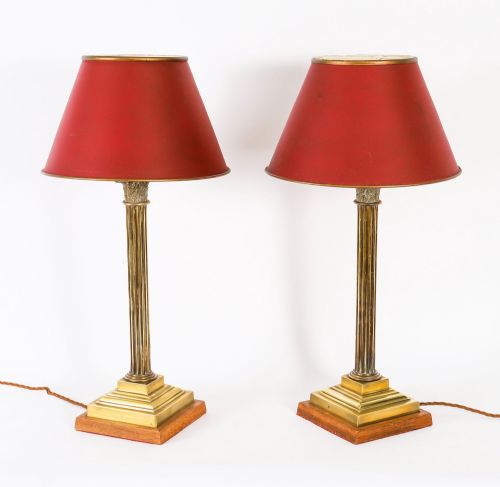
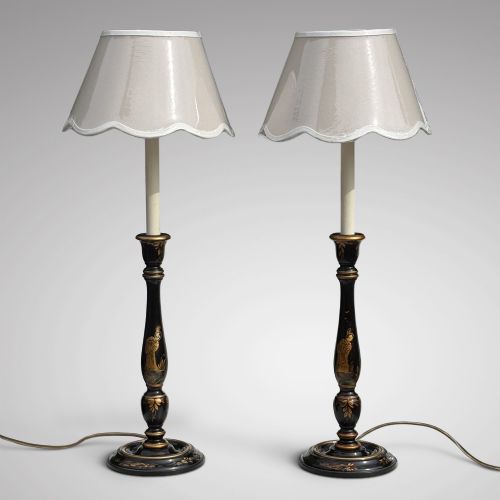
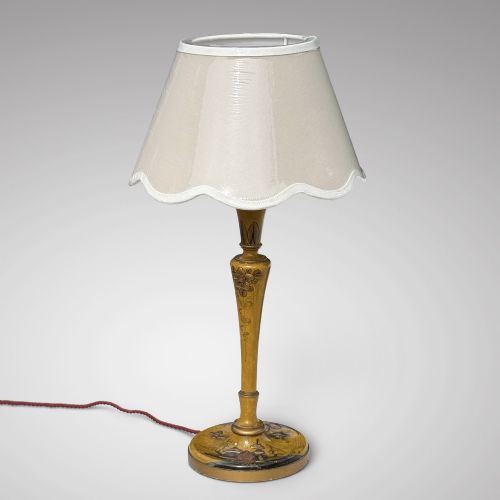
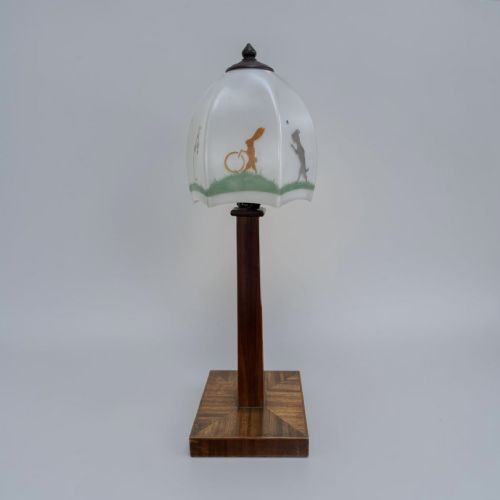
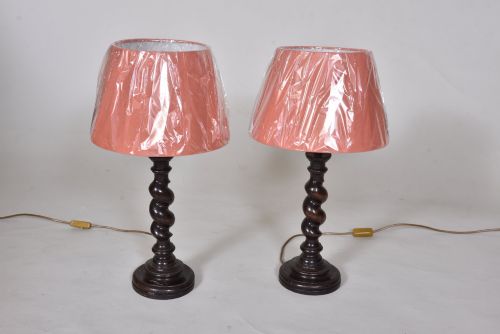
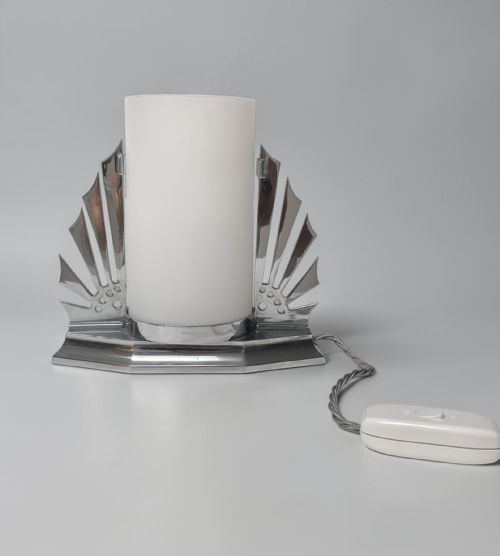
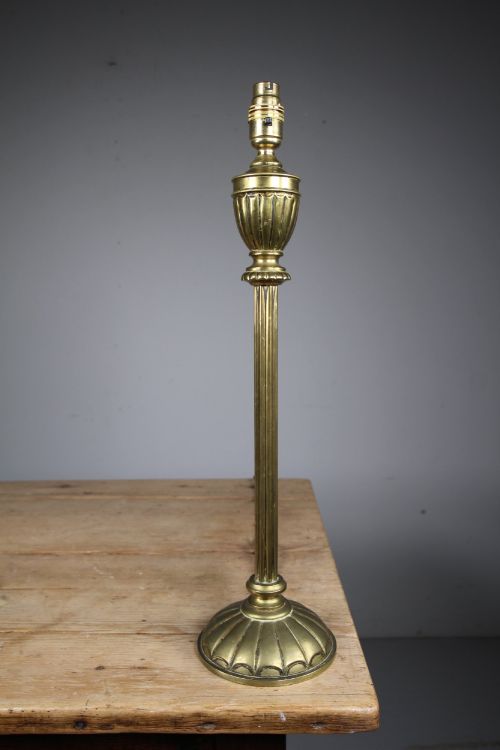
When searching for antique bedside lighting, buyers encounter a mix of table lamps, bedside cabinets, and small tables dating from the nineteenth century into the 1930s. The selection relies heavily on table lamps, ranging from brass Corinthian columns to porcelain and lacquered Chinoiserie forms.
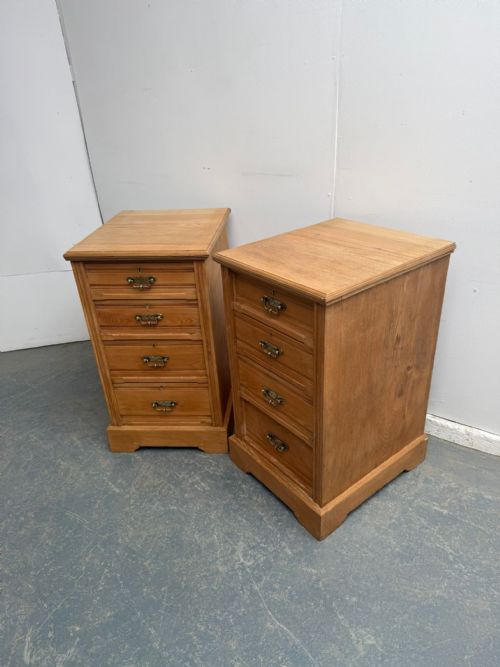
The periods represented span the Victorian and Edwardian eras, through the Art Deco years and the 1920s. Alongside lamps, occasional bedside tables in oak and ash provide the foundational surface for illumination.
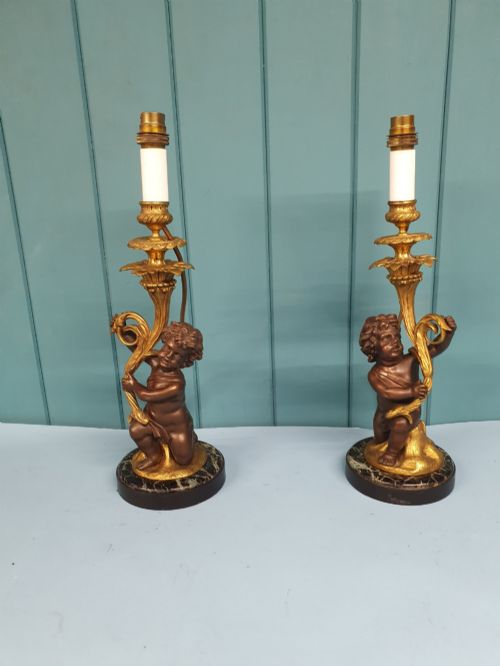
Origins vary from English brass work to French gilt bronze, Japanese Meiji bronzes, and Italian glass. Pairs appear frequently, making symmetrical placement straightforward.
How they were made
Construction relies on metals such as brass, bronze, silver plating, and copper combined with structural timber like oak, mahogany, and ash. Turning, casting, and hand-carving shape the heavy metal components and wooden lamp bases or cabinets.
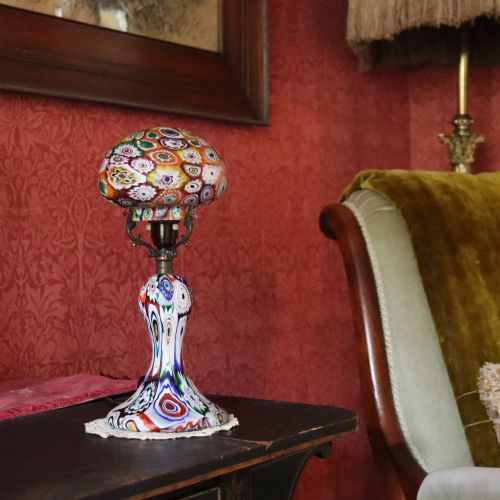
Decorative surfaces utilise hand-painting, lacquer, gilding, porcelain pate sur pate, and intricate inlay or mother of pearl. Glass elements incorporate cut crystal, opaline shades, and millefiori techniques.
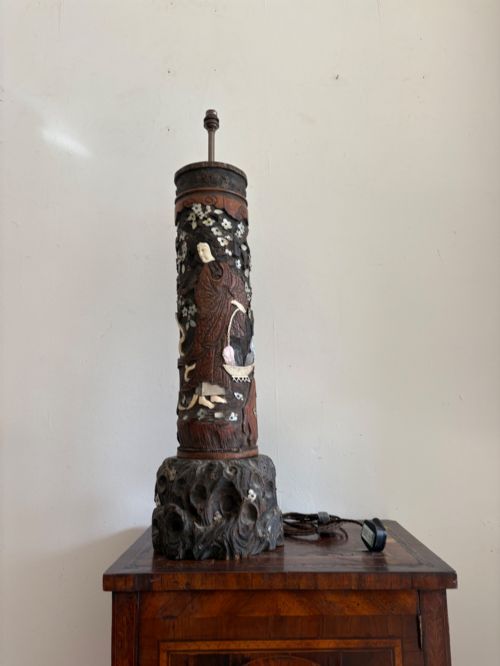
Many lamp conversions adapt earlier candlesticks, vases, or brush pots into functional lighting fixtures while retaining their original material integrity.
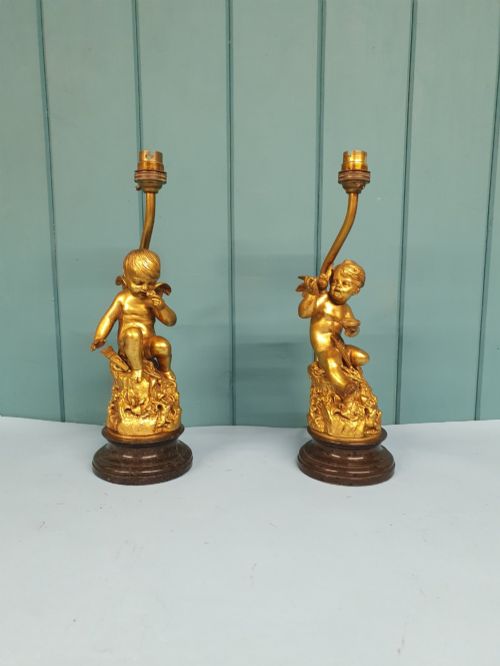
Several stubborn cherubs hold aloft electrical wiring across the 1920s brass lamp selections.
What varies in quality
The standard of antique bedside lighting depends upon the crispness of casting in brass and bronze elements, alongside the depth of carving in wood and giltwood. Superior pieces maintain fine detail in relief ornamentation and figurative motifs.
Materials dictate the upper tier of the range, particularly heavy cast brass, genuine porcelain bodies, and specialised glass treatments like Murano work. Original surfaces, such as undisturbed lacquer and patinated silver plating, distinguish finer examples.
The integrity of matching pairs elevates the overall status of the items, whereas single lamps rely entirely on individual sculptural presence and proportion.
Fratelli Toso·E Rousseau
The Antique Bedside Lighting Glossary
- Chinoiserie
- European decorative style imitating Chinese artistic traditions, visible here in lacquered lamp bases. Artisans applied painted motifs depicting landscapes and figures.
- Pate sur pate
- A ceramic decorating technique where relief designs are built up in successive layers of liquid white clay on a coloured porcelain body. This process creates a cameo-like effect.
- Opaline glass
- A pale, translucent glass popular in nineteenth-century and Art Deco lighting shades. It diffuses light softly across bedside tables.
- Meiji period
- The era of Japanese history spanning from 1868 to 1912, known for exceptional bronze casting and intricate decorative metalwork found in exported lamps and vessels.
Antique Bedside Lighting: Frequently Asked Questions
How do I choose between a lamp and a bedside cabinet?
Selecting between a lamp and a cabinet depends upon whether the room requires a light source or a practical surface next to the bed. Many collectors combine a small wooden cabinet with a complementary table lamp.
Matching table lamps in pairs provide balanced illumination, whereas individual cabinets offer enclosed storage or shelf space for nighttime essentials.
Are these lamps wired for modern use?
Many antique lamps undergo rewiring to meet contemporary electrical standards while preserving the original metal or wooden base. This ensures safe operation on modern bedside tables.
Buyers should inspect the cord and plug style to confirm compatibility with current household sockets.
What periods do these pieces represent?
The lighting and furniture span from the nineteenth century through the Edwardian era, the 1920s, and Art Deco designs of the 1930s. Victorian brass candlesticks and Edwardian column lamps form a large portion of the metalwork.
Earlier conversions, such as eighteenth-century sphinx figures turned into lamps, also appear alongside Japanese Meiji period bronzes.
How do I care for lacquered or gilt lamps?
Maintaining lacquered and gilt finishes requires gentle dusting with a soft, dry cloth rather than chemical cleaners. Avoiding moisture prevents damage to delicate painted surfaces and gold leaf.
Wood components benefit from occasional waxing appropriate to antique furniture finishes.