

Antique Bedroom Washstand
An antique bedroom washstand brings period utility to a room, offering stone slabs, timber framing, and porcelain fittings designed for morning ablutions.
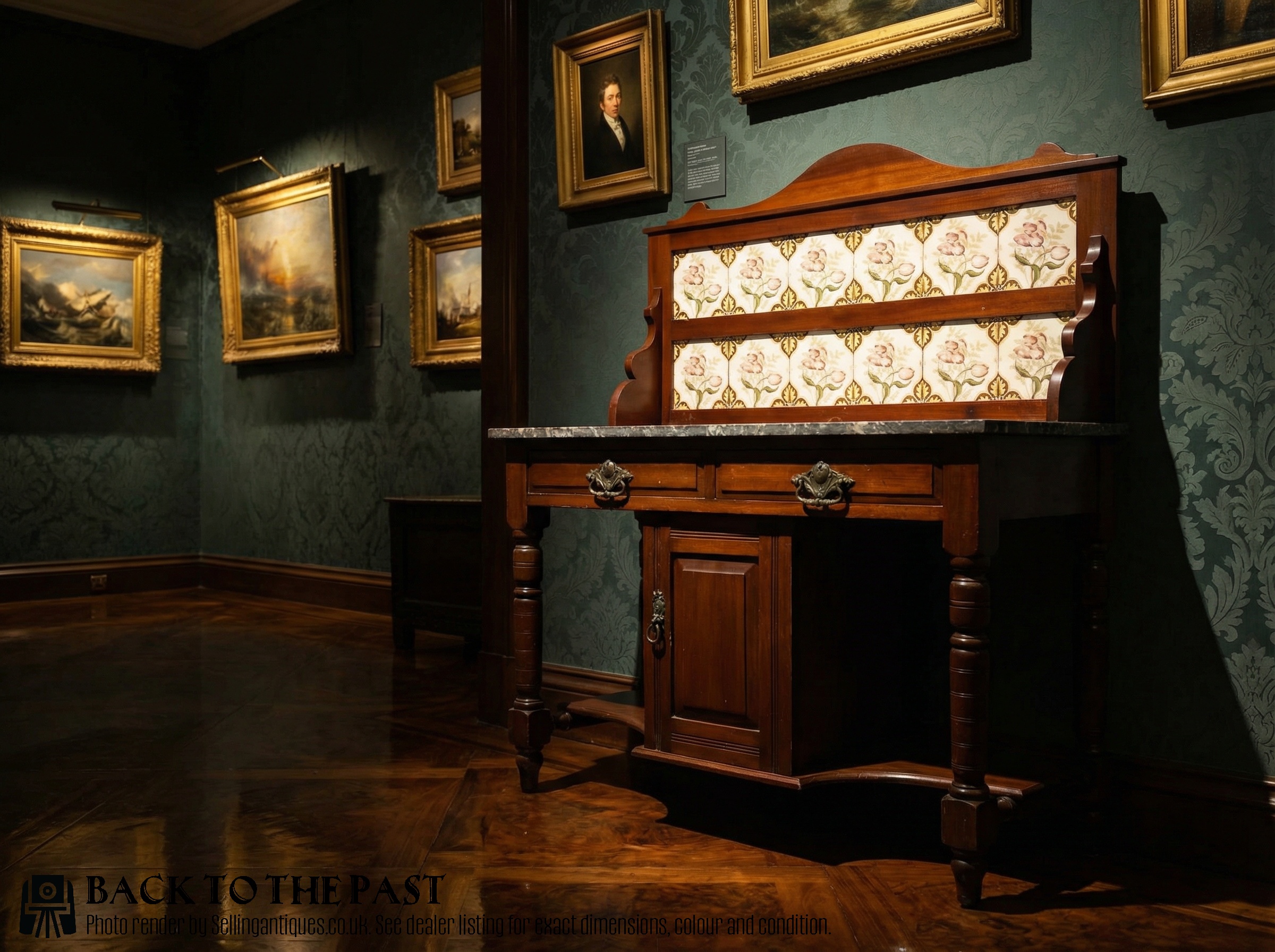
Antique Bedroom Washstand
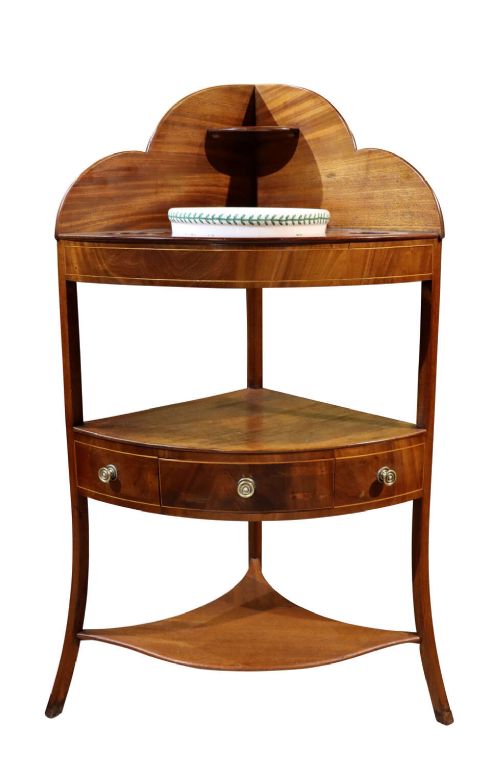
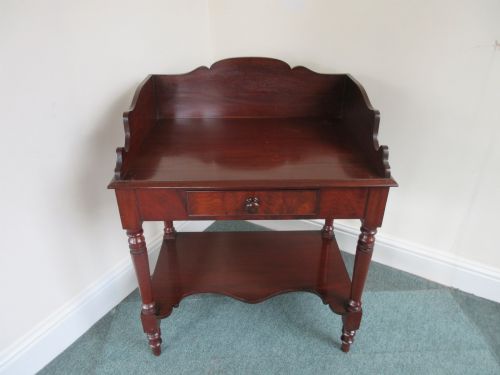
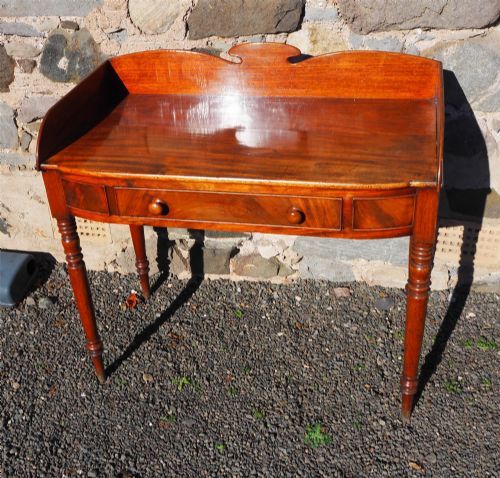
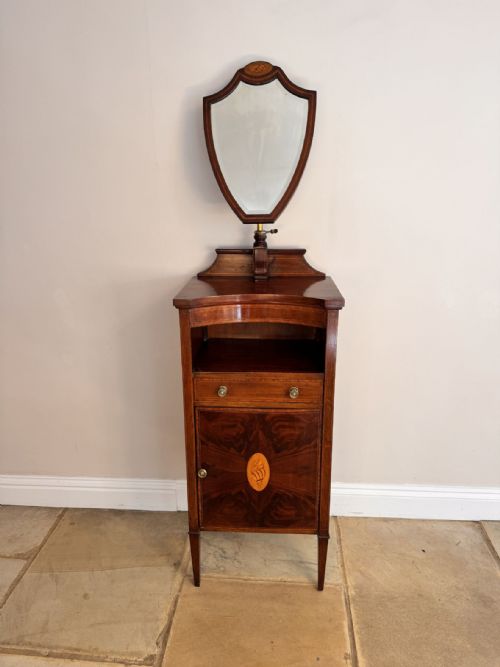
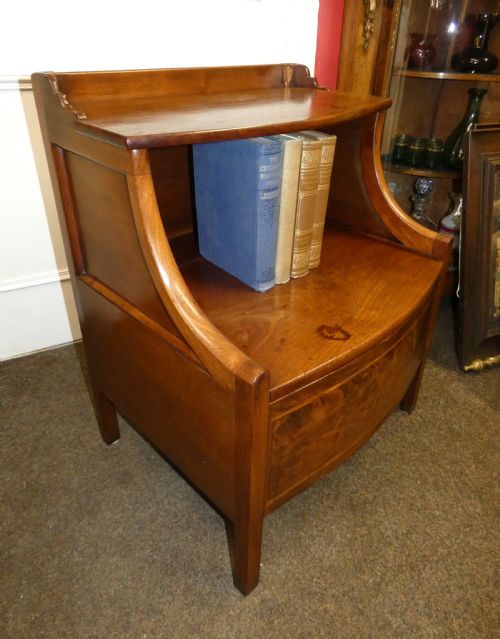
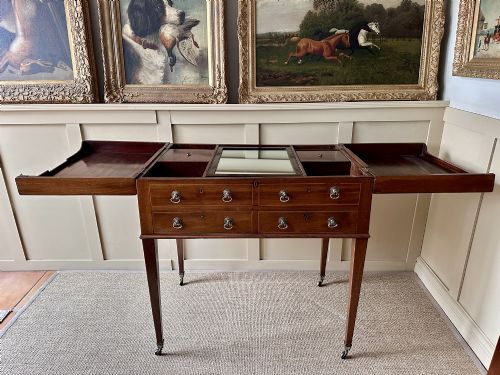
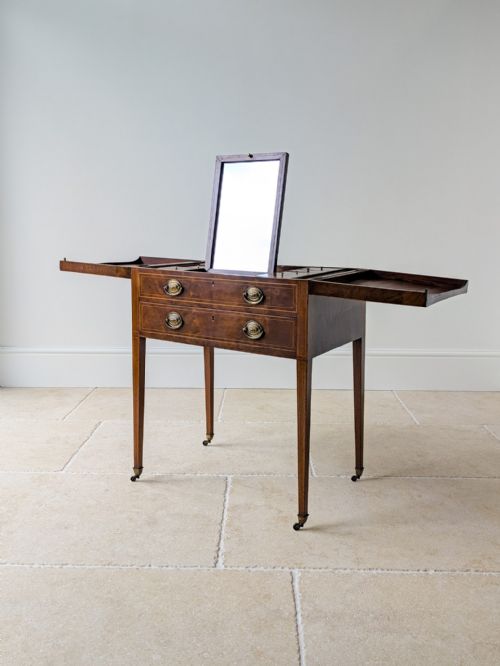
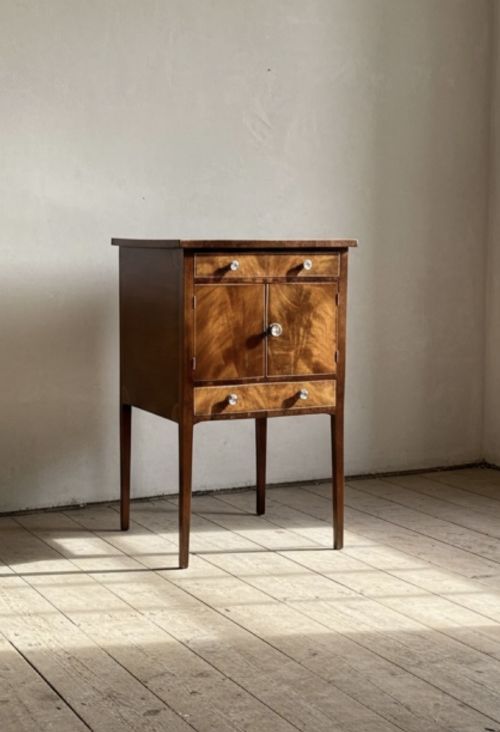
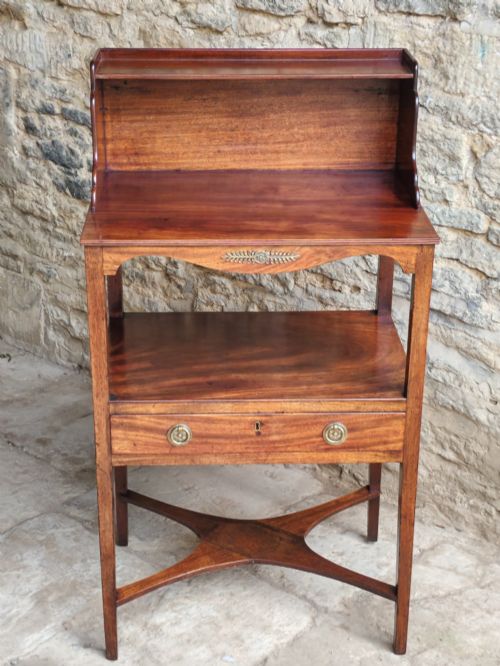
An antique bedroom washstand provides a dedicated space for personal washing before plumbed bathrooms became standard in homes. These pieces emerge from the Georgian, Victorian, and Edwardian eras in various timber formats.
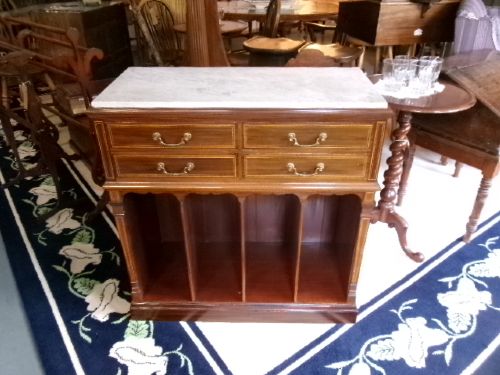
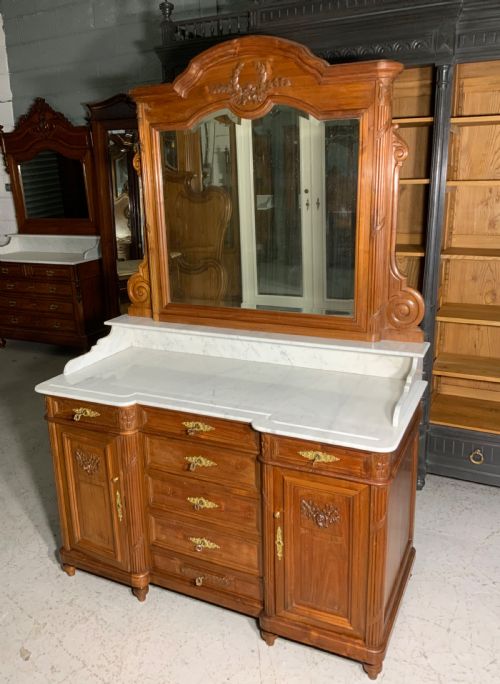
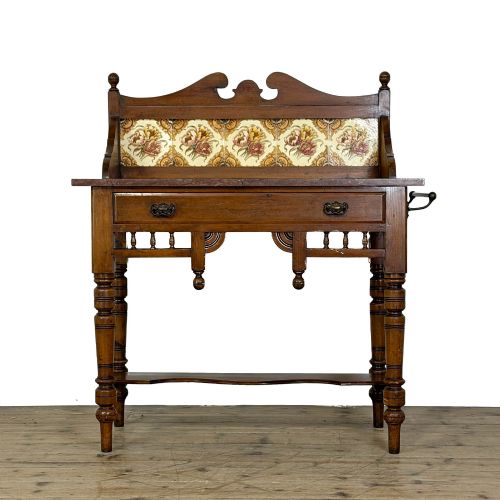
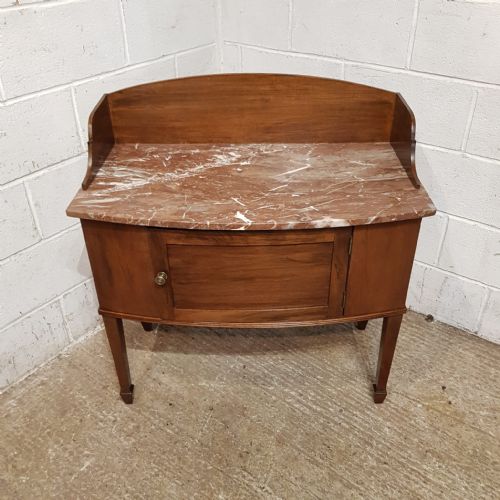
The most common examples on this page are sturdy mahogany or pine constructions, often fitted with marble tops and tiled splashbacks designed to protect walls from water splashes.
Materials and construction methods
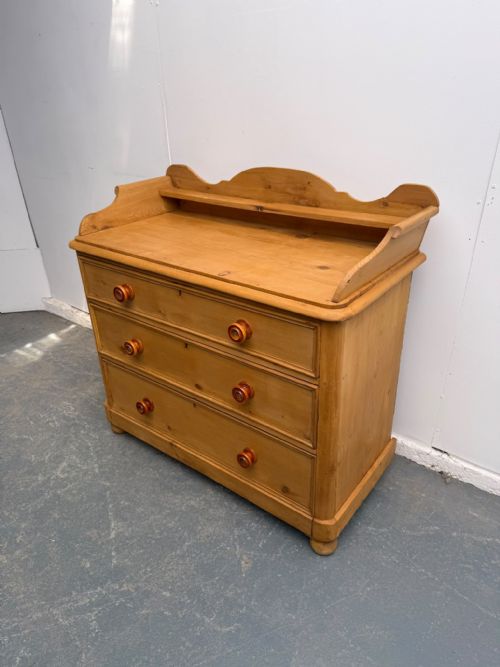
Cabinet makers built these pieces using solid timbers like mahogany, oak, and pine, occasionally applying satinwood veneers or ebonised finishes for decorative effect. Structural stability was paramount to support heavy stone components.
Marble and ceramic feature heavily in the surviving examples, providing water-resistant surfaces for basins, jugs, and soap dishes alongside brass fixtures and hardware.
Antique Bedroom Washstand Retail Price Guide 2026
Typical asking prices for bedroom washstand among the pieces listed under this phrase on Sellingantiques today, from the lower quarter to the upper quarter. They describe what is for sale here now, not the wider market.
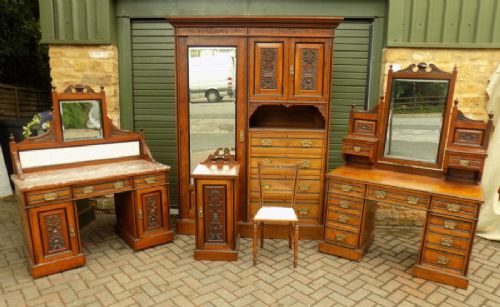
Surviving bedroom suites in the records frequently pair a washstand with a matching wardrobe and dressing table.
Judging the range of quality
Quality shows in the choice of timber and the integration of fitted stone, where fine mahogany frames and thick slab marble separate utilitarian pieces from grander bedroom furniture. Detail work in inlay or carved elements further distinguishes individual pieces.
The presence of matching ceramic basins and jugs or intact tile backs adds to the completeness of a washstand, reflecting the original ambition of the commission.
harrods·Doulton Burslem
The Antique Bedroom Washstand Glossary
- Washstand
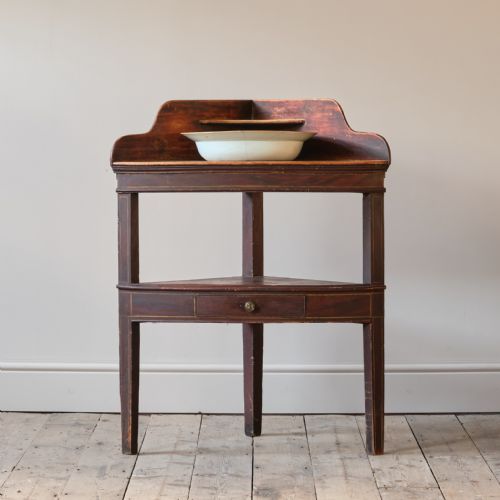
- A piece of furniture designed to hold a basin and jug for washing. They typically feature raised backs to protect walls.
- Marble top
- A polished stone slab fitted to the upper surface of a washstand. This provided a durable and waterproof area for daily ablutions.
- Splashback
- A vertical panel rising behind the washstand surface. It often incorporates ceramic tiles or matching timber to catch water drops.
- Pot cupboard
- A small enclosed cabinet integrated into the washstand base. This compartment originally housed a chamber pot.
- Gallery
- A raised wooden or brass rail running along the edges of a tabletop. It kept toiletries and pitchers secure during use.
Antique Bedroom Washstand: Frequently Asked Questions
What is an antique bedroom washstand?
An antique bedroom washstand is a piece of wooden furniture created before modern plumbing to hold washing basins and jugs.
They appear in Georgian, Victorian, and Edwardian styles, frequently incorporating marble tops and tiled splashbacks.
How were washstands used originally?
These items served as the centrepiece for morning hygiene routines in bedrooms before dedicated bathrooms existed.
Water was poured from a ceramic jug into a matching basin, while integrated cupboards and drawers stored personal items and chamber pots.
How do I date a washstand?
Dating relies on observing the timber species, construction techniques, and stylistic details typical of specific periods.
Georgian versions tend to feature lighter mahogany frames, whereas Victorian and Edwardian examples frequently introduce heavy marble tops and tiled backs.
Can I use a washstand today?
Many people repurpose these sturdy wooden cabinets as hallway consoles, bathroom vanities, or plant stands.
The durable stone surfaces make them practical for contemporary living spaces while retaining historical character.