

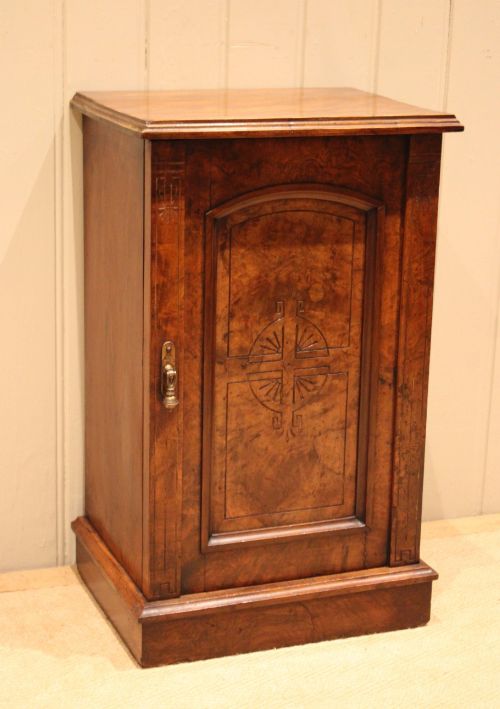
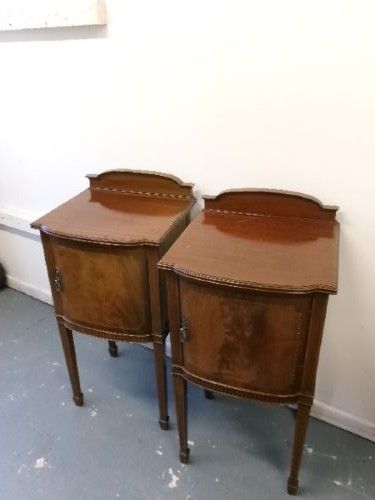
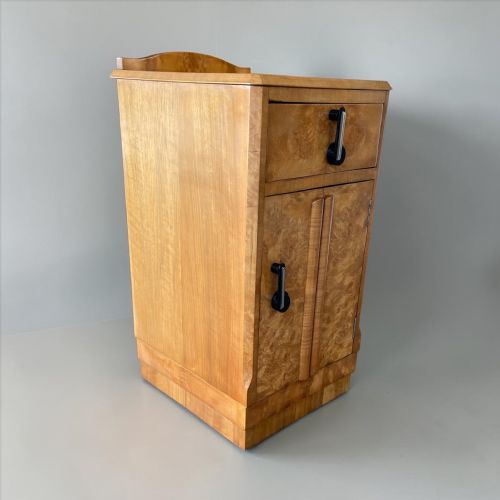
Antique Bedroom Pedestals
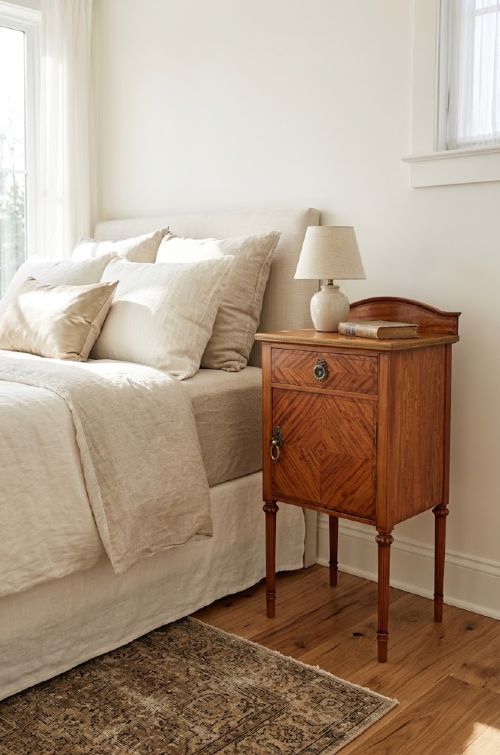
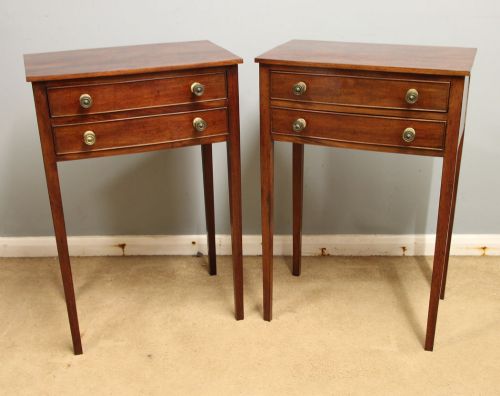
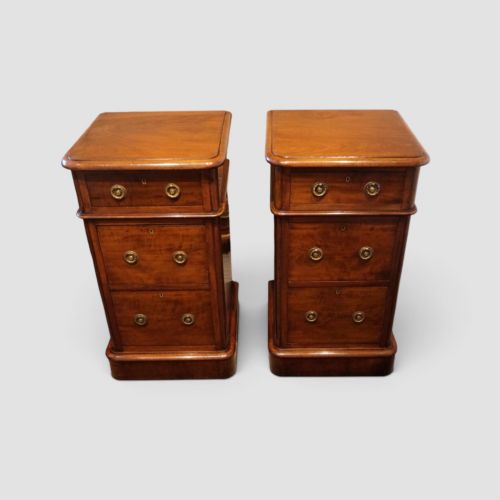
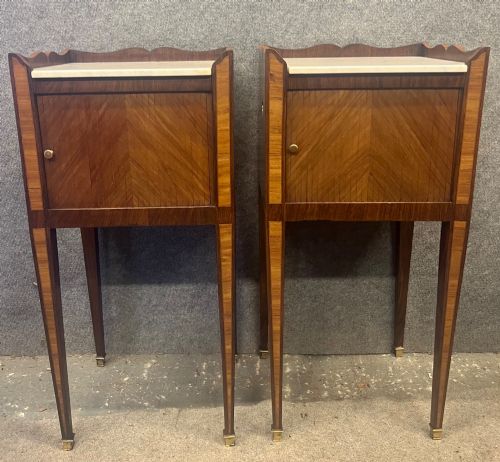
Antique bedroom pedestals bring practical bedside storage and period character to a room, spanning Victorian mahogany cupboards and Art Deco walnut cabinets.
Antique Bedroom Pedestals
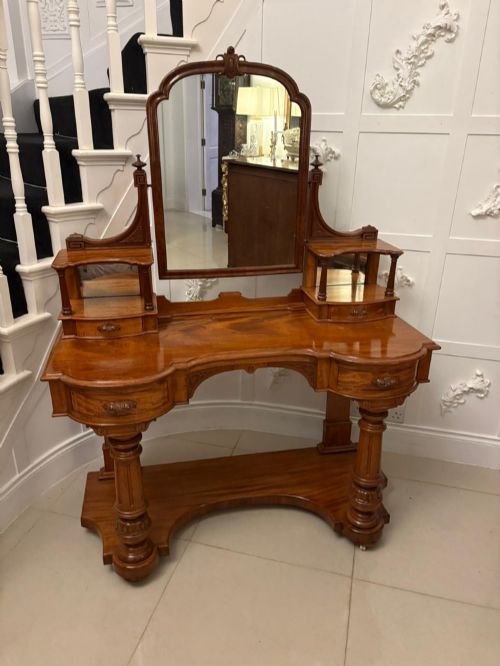
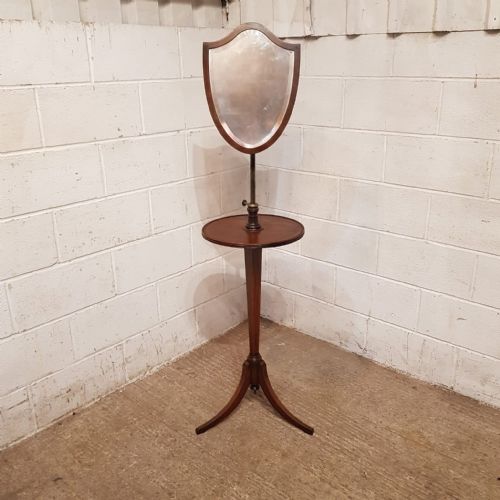
When you search for antique bedroom pedestals, you find an assortment of small bedside cabinets, nightstands, and pot cupboards designed to sit beside a bed. The selection includes occasional lamp tables and shaving stands alongside larger dressing tables and wardrobes.
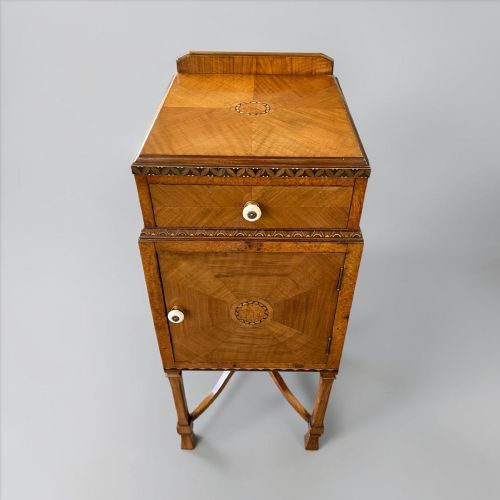
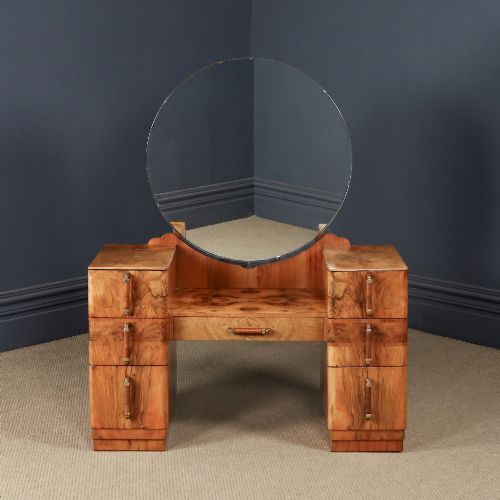
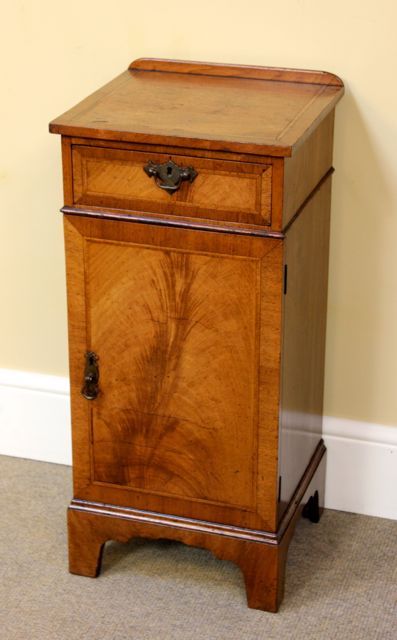
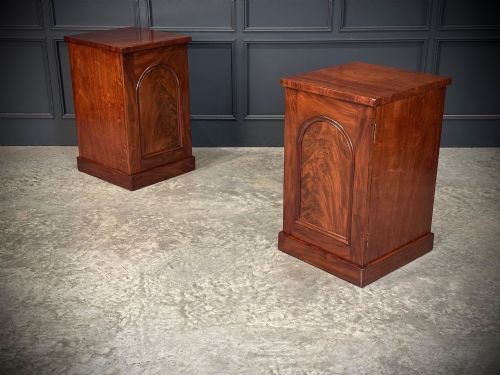
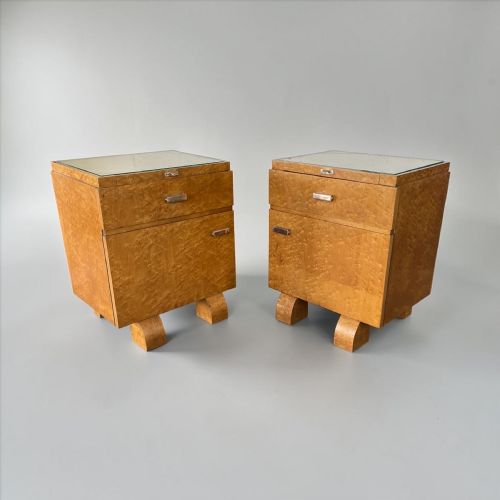
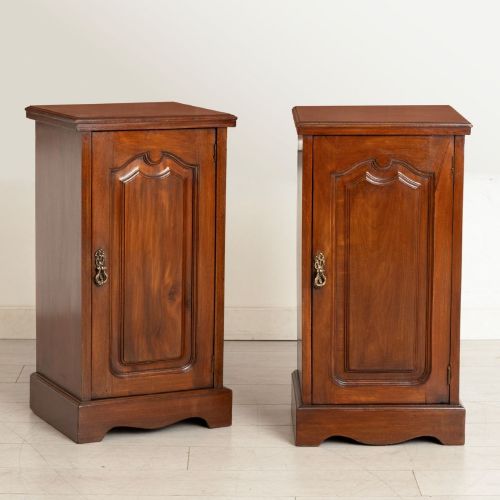
Victorian and Edwardian examples appear frequently in mahogany and walnut, often housing a single door or small drawers. Art Deco pieces from the nineteen thirties bring geometric forms in burr walnut and satinwood to the bedroom.
Most items originate from the nineteenth and early twentieth centuries, reflecting the shifting domestic habits and bedroom arrangements of those periods.
Materials and construction
Cabinet makers relied heavily on solid hardwoods like mahogany and oak for structural integrity, applying figured veneers such as burr walnut and satinwood to visible surfaces for visual depth.
Joinery techniques included traditional drawer construction and careful inlay work, while decorative elements featured carved details, brass hardware, and occasional glass components.
Listings span eight distinct decades, stretching from eighteen seventy to nineteen thirty across Victorian, Edwardian, and Art Deco styles.
Factors determining quality
The choice of timber underpins the quality of a pedestal, with matched flame mahogany and figured burr walnut commanding attention over plain secondary woods.
The precision of the cabinet work, from the snug fit of doors to the movement of drawers, separates standard utility furniture from finer workshop output.
Walter Carter Harrods·Shapland & Petter·Heal & Sons Heals
The Antique Bedroom Pedestals Glossary
- Nightstand
- A small low table or cabinet placed beside a bed for holding lamps or nighttime essentials. These items match the height of standard period mattresses.
- Pot cupboard
- A small Victorian bedside cabinet originally designed to enclose a chamber pot. They typically feature a single door above or beside a compact interior compartment.
- Burr walnut
- Timber taken from the gnarled growths of a walnut tree, producing swirling patterns of grain. Cabinet makers sliced this wood into thin veneers for decorative fronts.
- Satinwood
- A pale, hard wood with a natural sheen that yields a reflective, golden surface. It saw frequent use during the Edwardian period and Sheraton Revival.
- Inlay
- A technique where pieces of contrasting wood or brass are fitted into the primary surface to form decorative patterns. Edwardian cabinets often display delicate line inlay.
Antique Bedroom Pedestals: Frequently Asked Questions
What is an antique bedside cabinet?
An antique bedside cabinet is a small enclosed piece of furniture designed to hold personal items next to a bed. They provide concealed storage behind a door or within small drawers.
These pieces date across the nineteenth and twentieth centuries, matching the prevailing aesthetic of their respective decades.
How do I identify Victorian pedestals?
Victorian pedestals generally rely on solid mahogany or walnut timbers, featuring heavier proportions and carved ornamentation. They frequently take the form of pot cupboards or small chests.
Later Victorian examples introduce lighter woods and simpler lines leading into the Edwardian era.
What defines Art Deco bedside tables?
Art Deco bedside tables from the nineteen thirties favour streamlined geometric shapes and rich veneers like burr walnut and satinwood. They often present clean surfaces with minimal carving.
Pairs from this era match the symmetrical bedroom layouts popular during the period.
Were these pieces sold as pairs?
Many bedside cabinets and tables were manufactured as matched pairs to flank a double bed. Single pedestals also appear, often originating from smaller rooms or single beds.
Pairs maintain consistent timber grain and hardware styling across both units.