

Antique Bedroom Bed
An antique bedroom bed brings tangible history to a room, offering craftsmanship in walnut, mahogany, and brass that modern frames simply cannot match.
Antique Bedroom Bed
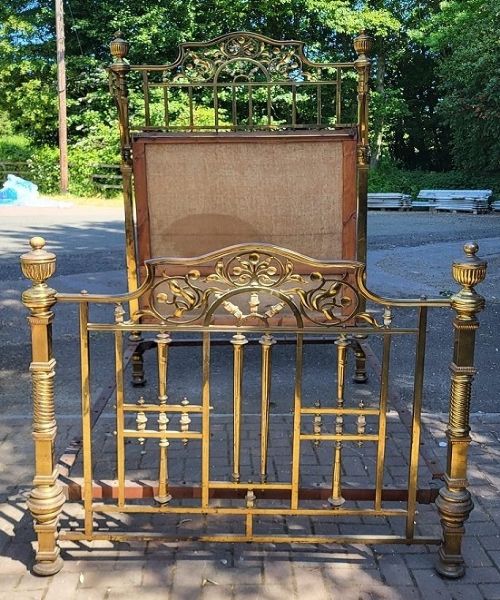
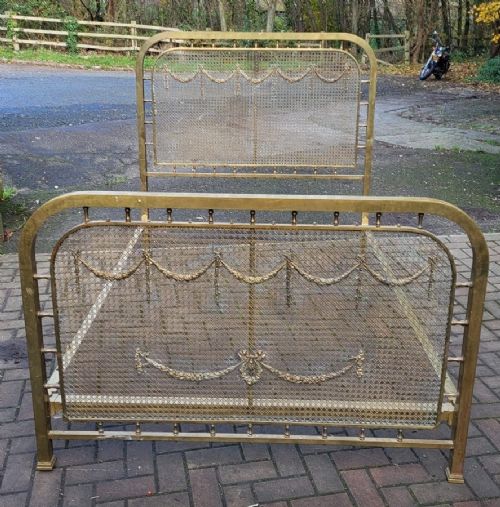
When you search for an antique bedroom bed, you encounter solid timber frames, brass bedsteads, and upholstered pieces spanning from the 19th century through to the Art Deco period of the 1930s.
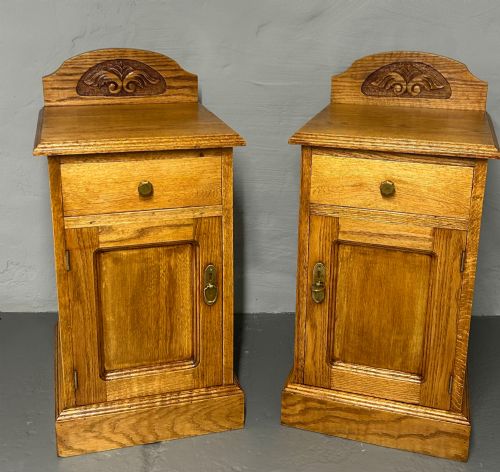
The selections available here range from single beds and twin pairs to large double, king, and super king sizes, often accompanied by matching bedside tables and cabinets.
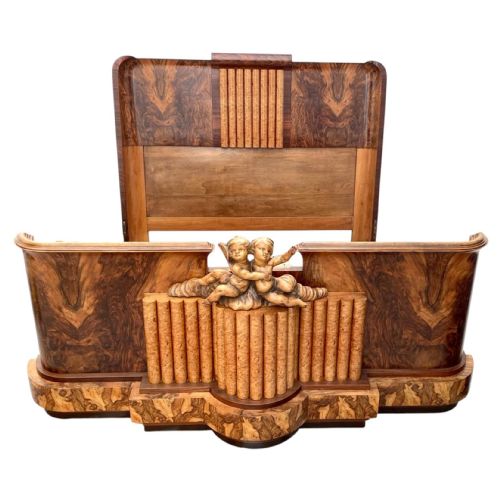
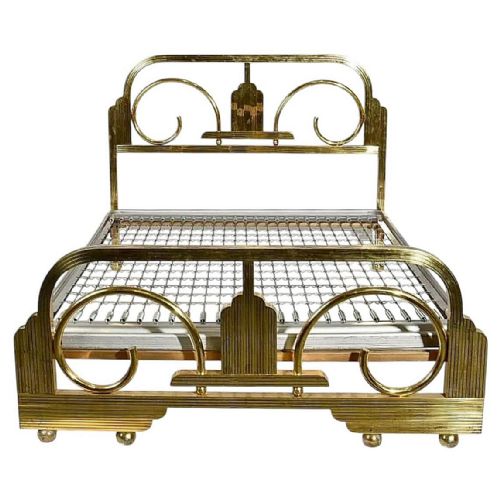
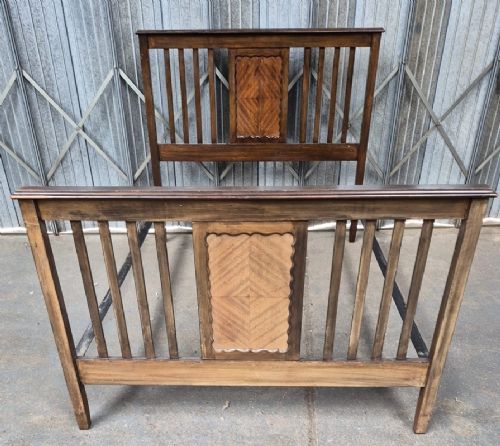
Victorian and Edwardian iterations dominate alongside dramatic 1930s burl walnut and skyscraper brass designs, reflecting changing domestic tastes over more than a century.
How they were made
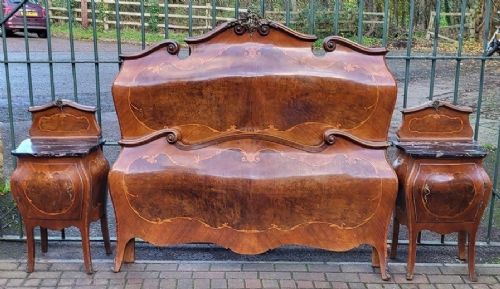
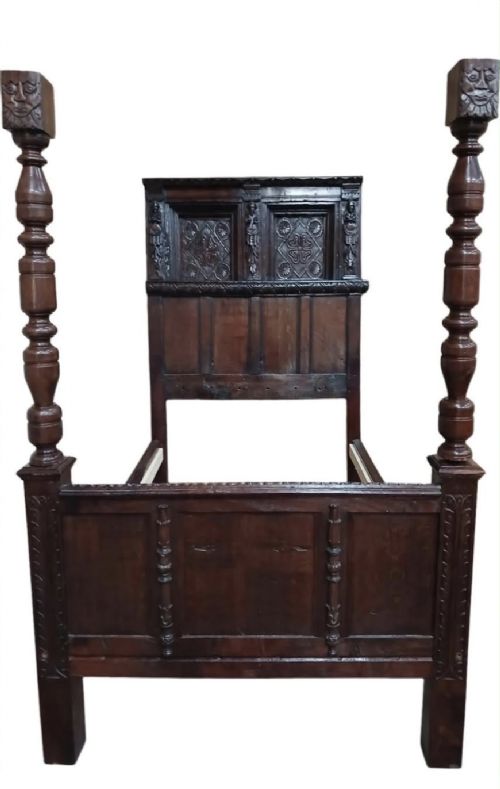
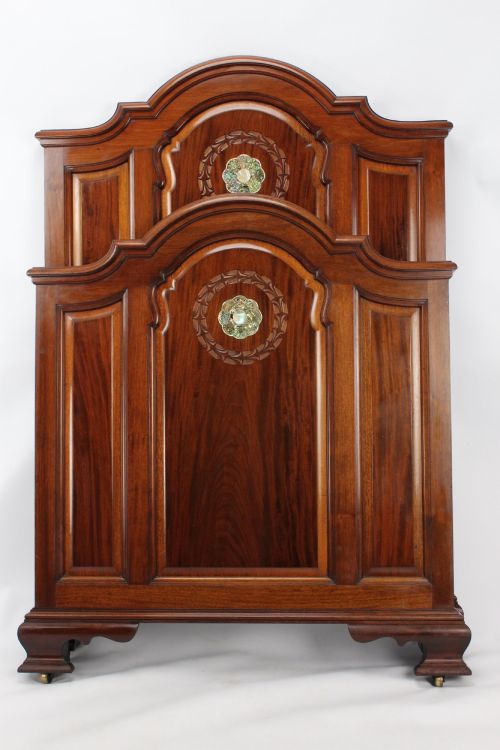
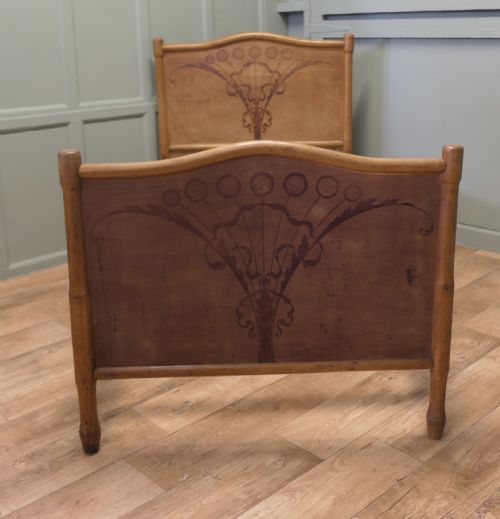
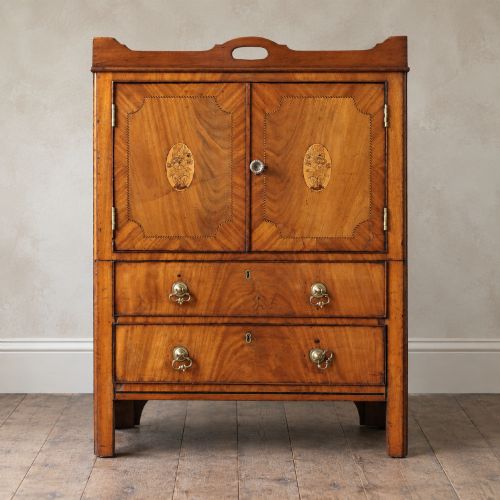
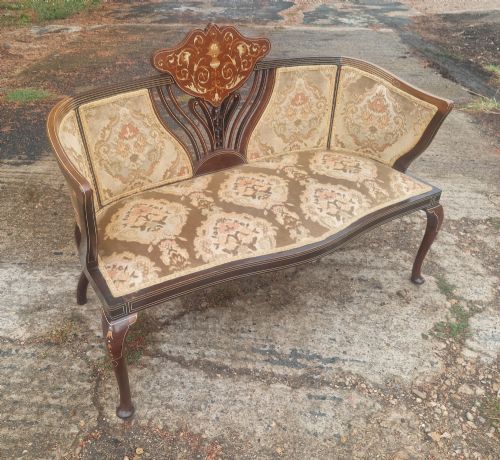
Cabinetmakers constructed these frames using dense timbers like mahogany, walnut, and satinwood, frequently embellishing surfaces with burr veneers, marquetry, and mother-of-pearl inlay.
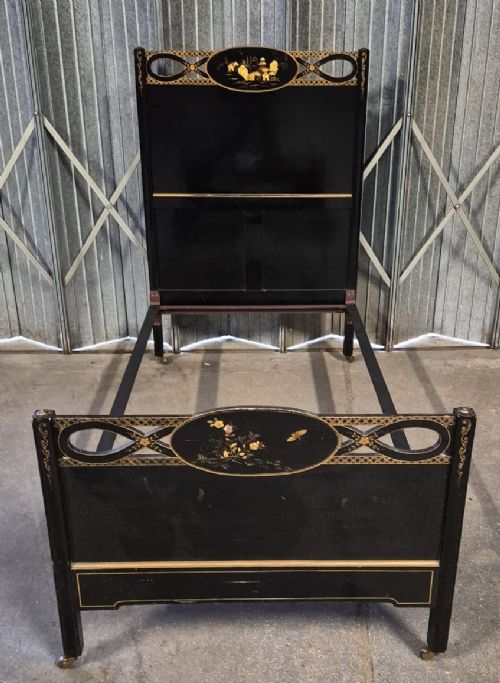
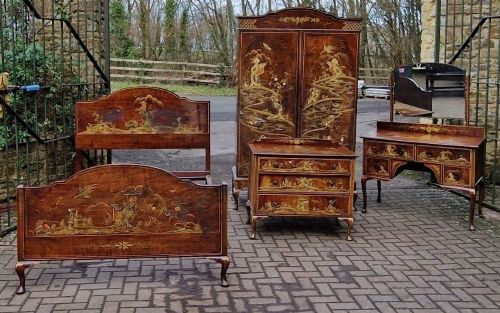
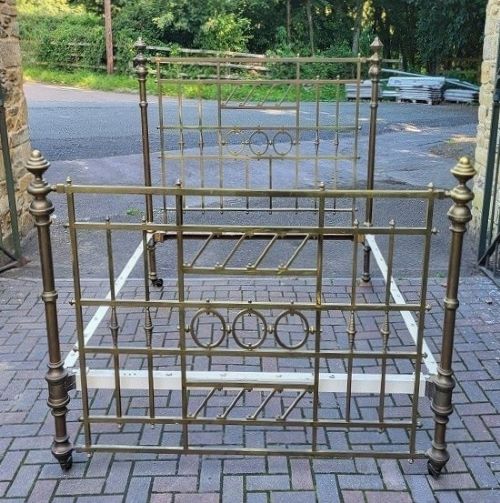
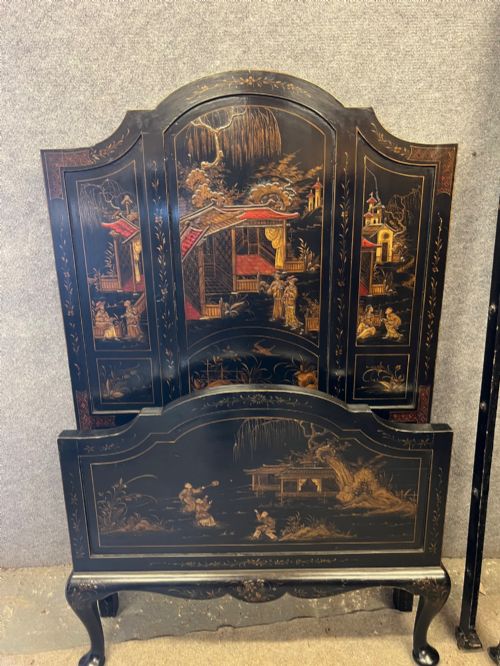
Metal bedsteads relied on heavy brass and iron casting, while specialised pieces incorporated carved oak, maple, and delicate hand-painted Chinoiserie decoration.
Joinery techniques prioritised structural stability to support sleeping loads, utilising sturdy rails and bolted joints alongside traditional dovetailing in associated drawer components.
Antique Bedroom Bed Retail Price Guide 2026
Typical asking prices for bedroom bed among the pieces listed under this phrase on Sellingantiques today, from the lower quarter to the upper quarter. They describe what is for sale here now, not the wider market.
Listings feature periods spanning from the 1880s through Edwardian and Victorian eras up to Art Deco designs of the 1930s.
What varies in quality
Distinction in these pieces rests upon the selection of timber veneers, where heavily figured burr walnut or matched satinwood elevate the visual presence of a frame.
The refinement of hand-carved details, intricate marquetry, and metal casting quality separate standard utility pieces from high-workshop production.
Proportion and architectural balance define the finer examples, ensuring that headboards and footboards resolve their decorative motifs with harmony.
Jason and Joseph Kohn·Maple and Co·Waring and Gillows
The Antique Bedroom Bed Glossary
- Bedstead
- The framework of a bed consisting of headboard, footboard, and side rails. It excludes the mattress and base.
- Marquetry
- Decorative veneer work formed by fitting together small pieces of wood, shell, or ivory into complex pictorial patterns. This technique surfaces on grander headboards and bedside cabinets.
- Tester bed
- A bed featuring a canopy supported by four corner posts, also known as a four-poster bed. These grand 19th-century forms require substantial ceiling clearance.
- Night commode
- An enclosed bedside cabinet designed originally to house a chamber pot. They frequently feature marble tops and cupboard storage.
Antique Bedroom Bed: Frequently Asked Questions
How do I fit a modern mattress?
Many older frames were built to non-standard British or European dimensions, so checking the internal width and length between the side rails is essential before purchasing.
Custom mattress makers can supply bespoke sizes to fit these historical dimensions snugly without altering the original antique frame.
Are wooden beds difficult to assemble?
Most antique wooden bed frames utilise traditional metal bolt-in side rail fixings that require a simple spanner rather than complex tools.
Having two people makes aligning the headboard and footboard straightforward during the assembly process.
How do I identify the period?
Stylistic clues such as geometric 1930s veneers, Edwardian satinwood inlay, or heavy Victorian mahogany mouldings point directly to their era of manufacture.
Examining the construction methods and secondary timbers on the inner framework provides further confirmation of the date.
Can I mix styles in the bedroom?
Pairing a distinct bed frame with complementary bedside cabinets from a similar wood tone creates a cohesive look without needing a complete matching suite.
Art Deco pieces sit surprisingly well against simpler Victorian furniture if the scale and timber grain share a visual dialogue.