

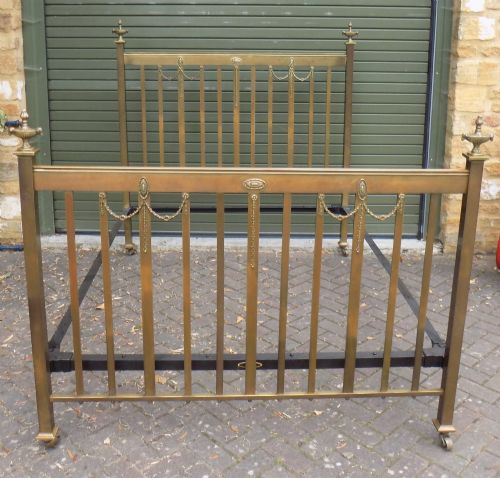
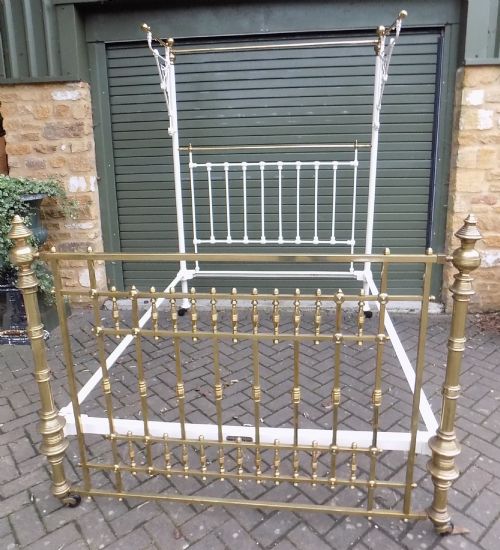
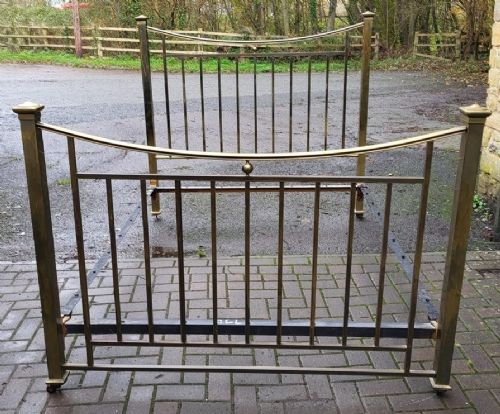
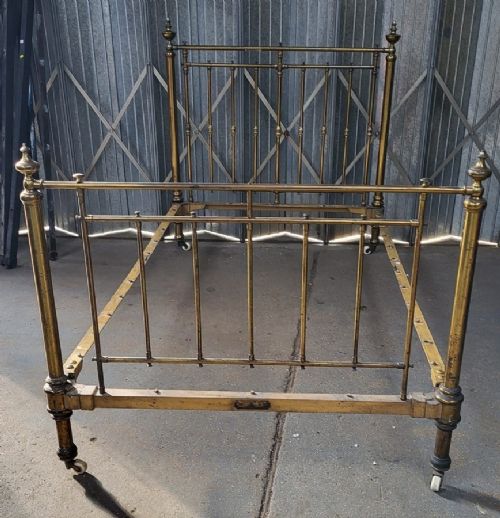
Antique Bed Frame Brass
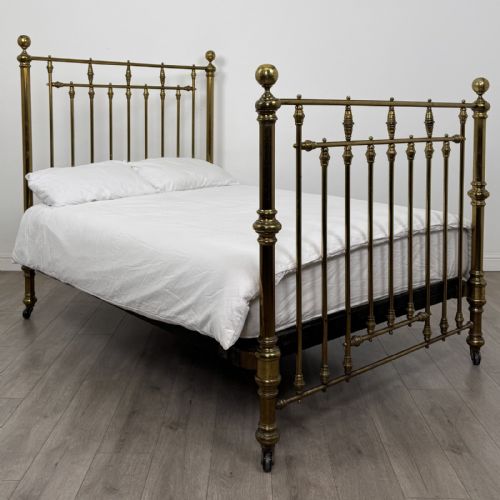
An antique bed frame brass brings solid metal construction and warmth to a bedroom through polished tubing and cast components.
Antique Bed Frame Brass
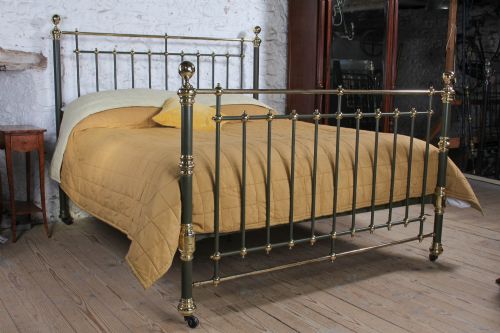
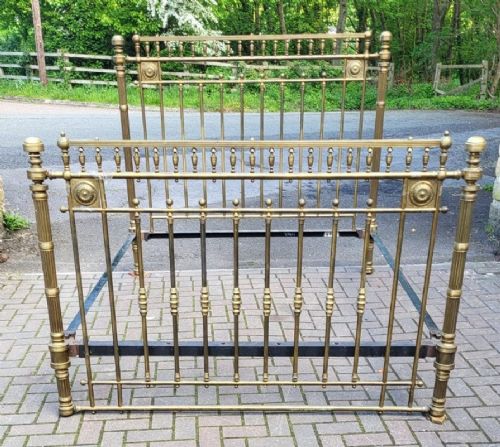
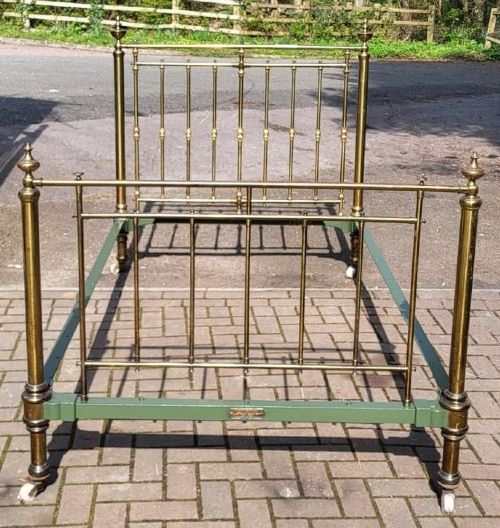
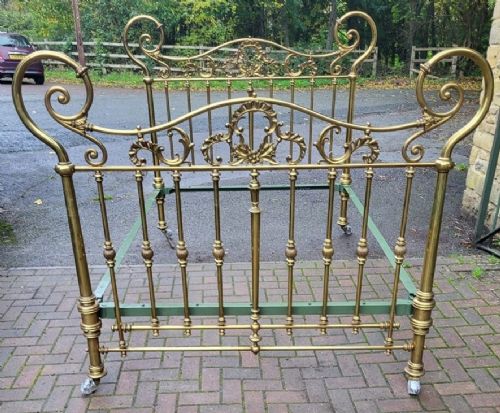
When you search for an antique bed frame brass, you encounter large structural bedsteads designed for domestic sleeping quarters across multiple nineteenth and early twentieth century periods. The examples on this page span Victorian, Edwardian, and Art Deco eras, originating from decades between eighteen-fifty and nineteen-thirty.
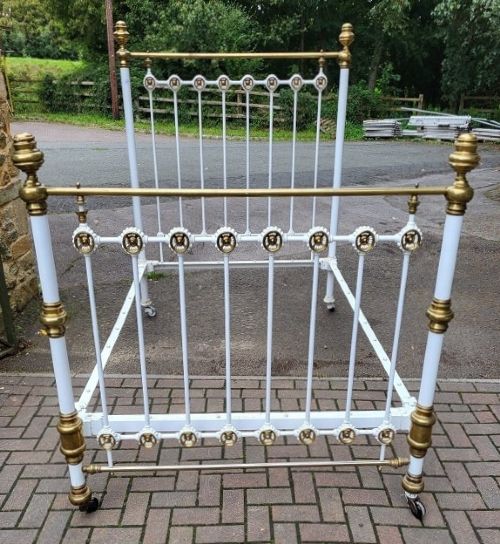
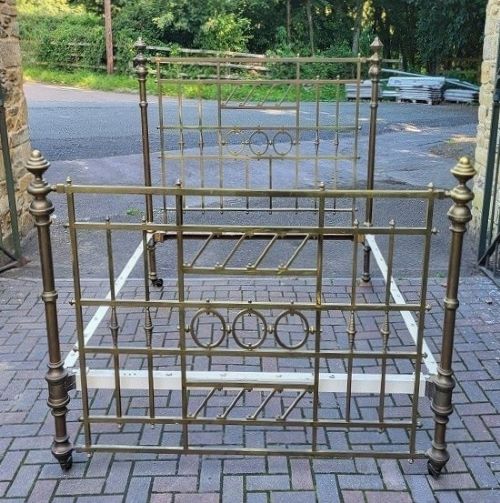
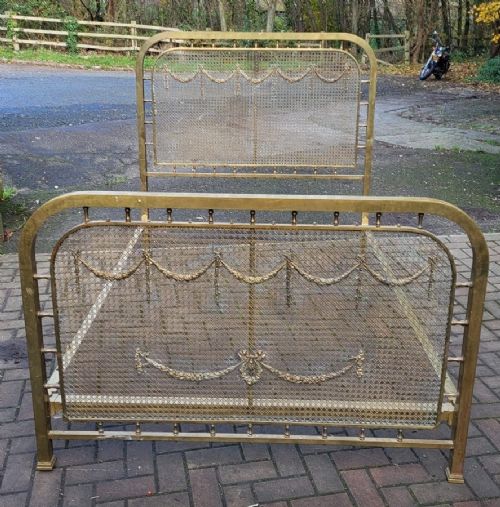
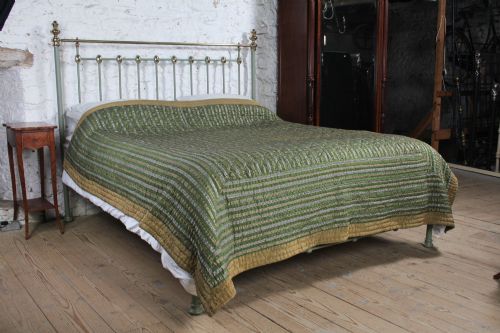
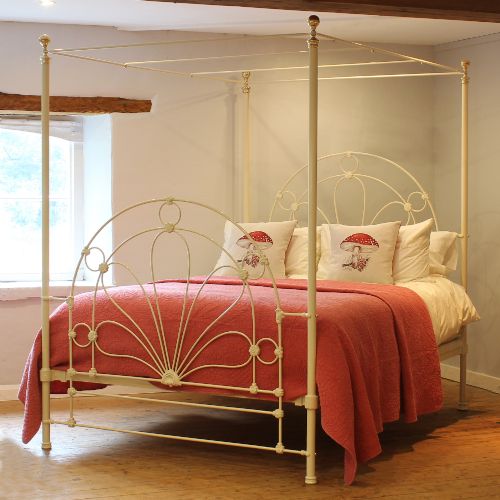
Most pieces combine gleaming metal tubing with robust structural metals like cast iron and wrought iron, appearing in single, double, king, and super-king sizes. You will regularly find specific configurations such as half tester canopies, dip rail designs, and low end frames equipped with original castors.
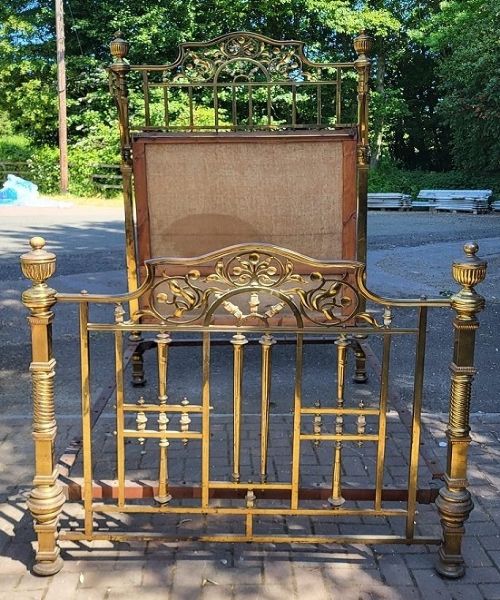
Formations range from simple utilitarian single frames to ornate constructions featuring decorative ball finials, ceramic details, and leather elements. Certain variations incorporate slatted bases or woven wire supports to hold modern mattresses securely within historic perimeters.
How they were made
Maker workshops constructed these frames by joining heavy cast iron or wrought iron structural frames with bright brass tubing and decorative spun brass components. Metal foundries utilised molten casting for structural joints, corner brackets, and ornate headboard embellishments.
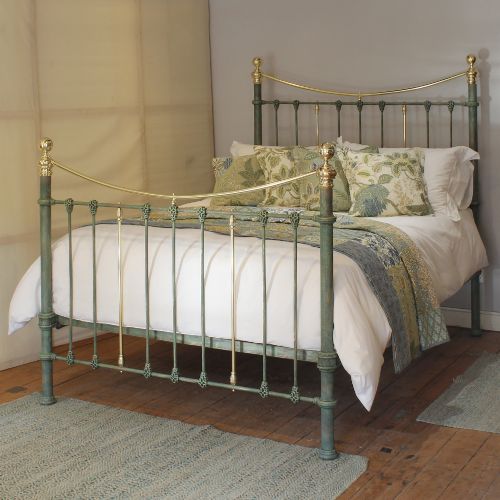
Makers applied durable painted finishes in black, cream, green verdigris, and blue verdigris directly onto the iron surfaces to protect against oxidation. Polished brass elements received protective lacquers or remained bare to develop natural patinas over decades of domestic use.
Antique Bed Frame Brass Retail Price Guide 2026
Typical asking prices for bed frame brass among the pieces listed under this phrase on Sellingantiques today, from the lower quarter to the upper quarter. They describe what is for sale here now, not the wider market.
Listings feature Victorian, Edwardian, and Art Deco periods, utilising brass, cast iron, ceramic, and leather.
What varies in quality
Quality differences emerge in the weight of the metal tubing, the crispness of the cast iron details, and the integrity of the original joints. Heavier gauges of brass and thicker iron frames provide superior structural rigidity compared to lighter domestic alternatives.
The sophistication of the design dictates much of the value, distinguishing plain single frames from complex pieces with half tester canopies, elaborate ball finials, and branded maker stamps. Original components like castors, ceramic inserts, and manufacturer stampings elevate the integrity of individual pieces.
James Shoolbred·RW Winfield·Heals·Hoskins and Sewell
The Antique Bed Frame Brass Glossary
- Bedstead
- A framework of wood or metal that supports a bed, frequently used interchangeably with bed frame in nineteenth-century contexts.
- Half Tester
- A canopy that extends only partway over the head of a bed, supporting curtains above the pillows.
- Dip Rail
- A headboard or footboard top rail that curves downward in the centre, creating a distinctive profile characteristic of Edwardian designs.
- Ball Finial
- A spherical metal ornament screwed onto the vertical posts of a bedstead to cap the corners.
- Verdigris
- A green patina formed naturally on copper, brass, or bronze surfaces through atmospheric oxidation over long periods.
Antique Bed Frame Brass: Frequently Asked Questions
Will an antique brass bed fit a modern mattress?
Many historic bed frames measure in standard sizes such as double or king, but older widths can vary slightly from contemporary mattress dimensions. You should check the internal rail measurements carefully before purchasing.
Modern slatted bases or custom mattress supports often fit inside the existing iron side rails to accommodate standard thicknesses comfortably.
How do I clean antique brass frames?
You should remove dust with a soft dry cloth and avoid harsh chemical abrasives that strip historic metal patinas. Gentle soapy water cleans painted iron components effectively.
Preserving the natural ageing on brass tubing maintains the character accumulated over the Victorian and Edwardian eras.
Can these beds be taken apart?
Most nineteenth-century metal bedsteads dismantle completely into a headboard, footboard, and two side rails using tapered wedge joints. This modular construction made transport between rooms straightforward.
Reassembly requires simple hand tools or gentle tapping with a rubber mallet to secure the original locking brackets.
What does verdigris mean on iron and brass?
Verdigris is a green surface discoloration caused by natural oxidation of copper-bearing metals over decades. It appears frequently on older painted or metal surfaces.
Many collectors prize this authentic weathering as a sign of genuine age rather than a defect.