

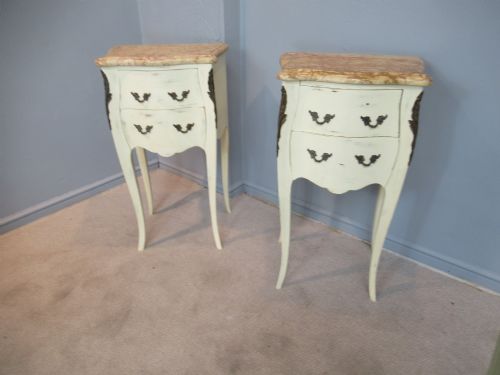


Antique Bed Cupboard
An antique bed cupboard is a practical piece of bedside storage designed to hold chamber pots, night accessories or books.
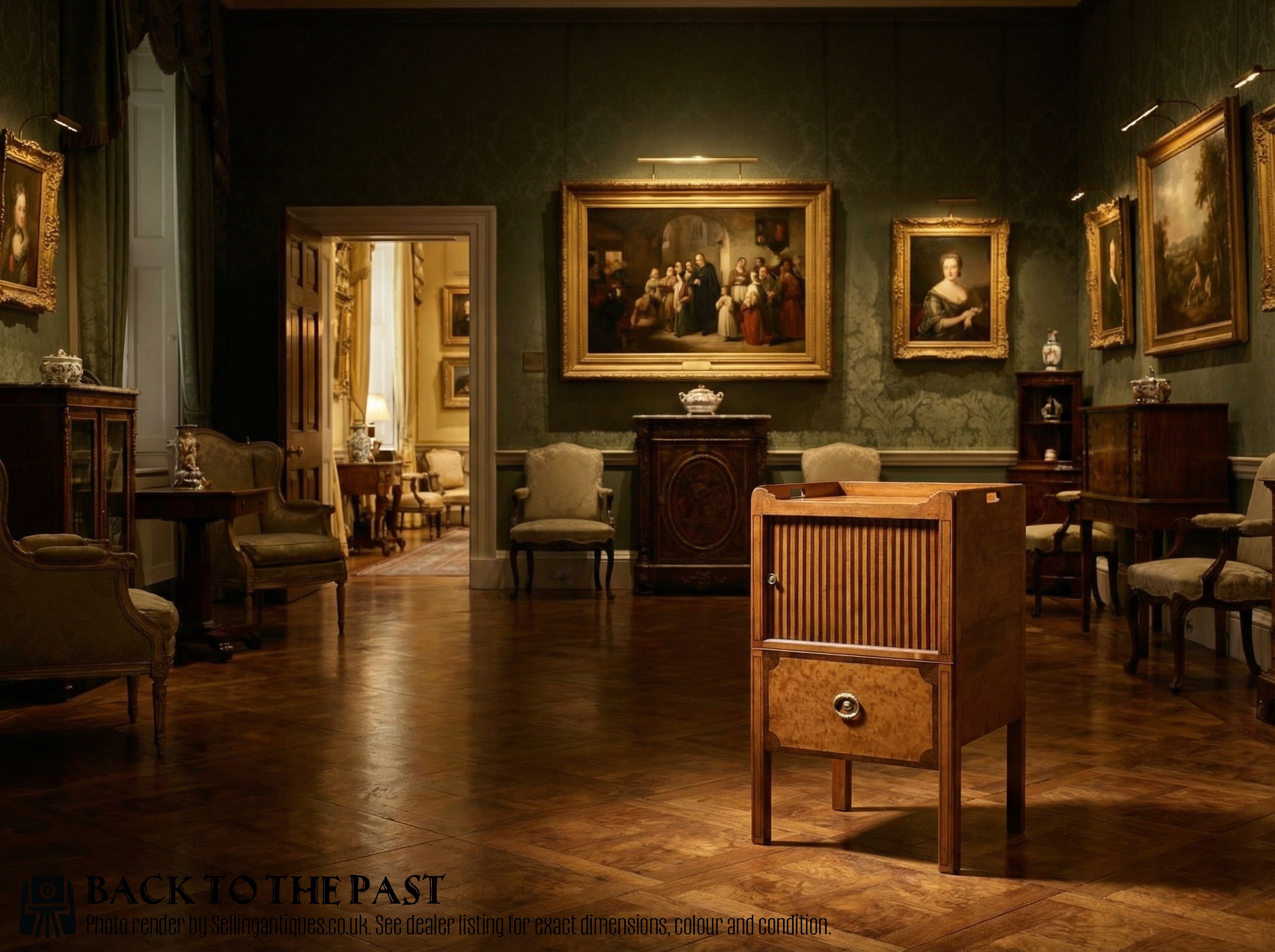
Antique Bed Cupboard
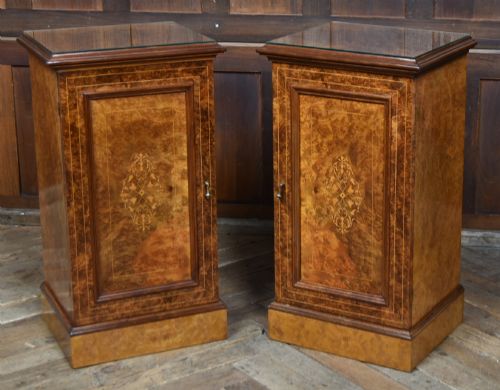
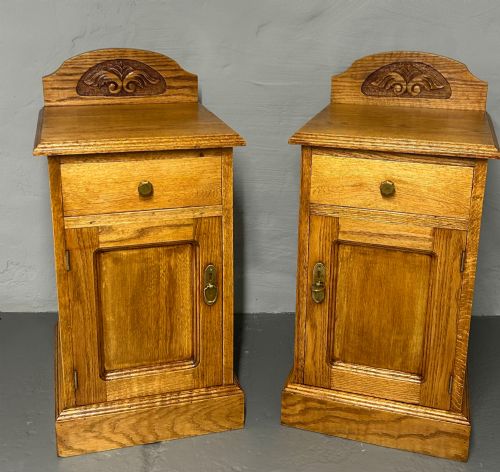
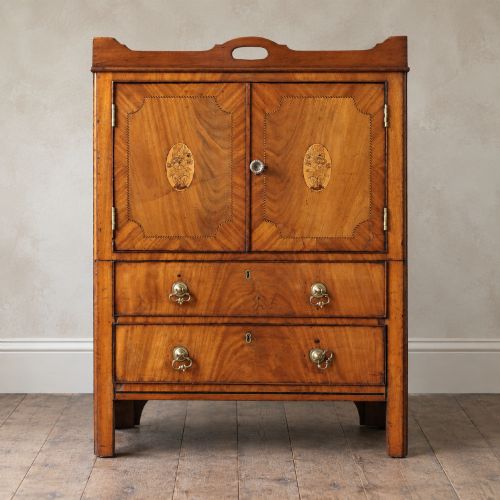
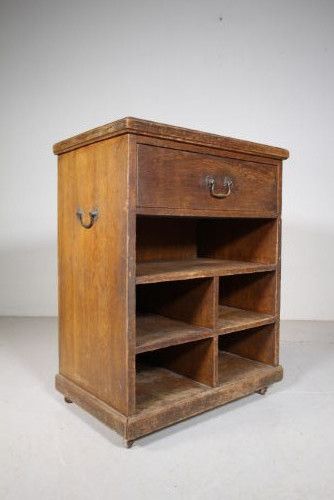
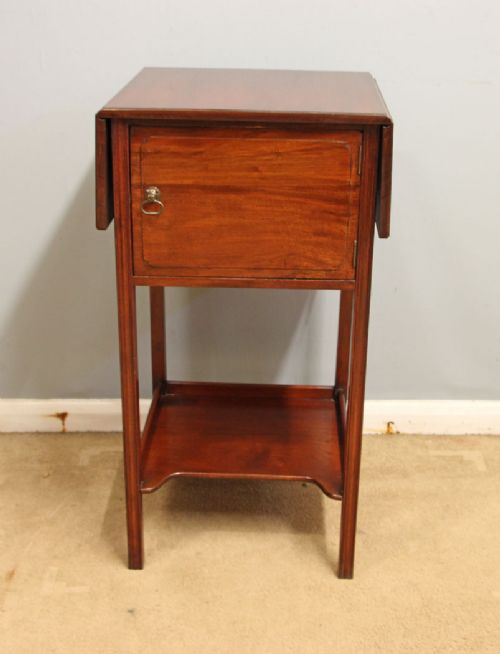
When you search for an antique bed cupboard, you are looking at small bedside cabinets, nightstands and pot cupboards designed for use beside a bed. The pieces appearing here span the Georgian, Regency, Victorian and Edwardian periods up to the early twentieth century.
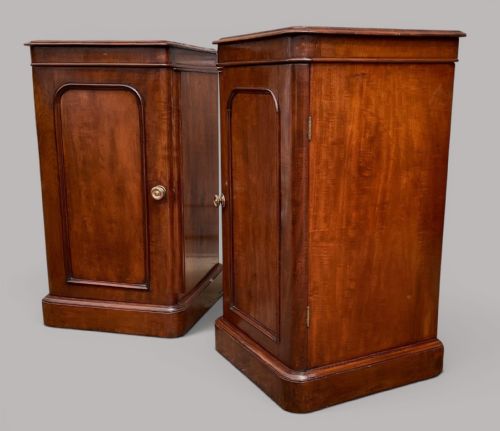
You are most likely to meet mahogany examples from the Georgian and Victorian eras, often taking the form of pedestal cabinets, tray-top tables or cylindrical units. Oak, walnut, satinwood and painted pine also appear frequently across various nineteenth-century styles.
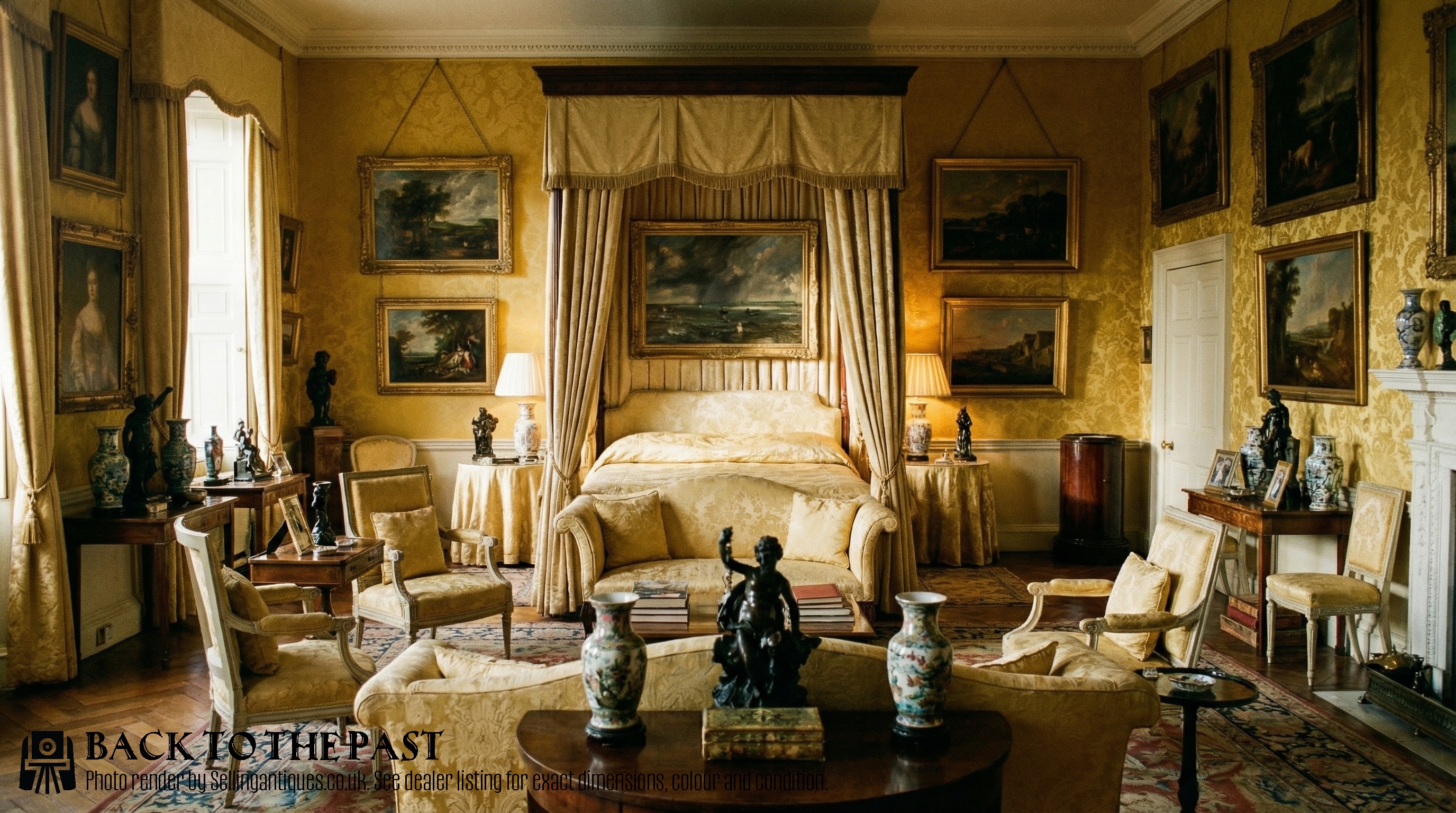
How they were made
Cabinet makers utilised dense hardwoods such as mahogany, walnut and oak, selecting figured veneers like flame mahogany or burr walnut for visible exterior surfaces. Timber panels were frequently joined using traditional methods to accommodate household use over generations.
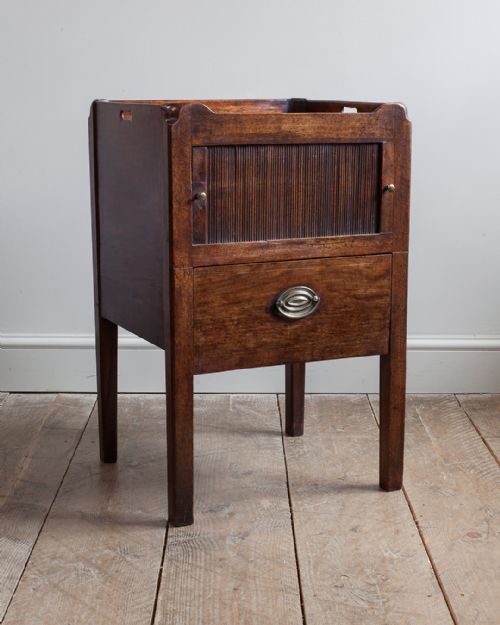
Surface detailing involved tambour slides, inset marble tops, brass fittings and subtle inlay work. Structural elements combined solid framework with turned legs, plinth bases or enclosed cupboard doors designed to conceal interior storage.
Antique Bed Cupboard Retail Price Guide 2026
Typical asking prices for bed cupboard among the pieces listed under this phrase on Sellingantiques today, from the lower quarter to the upper quarter. They describe what is for sale here now, not the wider market.
Listings demonstrate a prevalence of mahogany and walnut across Georgian and Victorian periods, alongside pine examples from the nineteenth century.
What varies in quality
The choice of timber grain and veneer matching dictates much of the visual standard, with figured walnut or flame mahogany commanding greater attention than plain pine. Superior examples demonstrate refined proportions, precise joinery and well-fitted doors or drawers.
Hardware integrity and secondary woods also separate standard production from finer workshop output. Original brass handles, intact tambour fronts and well-preserved marble inserts distinguish better specimens.
Holland and Sons·Gillows·Trapnell and Gane
The Antique Bed Cupboard Glossary
- Pot cupboard
- A small enclosed bedside cabinet historically designed to house a chamber pot. These typically feature a single door above or below a small drawer.
- Tambour
- A flexible sliding shutter formed from narrow vertical strips of wood glued to canvas. This mechanism allowed smooth closure on curved or rectilinear cabinet fronts.
- Pedestal cabinet
- A freestanding single-column storage unit standing on a plinth or feet. They are frequently cylindrical or rectangular in plan.
- Tray top
- A raised gallery rim edging the upper surface of a small table or stand. This design prevented items from rolling off the bedside surface.
Antique Bed Cupboard: Frequently Asked Questions
What is an antique bed cupboard used for today?
These compact cupboards serve well as modern bedside tables, offering enclosed storage for lamps, books and personal items. Their varied heights and surface materials allow them to sit comfortably beside contemporary bed frames.
Beyond the bedroom, collectors often place them in narrow hallways or small living spaces as lamp tables. Their enclosed shelving makes them practical for concealing small household objects while maintaining a traditional aesthetic.
How do I distinguish a Georgian bed cupboard from a Victorian one?
Georgian pieces generally display restrained classical proportions, rectilinear mahogany construction and subtle string inlay. Cabinet makers in this era often employed tray tops or tambour fronts for functional bedside storage.
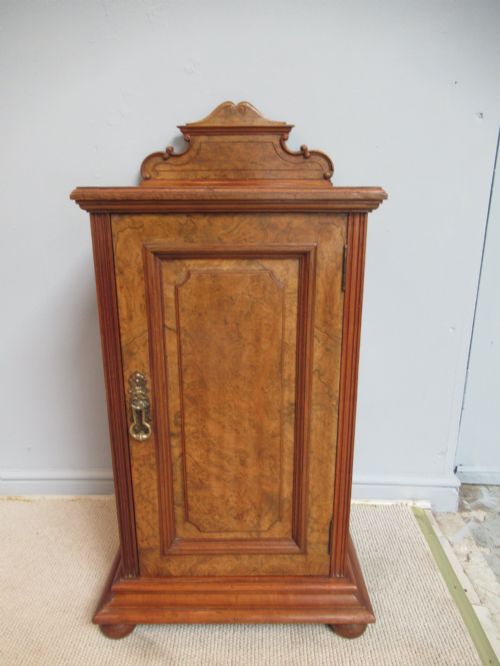
Victorian examples tend to be heavier, utilising burr walnut, ebonised finishes or applied carved details. The introduction of white marble tops and cylindrical pedestal forms becomes more common as the nineteenth century progresses.
Did antique bed cupboards come in pairs?
Many surviving bedside cabinets originate as matched pairs intended to flank a double bed. These symmetrical sets are particularly sought after by collectors furnishing larger bedrooms.
Single pieces also appear frequently, reflecting historical bedroom layouts where only one bedside table was utilised. Single cabinets work effectively as standalone accent pieces in various rooms.
What woods were used in antique bed cupboards?
Mahogany is the predominant timber found in eighteenth and nineteenth-century examples, valued for its stability and rich dark tone. Walnut and oak also feature widely, alongside satinwood for lighter Edwardian designs.
Painted pine and ash appear in regional or vernacular pieces, sometimes decorated with stencilling or decorative finishes. Luxury variations incorporated exotic veneers like birds-eye maple.