


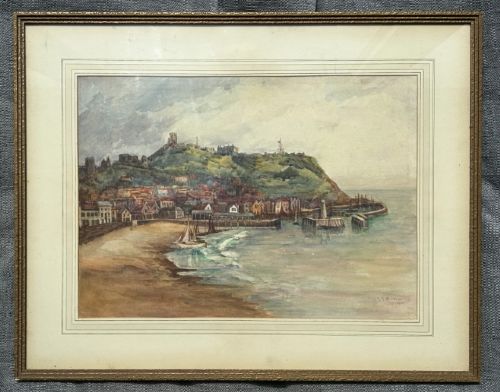


Antique Beach Landscape Art
Antique beach landscape art captures the shifting light and timeless pull of the coast through the eyes of earlier painters.
Antique Beach Landscape Art
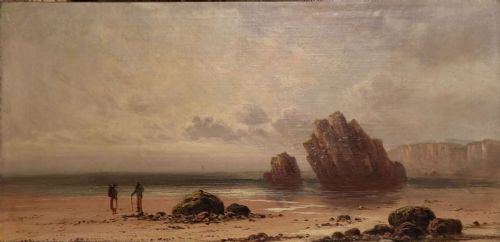
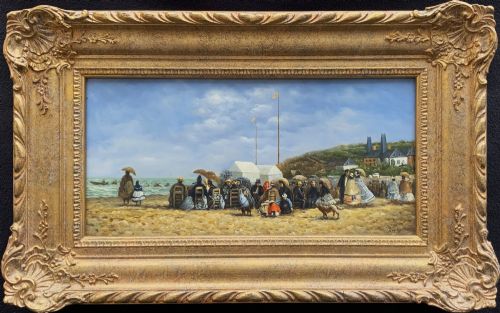
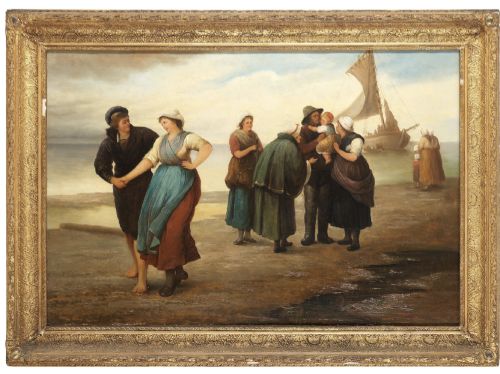
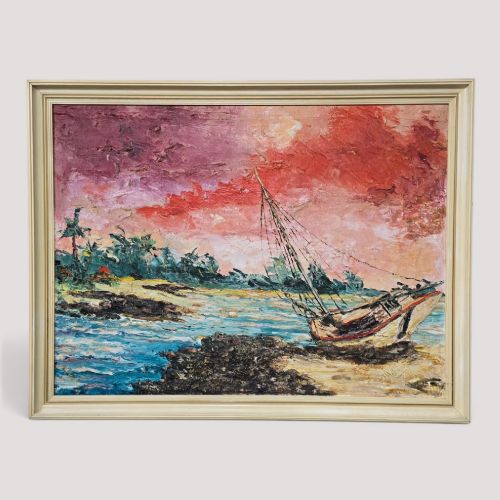
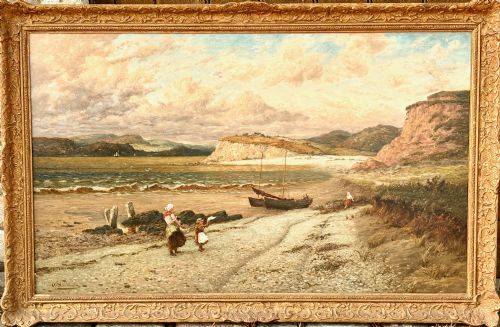
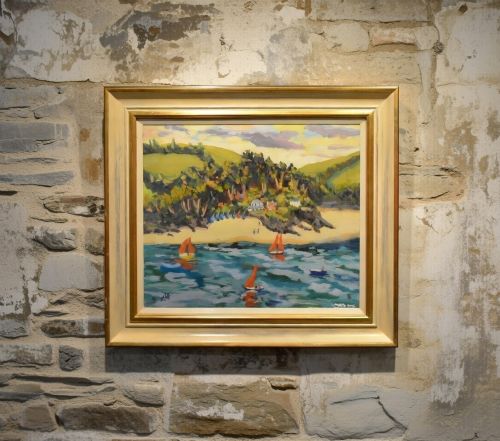
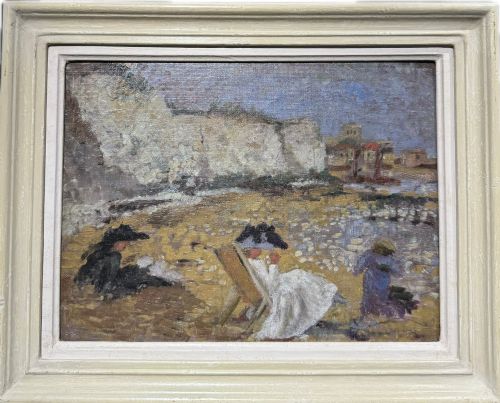
When you search for antique beach landscape art, you encounter a visual record of the shore, from bustling fishing ports to quiet sands. The pieces gathered here span the nineteenth and twentieth centuries, taking the form of framed paintings, watercolours and prints.
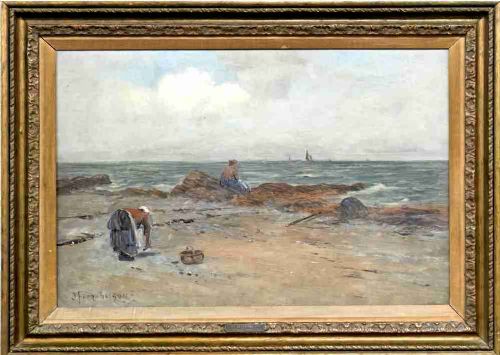
You are most likely to meet nineteenth-century watercolours and oil paintings depicting traditional British and European coastal scenes. These works range from detailed depictions of harbour life with boats and figures to expansive views of sea and sky.
Materials and techniques
Painters relied principally on oil paint applied to canvas or wood boards, or watercolour on heavy paper. Oil allowed for rich textures and deep tones that captured the weight of the sea, while watercolour offered a fluid transparency suited to coastal light.
Works often feature period framing in wood and gesso, sometimes retaining original gilt finishes that complement the palette of the picture. The interaction between pigment, support and frame defines the physical character of each piece.
Listings feature works created across the nineteenth and twentieth centuries, using oil on canvas, watercolour and gouache.
Assessing quality and execution
Quality rests in the artist's command of atmosphere, light and proportion rather than the mere age of the canvas. Superior works demonstrate confident brushwork and a convincing sense of space, whereas lesser examples can feel static or formulaic.
The sensitivity of the composition and the preservation of the pigments dictate the standing of a piece. Original surfaces and period mounts maintain the integrity of the artwork, separating fine studio output from more ordinary decorative production.
James Orrock·William Banks Fortescue·Joseph Farquharson·Robert Leslie Howey·James Webb·Sir David Murray·Owen Bowen·William Greaves
The Antique Beach Landscape Art Glossary
- Watercolour
- A painting method where fine pigment is suspended in a water-soluble binder, creating translucent washes on paper.
- Gesso
- A plaster-like mixture applied to wood frames to create a smooth surface for gilding or painting.
- Seascape
- A work of art that depicts the sea, beaches, ships or coastal views as its primary subject.
- Impressionism
- A style focused on capturing the visual impression of a moment, particularly the shifting effects of light and colour.
Antique Beach Landscape Art: Frequently Asked Questions
What defines antique beach art?
These works are historical paintings and watercolours depicting coastal scenes, harbours and shorelines from the nineteenth and early twentieth centuries.
They offer a window into past maritime life and coastal environments through traditional artistic mediums.
How should I display these paintings?
Hang them away from direct sunlight and damp conditions to protect the delicate watercolours and oil pigments on canvas.
Pairing them with appropriate period lighting enhances the texture of the brushwork and the detail of the gesso frames.
How do I date an antique painting?
Dating relies on stylistic clues, artist signatures, framing techniques, and the type of canvas or paper used in the construction.
Written inscriptions on the reverse often record locations and dates that help place the work in its historical context.
What subjects appear in these scenes?
Common subjects include fishing boats hauled onto sand, bustling harbours, rugged cliffs, and figures gathering seaweed or nets.
Artists frequently recorded specific British and European coastal locations, from Yorkshire bays to French shores.