

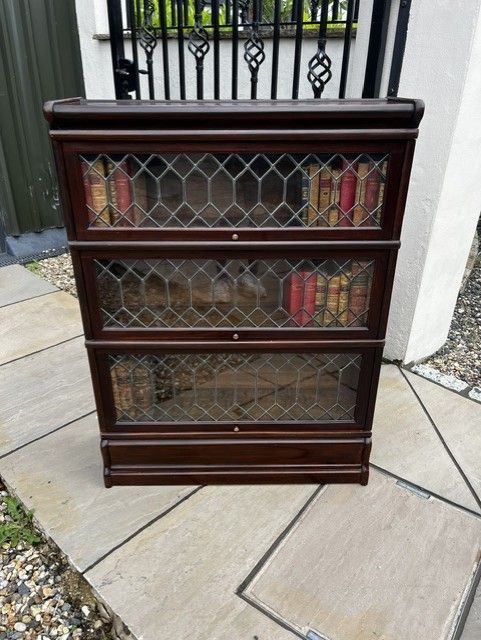
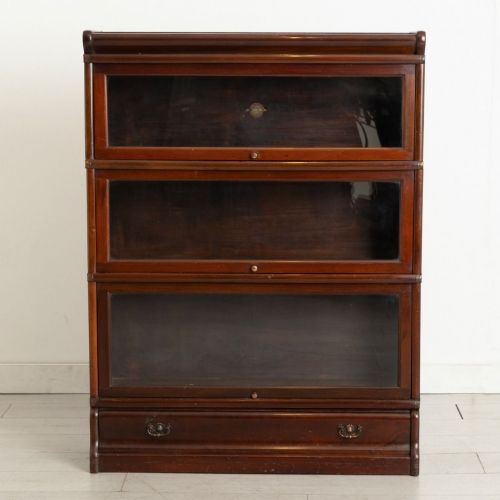
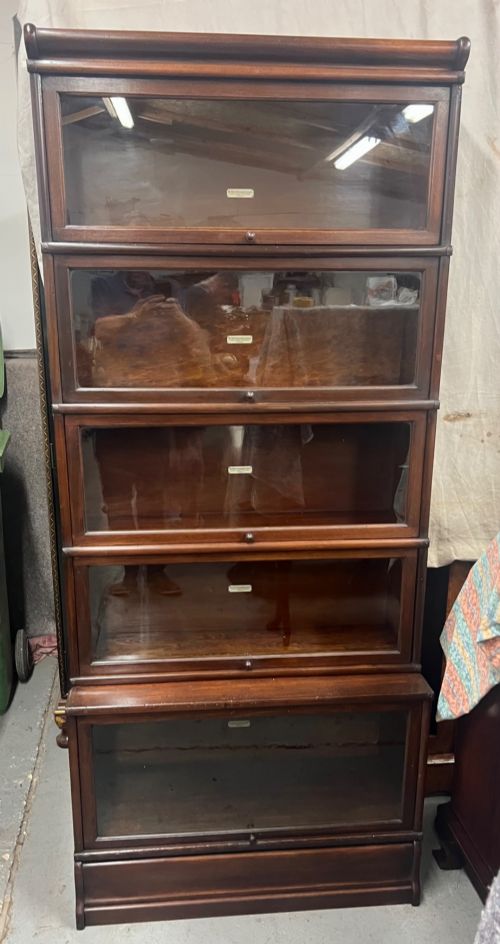
Antique Barrister Cabinet
An antique barrister cabinet offers modular stacking versatility and glass protection for a library, and oak versions from the early twentieth century dominate this selection.
Antique Barrister Cabinet
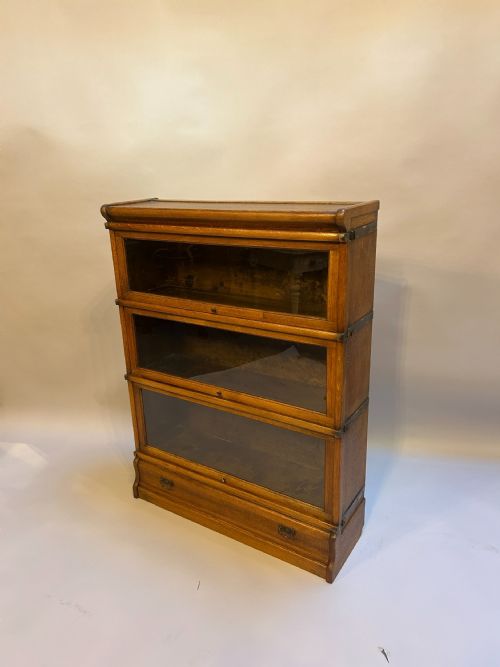
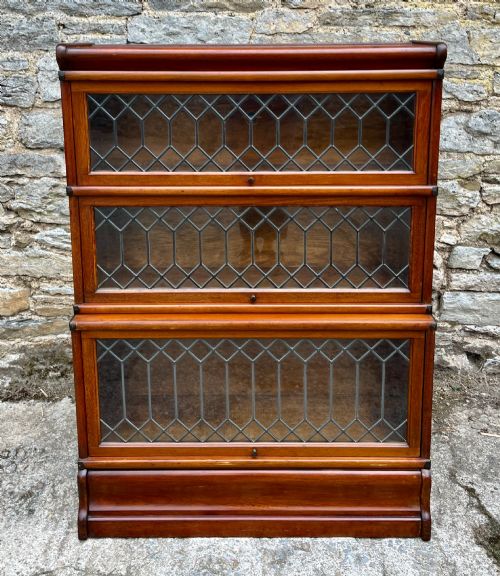
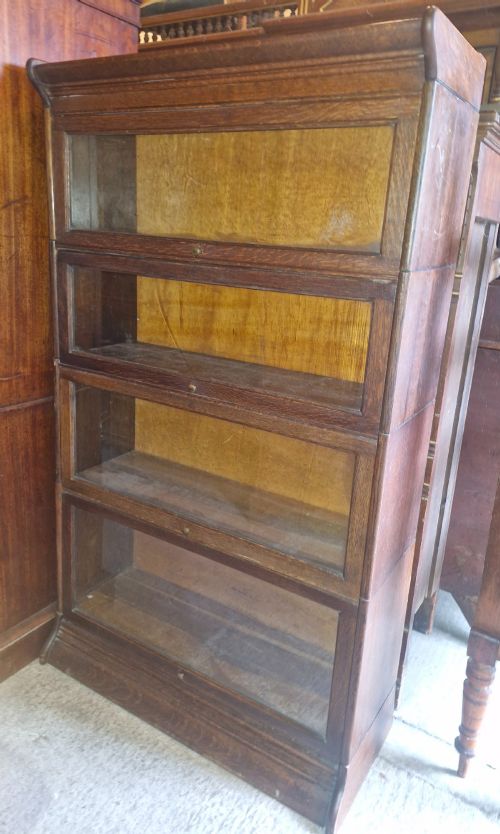
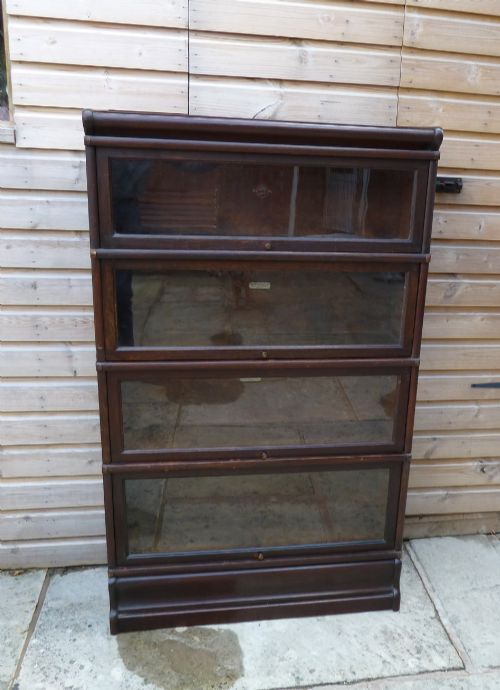
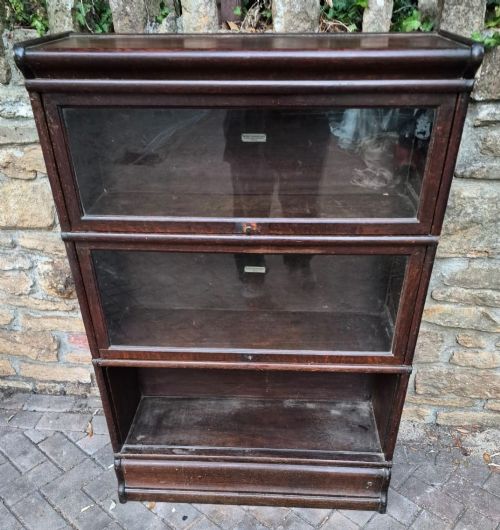
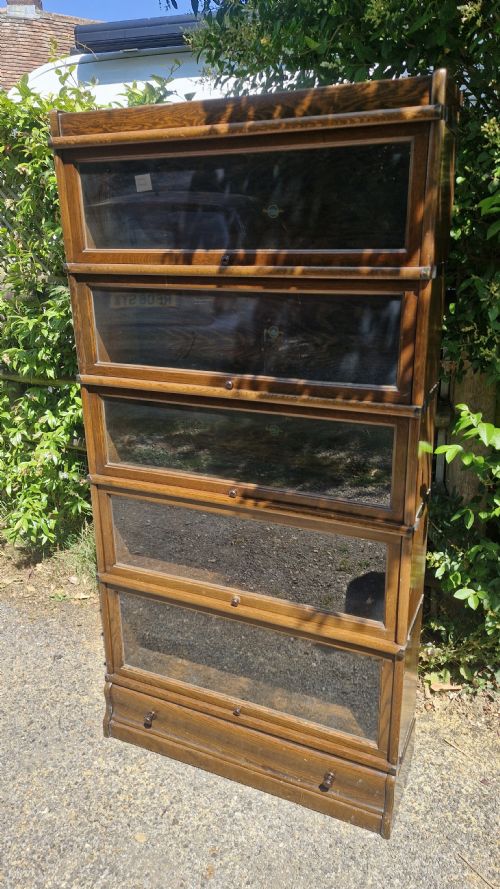
An antique barrister cabinet functions as a sectional stacking bookcase with individual glass doors that lift and slide inside the tier above or below. These modular office bookcases were designed so legal professionals could transport their libraries easily.
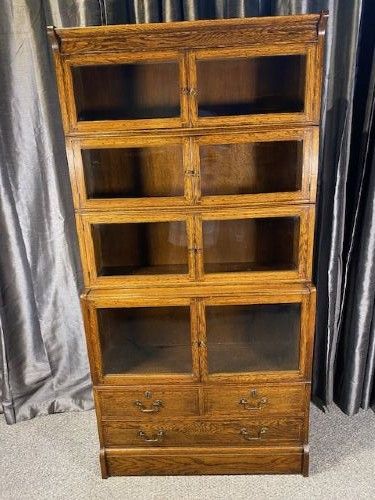
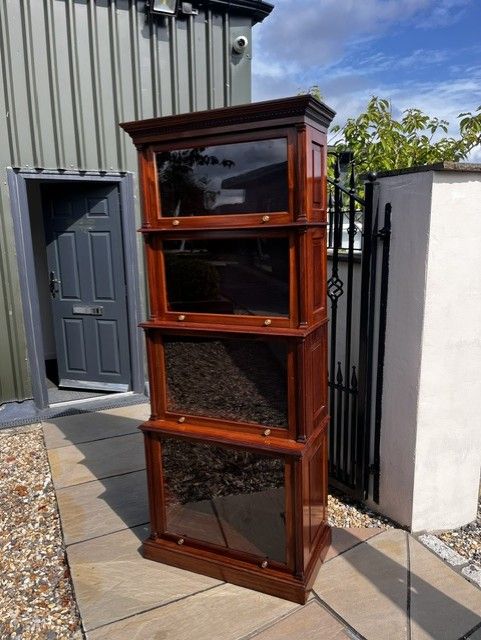
Oak and mahogany form the primary timbers across these pieces, frequently appearing in four-section or three-tier configurations. Edwardian and 1920s examples appear most frequently, spanning styles from straightforward office utility to Arts and Crafts influenced designs.
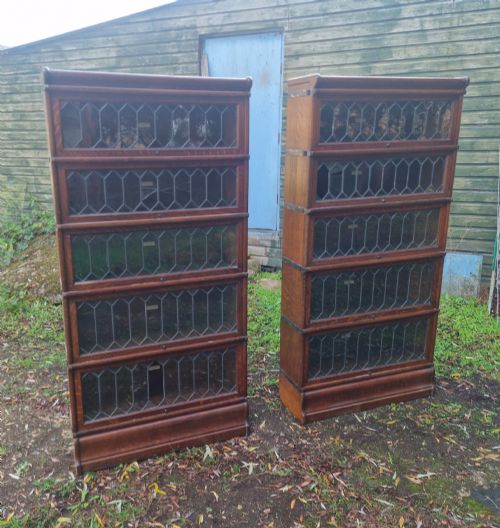
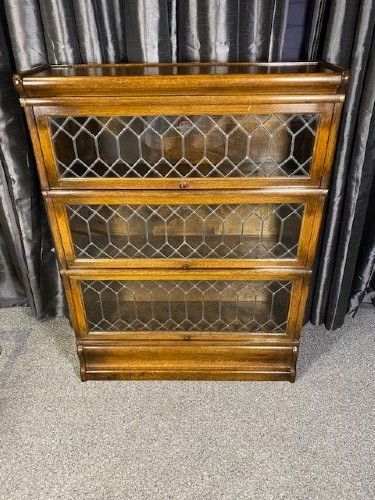
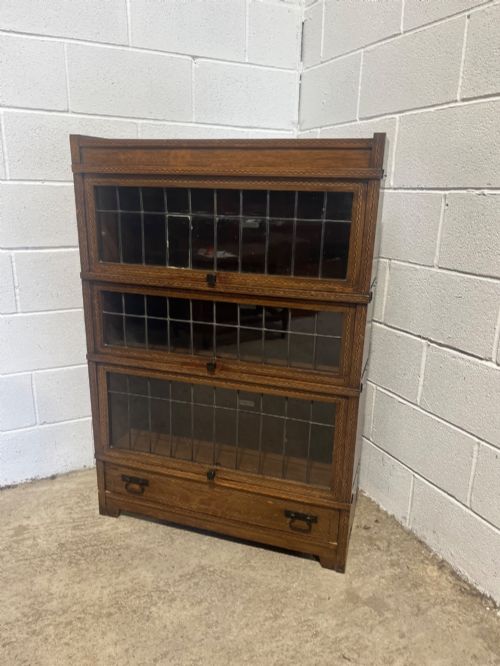
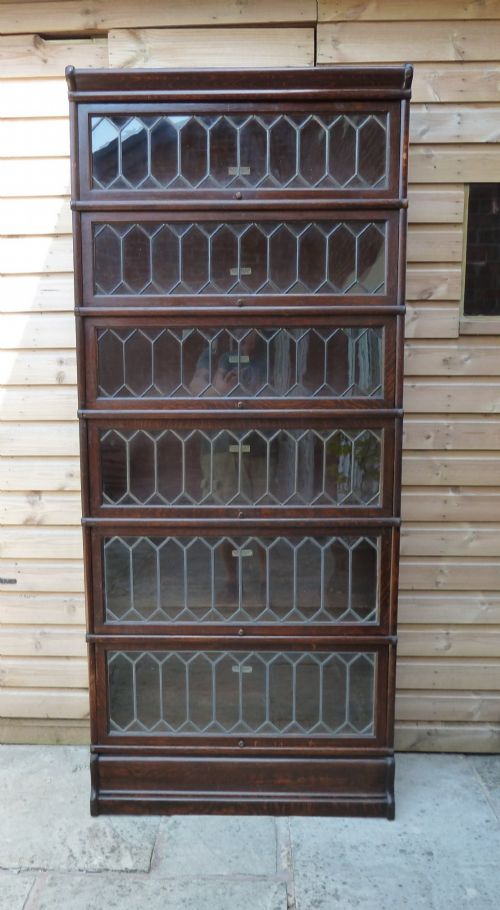
Variants include writing bureau combinations and leaded glass doors, alongside French haberdashery storage pieces. Most units retain their original modular structure, allowing sections to separate for moving.
How they were made
Makers utilised solid oak and mahogany for the main carcase components, sometimes adding inlaid details or brass hardware to the modular frames. Timber selection determined whether the grain showed a golden finish or a deeper reddish tone.
Glass panels were fitted into wooden doors or secured with lead cames, allowing each tier to protect the books inside while remaining transparent. The stacking mechanism required precise carpentry so each tier aligned correctly without permanent fixing.
Listings feature oak and mahogany timbers alongside brass hardware and leaded glass components across Edwardian and nineteen-twenties periods.
What varies in quality
The choice of timber and the precision of the stacking mechanism dictate the distinction between ordinary office furniture and finer library pieces. Solid mahogany examples and marked pieces by established makers demonstrate superior cabinet-making compared to plain utility versions.
Original glass panes, intact brass fittings, and matching wood grain across all tiers elevate a piece's integrity. Modifications or mismatched sections alter the uniformity that defines these modular cabinets.
Globe Wernicke·Lebus·Minty·Gunn·Warwick
The Antique Barrister Cabinet Glossary
- Sectional bookcase
- A modular bookcase composed of several stackable tiers that lock together vertically. Each tier has its own independent glass door.
- Leaded glass
- Glass panes held together by narrow strips of lead, forming geometric or decorative patterns within the door frame. This technique adds structural rigidity and a traditional decorative effect.
- Golden oak
- A bright, warm oak finish popular during the Edwardian period and the early twentieth century. It highlights the medullary rays in quarter-sawn oak boards.
Antique Barrister Cabinet: Frequently Asked Questions
How do barrister cabinets work?
Each tier operates independently with a glass door that pivots upwards and slides back into the cabinet cavity above the books.
This clever mechanical design allows users to open any shelf while the cabinet remains fully stacked.
Can the sections separate?
Yes, these modular units lift apart into separate tier boxes, a base, and a top cornice.
This separation makes relocation straightforward despite the heavy solid timber construction.
What periods are available?
Most examples date from the Edwardian era through the nineteen-twenties, utilising oak or mahogany.
Earlier Georgian writing bureau variants and later nineteen-thirty styles also appear occasionally.
Where were they used?
Lawyers originally utilised them in offices to store and move reference books safely between locations.
Later they became popular in domestic studies and libraries for displaying bound volumes.