

Antique Barrister Bookcase
An antique barrister bookcase brings modular practicality and oak, walnut or mahogany warmth to any room, offering stacked glazed protection for your books.
Understanding the Antique Barrister Bookcase
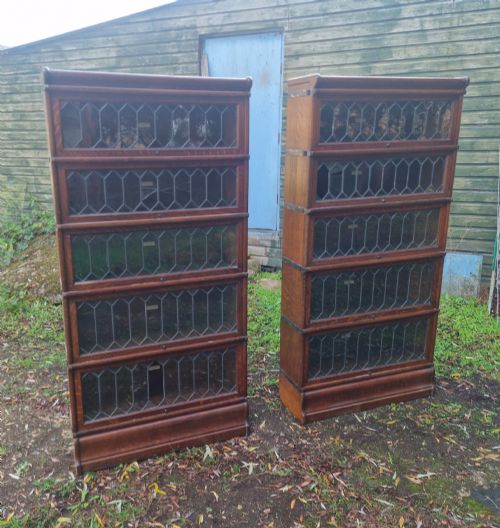
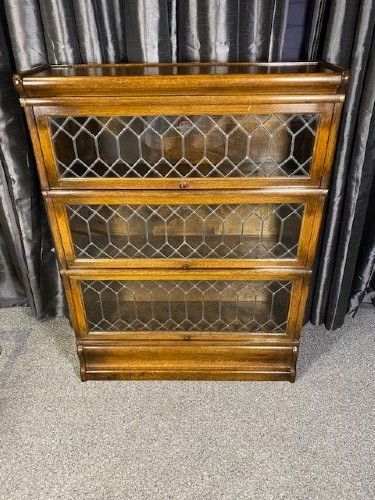
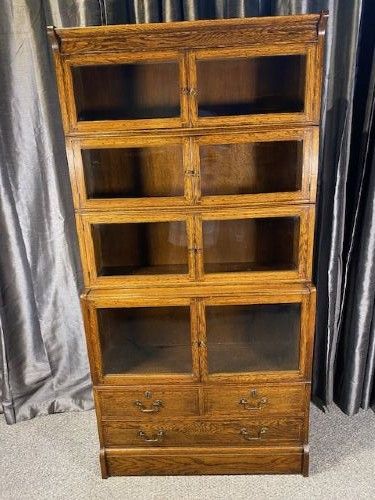
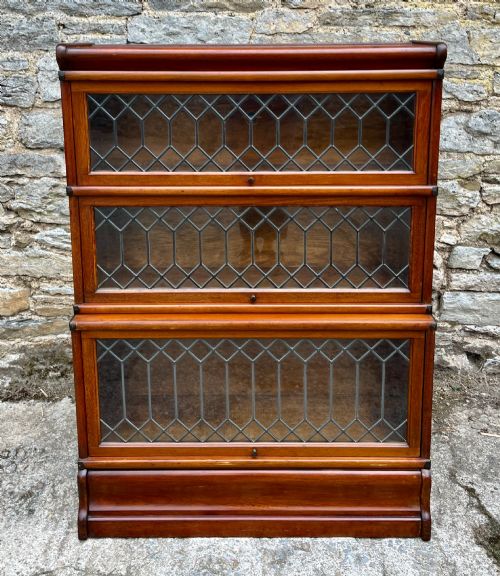
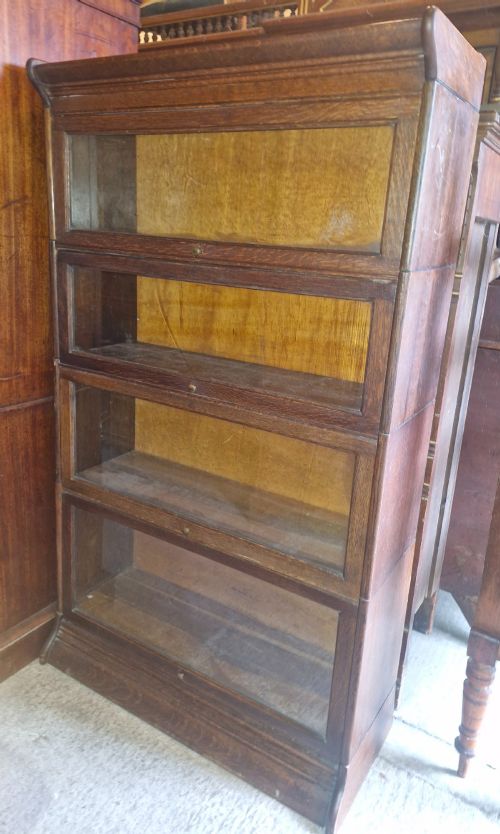
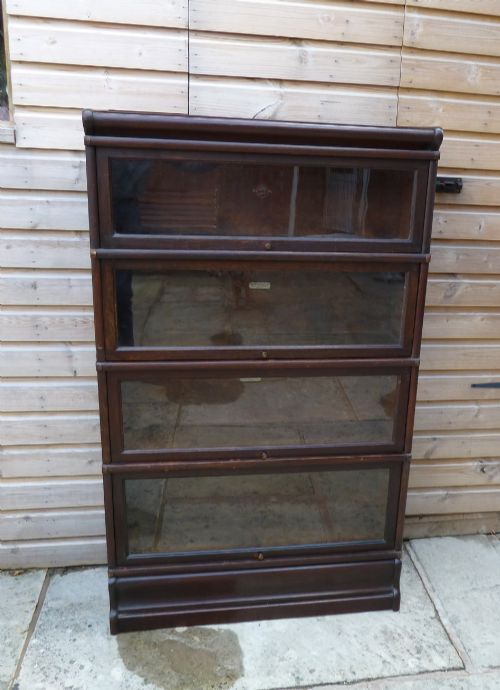
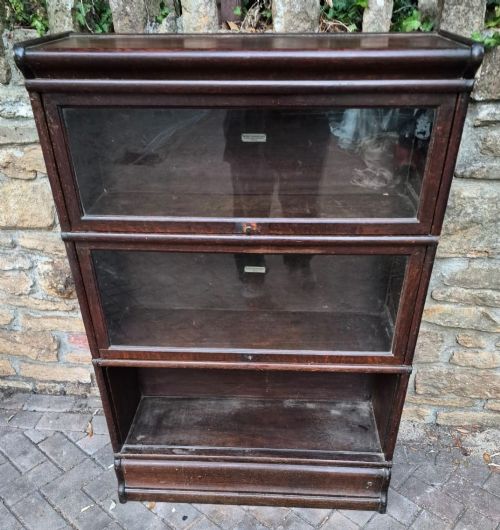
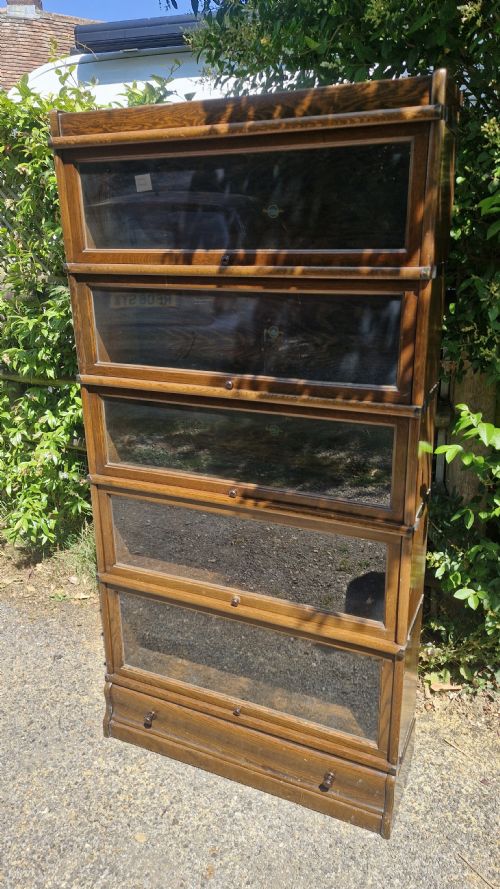
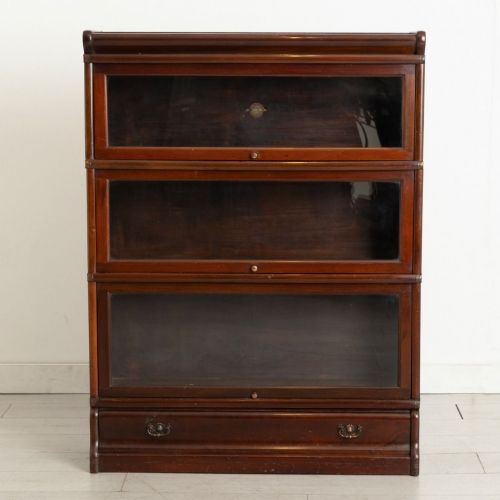
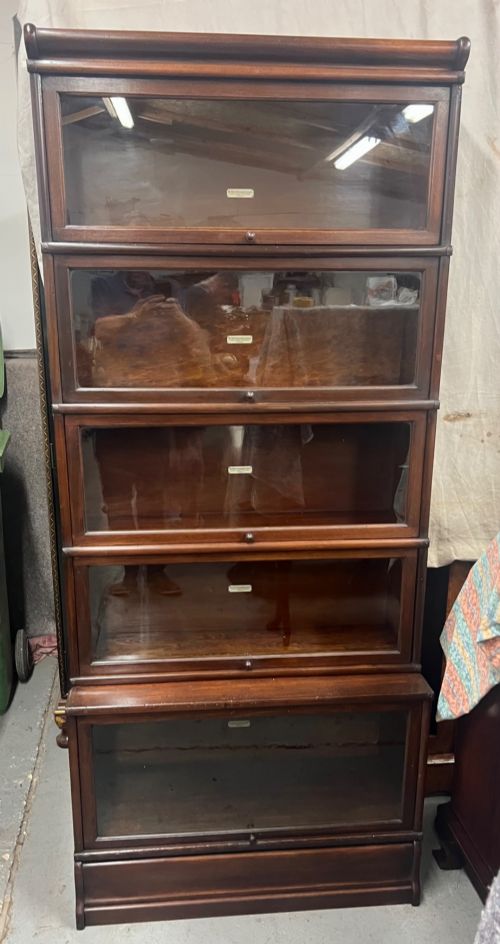
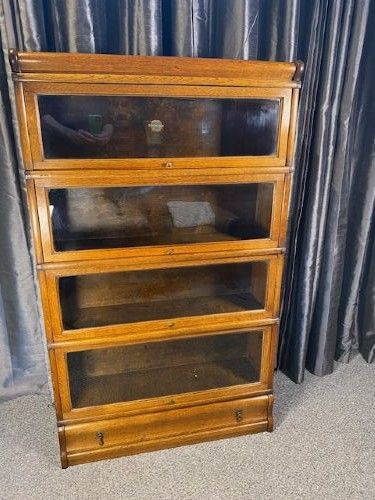
An antique barrister bookcase consists of several modular tiers that stack together, fronted by glass doors that lift and slide inside the cabinet above the books. This clever sectional design allowed legal professionals and scholars to transport their libraries piece by piece without emptying the shelves.
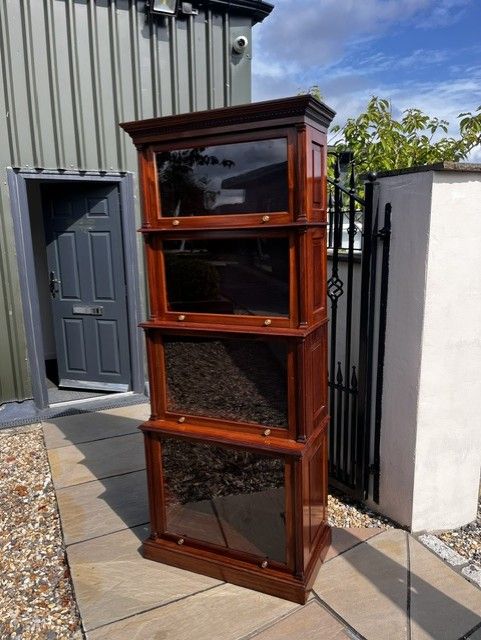
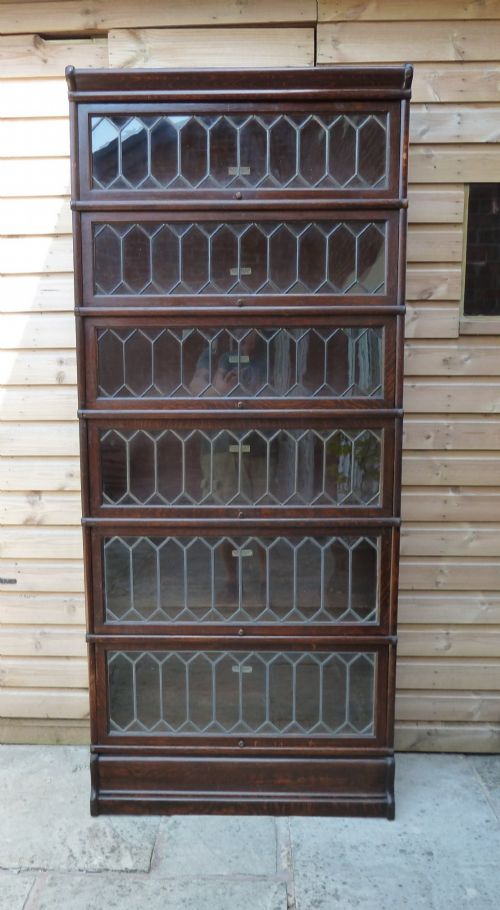
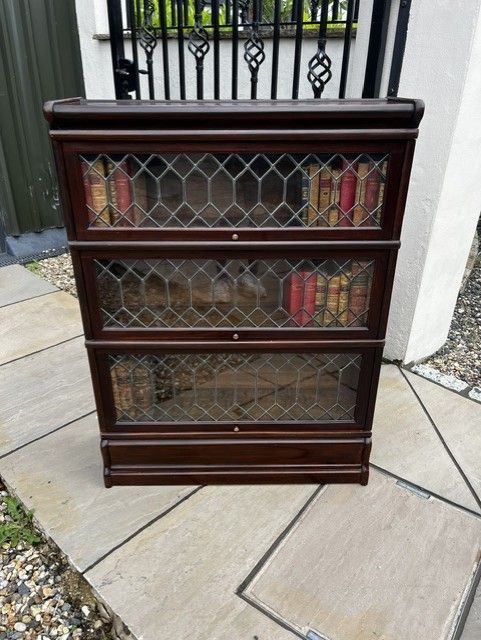
You will most frequently encounter oak examples from the Edwardian period and the early twentieth century, alongside occasional pieces rendered in walnut or mahogany. The configurations range from compact two-tier cabinets to towering six-tier arrangements, sometimes paired as matching double units.
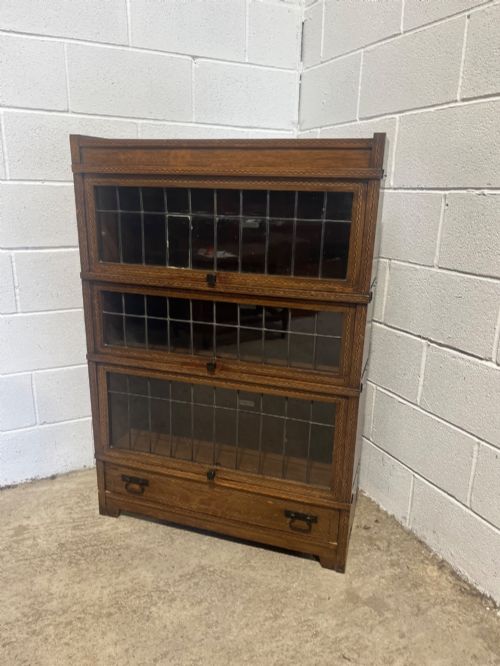
The form spans authenticated pieces by prominent makers and unmarked interpretations built in the same taste. Whether structured with plain glass or leaded panes, each bookcase retains the characteristic vertical proportion and functional stacking mechanism.
Materials and Construction
Cabinet makers built these sectional bookcases primarily using solid oak, alongside selections of walnut and mahogany. Timber selection determined the grain figure, with quarter-sawn oak frequently chosen for its distinctive medullary rays.
The individual tiers incorporated glazed doors fitted with brass handles and knobs, sometimes utilising leaded glass to divide the panes. Each separate section relied on precise joinery to stack securely upon its neighbours without permanent fixings.
Retail Price Guide 2026
Typical UK retail prices for barrister bookcase, calculated from the Sellingantiques database of over a million retail prices indexed since 2003. This retail price guide relies exclusively on Sellingantiques data; no external sources or auction records are used, so the figures do not describe the wider market.
Lawyers originally valued these modular cases because they could evacuate an entire library during a fire simply by unstacking the boxes.
Distinguishing Quality in Sectional Bookcases
Quality reveals itself in the smoothness of the mechanical action that lifts and guides each glass door into the recess. Superior examples feature robust brass hardware and well-fitted stacking cornices and bases that align seamlessly.
Timber choice and thickness distinguish the standard production from the finest workshops. Heavier solid construction and carefully matched wood grains separate the most desirable tier arrangements from simpler alternatives.
Globe Wernicke·Lebus·Minty of Oxford·Simpoles·Gunn
The Antique Barrister Bookcase Glossary
- Sectional bookcase
- A bookcase built from multiple independent tier units that stack vertically. This modular construction allowed owners to expand their shelving as their library grew.
- Leaded glass
- Small panes of glass held together by strips of lead cames. This technique creates geometric patterns across the doors of the bookcase.
- Tier
- An individual stackable section of the bookcase containing its own glazed lifting door. Tiers can be added, removed or rearranged independently.
- Edwardian
- A stylistic period spanning the reign of King Edward VII until the First World War. Furniture from this era often combines practicality with lighter proportions than Victorian predecessors.
- Cornice
- The moulded decorative projection sitting at the top of the bookcase cabinet. It finishes the topmost tier and crowns the entire piece.
Frequently Asked Questions
How do barrister bookcases stack together?
Each tier is a separate wooden box with its own glass door, designed to rest securely on the base unit and beneath the top cornice.
The sections fit together using simple gravity and interlocking lips rather than screws or permanent glue, allowing the entire stack to be easily taken apart.
How do the glass doors work?
The glass doors feature a metal scissor mechanism or pin-guide system on the sides that allows the pane to lift outwards and slide horizontally into the cabinet.
When pushed back, the door rests flat above the books, keeping them protected from dust while remaining fully visible.
What periods do these bookcases date from?
Most surviving examples date from the Edwardian era and the early decades of the twentieth century, specifically around nineteen hundred to nineteen twenty.
During this period, mass production of sectional office furniture reached its peak to satisfy the demand for flexible library storage.
Are these bookcases suitable for modern homes?
Their narrow vertical footprint makes them exceptionally well-suited for studies, living rooms and hallways where floor space is limited.
The enclosed glass shelves also protect volumes from household dust while displaying bindings attractively.