


Antique Baroque Mirror
An antique baroque mirror brings commanding presence to a room, catching light through heavy carved ornament and aged mercury plate.
Antique Baroque Mirror
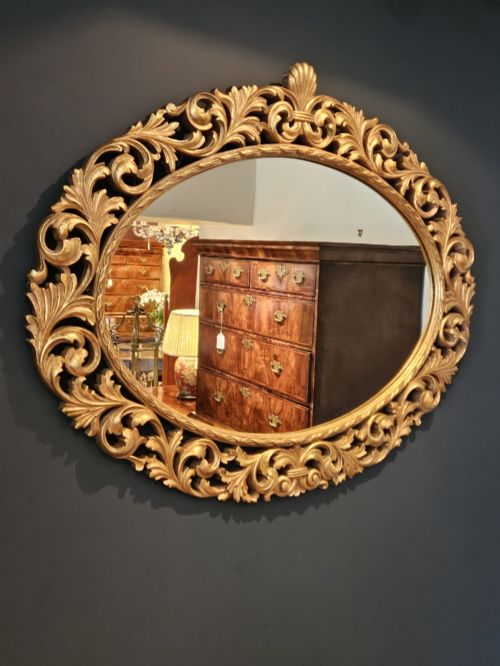
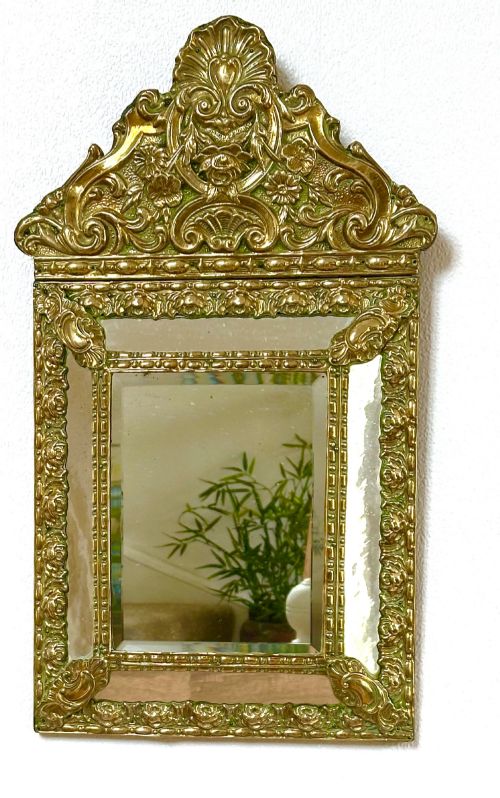
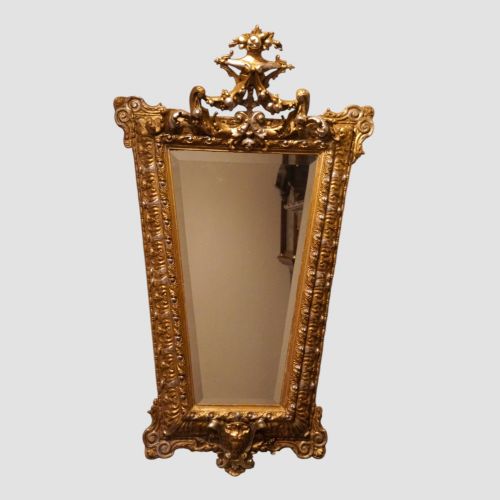
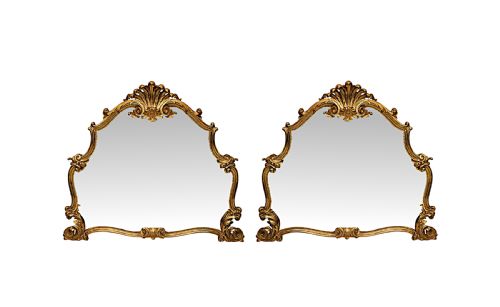
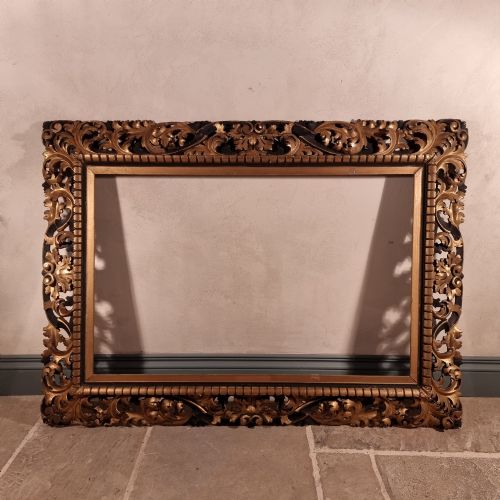
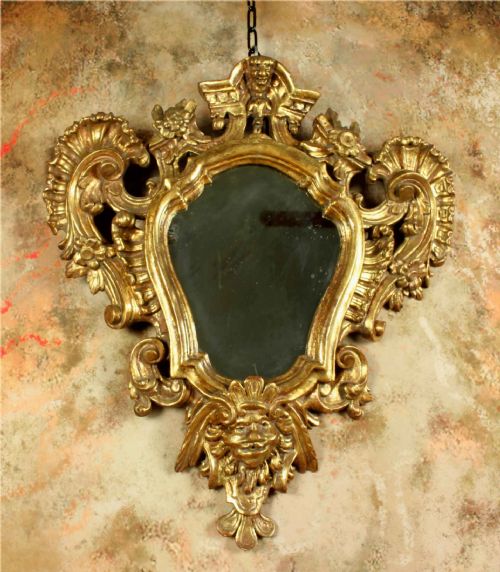
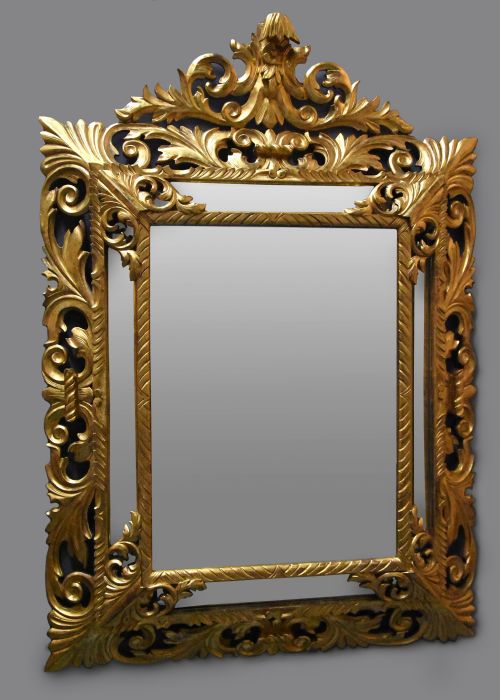
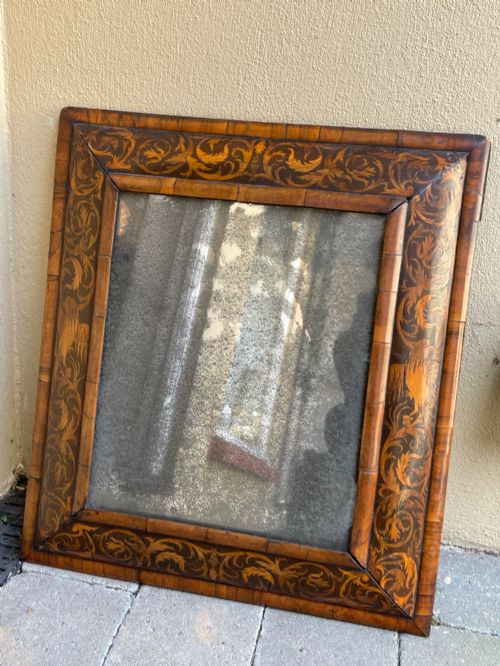
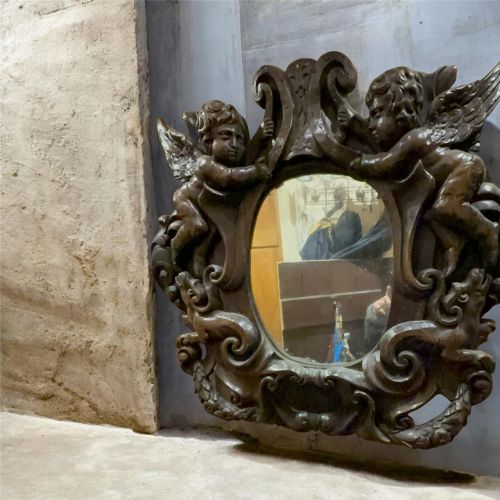
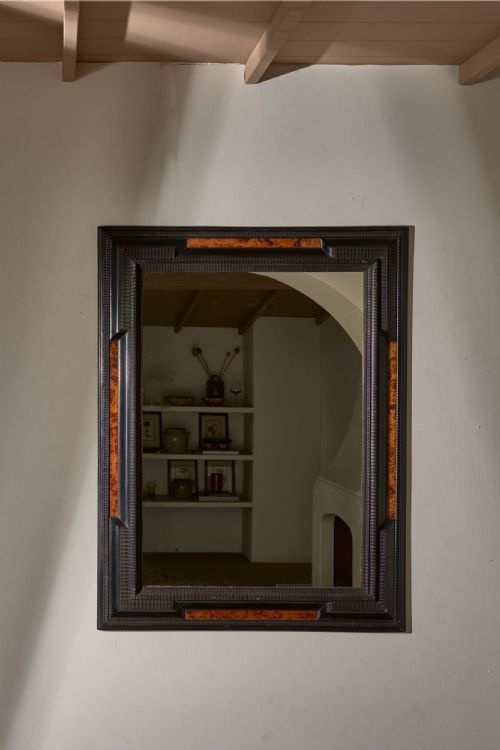
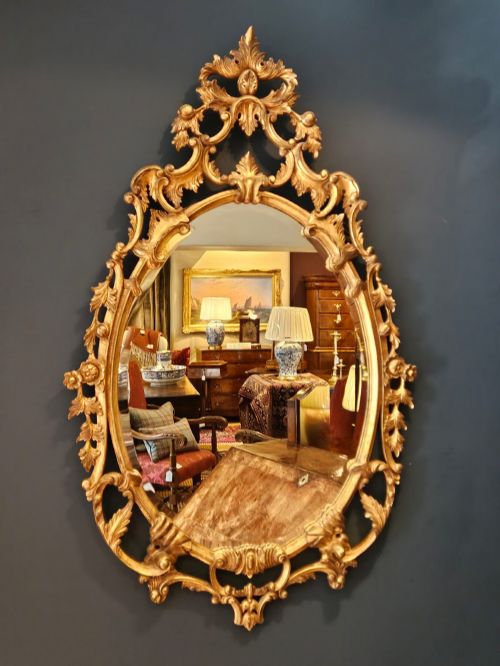
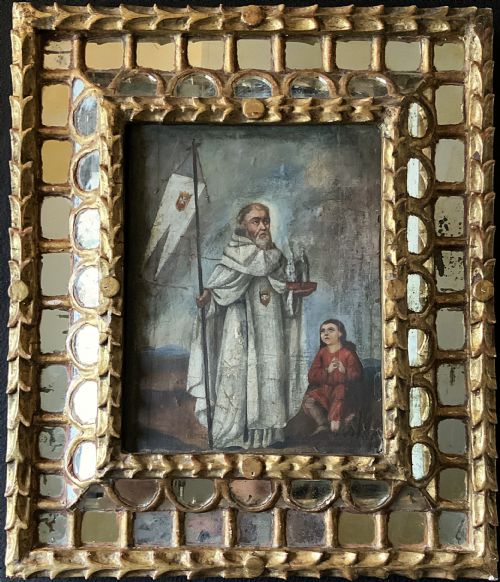
An antique baroque mirror encompasses heavy wall plates, overmantel glasses, and cushion frames originating primarily from Italian, French, and English workshops. Buyers encounter pieces spanning from the seventeenth century through nineteenth-century revivals, taking forms that range from oval portrait formats to large rectangular console glasses.
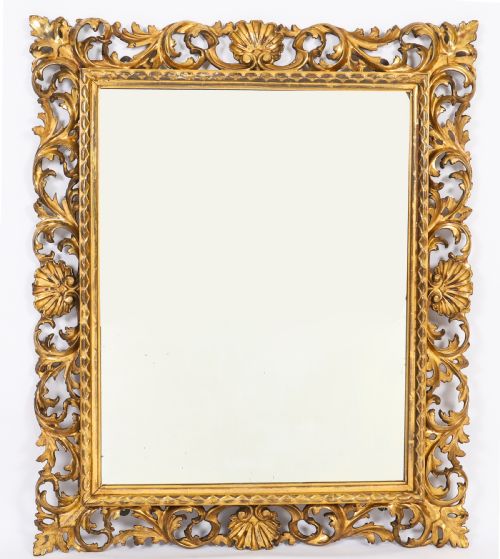
Forms extend beyond standard wall hanging frames to include dressing mirrors, pier glasses, and picture frames adapted to hold mirror glass. Regional variations shift between the exuberant carved foliage of Italian workshops and the restrained marquetry of earlier English pieces.
Materials and Construction
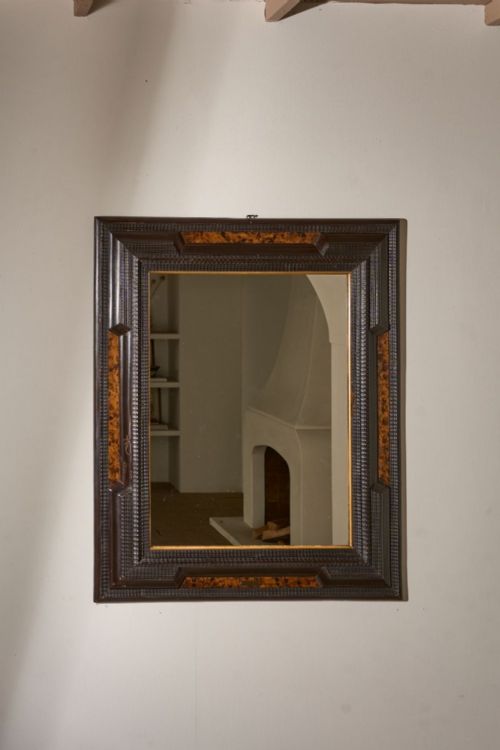
Makers built the primary structures from carved timber, oak, or limewood, applying layers of gesso to prepare the wooden surface for ornamentation. Artisans then laid gold leaf, silver leaf, or applied ebonised and faux tortoiseshell finishes to create rich reflective surfaces.
Mirror plates of the earlier periods utilised original mercury glass, while later pieces incorporated standard mirror glass held within heavy frames. Hand carving defines the ornament, with acanthus leaves, decorative masks, and repoussé brass details shaping the outer borders.
The inventory records Italian, French, Spanish, and English origins spanning the seventeenth, eighteenth, and nineteenth centuries.
Assessing Craftsmanship
Quality rests in the depth and crispness of the hand carving across the wooden frame, where deep relief work outshines flat or shallow decoration. The handling of the giltwood or silver leaf application also separates standard workshop output from exceptional pieces.
The survival of original components, such as mercury glass plates and early backing boards, elevates a piece significantly. The precision of the joinery in cushion frames and the complexity of Italian Florentine ornamentation further distinguish the finest examples.
The Antique Baroque Mirror Glossary
- Giltwood
- Wood coated with gold leaf over a prepared gesso ground. This finish provides the characteristic bright metallic sheen seen on many period frames.
- Mercury plate
- An early type of mirror glass created using a tin and mercury amalgam. It produces a characteristic mottled, dark reflection.
- Gesso
- A plaster mixture applied to wood to create a smooth surface for gilding. It holds fine detail during the carving process.
- Overmantel mirror
- A large glass designed to hang above a fireplace mantel. These pieces frequently span considerable horizontal widths.
Antique Baroque Mirror: Frequently Asked Questions
How do I hang a heavy antique baroque mirror safely?
These pieces require professional wall fixings due to the substantial weight of the solid timber frames and thick glass plates. Secure the mirror directly into masonry or locate the timber studs in a stud wall.
Distribute the weight evenly across two sturdy brackets rather than a single central wire. This prevents strain on the original antique frame construction.
What is the difference between original and replacement glass?
Original glass plates often show age spots, light oxidation, and minor distortions known as foxing. These natural imperfections confirm the age of the piece.
Replacement glass appears clear, uniform, and entirely flat without the historic distortions characteristic of early manufacturing methods.
Where should I place an antique baroque mirror in my home?
Position the glass opposite a window to maximise natural light distribution within the room. Overmantels function well above fireplaces, while smaller examples suit hallway placement.
Ensure the wall space allows the ornate carved dimensions to stand clear of surrounding furniture. This highlights the sculptural depth of the frame.