




Gilded Cartouche Mirror
A gilded cartouche mirror brings undeniable drama to a room, offering scrolling frames and asymmetrical flourish that instantly command attention.
Gilded Cartouche Mirror
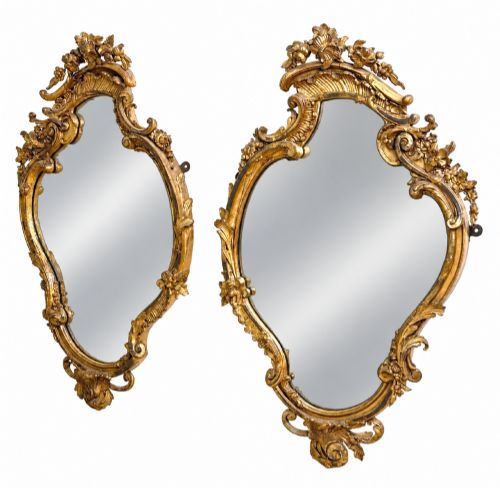
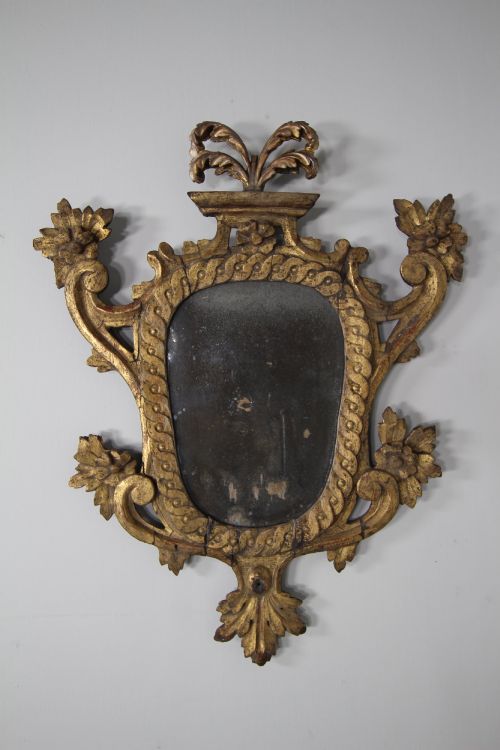
A gilded cartouche mirror is defined by its ornate, shield-like or scroll-framed centre, drawing heavily on eighteenth-century European design vocabularies. When searching for a gilded cartouche mirror, buyers encounter pieces spanning the eighteenth, nineteenth, and early twentieth centuries, with nineteenth-century revivals proving particularly common.
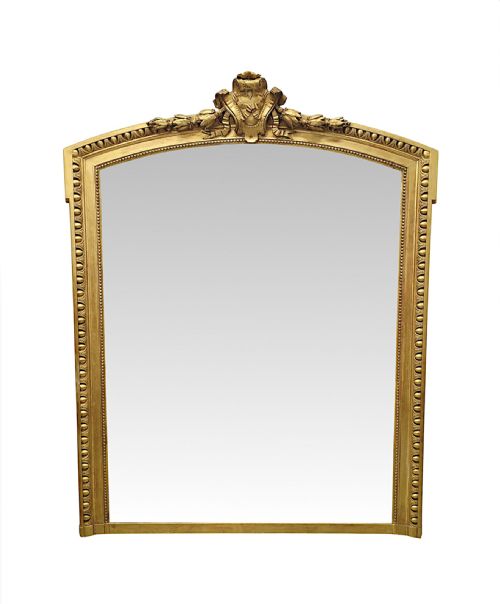
These wall and overmantel mirrors emerge in various regional interpretations, including Italian Rococo and French Rococo Revival styles. Surviving examples range from intimate forty-four centimetre wall pieces to large overmantels designed for grand halls and reception rooms.
Materials and construction
Master craftsmen built these frames using carved wood, giltwood, and gesso, applying gold leaf to achieve a brilliant metallic sheen. The application of gold leaf over layered gesso gives the ornamentation its characteristic depth and luminosity.
Mirrors feature original glass plates, which often display foxing and age spots that evidence their long history. Frames utilise traditional joinery and carving techniques to support the intricate asymmetrical scrolls of the cartouche form.
Gilded Cartouche Mirror Retail Price Guide 2026
Typical asking prices for gilded cartouche mirror among the pieces listed under this phrase on Sellingantiques today, from the lower quarter to the upper quarter. They describe what is for sale here now, not the wider market.
Some mirrors wear their age proudly with charmingly speckled glass that has spent centuries watching rooms change around it.
Factors of quality
The sophistication of the woodcarving separates exceptional examples from simpler production, with deep relief work and crisp scroll edges commanding greater visual interest. The subtlety of the gilding application dictates the overall richness of the surface.
Survival of original mirror plates with authentic foxing enhances the integrity of older pieces, while later replacements alter the historic character. The balance and proportion of the central cartouche frame relative to the glass plate determine the aesthetic success of the design.
The Gilded Cartouche Mirror Glossary
- Cartouche
- An ornamental frame resembling a rolled-up piece of parchment or a shield, often placed centrally at the top of a mirror. This scrolling motif defines the distinctive silhouette of these pieces.
- Giltwood
- Timber that has been coated with gold leaf or gold paint. This material provides the brilliant reflective surface characteristic of antique wall mirrors.
- Gesso
- A plaster-like mixture applied to wood frames to create a smooth surface for carving and gilding. It allows for crisp detail in ornamental flourishes.
- Foxing
- Age-related brown spots and speckles that develop on antique mirror glass due to the breakdown of the silvering behind the plate. Collectors value authentic foxing as proof of age.
- Rococo Revival
- A nineteenth-century design movement that revived the ornate, asymmetrical scrolls and naturalistic motifs of the eighteenth-century Rococo period. Most surviving wall mirrors reflect this exuberant style.
Gilded Cartouche Mirror: Frequently Asked Questions
Where should I hang a cartouche mirror?
These pieces suit prominent wall spaces where their ornate frames can act as a focal point, such as above a fireplace mantel or in a hallway. Their vertical orientation makes them well-suited for narrow expanses of wall.
Ensure the wall construction can support the weight of a heavy carved frame, particularly for large nineteenth-century overmantel versions.
How do I date an antique mirror?
Dating relies on examining the construction techniques of the wooden frame, the style of the carving, and the characteristics of the glass plate. Eighteenth-century pieces typically show hand-carved detailing and distinct regional French or Italian traits.
Nineteenth-century revivals often incorporate gesso mouldings and heavier proportions while mimicking earlier aesthetic movements.
What is foxed glass?
Foxing refers to the small spots and discolouration that appear naturally on old mirror plates as the reflective backing ages over decades or centuries. It creates a mottled appearance across the reflection.
Rather than a defect, many collectors appreciate foxing because it proves the mirror plate is original to the antique frame.
Are these mirrors fragile?
The combination of carved wooden frames, gesso, and delicate gold leaf requires careful handling during placement and cleaning. The protruding scrolls of the cartouche can be vulnerable to knocks.
Dusting should be done gently with a soft dry cloth, avoiding harsh modern cleaning chemicals that might damage the historic gilt surface.