



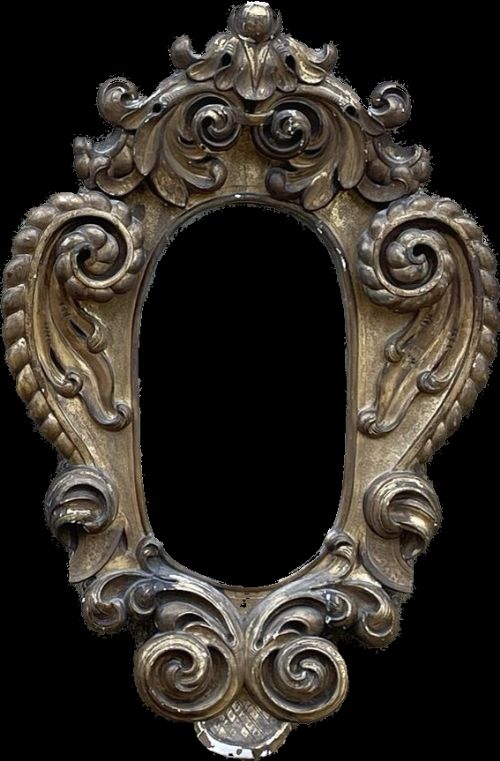


French Baroque Wall Mirror
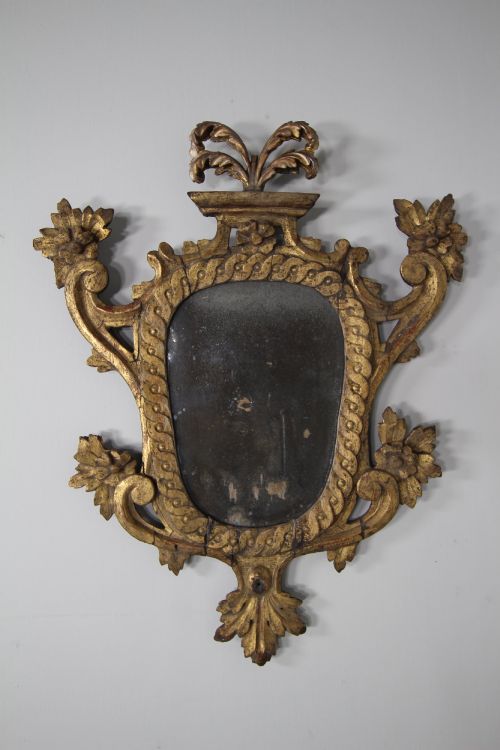
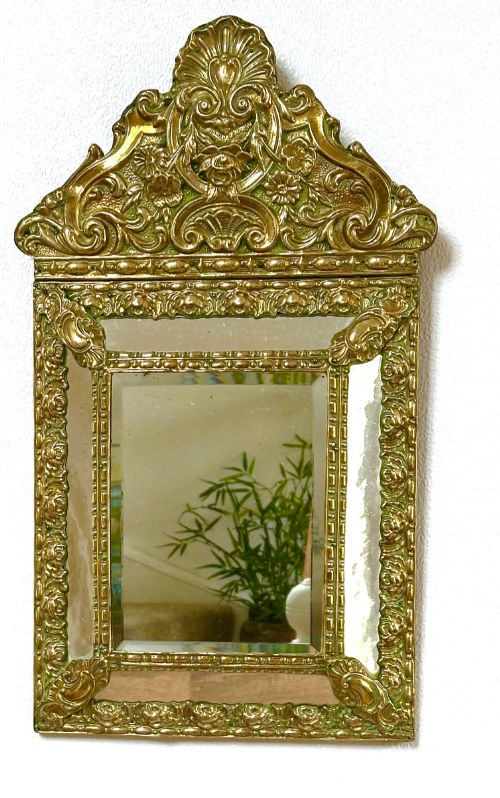
When you handle a french baroque wall mirror, you are looking at substantial giltwood and carved timber frames designed to command a room.
French Baroque Wall Mirror
A french baroque wall mirror brings grand 18th century proportions and ornate framing into domestic spaces, drawing on periods from seventeen hundred to the nineteenth century. You will frequently encounter nineteenth century revivals and twentieth century interpretations alongside genuine eighteenth century survivals.
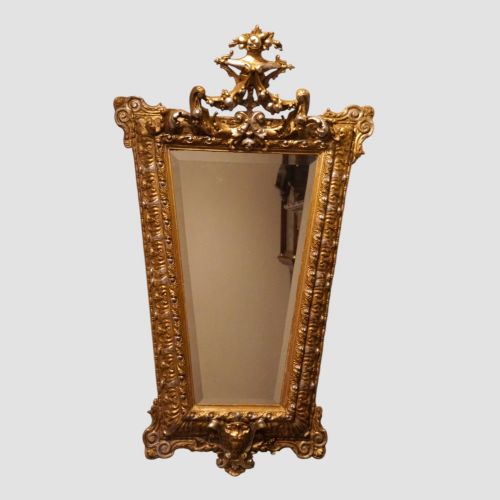
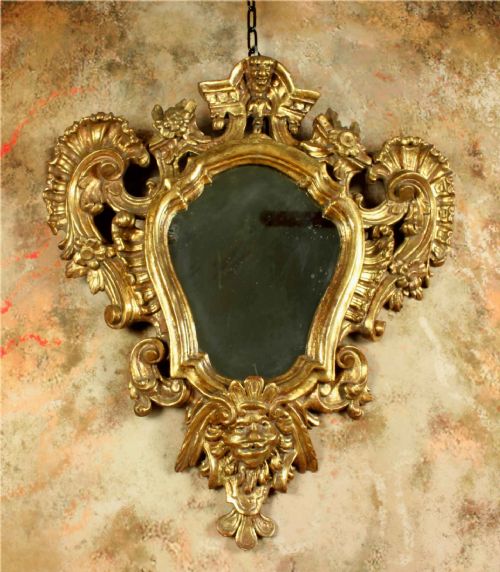
These pieces function primarily as wall mirrors and pier glass, often taking cushion framed, oval, or trapezoidal shapes. The design vocabulary leans heavily into baroque and rococo styles, frequently featuring intricate carved details such as lions heads or decorative masks.
What varies in quality
The depth and crispness of the wood carving distinguish exceptional examples from standard production, as skilled carvers achieve intricate relief work in the gesso and giltwood. The presence of original mercury plate glass significantly elevates the character of an older piece.
The integrity of the original gold leaf or silver leaf application also dictates the visual weight and ageing pattern of the frame, showing how well the piece has retained its historic finish.
French Baroque Wall Mirror Retail Price Guide 2026
Typical asking prices for french baroque wall mirror among the pieces listed under this phrase on Sellingantiques today, from the lower quarter to the upper quarter. They describe what is for sale here now, not the wider market.
One particularly stern Victorian example watches over your hallway decorated with a carved lions head.
The French Baroque Wall Mirror Glossary
- Giltwood
- Wood coated with gold leaf or metal powder applied over a prepared ground. This technique creates the rich metallic surface typical of formal period frames.
- Gesso
- A paint mixture consisting of a binder mixed with chalk, gypsum, or pigment. It is applied to timber frames to create a smooth surface for gilding.
- Pier glass
- A tall mirror designed to be hung on the pier, the section of wall between two windows. These tall formats often feature elaborate baroque framing.
- Cushion mirror
- A frame profile where the outer edge curves outward like a pillow or cushion. This volumetric shape is frequently seen in seventeenth and nineteenth century examples.
- Mercury plate
- An early mirror glass manufacturing process using a tin and mercury amalgam. It produces a distinctive mottled and deep reflective quality.
French Baroque Wall Mirror: Frequently Asked Questions
How do I hang a heavy giltwood mirror?
These substantial carved timber and gesso frames require robust wall fixings anchored directly into structural studs or masonry. Professional mirror hangers utilise heavy duty brackets to support the considerable weight safely.
Ensuring the hanging wire or D-rings match the mass of the frame prevents structural strain over time. Balance the placement at eye level to replicate historical interior layouts.
Are these mirrors genuinely eighteenth century?
The inventory contains genuine eighteenth century examples alongside nineteenth century revivals and early twentieth century interpretations. Examining the construction methods of the timber and the ageing of the plate helps determine the exact period.
Revival pieces from the nineteenth century often adopted the ornate vocabulary of earlier centuries while employing contemporary workshop techniques.
What is a pier glass?
A pier glass is a large vertical mirror traditionally hung on the wall space between two windows. These pieces were designed to maximise light distribution in formal rooms.
Their elongated proportions make them suitable for modern hallways and living spaces where vertical presence is desired.
How should I clean antique gilt surfaces?
Giltwood and gesso surfaces require gentle dusting with a soft, dry brush to avoid disturbing the delicate gold leaf or silver leaf layers. Moisture and chemical cleaners can strip historic finishes from the carved wood.
Glass plates can be cleaned with standard glass cleaner applied sparingly to a cloth, ensuring liquid does not seep behind the frame edges.
What defines the baroque style in mirrors?
Baroque design focuses on dramatic movement, deep relief carving, and symmetrical grandeur. Frames often incorporate scrolls, acanthus leaves, and prominent masks.
This theatrical aesthetic was intended to project wealth and architectural authority within grand reception rooms and halls.