


Antique Cartouche Mirror
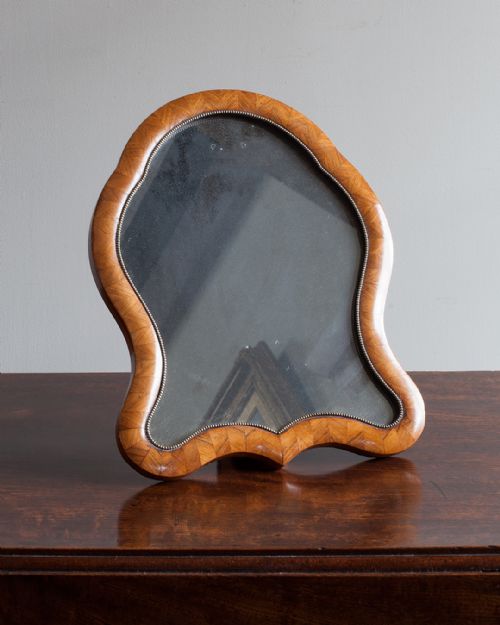
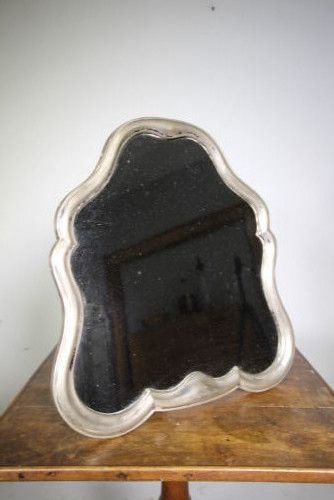
An antique cartouche mirror brings asymmetrical, scroll-heavy flourish to a room, formed around the distinct shield or scroll-bordered frame shape that defines the style.
Antique Cartouche Mirror
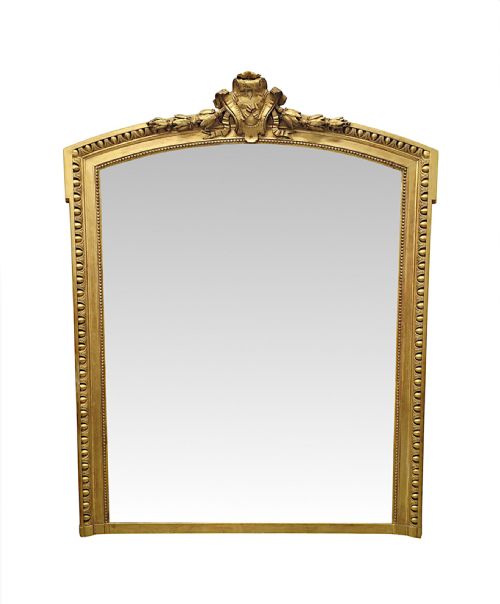
An antique cartouche mirror is defined by its characteristic frame, which takes the form of a scrolled or shield-like cartouche rather than a simple rectangle or circle. Buyers searching for an antique cartouche mirror will encounter pieces ranging from large overmantel formats down to smaller wall, vanity, and table mirrors.
The selections available span periods from the 18th century through the 19th century, including Regency, Victorian, Edwardian, and later 1920 examples. Styles lean heavily into Italian Rococo, French Rococo Revival, and French Neoclassical aesthetics, often featuring scrollwork or heraldic shield forms.
Most pieces function as wall mirrors or overmantel mirrors designed to anchor a principal room, though smaller vanity and table mirrors occasionally appear. The form relies on decorative carved outlines that draw the eye directly to the central glass plate.
Materials and construction methods
Giltwood and gesso form the primary structural and decorative skin for the majority of frames, providing the receptive surface needed for intricate scrollwork and gilded finishes. Artisans applied layers of gesso over a wood base before carving details and applying gold leaf or silver leaf.
Alternative materials include kingwood and walnut for timber-focused pieces, alongside brass accents and mirrored glass plates. Plates often show age through foxing, reflecting the historical manufacturing methods of silvering and glass production.
Listings span the 18th century to the 1920s, combining Italian and French Rococo Revival styles executed in giltwood, gesso, kingwood, and walnut.
Distinguishing quality across the range
Quality separates through the depth and crispness of the carving within the gesso and giltwood frame, where hand-tooled depth outperforms shallow moulding. Superior examples maintain original gilding and retain the harmonious proportions intended by the period designer.
The integrity of the mirror glass plate also dictates standard, with authentic period plates displaying characteristic foxing and distortion that mass-produced replacements lack. Construction details at the reverse of the wood frame further separate workshop craftsmanship from standard production.
The Antique Cartouche Mirror Glossary
- Cartouche
- A framed decorative motif resembling a scroll, shield, or rolled-up piece of paper with an ornate border. This shape forms the entire outline of the mirror frame.
- Giltwood
- Wood that has been coated with a thin layer of gold leaf or powder over a preparation of gesso. It provides the signature metallic sheen seen on Rococo revival frames.
- Gesso
- A plaster-like mixture applied to wood frames to create a smooth surface for carving and gilding. It allows for intricate relief decoration that wood alone cannot easily sustain.
- Foxing
- Age-related brown spots and speckles that develop on antique mirror plates as the silvering degrades. Collectors prize original foxed plates as evidence of authenticity.
- Overmantel mirror
- A large mirror specifically designed to hang above a fireplace mantel. These pieces often feature prominent central cartouche motifs to anchor the chimney breast.
Antique Cartouche Mirror: Frequently Asked Questions
Where should I hang a cartouche mirror?
These mirrors work best as focal points above a fireplace mantel, in a hallway, or above a console table where their elaborate outlines can command attention.
Ensure the wall fixings support the weight of the timber and gesso frame securely before hanging.
How do I clean an antique mirror frame?
Dust the giltwood or wood frame gently with a soft, dry brush to prevent damage to the delicate gesso and leaf finish.
Avoid using commercial polishes or water on historical gilded surfaces, as moisture strips the leaf.
Are original mirror plates always foxed?
Most 18th and 19th-century plates show some degree of foxing, darkening, or minor silver loss due to age and chemical changes in the backing.
While some buyers prefer pristine glass, foxing remains a strong indicator of an untouched period plate.
How do I tell an 18th-century mirror from a 19th-century revival?
Eighteenth-century pieces typically exhibit hand-carved detailing directly into wood or thick gesso with organic asymmetry, whereas later revival pieces often use moulded composition ornaments.
Construction joints, backboards, and the composition of the glass plate provide further clues to dating.