



Small Wall Mirrors
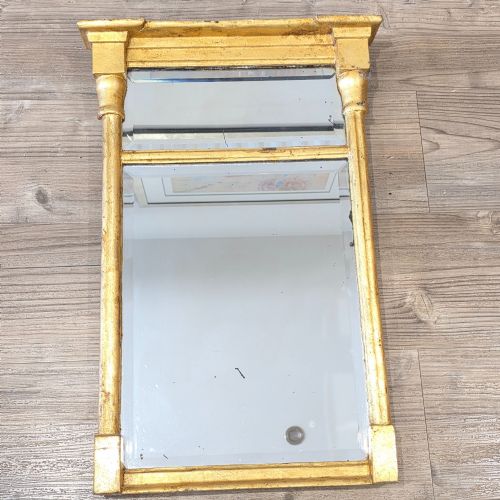
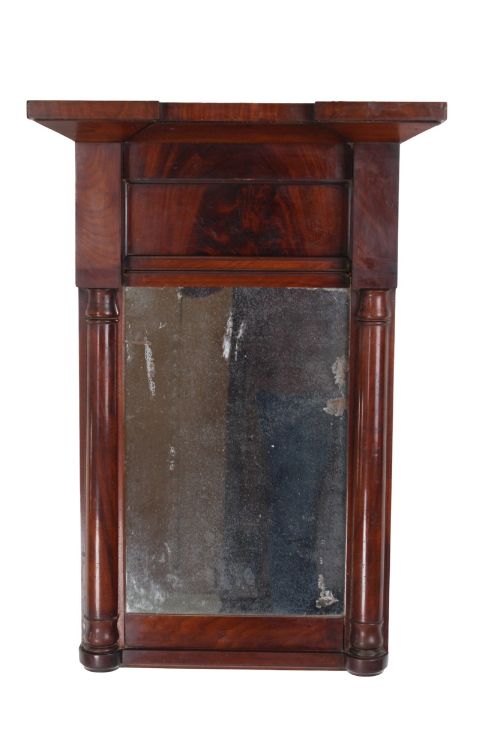
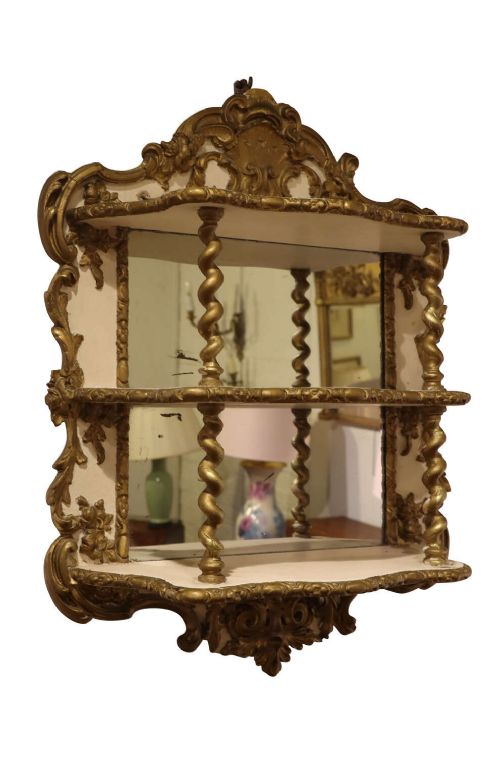
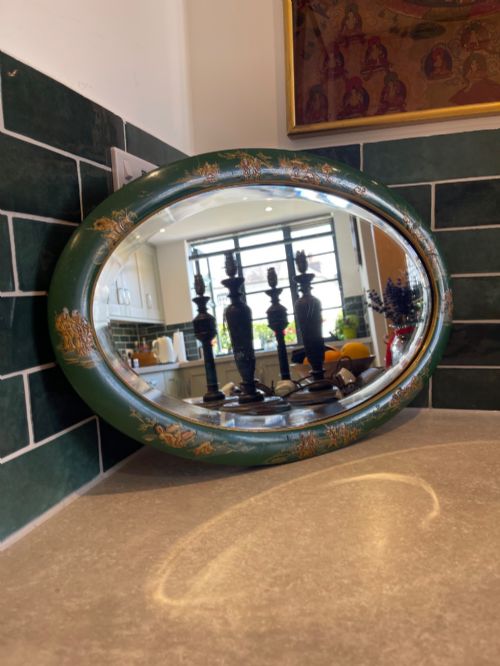
Small wall mirrors turn up in giltwood, mahogany, and gesso across the Regency, Victorian, and eighteenth-century periods.
Small Wall Mirrors
Small wall mirrors are compact hanging looking glasses designed to sit in hallways, bedrooms, or smaller reception rooms. When you search for small wall mirrors, you meet pieces originating from the eighteenth century, the Regency era, and the nineteenth century, alongside later Edwardian and 1920s interpretations.
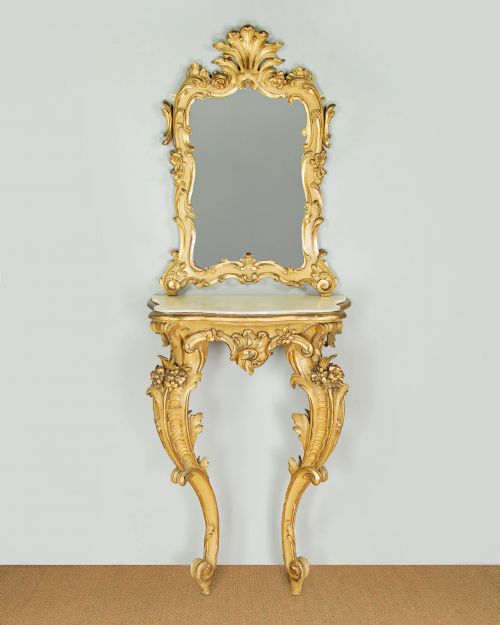
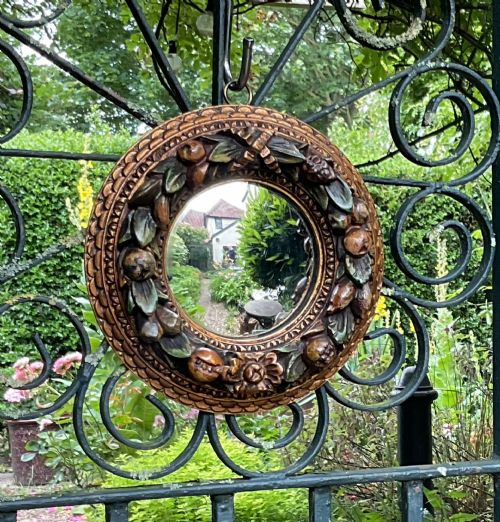
The most common forms on this page include convex round mirrors, pier mirrors, and arched top designs framed in giltwood or mahogany. These examples often incorporate applied gesso, carved wood, or brass elements, reflecting the distinct decorative tastes of their respective periods.
How they were made
Frames are constructed from timbers such as mahogany, sycamore, beech, and pine, often finished with layers of gesso and gold leaf or paint. Carved details and applied ornamentation require skilled hand-working, particularly on intricate Rococo or classical revival motifs.
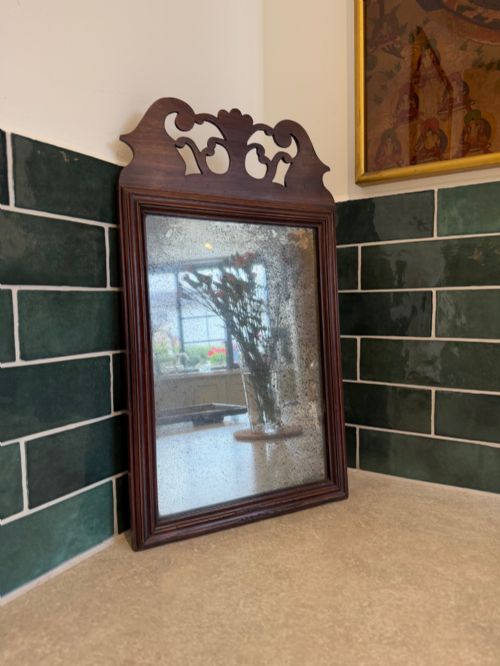
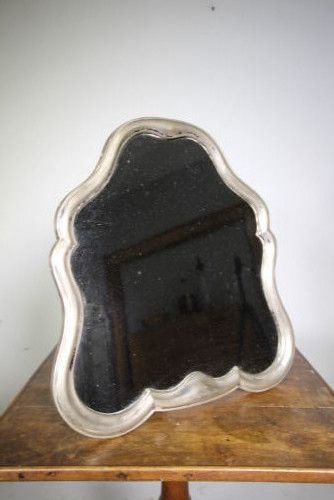
Mirror plates consist of traditional glass, sometimes showing foxing or age spots from centuries of oxidation. Backings and slips secure the glass within the frame using period-appropriate joinery and fixings.
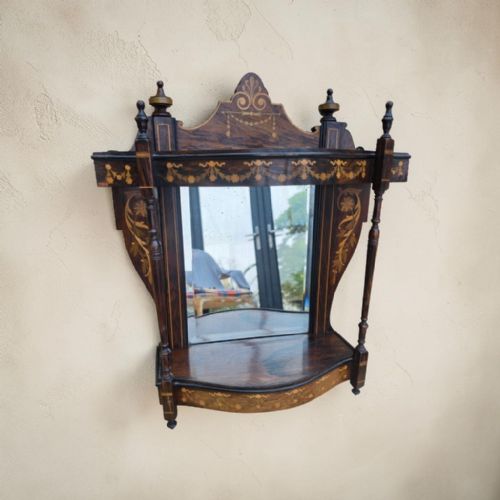
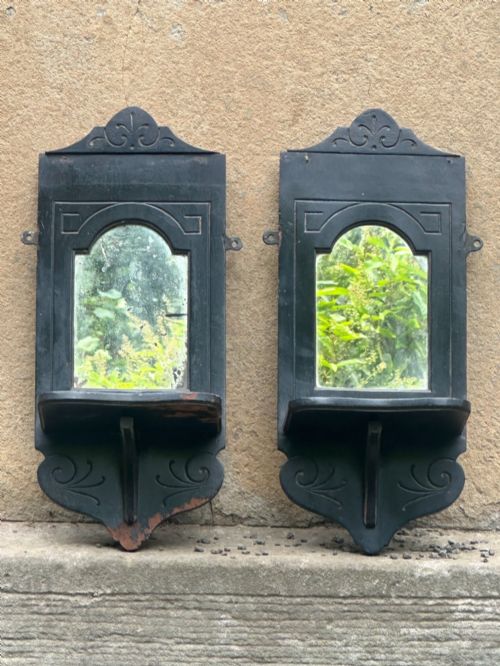
Materials recorded across these listings include giltwood, gesso, mahogany, ebonised wood, and brass.
What varies in quality
Quality rests in the crispness of the hand-carved ornament and the depth of the original gilding or timber grain. Finer examples retain their original mirror plates and untouched surface patination, showing genuine age rather than later restoration.
Proportion and balance distinguish better pieces from standard production. A well-proportioned frame integrates its carved elements harmoniously without appearing heavy or crowded.
Cottier & Co.
The Small Wall Mirrors Glossary
- Giltwood
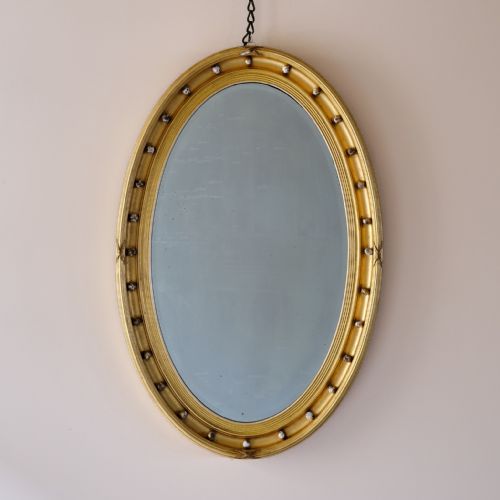
- Wood carved and coated with gold leaf. This finish defines many formal wall mirrors from the eighteenth and nineteenth centuries.
- Gesso
- A plaster mix applied to wood frames to create a smooth surface for gilding or painting. It accepts fine detail work during carving.
- Convex mirror
- A round looking glass with a curved outward surface that reflects a wide-angle view of the room. These pieces are frequently called sorcerer's mirrors.
- Pier mirror
- A tall, narrow glass designed to hang on the wall space between windows. They often feature simple rectilinear frames or applied architectural details.
- Foxing
- Small dark spots and discoloration that develop on old mirror glass over time. This chemical reaction occurs between the silver backing and the atmosphere.
Small Wall Mirrors: Frequently Asked Questions
Where should I hang a small wall mirror?
These mirrors suit narrow wall spaces, hallways, or above small pieces of furniture like console tables and mantelpieces. Their compact size allows them to fit where larger overmantels would overwhelm the room.
Position them opposite windows to catch and reflect natural daylight into darker corners of the interior.
How do I identify a Regency mirror?
Regency mirrors frequently feature classical motifs such as ball-studded frames, reeded pilasters, or eagle crests. The wood is often mahogany or heavily gilt, reflecting early nineteenth-century neoclassical design.
Proportions tend to be clean and architectural, drawing on ancient Roman and Greek inspiration.
What is a convex mirror used for?
Convex mirrors were originally placed in formal rooms to monitor guests and staff across a wide field of view. The curved glass gathers light from the entire interior, brightening the space.
They serve primarily as decorative focal points due to their distinct spherical reflection.
Can I trust foxed mirror glass?
Foxing is a natural sign of age caused by the gradual breakdown of the silver backing behind the glass. Many collectors prize original foxed plates because they confirm the authenticity of the antique.
It does not compromise the structural integrity of the mirror, provided the plate remains secure in its frame.