




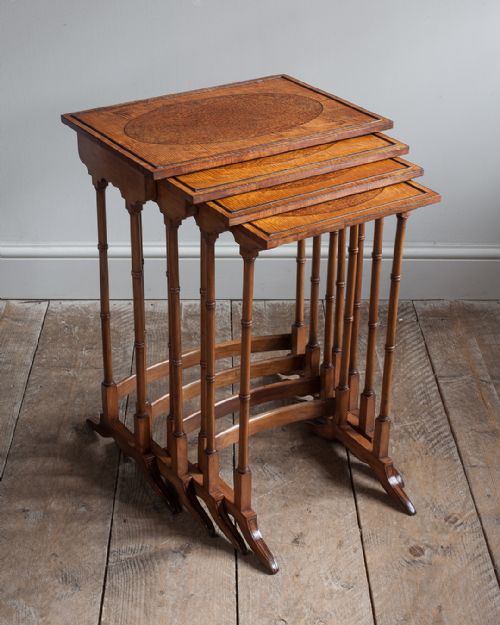


Antique Bamboo Coffee Table
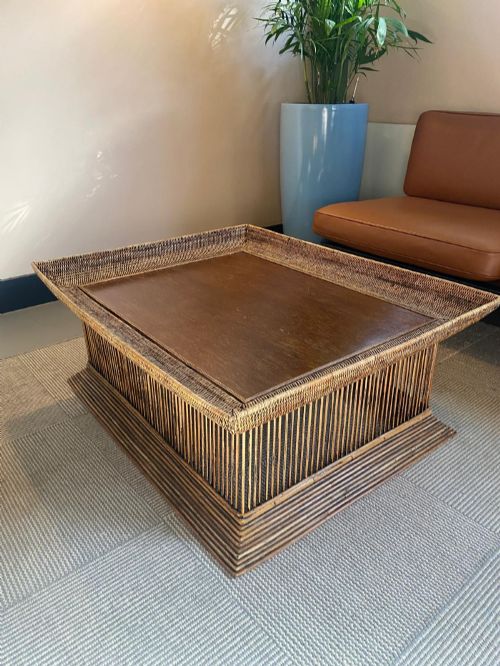
An antique bamboo coffee table brings an airy, exotic texture into a room through natural materials and nineteenth century design.
Antique Bamboo Coffee Table
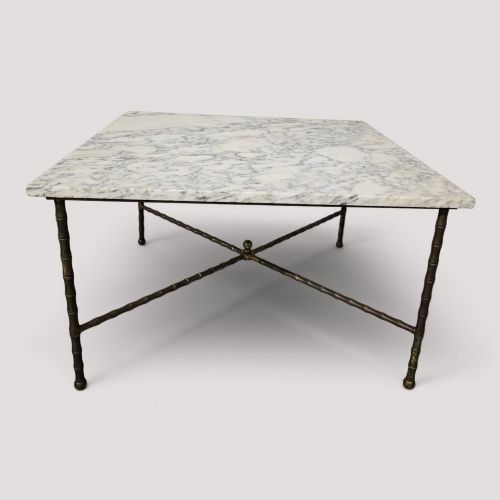
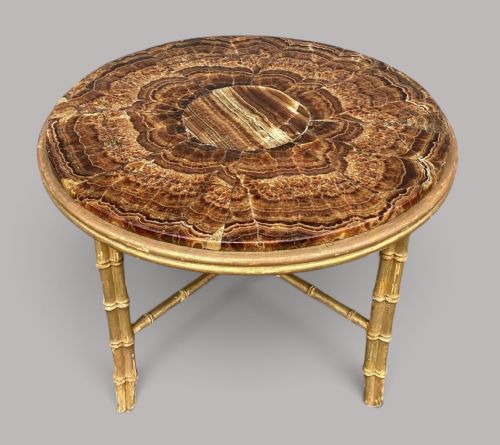
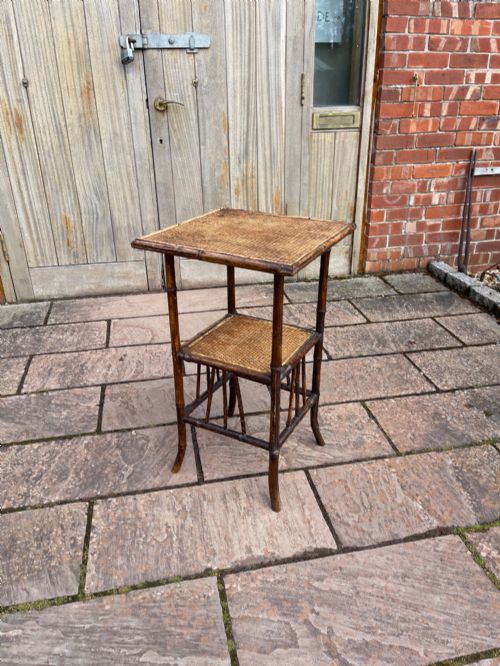
When searching for an antique bamboo coffee table, buyers encounter nineteenth century pieces alongside Victorian and Edwardian variations that utilise natural bamboo frames. These tables often take the form of occasional tables, tray tables, or nesting tables created within the aesthetic movement style. Many pieces incorporate woven reed or display oriental hardwood and lacquer finishes alongside standard bamboo construction.
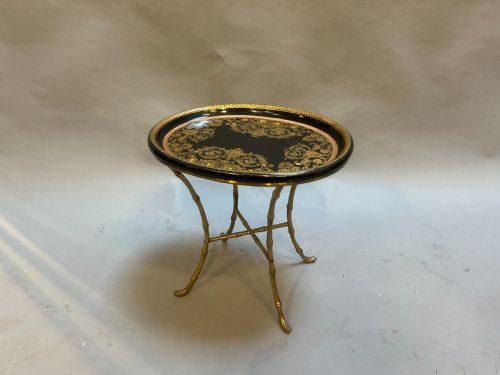
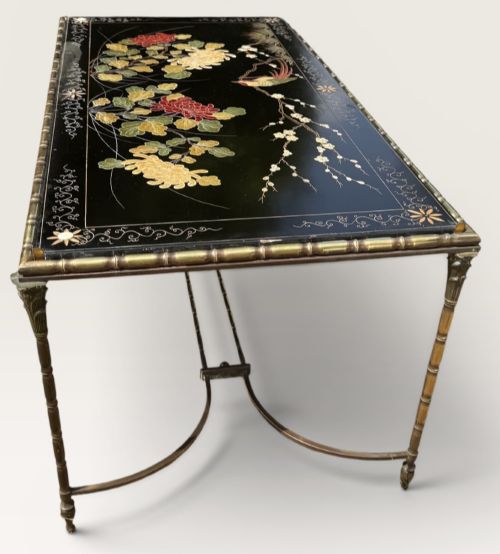
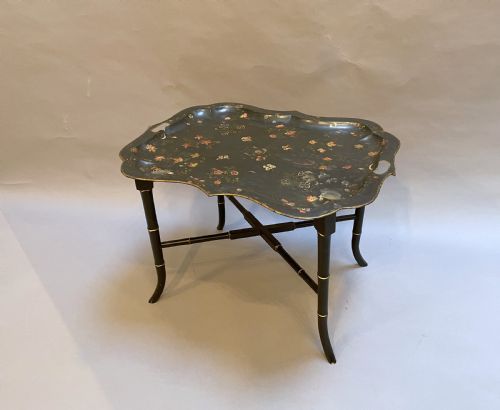
The Victorian era produced notable examples featuring ebonised bamboo and chinoiserie decoration, reflecting a broader fascination with imported design themes. Alongside traditional bamboo frames, related low tables appear in the form of papier-mâché trays on stands and hardwood coffee tables from the nineteenth century. These varied forms provide surface space while maintaining the lighter proportions characteristic of the period.
Judging quality and execution
Quality rests upon the structural integrity of the bamboo joints and the stability of the frame across occasional tables and nests. Finer examples display precise cane bindings and solid timber or well-preserved papier-mâché tray tops without excessive splitting.
The execution of surface decoration marks a clear distinction between standard production and superior work. Hand-painted chinoiserie, original lacquer, and careful gilding demonstrate higher craftsmanship than simpler, plain timber or later reproductions.
Antique Bamboo Coffee Table Retail Price Guide 2026
Typical asking prices for bamboo coffee table among the pieces listed under this phrase on Sellingantiques today, from the lower quarter to the upper quarter. They describe what is for sale here now, not the wider market.
Listings feature materials spanning bamboo, rosewood, satinwood, lacquer, and papier-mâché across the nineteenth and early twentieth centuries.
The Antique Bamboo Coffee Table Glossary
- Aesthetic Movement
- A nineteenth century design style that emphasised art for art's sake and drew inspiration from Japanese and Chinese decorative arts. Pieces from this movement often feature ebonised bamboo and asymmetric motifs.
- Chinoiserie
- European interpretation and imitation of Chinese artistic traditions, popular in furniture decoration. This style appears frequently on papier-mâché trays and lacquered tables.
- Japanning
- A European form of finishing that imitated Japanese lacquer work using heat-dried varnish layers. It is commonly found on nineteenth century occasional tables.
- Quartetto of tables
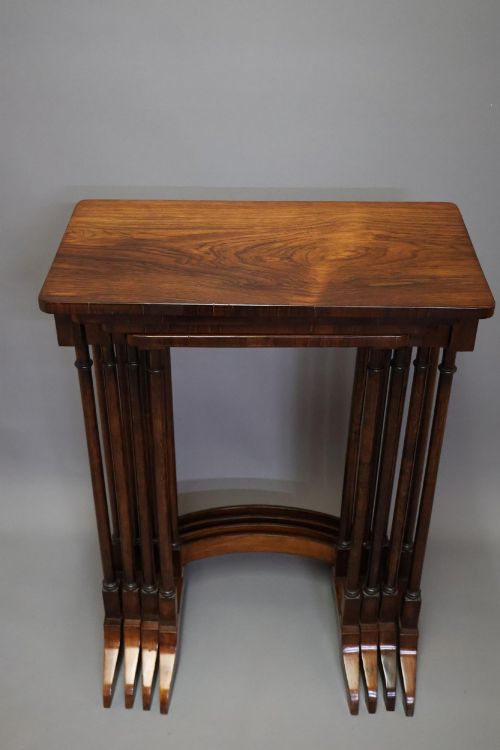
- A matched set of four nesting tables that slide beneath one another. These date from the Regency and later periods.
- Papier-mâché
- A composite material made from paper pulp or layers of paper bound with glue, pressed and dried to form rigid trays. These were mounted on folding or fixed wooden stands to serve as tables.
Antique Bamboo Coffee Table: Frequently Asked Questions
How do I clean bamboo furniture?
Dust natural bamboo regularly with a soft, dry cloth to prevent dirt from settling in the reed work and joints.
Avoid harsh chemical cleaners and excess water, which can damage the natural fibres and weaken the cane bindings.
Are these tables sturdy enough for daily use?
Nineteenth century bamboo and occasional tables were built for practical service in parlours and drawing rooms.
While generally stable, their lighter frames require careful placement to avoid excessive weight or strain on the joints.
What is an ebonised finish?
Ebonising is a process of treating wood or bamboo to simulate the dark, dense appearance of ebony.
This technique was particularly popular during the Victorian aesthetic movement to provide contrast against gold or painted details.
How do I identify a Victorian piece?
Victorian furniture often exhibits distinct material combinations such as ebonised bamboo with woven reed or papier-mâché tray tops.
Construction methods, patination of the materials, and stylistic markers like chinoiserie decoration help separate these nineteenth century items from later reproductions.