



19th Century Bamboo Stand
A 19th century bamboo stand brings lightness and exotic texture to a room, offering practical surface space through natural cane and lacquered panels.
19th Century Bamboo Stand
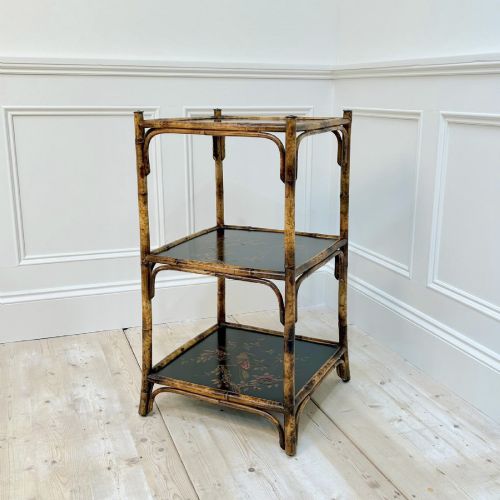
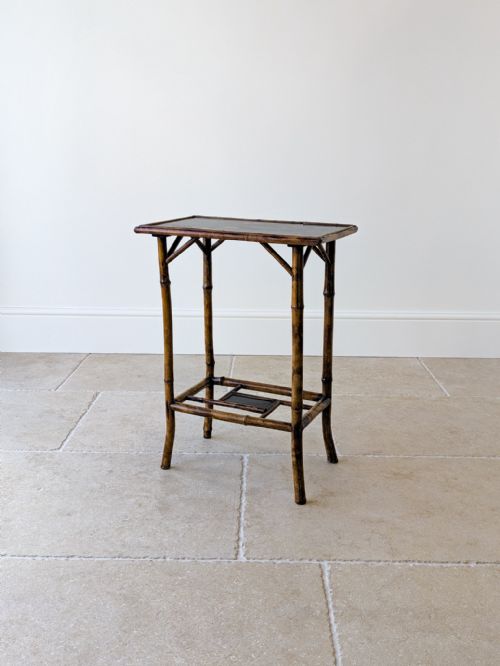
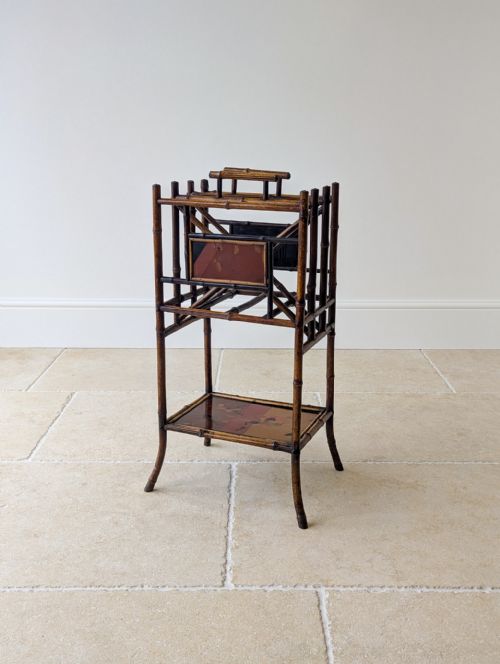
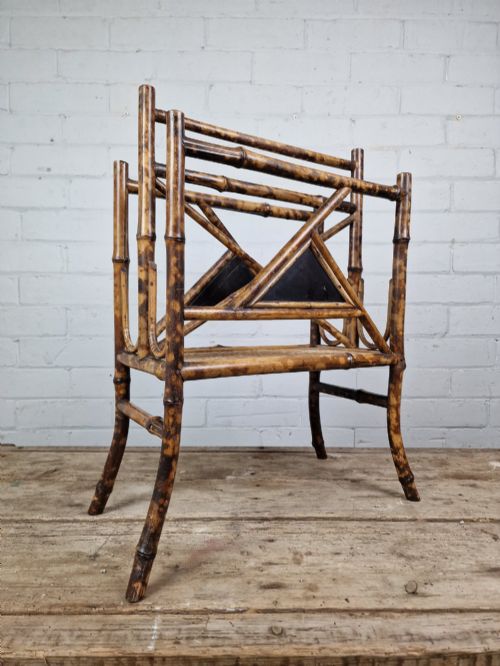
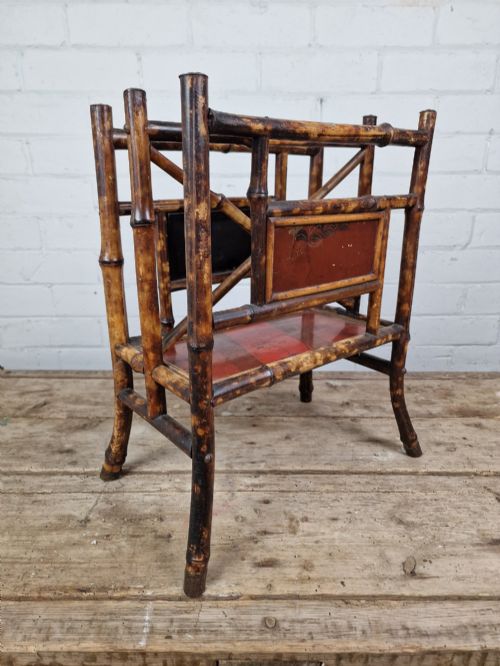
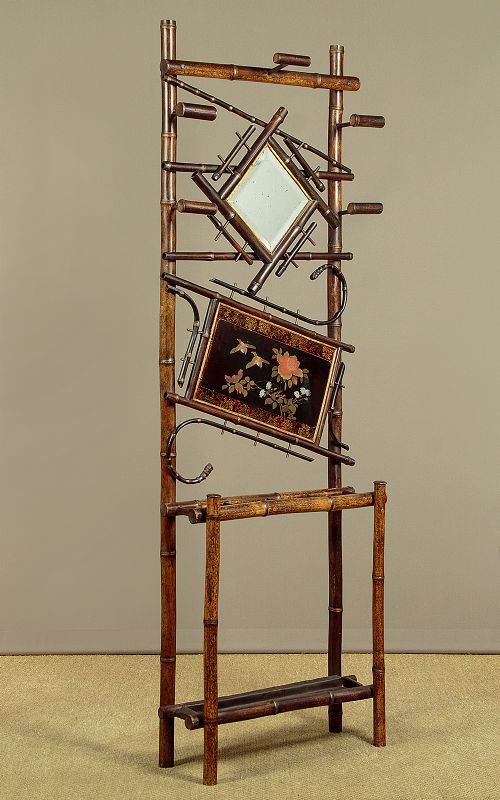
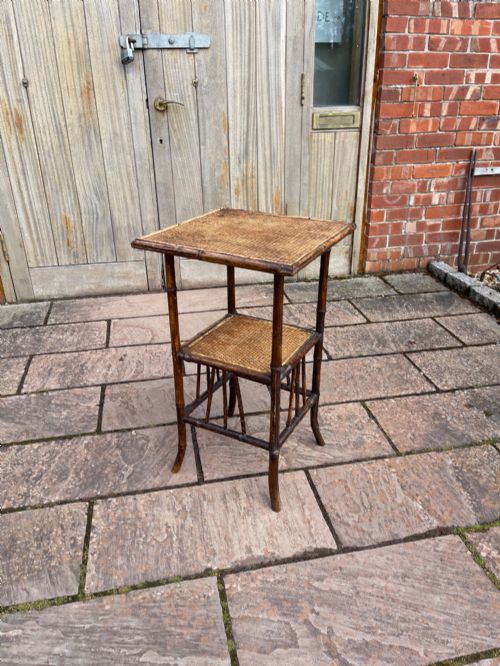
A 19th century bamboo stand encompasses a diverse range of domestic furniture designed for utility and display, from occasional tables and bedside cabinets to magazine racks, canterburys, and hall stands. These pieces reflect the Victorian fascination with exotic materials and Far Eastern design, emerging strongly during the Aesthetic Movement and late Victorian periods.
Origins vary from English workshops to French ateliers and Chinese export production, uniting under a shared enthusiasm for lightweight, decorative furniture. Whether utilised as a lamp table with a tiled top or a freestanding plant stand, each piece demonstrates the structural versatility of cane and its simulated alternatives.
What varies in quality
Quality in a 19th century bamboo stand rests upon the integrity of the joints and the preservation of any applied surface decoration, such as lacquer, hand-painting, or tile work. Pieces with tighter cane bindings and stable, rigid frames demonstrate superior initial construction and better survival over time.
The sophistication of the design elevates certain examples, particularly those featuring multiple tiers, clever folding mechanisms, or unusual combinations like birdseye maple and brass fittings. Faux bamboo pieces vary according to the fidelity of the carving and the quality of the painted finish simulating natural tiger markings.
19th Century Bamboo Stand Retail Price Guide 2026
Typical asking prices for 19th century bamboo stand among the pieces listed under this phrase on Sellingantiques today, from the lower quarter to the upper quarter. They describe what is for sale here now, not the wider market.
Listings feature items from the Victorian and Regency periods, utilising natural bamboo, tiger bamboo, birdseye maple, pine, and papier-mâché across various forms.
The 19th Century Bamboo Stand Glossary
- Bamboo
- A woody grass utilised for furniture framing, prized for its natural hollow strength and jointed aesthetic. It forms the primary structural material for Victorian occasional tables and plant stands.
- Faux bamboo
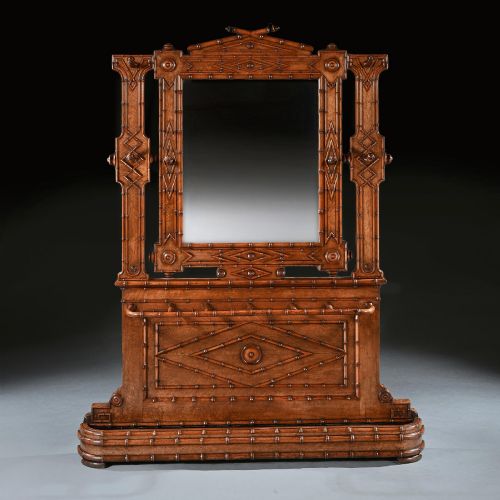
- A decorative technique where wood, metal, or papier-mâché is carved or painted to imitate the segmented stems and nodes of natural bamboo. This method allowed makers to produce sturdy umbrella stands and bedframes using traditional cabinet timbers.
- Tiger bamboo
- A specific variety of bamboo featuring dark, mottled brown markings resembling tiger stripes against a lighter golden ground. It was frequently selected for decorative occasional furniture during the Aesthetic Movement.
- Canterbury
- A low, partitioned stand originally designed for holding sheet music or books, frequently constructed in bamboo during the late nineteenth century. These pieces often double as magazine racks in modern settings.
- Aesthetic Movement
- A late nineteenth-century design movement that prioritised visual beauty over narrative or moral function, drawing heavily on Japanese art. Pieces from this era often combine bamboo and lacquer for decorative interior displays.
- Hongmu
- A dense, dark traditional Chinese hardwood utilised for export furniture and stands. Items in this material reflect cross-cultural exchange during the nineteenth century.
19th Century Bamboo Stand: Frequently Asked Questions
How do I use a bamboo stand today?
A bamboo stand functions easily in modern interiors as an occasional side table, a bedside cabinet, or a plant holder in a well-lit corner. Tall hall stands and canterburys serve their original purposes in hallways and living rooms for organising mail, umbrellas, and magazines.
Because these pieces are lightweight, they move simply from room to room as functional accent furniture. Placing them away from direct heat sources helps preserve the natural cane and lacquer over time.
What is the difference between real and faux bamboo?
Real bamboo consists of actual hollow cane stems joined together, offering a lightweight structure with visible natural nodes. Faux bamboo is carved or turned from solid wood, painted metal, or papier-mâché to mimic those same segmented stems.
Faux bamboo often provides heavier stability, making it common for items like umbrella stands and washbowl frames. Close inspection of the joints and weight usually reveals whether the material is natural cane or simulated timber.
How do I date a 19th century bamboo stand?
Dating relies on stylistic markers such as the influence of the Aesthetic Movement, Japonisme motifs, and construction methods like machine-turned components versus hand-bent cane. Pieces labeled with Victorian or specific decades often align with British registration marks or distinctive lacquering techniques popular between eighteen-sixty and nineteen-hundred.
Archival comparisons with similar dated items help narrow the manufacturing window. Examining secondary woods like pine or metal hardware also offers clues regarding the production period.
Where were these stands originally made?
Production occurred across Britain, France, and China, reflecting a global market for exotic and Japonisme furnishings during the Victorian era. European workshops frequently imported raw cane or manufactured faux bamboo locally, while Chinese export pieces arrived directly through international trade.
English and French pieces often show distinct cabinetmaking traits, such as specific softwood linings or lacquer formulations. Chinese Hongmu stands represent the distinct craftsmanship of Asian export workshops tailored for Western tastes.