




Antique Baluster Table Lamp
An antique baluster table lamp brings sculptural weight and height to a room, drawing the eye with its swelling central profile.
Antique Baluster Table Lamp
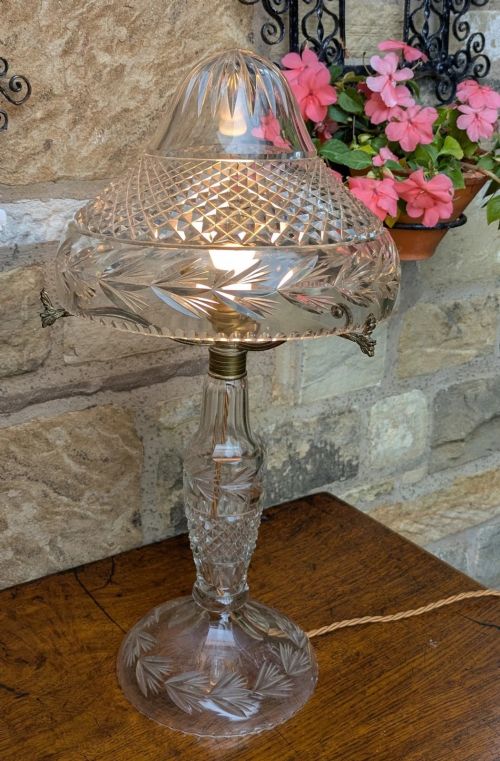
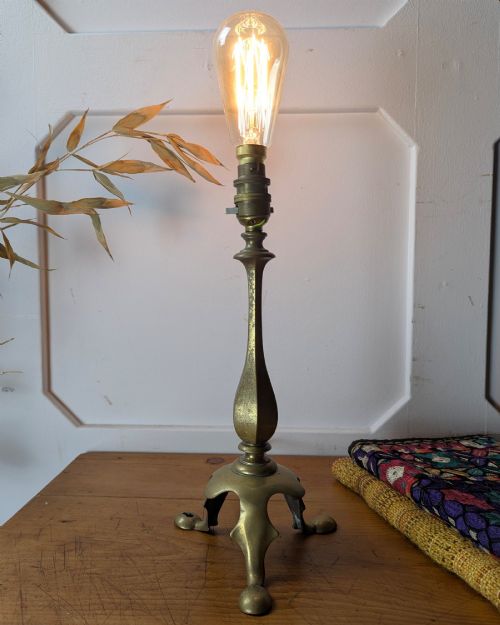
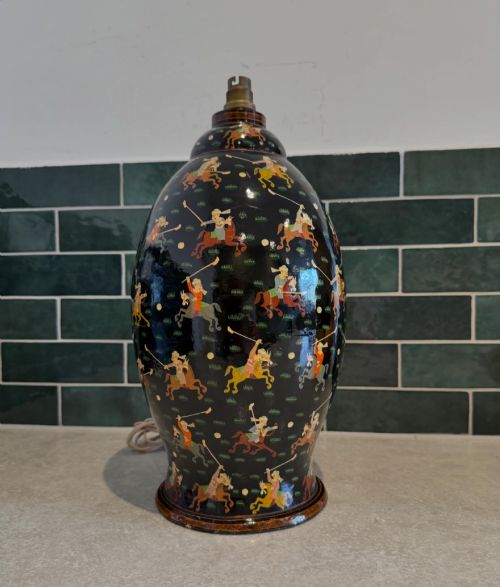
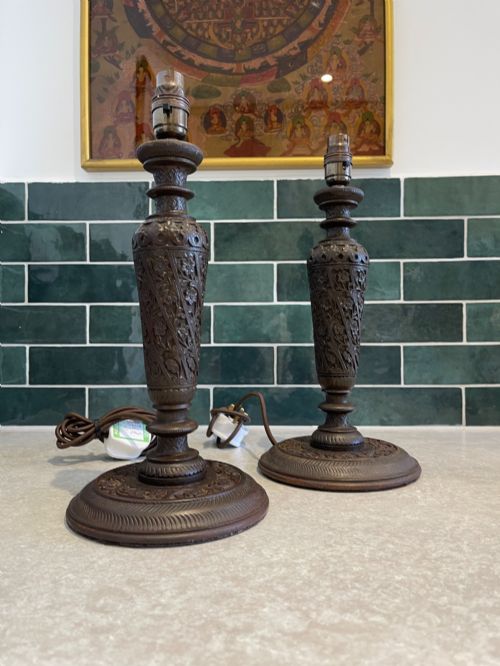
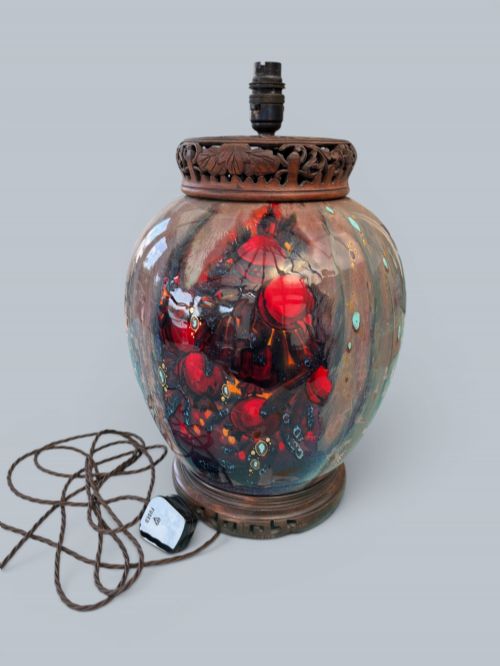
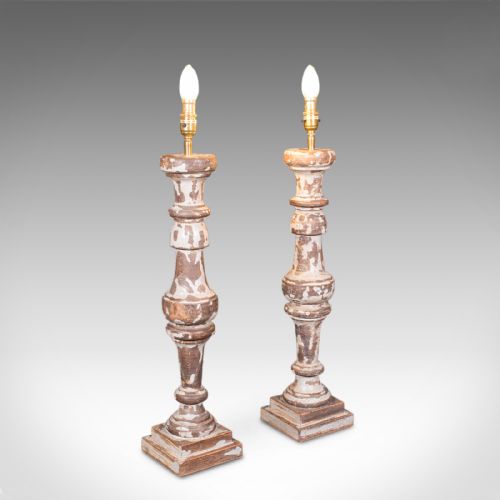
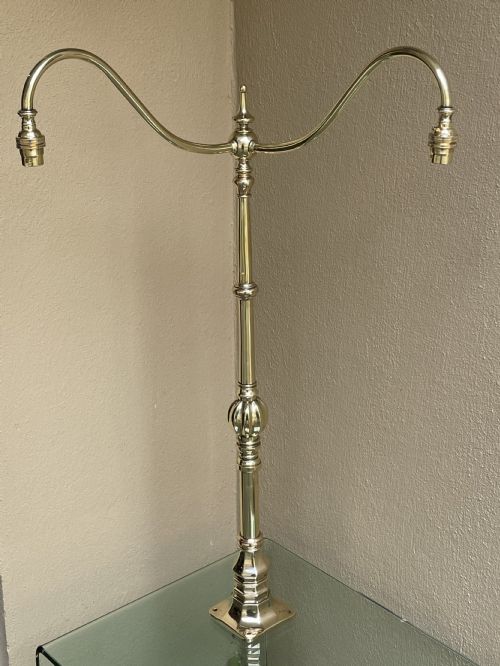
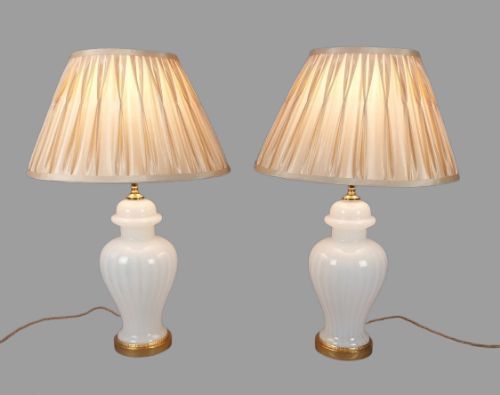
An antique baluster table lamp presents a distinct architectural silhouette, characterised by a rounded lower body tapering gracefully towards the top. On this page, these pieces predominantly take the form of converted ceramic and bronze vases, alongside architectural brass columns.
The selection draws on diverse origins, spanning English brasswork, French porcelain, and Japanese and Chinese export wares adapted for electric illumination. These lighting pieces cross multiple periods, appearing in Victorian, Edwardian, and early twentieth-century guises.
Buyers encounter single lamps and matched pairs alike, offering versatility for console tables, sideboards, and desk spaces. Many examples originate as earlier vessels or newel post lamps, thoughtfully converted to carry modern electrical fittings while retaining their historic character.
Materials and Construction
The construction of these lamps relies on the pairing of dense structural bodies with metal mounts or weighted bases for stability. Makers utilised brass, gilt metal, and bronze to frame porcelain, glass, and carved wood.
Ceramic bodies typically originate from Chinese, Japanese, or European potteries, employing techniques such as cloisonné, famille verte, and painted enamel. Metal components are cast, turned, and occasionally silver-plated or hand-painted to complement the central vessel.
Adaptation for domestic lighting involved the careful drilling or mounting of historic vases and urns without compromising the structural integrity of the base. Wiring and bulb holders were then integrated securely into the neck or collar of the piece.
Listings feature porcelain, brass, and bronze materials across Victorian, Edwardian, and eighteenth-century periods.
Distinctions in Quality
Quality in an antique baluster table lamp rests primarily on the crispness of the casting and the fidelity of the hand-painted decoration. Finer ceramic bodies display precise pigment application and deep, clear glazes, while lesser examples show softer lines and simpler execution.
The harmony of the conversion dictates the overall success of the piece, particularly how cleanly the electrical mounts integrate with the historic body. Substantial metal mounts, solid marble or brass bases, and well-balanced proportions separate the finest examples from simpler utility lighting.
Moorcroft Art Pottery·Samson Porcelain
The Antique Baluster Table Lamp Glossary
- Baluster
- A vertical architectural form with a swelling lower belly and a slender neck, which defines the primary shape of these lamp bases. This silhouette derives from classical stone stair balustrades.
- Famille Verte
- A Chinese porcelain palette dominated by green enamels, frequently seen on late nineteenth-century vase lamps. The term describes a specific polychrome style introduced during the Qing dynasty.
- Newel Post Lamp
- A sturdy lighting fixture originally designed to mount atop the primary stair post in a hallway. These pieces provide robust brass construction and generous proportions.
- Cloisonne
- A decorative metalwork technique where enamel pastes are applied within compartments formed by soldered wire strips. This method produces intricate, colourful patterns across bronze and brass lamp bodies.
- Ormolu
- Gilt bronze mounts used to decorate and elevate the appearance of porcelain vessels. French makers frequently employed this technique to finish luxury lighting.
Antique Baluster Table Lamp: Frequently Asked Questions
How are antique lamps wired safely?
Most antique lamps on the market have been modernised with contemporary electrical flex, standard lampholders, and UK plugs to meet current safety standards. It remains sensible to have any newly acquired historic lamp checked by a qualified electrician before daily use.
Rewiring typically preserves the original body and mounts while replacing the internal wiring and safety components. This ensures the piece operates reliably within a modern domestic setting without losing its period integrity.
Can I find matching pairs of lamps?
Matched pairs appear frequently within porcelain and bronze vase conversions, particularly among nineteenth-century Chinese export wares and Japanese works. These pairs provide symmetrical balance for large sideboards or mantlepieces.
Single lamps also feature strongly, offering statement lighting for narrower side tables or reading corners. Mixing single lamps across a room allows for characterful variation rather than strict uniformity.
How do I date a ceramic lamp base?
Dating relies on examining the potting style, the palette of the enamel or glaze, and any associated hardware or metal mounts. Victorian and Edwardian conversions often retain mounting styles characteristic of their late nineteenth or early twentieth-century adaptation.
Underglaze marks or the specific wear on the base can offer further clues to the origin of the vessel. Comparing the form against known export periods helps narrow down the decade of production.
What is a newel post lamp?
A newel post lamp is a heavy-duty fixture originally created to illuminate entrance hallways from the main staircase post. These pieces feature robust brass or bronze construction designed to withstand high-traffic domestic environments.
Their substantial height and solid build make them exceptionally stable when placed on large side tables or pedestals. They bring an architectural presence distinct from standard porcelain vase conversions.