

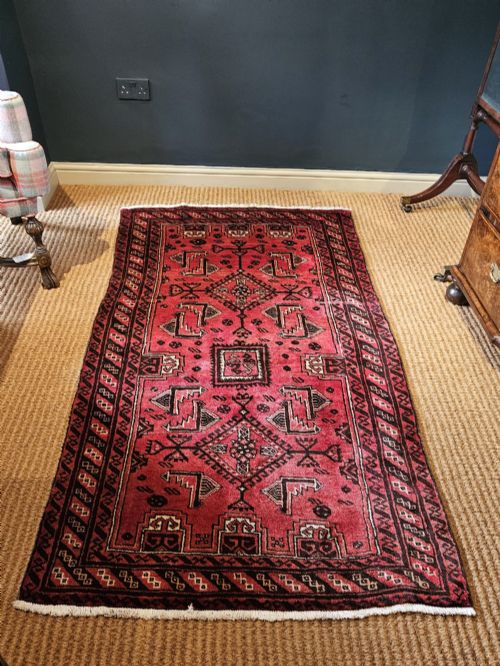
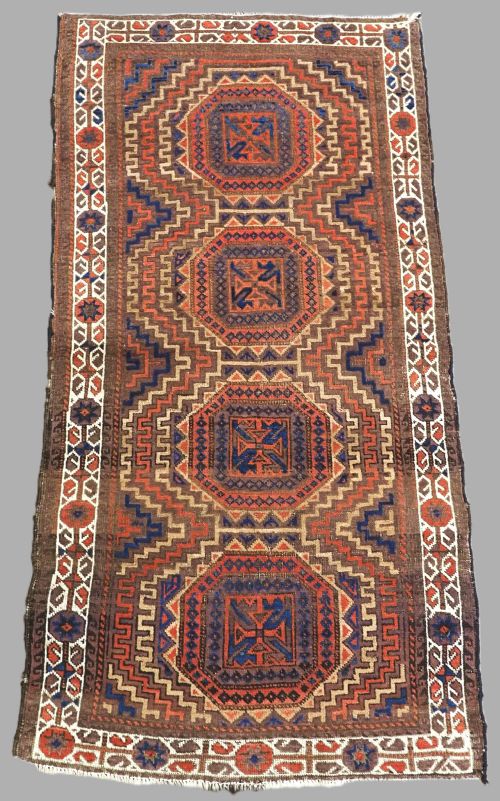
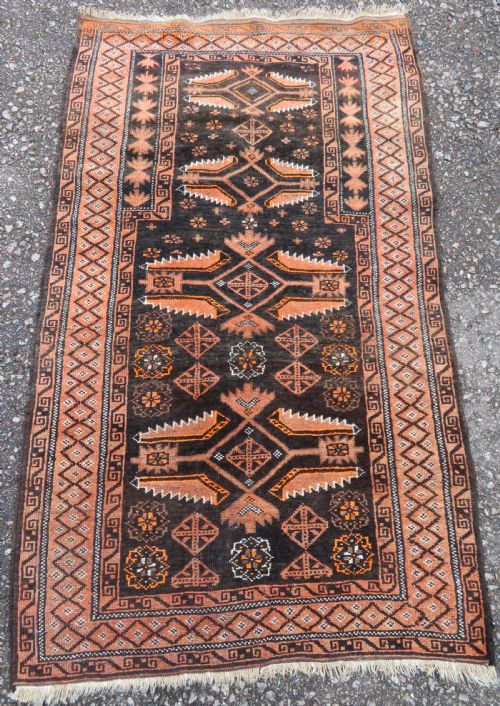
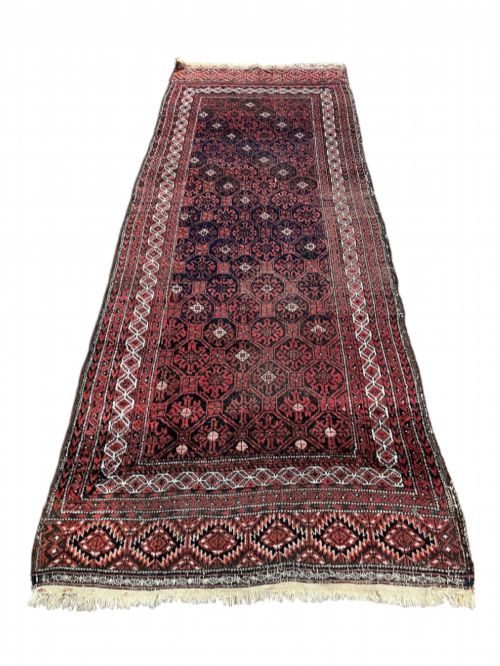


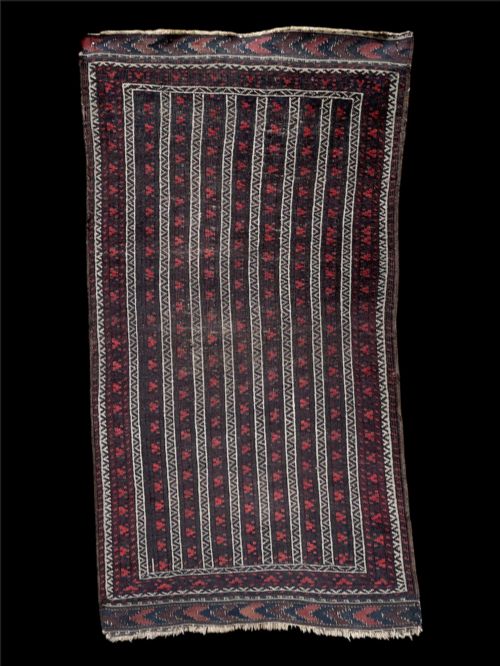


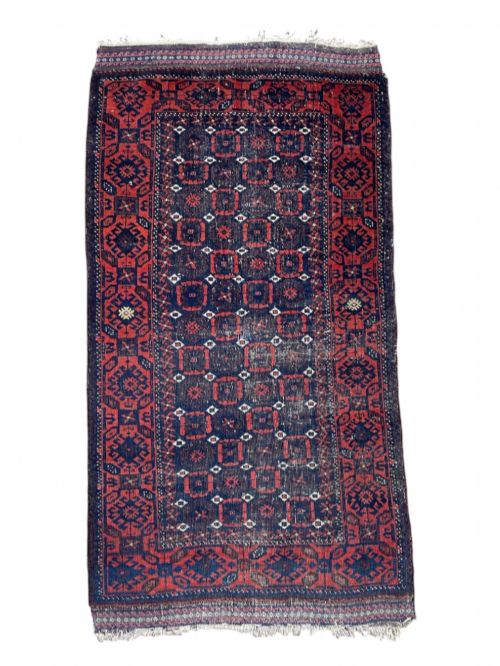

Antique Baluch Runner
These antique baluch runner pieces are tribal floor coverings offering rich wool textures and deep historical character for the discerning interior.
Antique Baluch Runner
An antique baluch runner is a tribal floor covering created by nomadic or village weavers, designed with elongated proportions suited for corridors and hallways. You meet these pieces in formats dating across the nineteenth century and into nineteen twenty, alongside related rug and carpet variants.
The aesthetic falls under styles such as Persian tribal, Baluch tribal, and Khorasan variants, often featuring traditional motifs like the mina khani pattern or tree of life designs. Camel ground examples and pieces displaying birds at each end appear within this tradition.
Originating from tribal workshops and weavers, these rugs bring authentic nomadic artistry into domestic spaces. The selection includes long runner formats alongside broader carpet and rug shapes.
How they were made
Weavers constructed these textiles primarily using wool, cotton, and camel hair, combining natural animal fibres for pile and foundation work. The choice of materials dictates the tactile weight and structural flexibility of each piece.
Nomadic and village techniques involved hand-knotting wool onto sturdy foundations, incorporating durable camel hair for specific ground colours and structural integrity. These traditional methods ensured the rugs could withstand daily nomadic use.
Antique Baluch Runner Retail Price Guide 2026
Typical asking prices for baluch runner among the pieces listed under this phrase on Sellingantiques today, from the lower quarter to the upper quarter. They describe what is for sale here now, not the wider market.
Certain camel ground runners feature tiny woven birds perched quietly at each end of the field.
What varies in quality
Quality rests in the fineness of the knotting and the crispness of tribal motifs such as the mina khani design or tree of life compositions. Superior examples display balanced proportions and sophisticated use of camel ground fibres.
The handling of natural materials like wool and camel hair determines the durability and tactile richness of the pile. Stronger design execution and well-preserved borders elevate certain pieces above standard production.
The Antique Baluch Runner Glossary
- Runner
- A long, narrow carpet format designed specifically for hallways, corridors, and stairs. These pieces feature elongated proportions that guide movement through domestic spaces.
- Mina khani
- A traditional repeating geometric pattern composed of daisy-like rosettes linked by curved trellis lines. This botanical motif appears frequently in classical Persian and tribal weaving.
- Tree of life
- A symbolic design motif depicting a stylized tree rising from a pot or mound, representing eternity and growth. Weavers render this form with distinct tribal interpretations.
- Camel hair
- The soft undercoat fibre of a camel used to provide a natural un-dyed golden-brown ground colour. This material adds warmth and durability to tribal textiles.
Antique Baluch Runner: Frequently Asked Questions
Where should I place a runner?
These elongated tribal carpets suit narrow spaces like hallways, corridors, and gallery landings. Their proportions guide the eye and protect high-traffic wooden floors.
Ensure you use a quality underlay to keep the textile stable and prevent sliding on smooth surfaces.
How do I clean my rug?
Shake gently or use light suction with a vacuum cleaner without a rotating brush bar. Professional antique textile cleaning is recommended for deep maintenance.
Avoid soaking wool and camel hair fibres in water or applying harsh chemical detergents.
What is a tribal design?
Tribal designs reflect the cultural heritage and local environment of nomadic or village weavers. These patterns pass down through generations without formal paper cartoons.
Geometrical motifs and stylized floral elements like the mina khani characterise this artistic tradition.
How do I date these pieces?
Dating relies on wool quality, dye palettes, structural materials, and stylistic markers typical of nineteenth-century and early twentieth-century weaving. Comparisons with archived examples help establish approximate periods.
Documentation and physical examination of the foundation yarns provide further clues to age.