



Antique Balance Scales
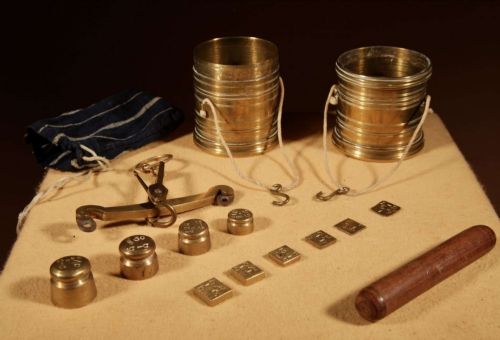
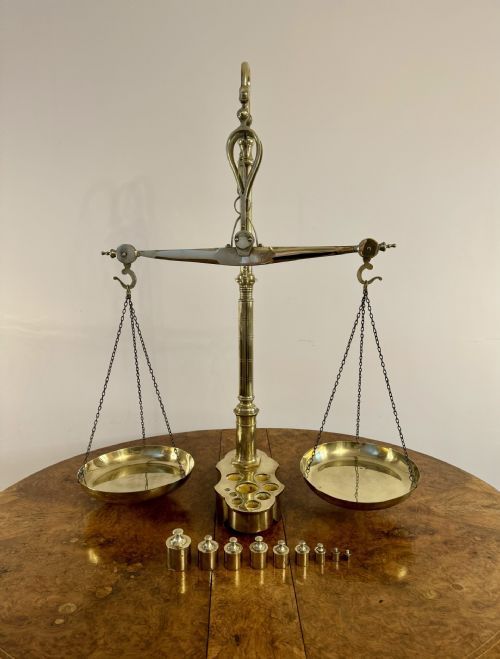
These antique balance scales span everyday domestic utility and precision trade measurement, crafted in brass, mahogany, and cast iron.

Antique Balance Scales
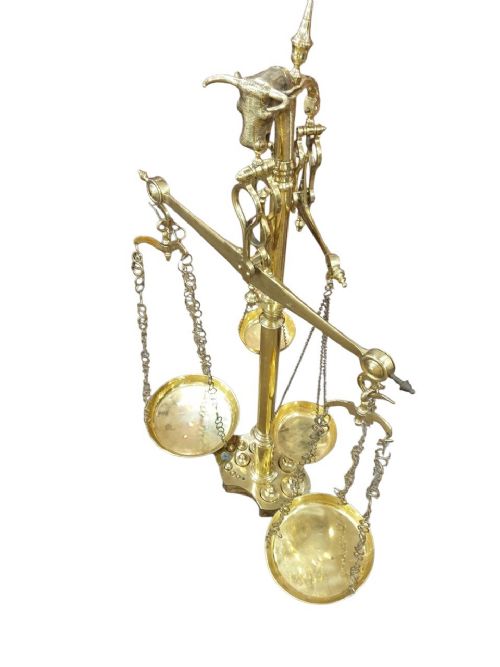
When you examine antique balance scales, you encounter instruments designed for weighing everything from letters and apothecary goods to butcher meat and precious trade weights. The selection includes domestic postal scales mounted on wood bases, heavy grocers and butcher counters, and precision scientific instruments.
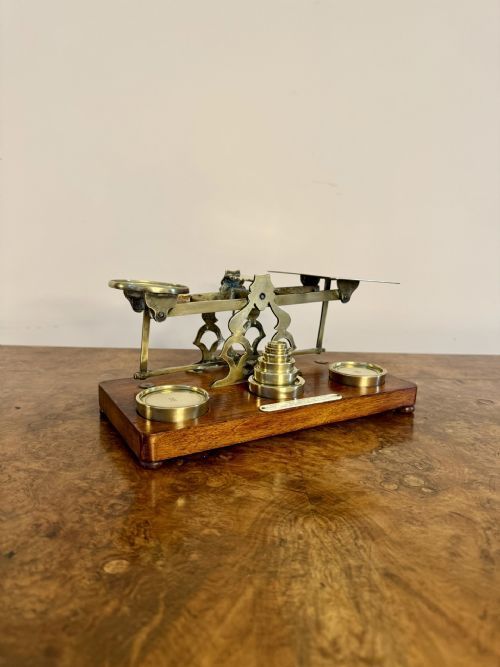
Victorian and Edwardian brass postal scales mounted on mahogany or oak boards appear frequently on this page. Alongside these domestic letter counters, you find larger iron and copper shop balances and specialised sets of weights.
Origins vary widely across the inventory, ranging from English provincial makers and London firms to Dutch, French, and Southeast Asian workshops. Each piece reflects the specific commercial or domestic weighing needs of its period.
Materials and Construction
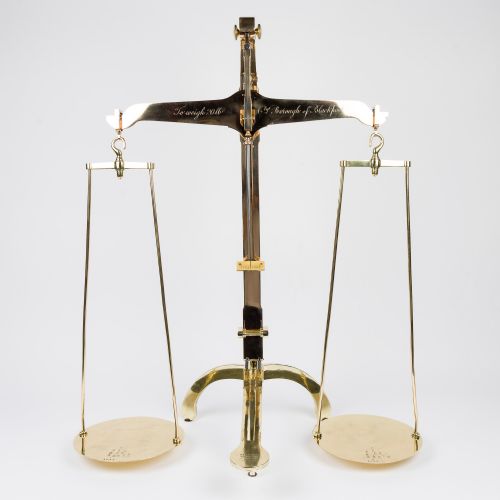
Makers utilised polished brass for beams, pans, and indicator needles to ensure non-corrosive precision and visual appeal. Mahogany, oak, and other hardwoods provided sturdy stable bases and fitted boxes to house delicate components.
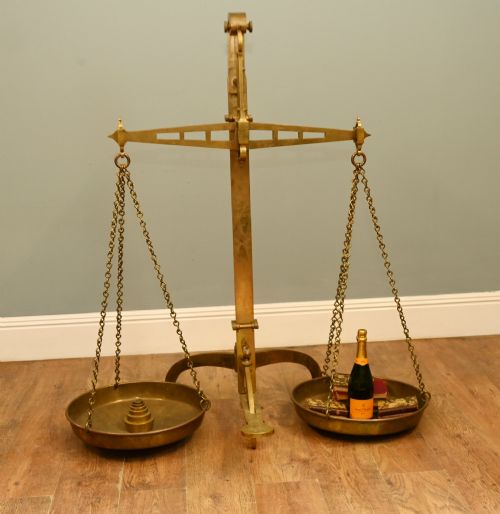
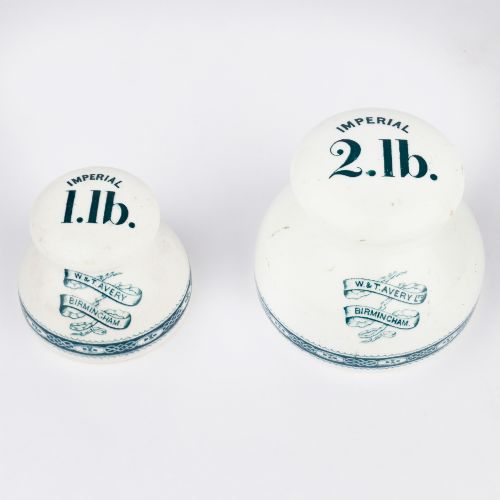
Cast iron and wrought iron formed the heavy structural frames of floor-standing and large counter scales required for commercial trade. Copper, glass, and ceramic elements appeared in pans, bowls, and specialised scale weights.
Antique Balance Scales Retail Price Guide 2026
Typical asking prices for balance scales among the pieces listed under this phrase on Sellingantiques today, from the lower quarter to the upper quarter. They describe what is for sale here now, not the wider market.
Listings feature brass, mahogany, cast iron, and oak across Victorian, Edwardian, and nineteenth-century periods.
Distinctions in Quality
Superior examples demonstrate precision engineering in the movement of the beam and the accuracy of the original matching weights. Finer pieces retain maker signatures, verification stamps, and undamaged wooden or ceramic components.
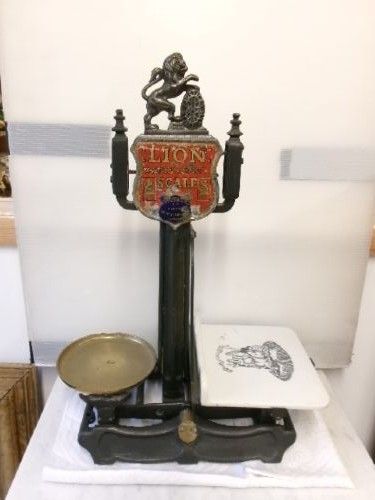
The integration of materials dictates the overall grade, where heavy cast iron combined with finely finished brass outperforms utilitarian workshop assemblies. Original maker inscriptions from established firms elevate the standing of an instrument.
De Grave Short And Co·W And T Avery·Robert Brettell Bate·Day And Millward·S Mordan And Co·Parnall And Sons
The Antique Balance Scales Glossary
- Beam
- The horizontal bar of a balance scale that pivots on a central fulcrum. It holds the weighing pans at either end.
- Chondrometer
- A specialised instrument used to measure the density or weight of grain. This device allowed merchants to assess corn quality.
- Treen
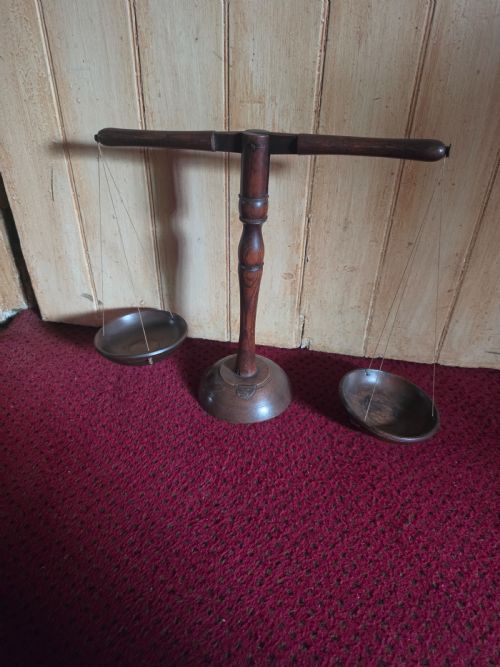
- Small domestic wooden objects turned on a lathe. Welsh treen scales represent a distinct regional woodworking tradition.
- Avoir
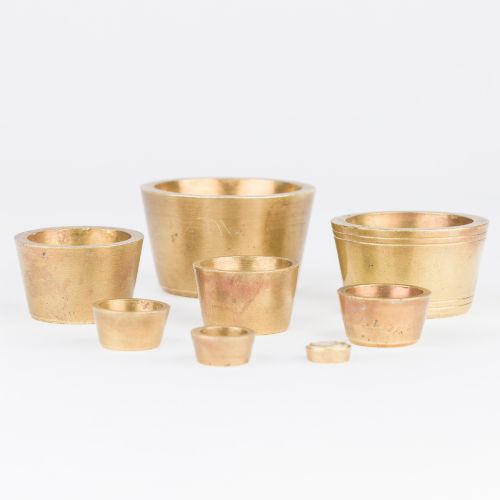
- Short for avoirdupois, the system of weights used for general goods. Sets of avoir weights accompanied commercial scales.
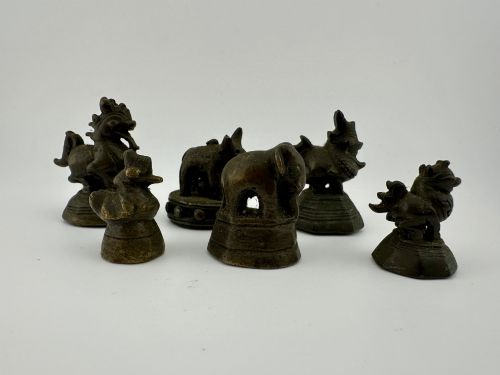
- Opium Weights
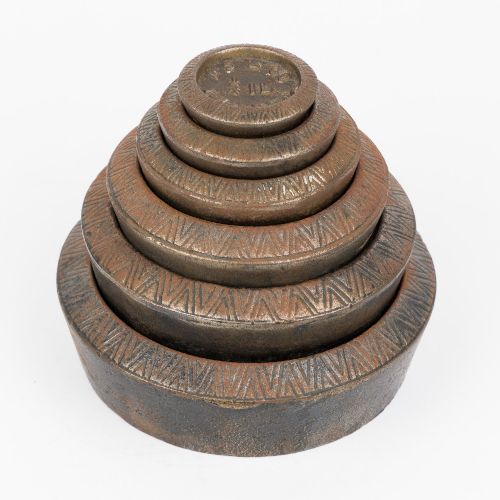
- Small cast metal weights shaped like animals or geometric blocks. These were used in Southeast Asian trade.
Antique Balance Scales: Frequently Asked Questions
How do postal scales work?
Postal scales utilise a weighted brass platform or a small hanging pan connected to a spring or lever mechanism. As letters are placed on the platform, the indicator moves across a calibrated scale to show the exact postage rate required.
Most domestic letter scales from the Victorian and Edwardian eras sit on carved mahogany or oak bases. They often include matched sets of brass weights stored in fitted wooden slots.
What were apothecary scales used for?
Apothecary scales measured precise quantities of medicinal powders and ingredients for prescriptions. These sensitive beam balances required enclosed glass cases or careful calibration to ensure medical accuracy.
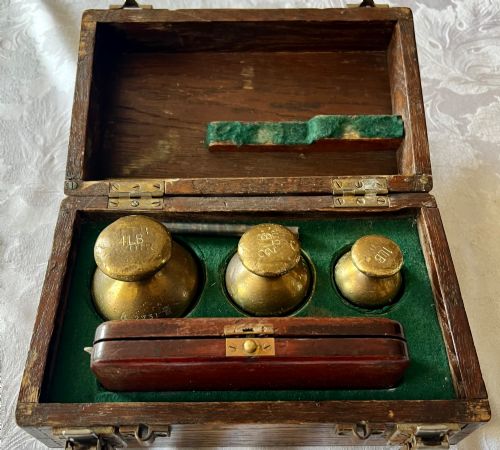
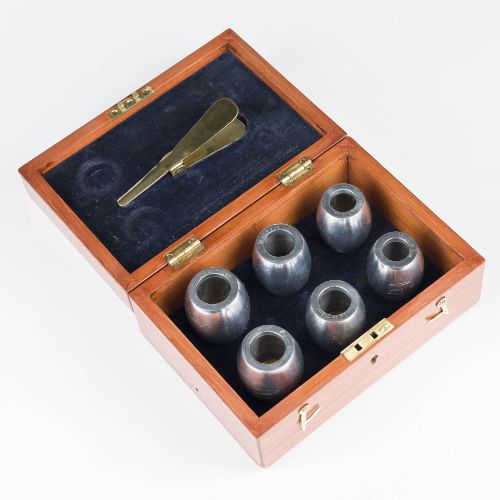
Chemists and pharmacists relied on these brass and mahogany instruments daily. Complete sets frequently retain their original fractional metal weights in velvet-lined boxes.
How do I date an antique scale?
Dating relies on stylistic clues, patent dates, and maker marks stamped into the brass beams or wooden bases. Victorian pieces often feature ornate floral casting, while Edwardian versions lean towards simpler geometric designs.
Verification stamps from local authorities provide exact chronological markers. City borough inscriptions and imperial act stamps help narrow down the year of manufacture.
Can I use antique scales for weighing?
Many surviving balance scales remain mechanically sound and capable of accurate physical measurement. However, commercial instruments require professional calibration and certification before use in modern trade.
In a domestic setting, they serve reliably for kitchen ingredients or decorative display. Proper care of the brass beams and wooden bases preserves their mechanical integrity.