




Antique Baize Top Table
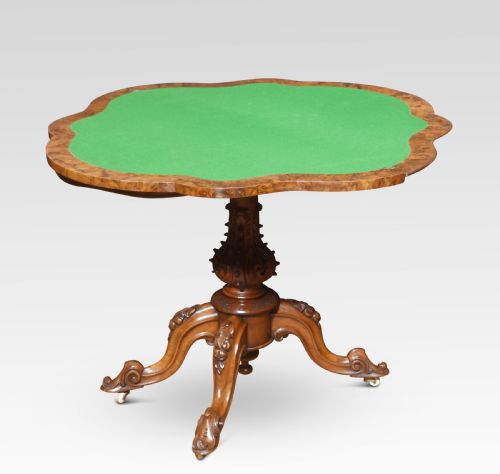
An antique baize top table offers a traditional green or felted playing surface housed within fine period woodwork.
Antique Baize Top Table
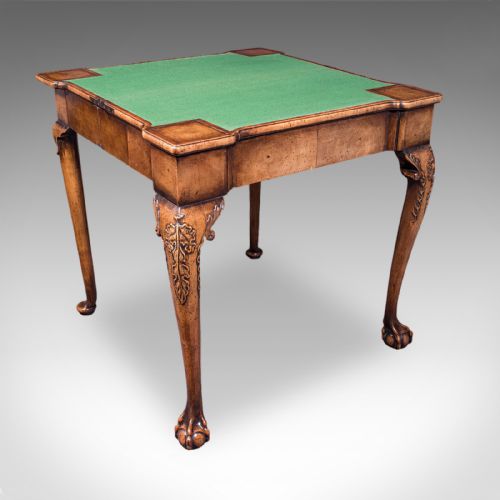
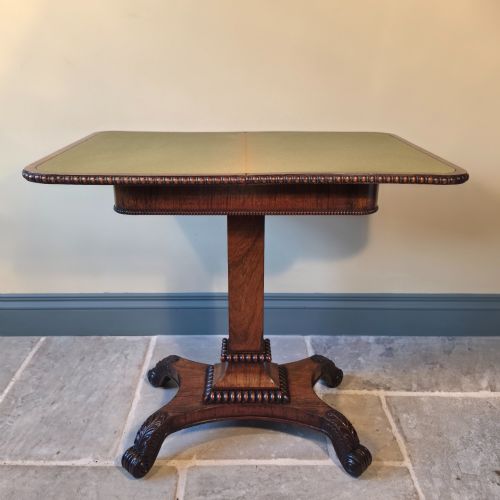
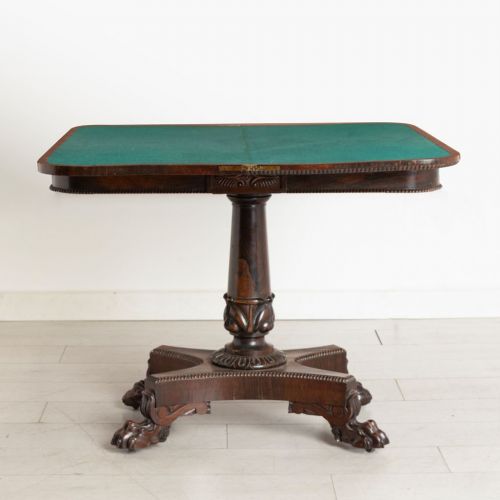
An antique baize top table is primarily found in the form of card tables, games tables, and fold-over designs spanning the Georgian, Regency, Victorian, and Edwardian periods. Buyers searching this phrase encounter folding designs in mahogany, rosewood, and walnut, often engineered with pivoting tops that conceal a hidden compartment.
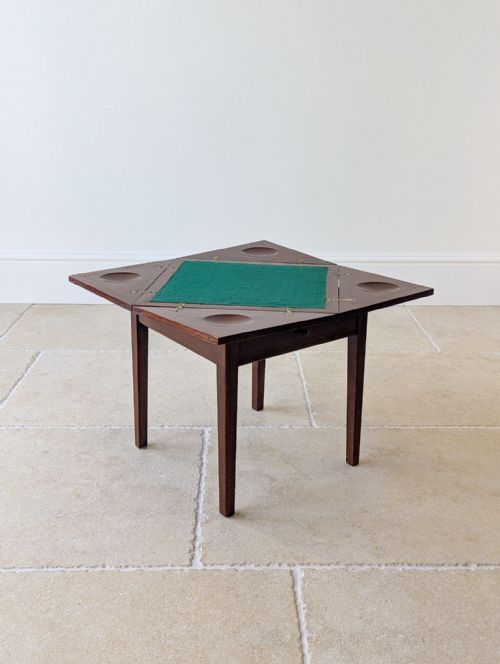
The most common examples on this page are mahogany and rosewood card tables from the Georgian and Victorian eras, alongside Edwardian envelope tables. These items served a dual purpose in period drawing rooms, functioning as console or display tables when closed before unfolding for cards and board games.
How they were made
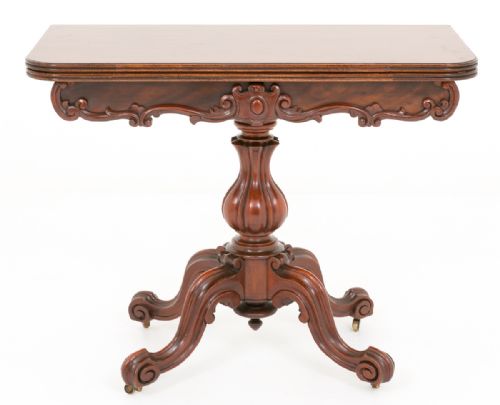
Cabinet makers utilised dense timber stocks such as mahogany, rosewood, and walnut, frequently shaping them into pedestal bases or slender tapering legs. The structural integrity relies on sturdy pivot mechanisms and hinges that allow the folding top to rotate and rest securely without sagging.
The playing surface is traditionally lined with woollen baize or felt, tightly stretched and glued within a recessed wooden border. Selected examples incorporate brass castors, intricate edge mouldings, and burr walnut veneers to enhance the visual appeal of the timber.
Antique Baize Top Table Retail Price Guide 2026
Typical asking prices for baize top table among the pieces listed under this phrase on Sellingantiques today, from the lower quarter to the upper quarter. They describe what is for sale here now, not the wider market.
Listings span the Georgian, Regency, William IV, Victorian, and Edwardian periods, constructed in mahogany, rosewood, and walnut.
What varies in quality
The distinction between standard examples and superior pieces rests on the choice of timber and the precision of the joinery. Figured grain, substantial mahogany or rosewood thickness, and robust pivoting mechanisms separate the finest workshop production from simpler utilitarian items.
Makers such as Gillows and Edwards & Roberts achieved higher standards through refined proportions, crisp carving, and secondary timbers of notable density. The condition of the original baize lining and the smoothness of the fold-over action further distinguish better preserved examples.
Gillows·Edwards & Roberts·Thonet
The Antique Baize Top Table Glossary
- Baize
- A coarse woolen fabric, traditionally green, used as a durable playing surface on card and games tables. It provides a soft, tactile texture designed to prevent cards from slipping.
- Fold-over
- A hinged tabletop construction where the surface doubles in area when opened. This design reveals a baize-lined interior and a concealed well for storing cards.
- Envelope table
- A square card table with four triangular flaps that fold inward to cover the playing surface. When opened, the flaps resemble an unfolded envelope.
- Pedestal
- A central vertical support rising from a platform base or feet, frequently seen on Regency and William IV tables. It carries the weight of the folding top.
- Console
- A table designed to stand against a wall, often serving as a side table when closed. Many card tables double as console tables in daily drawing room use.
Antique Baize Top Table: Frequently Asked Questions
What is an antique baize top table used for?
These tables were designed for card games, social evenings, and general parlour entertainment in period homes. When folded shut, they functioned as side or console tables against a drawing room wall.
Today, they serve the same dual purpose in domestic interiors. Owners use them as decorative occasional furniture that easily converts into a flat surface for playing games or writing.
How do you open a fold-over card table?
Most fold-over tables rely on a pivoting or rotating top supported by a hinged rear leg or a swinging gate-leg frame. The upper leaf lifts and swivels ninety degrees to rest securely across the open framework.
Care is needed to ensure the hinges and pivot pins move freely without catching. Forcing a stuck mechanism can damage the underlying timber and the wooden framing.
How do I identify a Georgian card table?
Georgian card tables typically feature solid mahogany construction, straight or cabriole legs, and crisp hand-carved details such as ball and claw feet. The timber patination tends to show a deep, rich colour developed over centuries.
Inside, the construction often involves oak or deal secondary timbers with hand-cut dovetails. The folding mechanism is usually simpler and heavier than those found on later Victorian or Edwardian pieces.
Can you use an antique card table daily?
These tables are robust enough for daily use if handled with reasonable care and kept away from direct heat sources. The sturdy timber construction was built to withstand the demands of frequent entertaining.
Protecting the baize surface from sharp objects and avoiding excessive weight on the folded leaves will preserve the mechanism. Regular polishing helps maintain the finish of the surrounding wood.