

Antique Asian Tribal Rug
An antique asian tribal rug brings the rich nomadic heritage of Central Asia directly into a modern room through bold geometric motifs and deep traditional palettes.
Antique Asian Tribal Rug
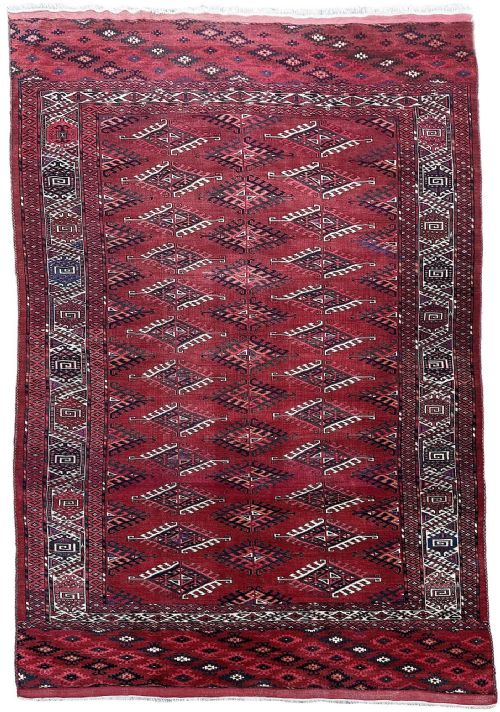
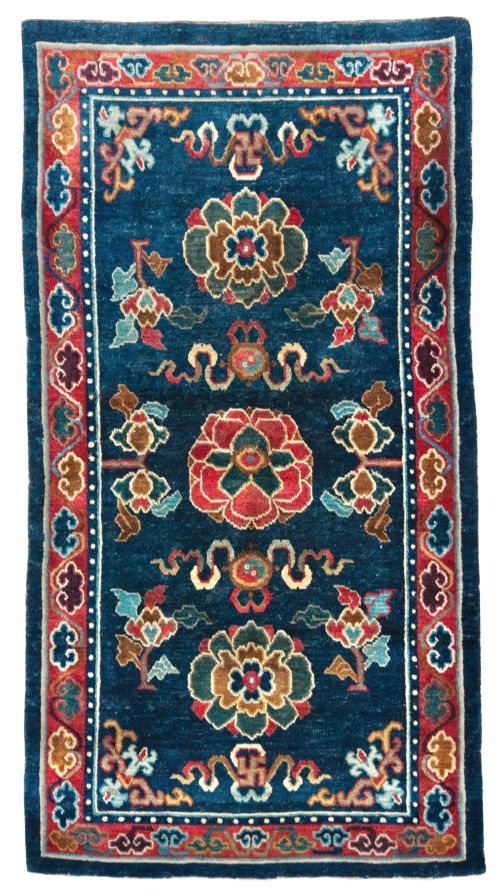
When searching for an antique asian tribal rug, collectors encounter woven carpets, wall hangings, and ceremonial household items originating from nomadic and village groups across Turkmenistan, Uzbekistan, and Tibet. The inventory reflects specific tribal origins such as Yomut, Ersari, Teke, and Lakai, spanning the late nineteenth and early twentieth centuries.
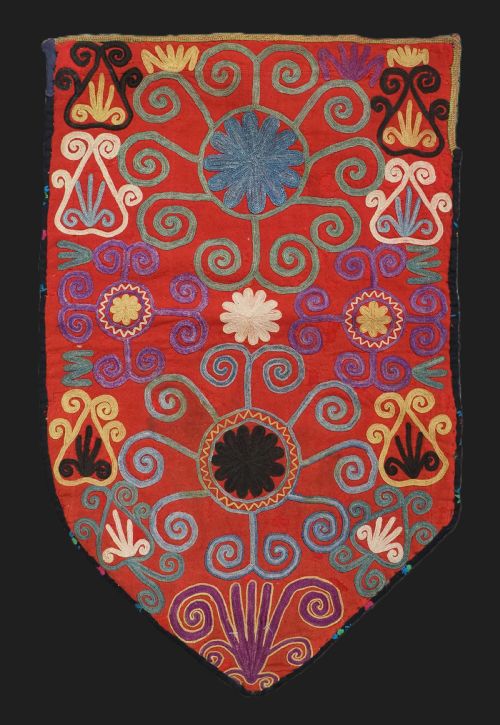
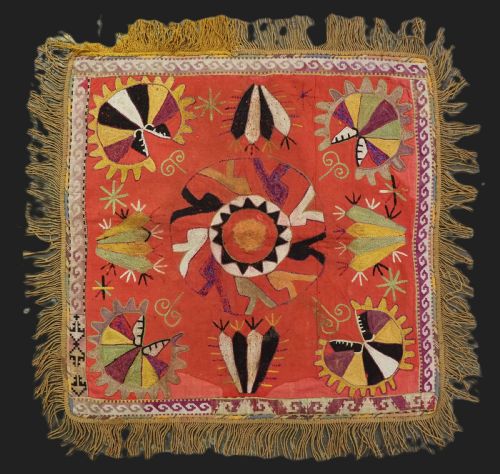
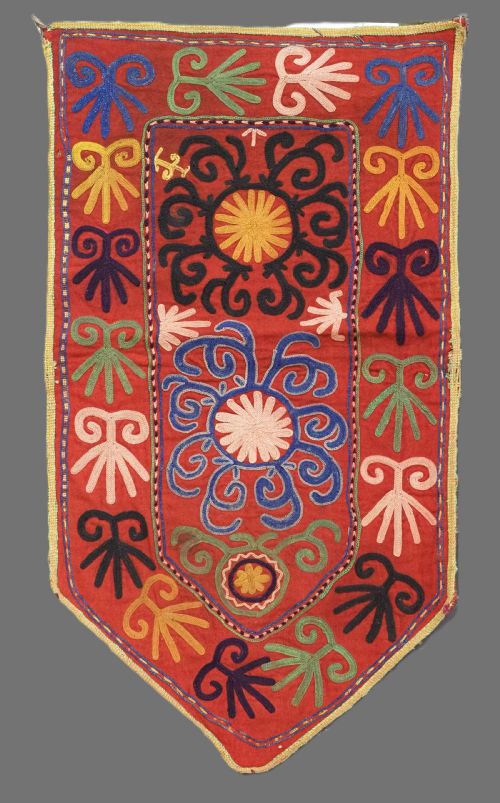
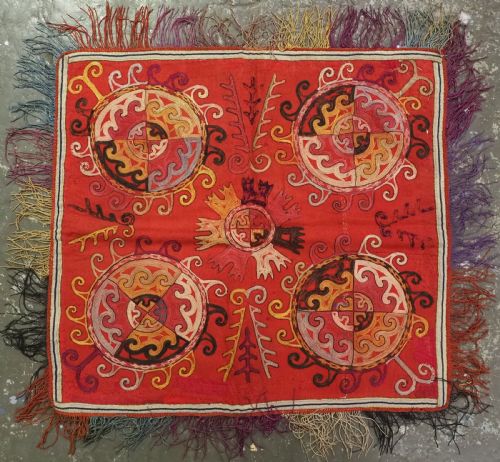
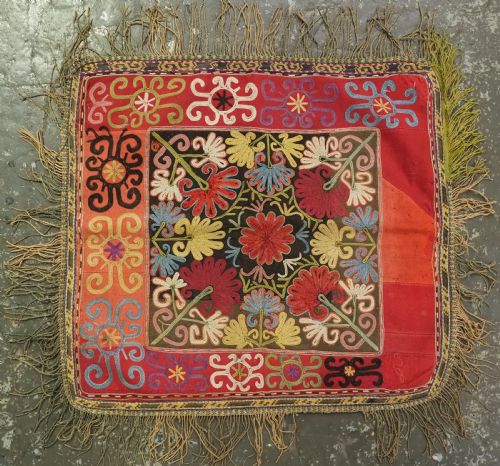
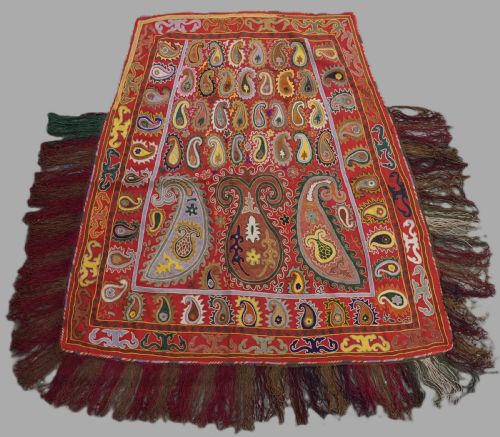
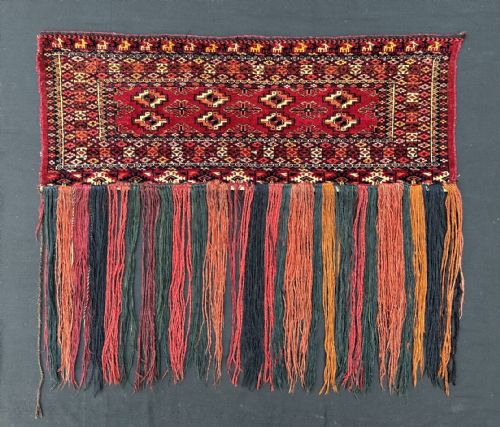
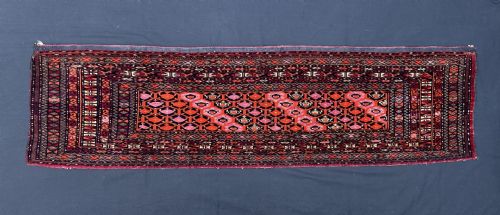
Beyond standard floor coverings, the selection includes specialised forms like asmalyks, capunuks, chuval cushions, and embroidered ilgich wall hangings made for dowries or ceremonial horse equipment. These diverse objects share a distinct visual language rooted in tribal customs rather than urban workshop traditions.
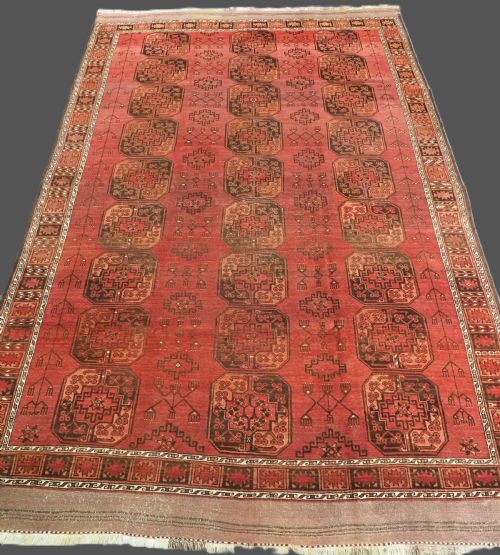
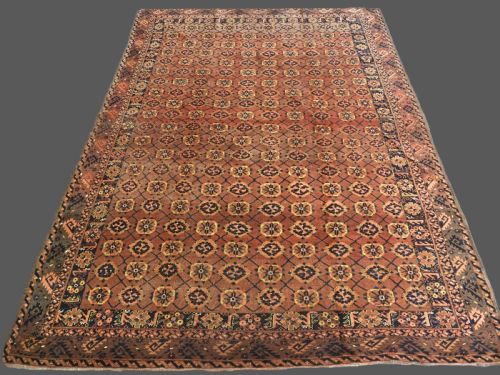
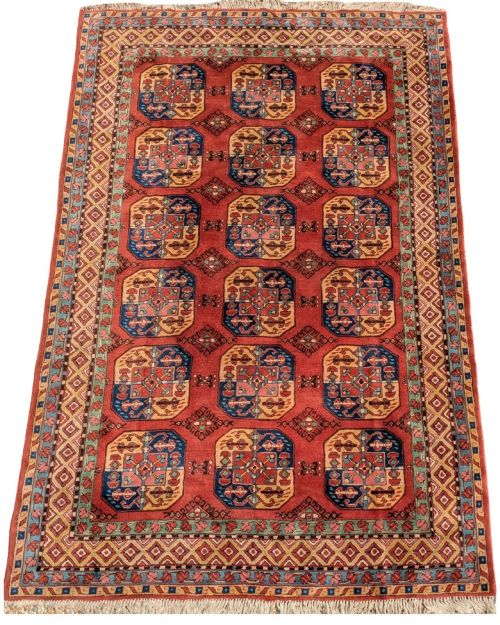
Pieces from this category showcase structured geometric patterns, repeated gul motifs, and vibrant needlework executed on felt, wool, or cotton foundations. The selection captures both large room-sized carpets and smaller utilitarian bags or covers produced across the Central Asian steppes.
Materials and construction methods
The physical construction relies heavily on hand-spun wool and cotton foundations, often utilising natural dyes to achieve deep reds, browns, and contrasting secondary tones. Artisans combined knotted pile weaving with flat-woven techniques and intricate silk thread embroidery.
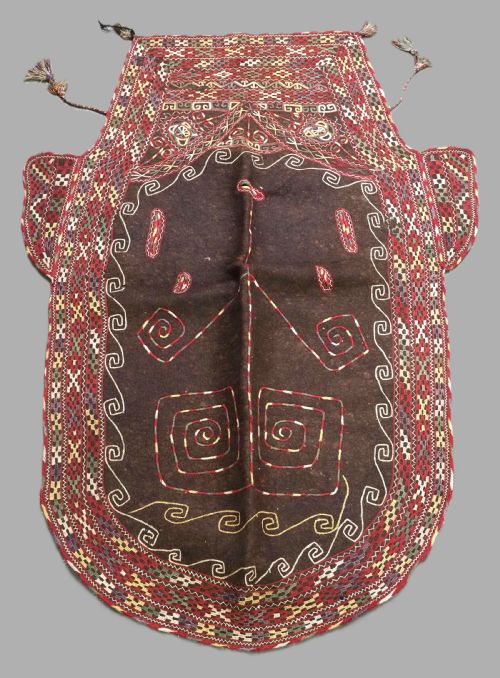
Specialised textiles incorporate alternative substrates such as felted wool, specifically seen in ceremonial horse blankets and felt rugs produced by Uzbek and Yomut makers. Silk thread embellishments frequently accent these heavy woolen grounds, particularly on dowry embroideries and mirror covers.
The listings span production dates from the 1850s through the 1920s, featuring wool, cotton, silk, and felted wool materials.
Distinctions in execution and survival
Quality separates along the precision of the knotting or embroidery and the integrity of the surviving materials. Finer examples display tightly packed piles, crisp geometric definition, and complete original finishes such as tassels and borders.
The depth and stability of natural dyes heavily influence the desirability of a piece. Well-preserved textiles retain rich colour contrast without excessive fading or structural degradation of the delicate silk and wool threads.
The Antique Asian Tribal Rug Glossary
- Gul
- A primary octagonal or gabled medallion motif repeated across Turkmen carpets. This design element often identifies the specific tribe that wove the textile.
- Asmalyk
- A pentagonal trapping traditionally mounted on the flanks of a camel during Turkmen wedding processions. These decorative textiles display elaborate geometric patterns.
- Ilgich
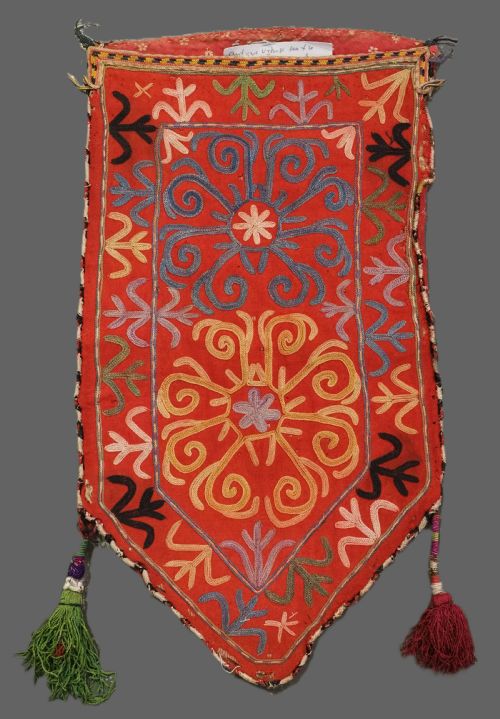
- An embroidered wall hanging or dowry piece produced by the Lakai tribe of Uzbekistan. These works feature dynamic curvilinear needlework executed in silk thread.
- Kapunuk
- A tent door rug hung around the interior entrance of a nomadic yurt. These architectural textiles frame the living space of the tent.
- Uut Kap
- A storage bag used within nomadic tents to hold household belongings. They frequently exhibit specialised tribal weaving and design structures.
Antique Asian Tribal Rug: Frequently Asked Questions
What is an antique asian tribal rug?
An antique asian tribal rug is a hand-woven or embroidered textile created by nomadic and village groups in Central Asia, primarily during the nineteenth and early twentieth centuries.
These pieces encompass floor carpets, saddle covers, wall hangings, and dowry items that reflect the specific cultural traditions and utilitarian needs of tribes such as the Yomut, Ersari, and Lakai.
How were these tribal rugs used?
Nomadic groups utilised these textiles for daily domestic life inside tents, including floor coverings, storage bags, tent door surrounds, and cushions.
Many specialised pieces served ceremonial functions during weddings, functioning as camel trappings, horse blankets, and dowry wall hangings to display tribal status.
How do I care for an antique tribal rug?
Preserving these textiles requires gentle maintenance, such as regular low-suction vacuuming without a beater bar and keeping them away from direct, harsh sunlight.
Professional cleaning tailored to antique wool and silk is necessary to protect the natural dyes and delicate structural weaves from damage.
How can I tell different tribal designs apart?
Tribal designs are distinguished by specific structural motifs, colour palettes, and structural layouts characteristic of particular weaving groups.
For instance, Turkmen pieces often feature repeating guls and deep red tones, while Uzbek Lakai embroideries display distinctive energetic silk needlework on felt or cotton.