




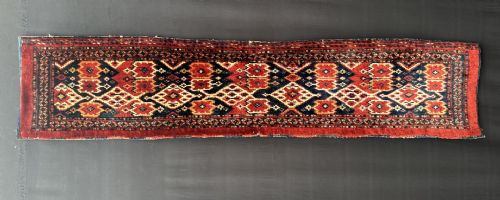


Antique Wedding Rug
An antique wedding rug is a tribal textile woven for dowry and marriage rites, sought after for its intricate geometry and rich cultural symbolism.
Antique Wedding Rug
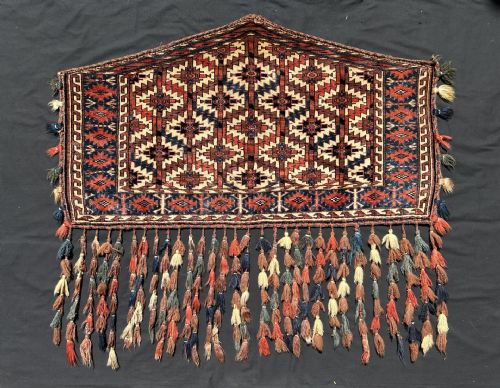
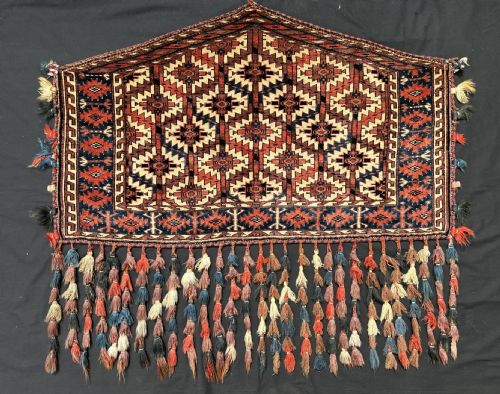
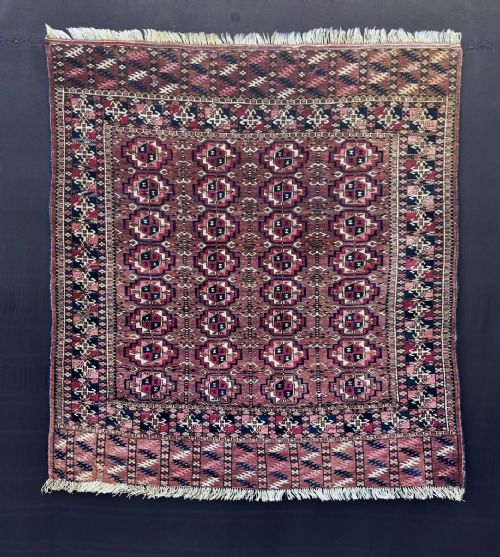
When you search for an antique wedding rug, you encounter tribal weavings originating primarily from Central Asian groups such as the Tekke, Yomut, and Ersary tribes of Turkmenistan. These pieces often take the form of square dowry rugs, asmalyk camel trappings, or marriage carpets woven during the latter half of the nineteenth century and the early twentieth century.
The forms vary from small square rugs and animal trappings to wall hangings and bed covers, spanning periods from eighteen-fifty to nineteen-ten. Each origin, whether the Merv Oasis or the Trans-Caspian Steppes, brings distinct regional characteristics to the weave.
Materials and Construction
These textiles rely principally on wool foundations and piles, frequently combined with cotton elements and natural dyes to achieve deep colour palettes. Artisans also utilised silk highlights and metallic thread details to accentuate specific geometric patterns within the design.
The construction methods involve careful hand-knotting and fine embroidery techniques, executed by tribal weavers across Central Asia and the surrounding regions. These labour-intensive processes ensured durability alongside the intricate visual complexity required for ceremonial dowry pieces.
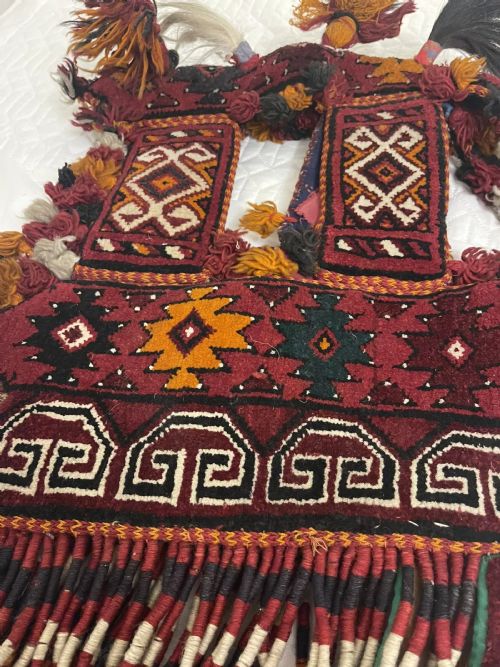
Object forms include asmalyks, dizlyks, bed cover suzanis, and embroidered wedding shawls from Central Asian and Kashmiri traditions.
Assessing Quality
The standard of a weaving rests on the density of the knotting and the clarity of the tribal motifs, which dictate the sharpness of the geometric designs. Pieces displaying finer execution in their wool pile and greater precision in their traditional patterns command closer attention from collectors.
The preservation of natural dyes and the integrity of supplementary materials, such as silk highlights or tassels, also influence the standing of a piece. Depth of colour and minimal structural loss elevate examples within this category.
The Antique Wedding Rug Glossary
- Asmalyk
- A pentagonal camel trapping traditionally hung on the flanks of a bride's wedding camel during nuptial processions. These decorative textiles display distinct tribal patterns unique to weaving groups like the Yomut.
- Dowry Rug
- A textile created specifically for a bride's household collection, often characterised by square proportions and symbolic motifs like the aina gul. These pieces formed an essential part of tribal marriage traditions.
- Natural Dyes
- Colourants derived from plant, insect, and mineral sources prior to the widespread adoption of synthetic alternatives in the late nineteenth century. They produce rich, saturated hues that age with distinct patination.
- Tekke
- A major Turkmen tribal group known for producing finely knotted rugs featuring gul motifs and warm red grounds. Their weaving output represents a cornerstone of Central Asian textile artistry.
- Yomut
- A prominent Turkmen tribe inhabiting the Trans-Caspian Steppes, recognised for bold geometric asmalyks and distinctive border designs. Their work exhibits a robust approach to tribal iconography.
Antique Wedding Rug: Frequently Asked Questions
What is an antique wedding rug?
An antique wedding rug is a ceremonial textile woven by tribal groups in Central Asia, primarily during the nineteenth and early twentieth centuries, as part of a bride's dowry.
These pieces were utilised in marriage rites, often decorating camel trappings or serving as domestic dowry rugs within nomadic communities.
How were these rugs used?
Nomadic and tribal communities used these textiles during marriage ceremonies, sometimes mounting them on camel flanks as decorative trappings or displaying them within the yurt.
They functioned as vital cultural objects that signified status and family alliances during nuptial processions.
How do I identify a Tekke wedding rug?
Tekke wedding rugs typically feature deep red colour fields and repeating geometric gul motifs, often woven in a square or near-square format.
Examining the specific arrangement of the central medallions and the secondary guls helps distinguish Tekke pieces from other tribal groups like the Yomut or Ersary.
Where were these textiles made?
The pieces originate across Central Asia, with a strong concentration in Turkmenistan, including regions like the Merv Oasis, Akhal Oasis, and the Trans-Caspian Steppes.
Other regional examples stem from neighbouring areas such as the Middle Amu Darya Region, Khorassan, and Kashmir.