



Vintage Turkmen Main Rug
A vintage turkmen main rug brings the bold geometric design and rich wool work of Central Asian tribal weaving straight to your floor.
Vintage Turkmen Main Rug
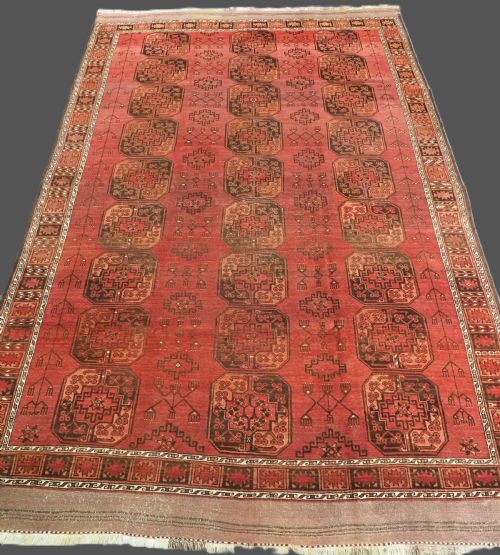
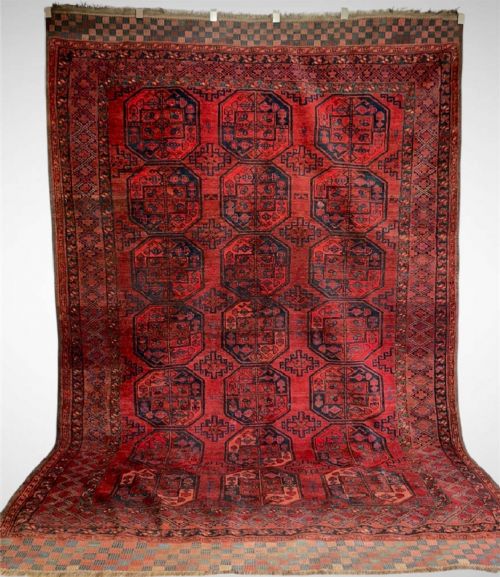
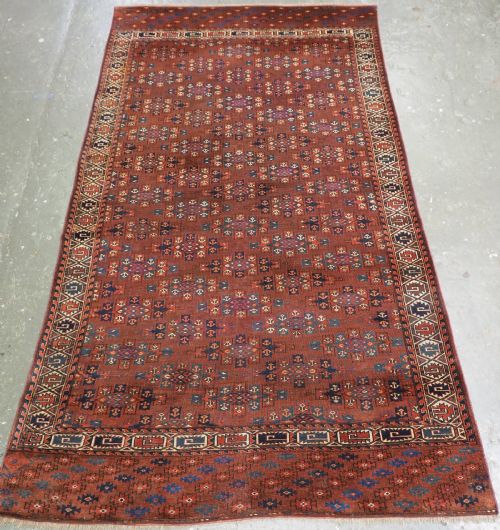
A vintage turkmen main rug is a large floor covering woven by tribal groups across Central Asia, notably the Ersari, Yomut, and Tekke tribes. These pieces display distinct cultural patterns that reflect nomadic heritage and traditional carpet-making skills passed down through generations.
The versions most commonly found on this page date from the late nineteenth century up to the early twentieth century. They typically manifest as substantial carpets and rugs designed for heavy utility within traditional dwellings and country houses alike.
Tribal weavers utilised structured layouts dominated by characteristic gul motifs, creating a strong visual rhythm across the field. Collectors encounter these textiles grouped under broad stylistic tags including Turkmen Tribal and Central Asian Tribal.
Materials and construction methods
Every vintage turkmen main rug relies entirely on wool for its foundation and pile, delivering a dense and hard-wearing surface built for daily use. The natural resilience of the fibre allows these carpets to endure decades of foot traffic while maintaining their structural integrity.
Weavers employed natural dyes to colour the wool, producing deep tones that mellow gracefully over time. This traditional dyeing process creates subtle variations in shade across the carpet surface, distinguishing genuine antique and vintage examples from modern reproductions.
The listings span production dates from eighteen fifty up through nineteen twenty, utilising wool and natural dyes exclusively.
Factors determining quality
The primary distinction in quality lies in the crispness of the tribal design and the depth of the natural dyes used throughout the pile. Tightly knotted examples with clear graphic motifs and harmonious colour retention sit firmly at the top of the range.
Condition and structural survival also dictate the standing of any given piece, balancing the character of honest wear against the preservation of the original borders and field. Carpets that retain their full size and structural strength without heavy distortion command greater appreciation from collectors.
Ersari Tribes·Yomut Tribes·Teke Tribes
The Vintage Turkmen Main Rug Glossary
- Gul
- A primary octagonal motif repeated across Turkmen carpets. This design element serves as the signature emblem for specific tribal groups.
- Main Carpet
- A large floor rug traditionally woven for principal domestic use within a tent or home. These pieces occupy a central role in nomadic textile production.
- Natural Dyes
- Organic colourants derived from plants and minerals used to pigment carpet wool. They yield complex hues that develop a soft patina with age.
- Pile
- The upright loops or cut ends of yarn that form the usable surface of a rug. The density and height of this wool layer dictate the texture and durability of the piece.
- Beshir
- A sub-group of Turkmen weaving associated with the Ersari tribe along the Amu Darya river basin. These items often incorporate distinctive botanical and geometric layouts.
Vintage Turkmen Main Rug: Frequently Asked Questions
How do I identify a Yomut rug?
Yomut carpets are generally identified by their specific secondary and primary motifs, most notably the kepse gul design. They often showcase distinct diamond-shaped patterns set against deep red or brown wool grounds.
Examining the border arrangements and tribal structure helps separate Yomut weaving from neighbouring Ersari or Tekke production.
Where were these carpets made?
These textiles originate from the nomadic and settled regions of Central Asia, including areas historically linked to Turkmenistan and Afghanistan. Specific pieces emerge from tribal centres such as the Merv Oasis.
Weavers working within these communities produced large formats intended for everyday domestic utility and tribal ceremonies.
Are these rugs suitable for heavy traffic?
Most main carpets were originally constructed as hard-wearing floor coverings designed to endure rigorous daily use. Their dense wool construction provides inherent resilience against regular foot traffic.
Pleasingly sturdy examples handle placement in busy hallways and living spaces without losing their structural form.
How should I care for my rug?
Regular gentle vacuuming without a beater bar removes surface grit and prevents wool fibres from matting. Professional cleaning tailored for antique textiles ensures natural dyes remain stable.
Keep the piece out of direct, harsh sunlight to prevent fading and maintain the natural richness of the wool.
What does a Beshir attribution mean?
A Beshir attribution links a carpet to the weavers working along the middle reaches of the Amu Darya river. These rugs frequently diverge from strict tribal geometry by incorporating larger floral or cloudband elements.
They represent a distinct regional branch within the broader spectrum of Turkmen carpet weaving.