


Antique Asian Enamel Metalwork
Antique asian enamel metalwork brings together intricate decorative arts from Chinese and Japanese workshops spanning the nineteenth and early twentieth centuries.
Antique Asian Enamel Metalwork
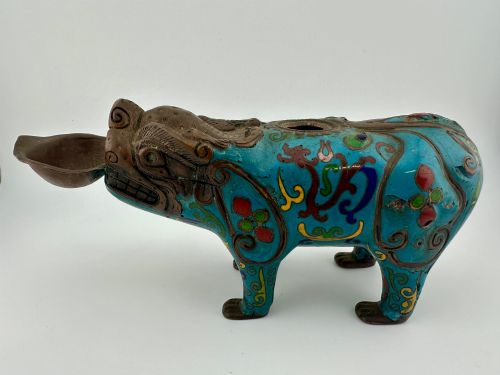
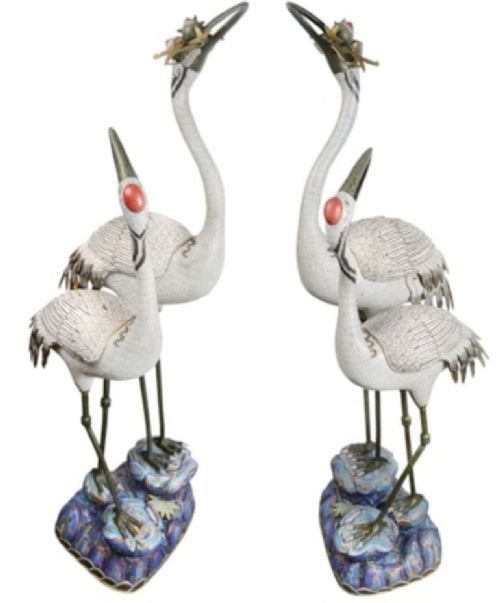
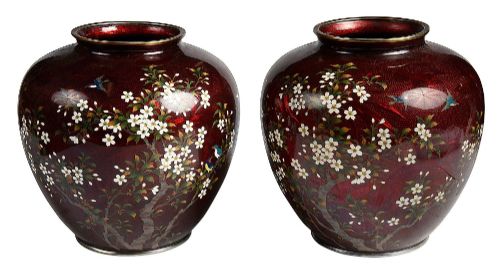
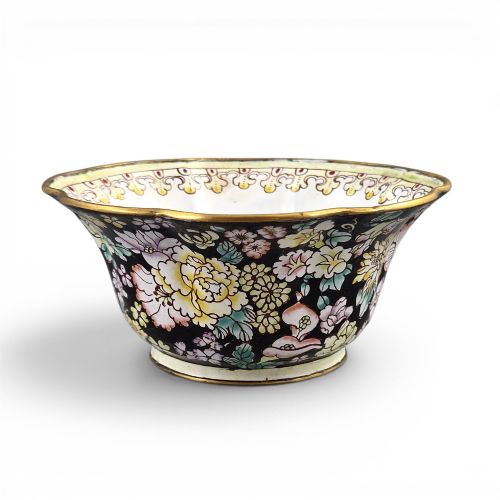
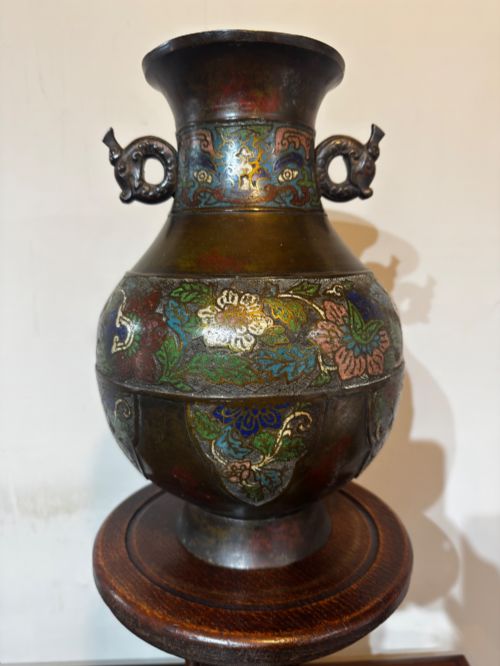
Antique asian enamel metalwork encompasses functional and decorative objects created in China and Japan, spanning the nineteenth century through to the early twentieth century. Buyers encounter forms such as chargers, plates, vases, bowls, censers, and lidded pots originating from periods including the Meiji and Edo eras as well as the Qing dynasty.
How they were made
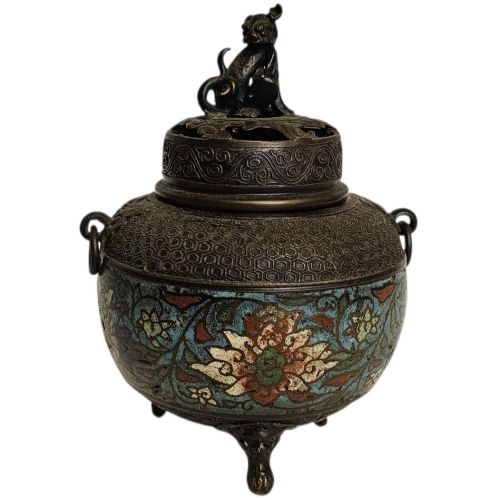
Artisans constructed these pieces using metal bases of copper, bronze, brass, and gilt bronze, combined with vitreous enamel powders. Techniques included cloisonne, where thin brass or metal wires form raised cells to hold the coloured enamel, and champleve, which involves carving troughs directly into the bronze surface for the enamel infill.
Makers also utilised painted enamel directly on copper supports. Once filled and fired, the metalwork was ground and polished to achieve a smooth finish across the decorated surface.
Some bronze censers feature mythical beasts guarding the lid with permanent, watchful expressions.
What varies in quality
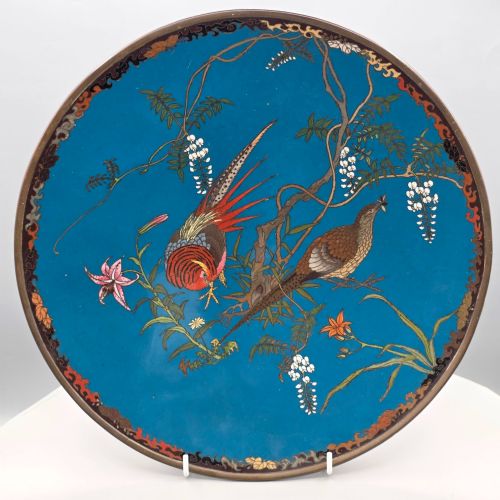
Quality in antique asian enamel metalwork rests on the precision of the wirework and the control of the enamel during firing. Superior examples display microscopic wire cells forming complex pictorial scenes such as koi, phoenixes, or Mount Fuji with sharp definition and minimal surface pitting.
The richness and consistency of the enamel palette distinguish finer items from simpler production. Masterpieces often bear signatures from renowned workshops or makers, reflecting exceptional skill in composition and metal preparation.
Kinkozan
The Antique Asian Enamel Metalwork Glossary
- Cloisonne Enamel
- A technique where flat metal wires are soldered onto a metal base to create compartments, which are then filled with enamel paste and fired. This method allows for intricate pictorial designs across vases and chargers.
- Champleve
- A process where troughs or cavities are carved directly into a bronze or metal base to receive enamel before firing. It produces robust, textured patterns distinct from wire-based work.
- Charger
- A large decorative plate intended for display rather than table service. These pieces frequently feature elaborate bird and dragon motifs.
- Meiji Period
- An era in Japanese history spanning from 1868 to 1912, noted for significant refinement in decorative enamel techniques and international export wares.
Antique Asian Enamel Metalwork: Frequently Asked Questions
What is cloisonne enamel?
Cloisonne enamel involves soldering thin metal wires onto a copper or bronze base to form bounded cells. Artisans fill these compartments with coloured glass paste before firing the piece at high temperatures.
After cooling, the surface is ground flat and polished to create a smooth, decorated metal object showcasing detailed patterns like birds, flowers, and dragons.
How do I identify a Meiji period piece?
Meiji period Japanese metalwork, dating between 1868 and 1912, is recognised by exceptionally fine wirework and complex pictorial designs. Items from this era often depict natural subjects such as koi, owls, and Mount Fuji with great precision.
Many high-quality pieces from this time also feature artist signatures or workshop marks integrated into the enamel decoration.
Were these items used or decorative?
While forms like censers and bowls had functional origins in ritual or domestic settings, many chargers and large vases were created purely for display. Wealthy households utilised them as ornamental centrepieces.
Export demand during the nineteenth century also meant numerous items were manufactured specifically for international collectors as decorative works of art.
What metals are used in these antiques?
The primary structural metals found in these pieces are copper, bronze, and brass, sometimes enhanced with gilt finishes. These materials provided a durable foundation capable of withstanding the heat of the enamel firing process.
Brass wire was also utilised extensively to outline the decorative cells across the surface of cloisonne vessels and plates.