



Chinese Footed Bowl
A chinese footed bowl brings centuries of master ceramic and metalwork craft into your home.
Chinese Footed Bowl
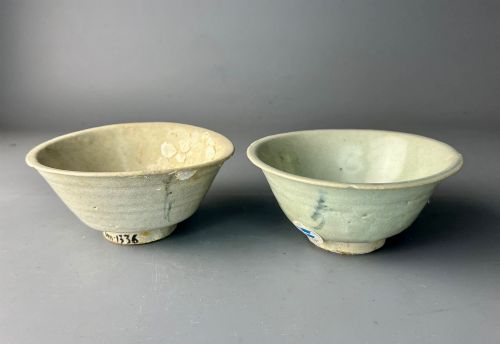
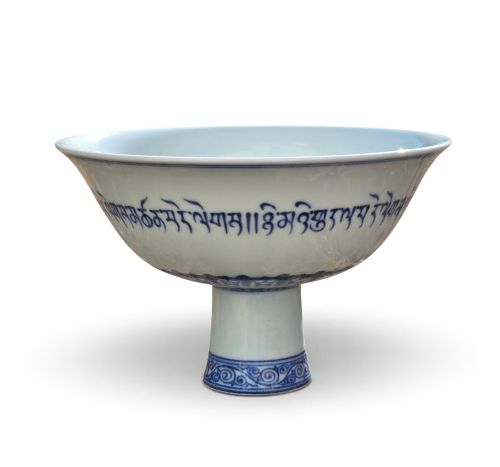
A chinese footed bowl spans multiple centuries of artistry, taking forms such as stem cups, tazzas, and lobbed rectangular vessels. These pieces range from delicate 17th Century cargo blue and white bowls to ornate 19th Century cloisonne enamel tazzas.
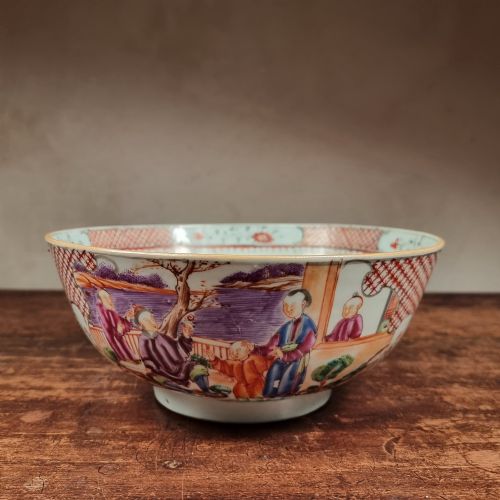
The objects listed here include traditional Qing Dynasty imperial wares alongside export pieces and occasional European interpretations like the 1915 Wedgwood lustre bowl. Buyers will encounter both deep decorative bowls and elevated stem cups featuring traditional motifs.
Origins stretch across significant historical periods, capturing the refined aesthetic of the Kangxi and Qianlong eras up to the early 20th century. Each vessel utilises its elevated foot to give presence and structural balance to the piece.
Materials and Construction
Potters and metalsmiths employed porcelain with cobalt underglaze, crackle glazes, and intricate enamel work to build these elevated vessels. Bronze, brass, silver, and white metal provide a sturdy alternative foundation for cast and chased examples.
Specialised techniques such as plique-a-jour and cloisonne enamel create translucent or cell-based colour fields that catch the light. Underglaze painting and precise moulding define the ceramic pieces from both imperial and export workshops.
Chinese Footed Bowl Retail Price Guide 2026
Typical asking prices for chinese footed bowl among the pieces listed under this phrase on Sellingantiques today, from the lower quarter to the upper quarter. They describe what is for sale here now, not the wider market.
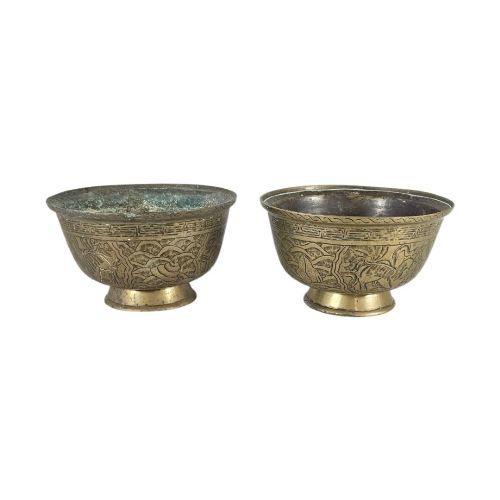
Dragons coil across lustre bowls while birds and lotus share space on heavy bronze surfaces.
Assessing Craftsmanship and Execution
The distinction between standard output and superior work rests on the crispness of the underglaze painting, the weight of the metal, and the control of the glaze. Finer vessels display confident brushwork in cobalt or precise wirework in cloisonne.
Early periods command attention through the depth of their glaze effects, such as controlled crackling or even lustre application, distinguishing master workshops from routine production.
Daisy Makeig-Jones Wedgwood
The Chinese Footed Bowl Glossary
- Stem Cup
- A drinking vessel or small bowl elevated on a tall, solid foot. This form has ancient roots in Chinese ceramics and ritual vessels.
- Cloisonne Enamel
- A metalwork technique where compartments are created by soldering flat metal wires to the base, then filled with coloured enamel paste before firing. The resulting surface shows distinct coloured fields separated by thin wire lines.
- Cobalt Underglaze
- A blue pigment applied directly to the raw ceramic body before applying a clear glaze and firing at high temperatures. This method protects the vibrant blue decoration beneath a glossy vitrified layer.
- Plique-a-jour
- An enamelling technique similar to cloisonné, but with no backing metal, creating a stained-glass effect where light passes through translucent enamel cells.
- Export Seal
- A mark or stamp applied to goods intended for trade outside of China. These marks often help historians trace the destination and handling of the vessel.
Chinese Footed Bowl: Frequently Asked Questions
How are these elevated bowls dated?
Dating relies on stylistic evidence, material composition, reign marks, and historical context. Experts examine the characteristics of the glaze and the precision of the metalwork.
Changes in decorative motifs across dynasties also provide clear clues to a piece's era of origin.
Were these vessels used daily?
While some robust forms served functional purposes in domestic or ritual settings, many decorated examples were created for display. Imperial and export pieces often functioned as status symbols.
Their elevated bases were designed to showcase the vessel on tables or altars.
What is the difference between porcelain and metal versions?
Porcelain versions utilise clay and high-firing techniques with cobalt or glaze decoration, whereas metal examples employ bronze, silver, or brass castings. Both share the defining feature of a raised foot.
Each material category reflects entirely different workshop traditions and artisanal guilds.
How should I display a footed bowl?
These pieces require stable, level surfaces where their elevated bases can be fully appreciated. Placing them away from high-traffic edges protects the delicate rim and foot.
Good lighting enhances the translucent qualities of enamels and the depth of crackle glazes.