




Qing Dynasty Enamel Bowls
When searching for qing dynasty enamel bowls, collectors encounter diverse porcelain and copper vessels decorated with intricate polychrome pigments from nineteenth and eighteenth century workshops.
Qing Dynasty Enamel Bowls
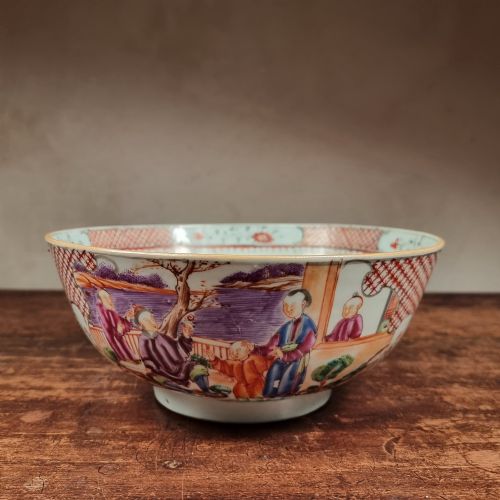
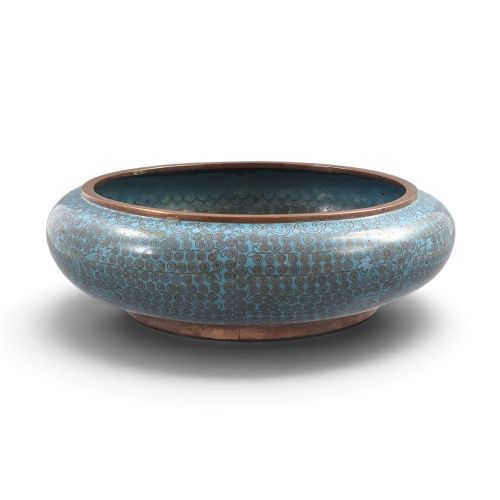
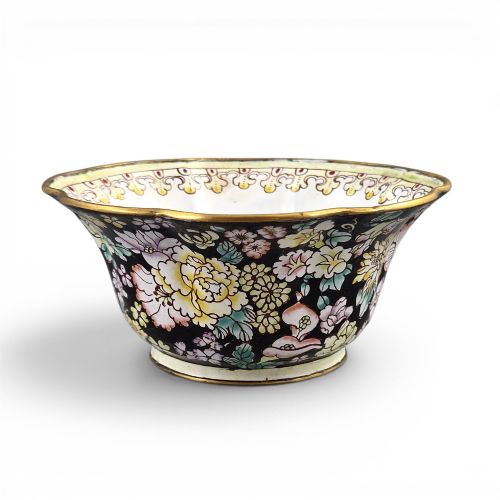
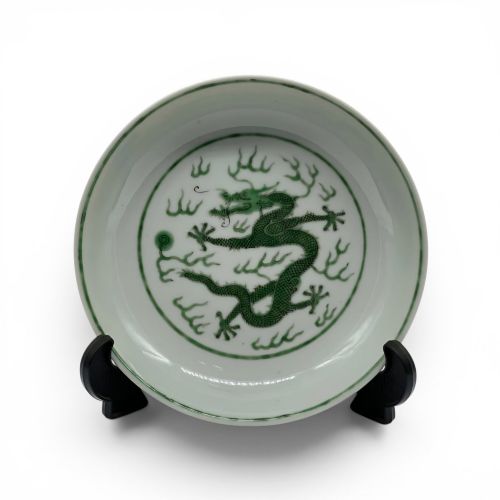
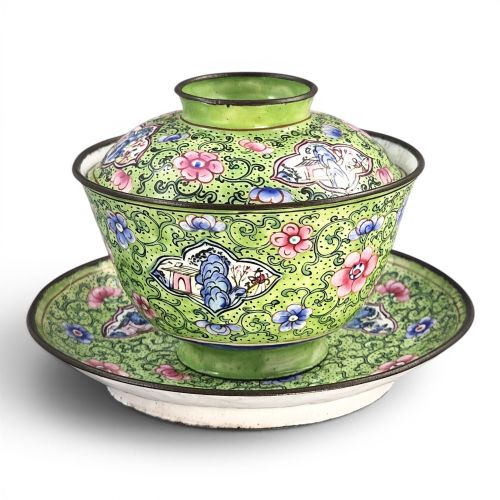
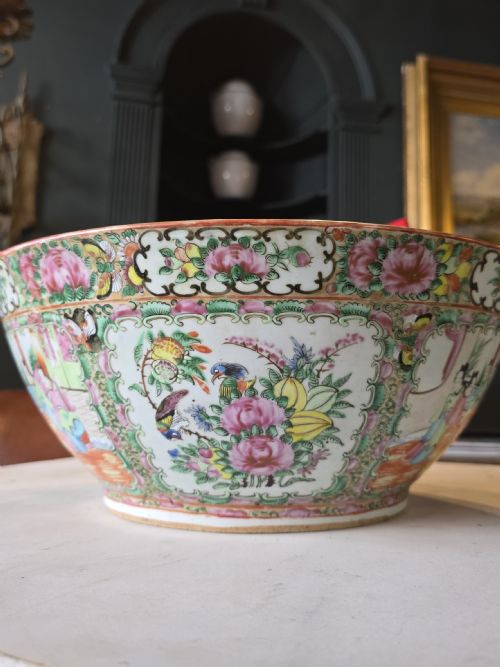
When a buyer investigates qing dynasty enamel bowls, they find objects spanning decorative punch bowls, tea wares, and large jardinières originating from Chinese export and domestic production centres. The examples available here bridge the eighteenth and nineteenth centuries, including items from the Qianlong, Jiaqing, Daoguang, and Guangxu periods. Forms range from broad porcelain punch bowls with hand-painted famille rose scenes to copper vessels finished with cloisonné or painted enamel.
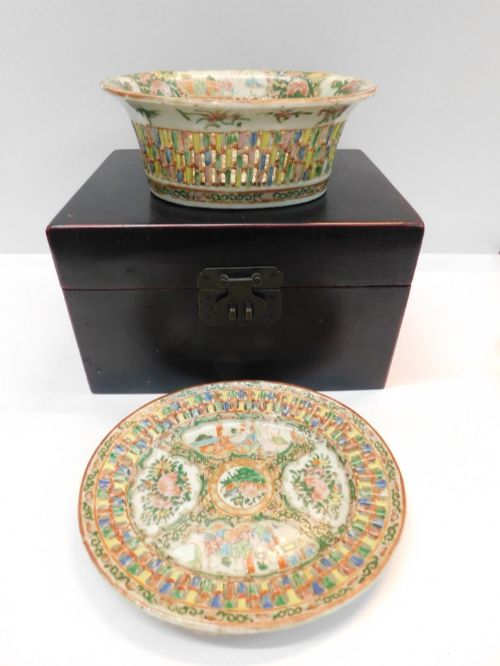
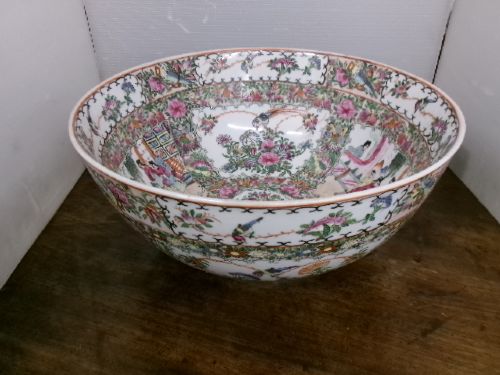
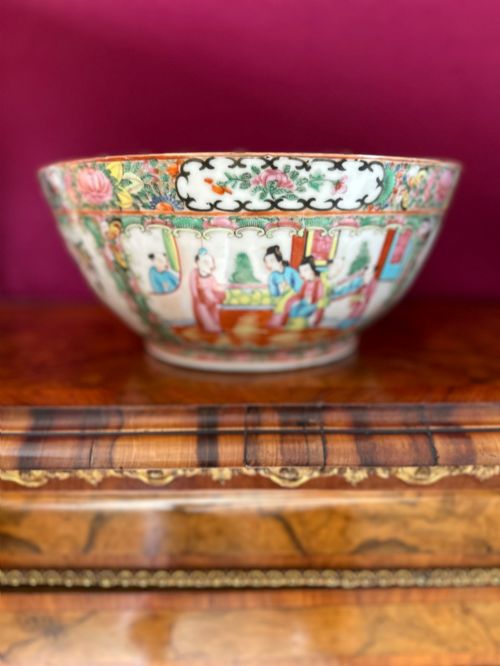
Most pieces meeting this search phrase belong to the nineteenth century, particularly featuring the vibrant palette associated with Canton or Rose Medallion designs. Buyers encounter large serving vessels, footed dishes, and smaller tea wares alongside specialised items like scholar's brush washers. These objects reflect both imperial tastes and the extensive export trade directed towards western markets during the late Qing era.
How they were made
The physical construction of these objects combines hard-paste porcelain or copper bases with vitreous enamels, gold leaf, and gilding. Artisans applied overglaze enamels by hand, building up complex polychrome motifs such as floral sprays, figures, and dragons. Copper vessels often utilise cloisonné wire techniques, where thin metal strips form cells to hold the coloured pastes before firing.
Production methods also incorporated delicate eggshell porcelain bodies and cast bronze structures, sometimes enhanced with jade rims or gilt accents. Painters utilised mineral pigments to achieve specific colour grounds, including iron-red, coral-orange, and turquoise. The firing process fixed these detailed designs onto the glazed porcelain or metal surfaces, creating durable and richly coloured finishes.
Several nineteenth-century bowls celebrate domestic acrobatics and circus acts alongside traditional floral motifs.
What varies in quality
The distinction between standard commercial output and superior examples lies in the precision of the hand-painted brushwork and the complexity of the palette. Finer vessels display tightly controlled enamel application with crisp outlines and well-defined figural or botanical motifs. Mass-produced export items often present looser execution and standardised repeating patterns.
Material selection and imperial markings further differentiate the pieces. Objects bearing reign marks from periods such as Qianlong or Guangxu, alongside finely potted eggshell porcelain or heavy bronze cores, indicate higher workshop standards. The depth of the gilding and the harmony of secondary colours like iron-red and turquoise contribute significantly to the visual success of the piece.
The Qing Dynasty Enamel Bowls Glossary
- Famille rose
- A major palette of Chinese ceramic glazes introduced in the eighteenth century, dominated by opaque pink or rose enamel derived from colloidal gold. This colour scheme allowed for subtle tonal gradations in painted floral and human subjects.
- Canton porcelain
- Wares decorated in the southern Chinese port city of Guangzhou, frequently utilising busy panels of figures, birds, and flowers within gilt borders. Much of this production targeted western export markets during the nineteenth century.
- Gaiwan
- A traditional Chinese three-piece tea set comprising a saucer, a bowl, and a lid used for steeping and drinking tea leaves directly. These items often feature matching enamel or painted decoration across all components.
- Guangxu period
- The reign spanning from 1875 to 1908, noted for a revival of imperial ceramic production and detailed overglaze enamelling. Pieces from this era frequently carry six-character reign marks on the base.
Qing Dynasty Enamel Bowls: Frequently Asked Questions
How are these bowls dated?
Dating relies on a combination of reign marks, stylistic conventions, and material characteristics recorded across the pieces. Imperial items often carry specific six-character marks from emperors like Qianlong or Guangxu.
Broader nineteenth-century export pieces are evaluated through the style of the hand-painted enamels and the type of porcelain body. Comparing the palette and potting techniques to documented examples helps narrow the period of manufacture.
What is the difference between porcelain and copper enamel bowls?
Porcelain bowls utilise a ceramic body fired at high temperatures before the application of overglaze enamels. These pieces often feature famille rose or doucai designs painted directly onto the white glazed surface.
Copper enamel bowls, including cloisonné and painted metal pieces, use a metallic foundation. Artisans fused vitreous pastes directly to the bronze or copper base through specialised firing processes.
How were large punch bowls used?
Large punch bowls served a central role in eighteenth and nineteenth-century dining, particularly within export contexts. They held mixed beverages for communal gatherings and social entertaining.
Beyond dining tables, their substantial capacity and decorative surfaces made them prominent display pieces in domestic interiors. They frequently sat on pedestals or stands to showcase the painted scenes.
How do I care for antique enamel bowls?
Maintenance requires gentle handling to protect the delicate overglaze enamels and applied gilding from abrasion. Cleaning should be done manually using a soft, dry cloth rather than immersion in water or chemical detergents.
Display environments should avoid direct sunlight and extreme temperature fluctuations to preserve the stability of the porcelain bodies and metal mounts.