
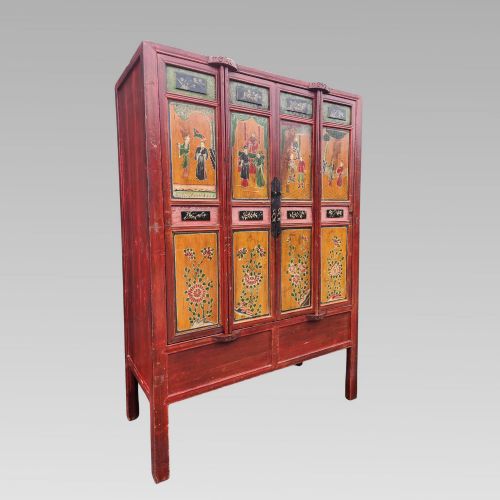


Antique Asian Coffer
An antique asian coffer holds generations of regional craftsmanship, offering practical storage disguised in rich lacquer, carved hardwood, and brass detail.
Antique Asian Coffer
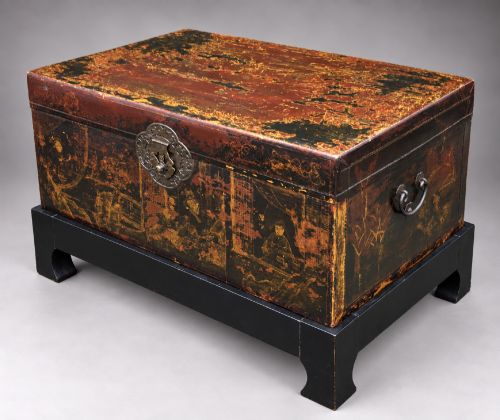
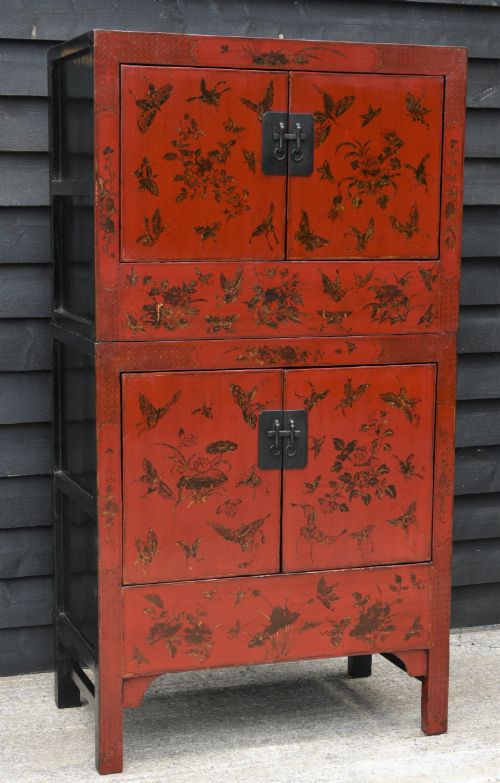
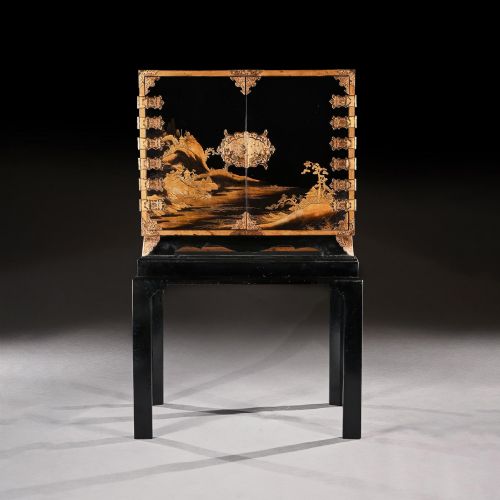
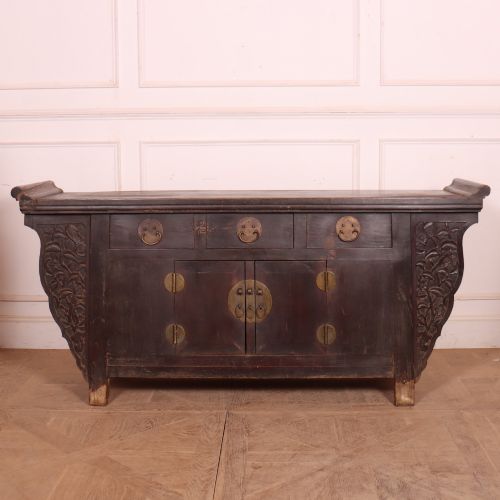
When searching for an antique asian coffer, a buyer encounters a diverse group of storage forms including trunks, blanket boxes, marriage chests, and low sideboards originating from China, Japan, Korea, Tibet, and Afghanistan. These pieces span periods from the seventeenth century through the early twentieth century, reflecting distinct regional furniture traditions.
Objects range from simple blanket boxes to elaborately carved camphor trunks and lacquered cabinets mounted on stands. Each item serves as both a practical container and a sculptural presence within a modern interior.
Materials and construction methods
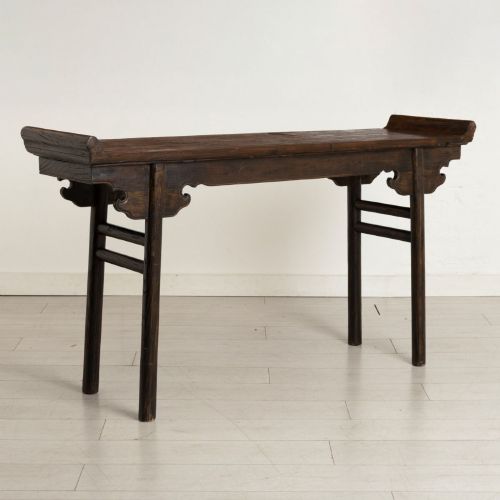
Construction relies heavily on native timbers such as camphor wood, elm, and dense hardwoods selected for durability and grain pattern. Camphor wood provides a natural aromatic protection for textiles stored within, while elm and various hardwoods offer structural strength for heavy chests and sideboards.
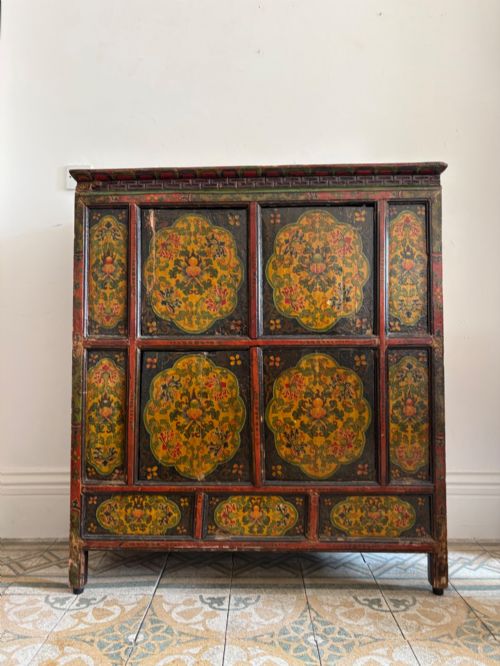
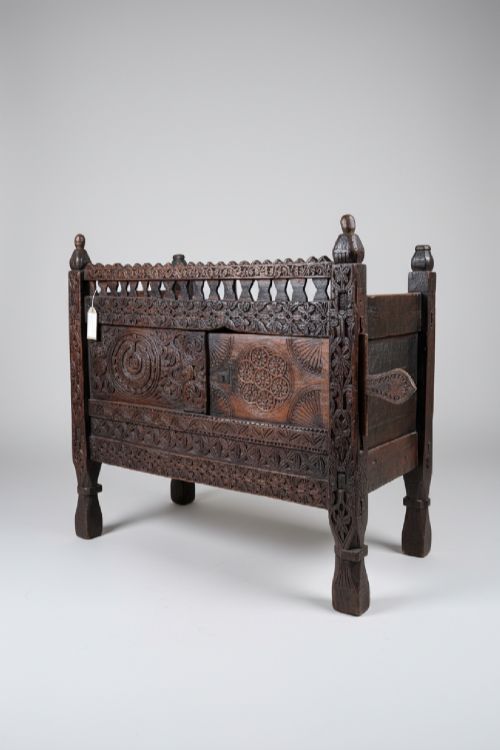
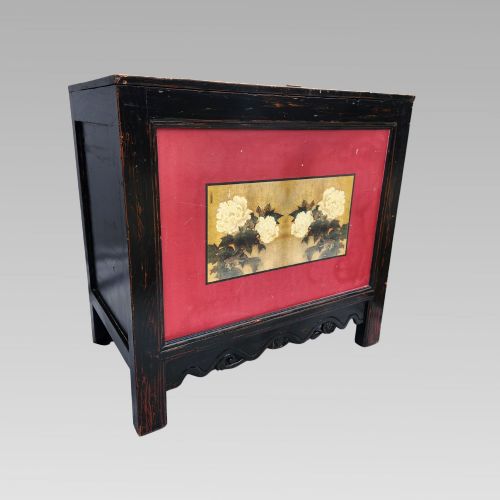
Surfaces receive decorative treatments including hand-applied red or black lacquer, polychrome floral painting, and intricate wood carving. Brass mountings, corner plates, and locking systems provide both structural reinforcement and visual contrast against the dark timber or colourful lacquer.
Camphor trunks retain their natural pungent scent across the centuries, still quietly guarding blankets from moths.
Distinctions in quality and execution
Quality separates through the depth and precision of the hand carving, the integrity of the timber selection, and the preservation of original surface finishes like lacquer and paint. Superior examples exhibit crisp joinery, well-balanced proportions, and intact regional hardware.
The distinction also lies in the survival of original decorative schemes, such as delicate floral brushwork on lacquer or deeply articulated relief carving on camphor panels. Pieces retaining their early stands or original brass mountings command greater interest among collectors.
The Antique Asian Coffer Glossary
- Camphor wood
- An aromatic timber native to Asia, prized for its insect-repellent properties and distinct grain. It is commonly utilised in the construction of storage trunks and blanket boxes.
- Lacquer
- A durable resin finish applied in multiple layers to wood surfaces, often taking red or black tones. This technique protects the timber while providing a smooth ground for painted decoration.
- Tansu
- A traditional Japanese mobile or stationary storage chest constructed with integrated iron or brass fittings. These modular units were designed for domestic utility and easy transport.
- Bandaji
- A traditional Korean storage chest featuring a drop-front panel secured by prominent decorative metal strapwork. Elm is frequently employed in their construction.
- Chinoiserie
- European-derived artistic interpretation of Chinese and East Asian decorative motifs. It appears on storage chests and cabinets executed in lacquer and paint.
Antique Asian Coffer: Frequently Asked Questions
What is an antique asian coffer used for?
These pieces served historically for storing garments, blankets, documents, and household valuables. Families utilised them to safeguard precious textiles from moisture and insects.
Today, they function effectively as coffee tables, blanket storage at the foot of a bed, or focal storage units in living spaces.
How do I care for a lacquered chest?
Lacquered surfaces require gentle dusting with a soft, dry cloth to prevent scratching the delicate finish. Avoid placing them in direct sunlight or near heat sources, which can cause the lacquer to crack.
Maintain stable room humidity to preserve both the timber substrate and the outer decorative layers.
Are camphor wood chests safe for modern storage?
Camphor wood naturally emits a pleasant, distinct aroma that deters moths and other insects, making it ideal for storing woollens and linens. The natural oils within the timber have protected textiles for centuries.
Ensure items placed inside are clean, as the wood acts primarily to preserve rather than clean stored garments.
How can I tell the region of origin?
Regional styles reveal themselves through construction methods, hardware design, and specific timber choices. For instance, Japanese tansu chests utilise distinct iron strapwork, while Korean bandaji chests feature bold geometric metal plates.
Chinese examples often display red or black lacquer, carved camphor panels, or elm frames characteristic of provincial workshops like Shanxi.