




Dark Elm Storage Chest
These dark elm storage chests bring centuries of robust utility and rich grain into a room, offering both practical containment and strong character.
Dark Elm Storage Chest
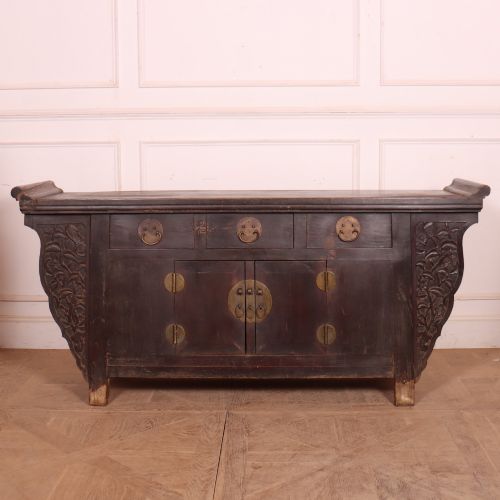
A dark elm storage chest is a robust container for blankets, linens, and domestic goods, built from sturdy timber and often fitted with heavy metal hardware. When you search for a dark elm storage chest, you encounter a range of forms spanning European vernacular traditions and Asian cabinet-making. These pieces function equally well at the foot of a bed or as a focal point in a living space.
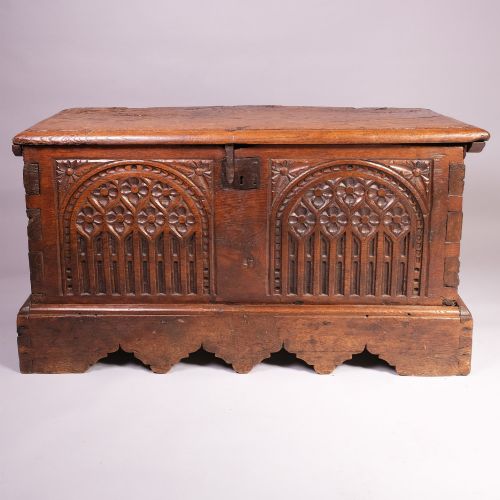
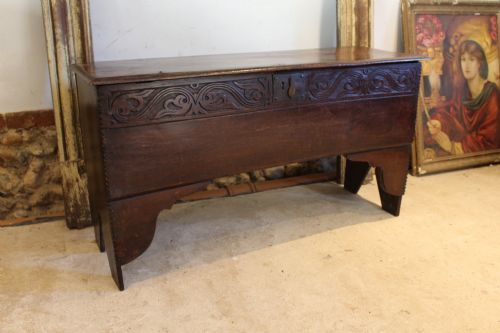
The selection here includes six-plank coffers, blanket chests, and panelled cupboards drawing on Georgian, Gothic, Welsh, and traditional Chinese and Korean aesthetics. Most examples date from the eighteenth and nineteenth centuries, alongside earlier pre-sixteenth century Gothic work and twentieth-century regional interpretations. Elm timber provides a distinct figured grain that deepens in tone over long periods of use.
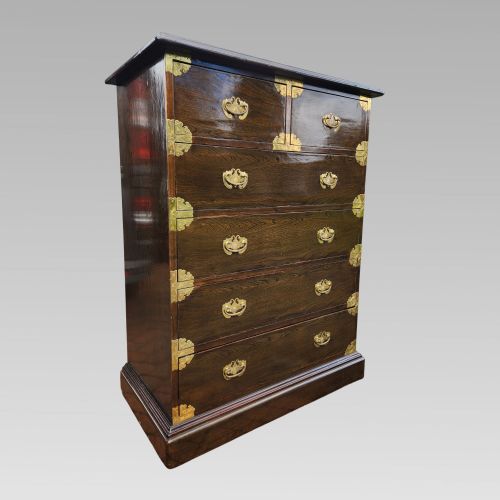
Regional variations shape the character of each dark elm storage chest, from the simple joins of Welsh vernacular pieces to the intricate framing of Qing Dynasty furniture. English examples often favour plain boards and iron strap hinges, whilst Asian trunks and side cabinets incorporate brass butterfly plates and carved panels. Each regional school approaches construction with distinct methods suited to the timber.
Materials and Construction
Makers construct these dark elm storage chests using solid hardwood boards, frequently combining elm with oak panels or secondary timbers for internal structure. Elm wood is tough and resistant to splitting, making it an ideal choice for heavy-use storage boxes that endure frequent opening and closing. Burr elm variations appear in decorative panels, showing complex swirling grain patterns across the front elevation.
Metalwork plays a central structural and decorative role, with heavy iron straps, hinges, and brass mounts securing the corners and lids. Blacksmith-made iron brackets reinforce the joints on six-plank coffers, whilst Asian trunks utilise elaborate brass corner plates and locking hasps. These fixings are integral to the durability of each chest and reflect the working traditions of the period.
The listings span periods from pre-sixteenth century Gothic work to the twentieth century, utilising elm, oak, burr elm, brass, and iron.
Assessing Quality and Character
Quality in a dark elm storage chest rests upon the integrity of the timber selection and the skill of the original joinery. Pieces featuring well-figured burr elm panels or deeply patinated boards command attention through their natural visual depth. The treatment of edges, corners, and joints reveals the maker's hand, distinguishing standard utilitarian boxes from finer regional commissions.
The survival of original hardware, including hinges, locks, and brackets, elevates the integrity of the piece. Well-balanced proportions and honest construction without excessive modern intervention preserve the historical weight of the object. A superior chest demonstrates harmony between the rustic strength of the elm and the refinement of its finish.
The Dark Elm Storage Chest Glossary
- Six-plank coffer
- A primitive chest constructed from six individual boards joined edge to edge with simple pegging or dovetailing. This form represents one of the oldest methods of box-making in European furniture history.
- Burr elm
- A woody growth on an elm tree that produces highly figured, swirling grain patterns when sliced into veneer or panels. Cabinet-makers reserve this material for prominent decorative surfaces.
- Bandaji
- A traditional Korean storage chest featuring prominent brass hardware and drop-front doors that provide access to internal compartments. These trunks combine domestic utility with striking decorative metalwork.
- Vernacular
- Furniture built by local tradesmen using regional materials and traditional designs rather than high-style metropolitan patterns. These pieces reflect the specific domestic needs of rural communities.
Dark Elm Storage Chest: Frequently Asked Questions
How old are these chests?
The pieces span several centuries, with examples ranging from pre-sixteenth century Gothic coffers to twentieth-century regional cabinets.
Most items date from the eighteenth and nineteenth centuries, reflecting traditional vernacular and Asian workshop production.
What is elm wood like?
Elm is a dense, hard timber known for its interlocking grain and resistance to splitting under heavy use.
Over the years, the wood develops a rich, dark patina that highlights the natural figuring of the grain.
How were they used?
These chests served primarily for storing household textiles, blankets, clothing, and valuables in domestic settings.
Asian variants often functioned as side cabinets or portable trunks for travelling scholars and merchants.
Where do the different styles come from?
The inventory includes European pieces from English, Welsh, and Gothic traditions alongside Chinese and Korean designs.
Each region utilises local construction methods, from simple planking to sophisticated frame-and-panel joinery.
Are the metal fittings original?
Many chests retain their period iron strapwork, hinges, and brass mounting plates fitted by the original makers.
Metalwork varies from utilitarian blacksmith iron to decorative brass hardware on Asian furniture.