


Antique Asian Bronze Ornament
An antique asian bronze ornament brings centuries of sculptural skill into a room, spanning figures, vases and animals.
Antique Asian Bronze Ornament
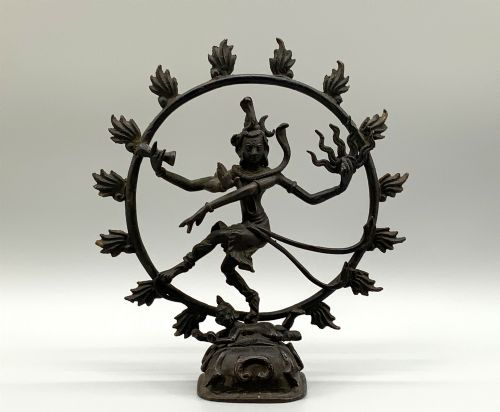
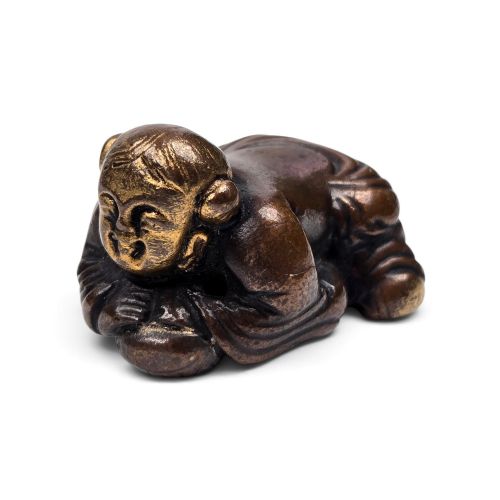
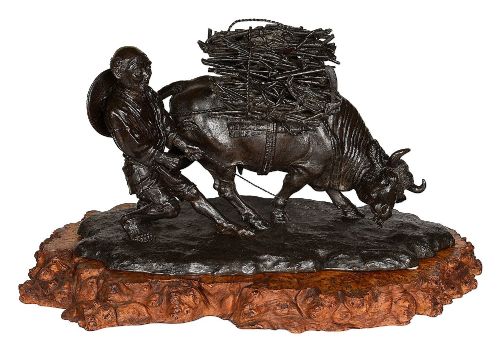
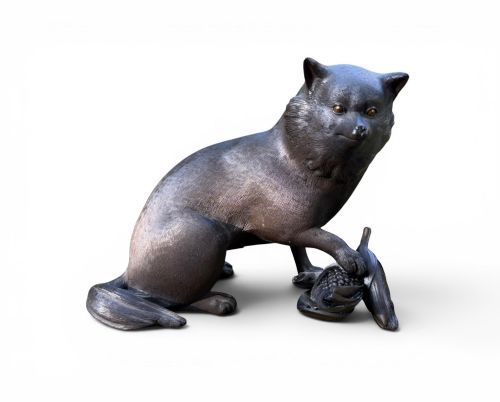
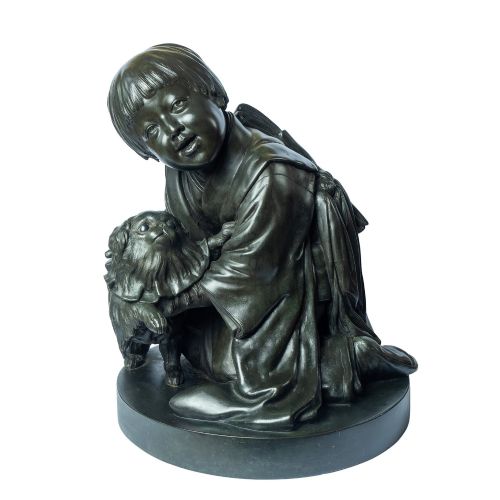
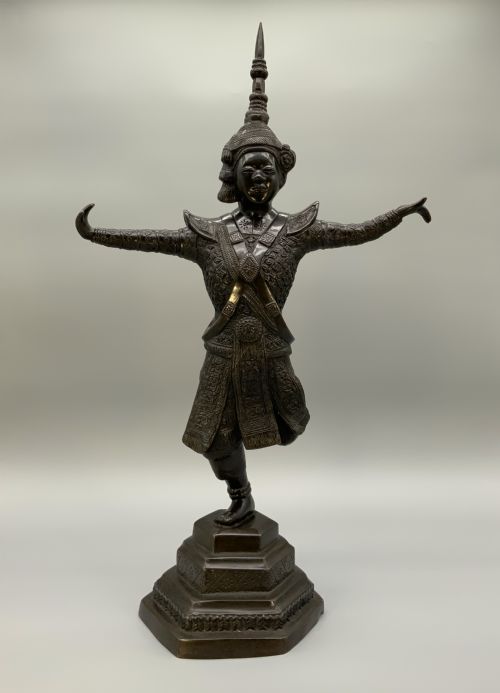
An antique asian bronze ornament encompasses sculptural forms, vessels and scholar's objects sourced from diverse regional traditions. When exploring an antique asian bronze ornament, buyers frequently encounter Japanese Meiji period okimono and Chinese figures alongside Indian and Tibetan works. These pieces range from small desk paperweights to large garden statues of animals, deities and mythical creatures.
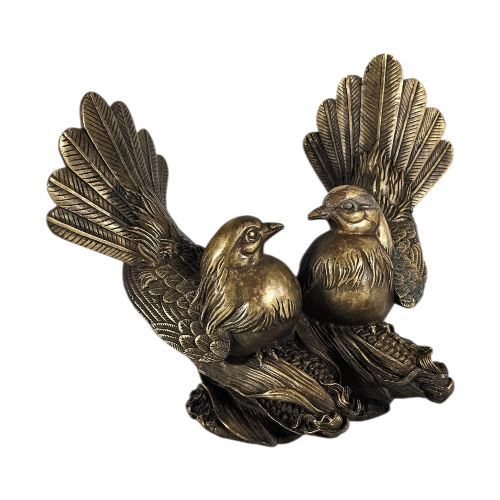
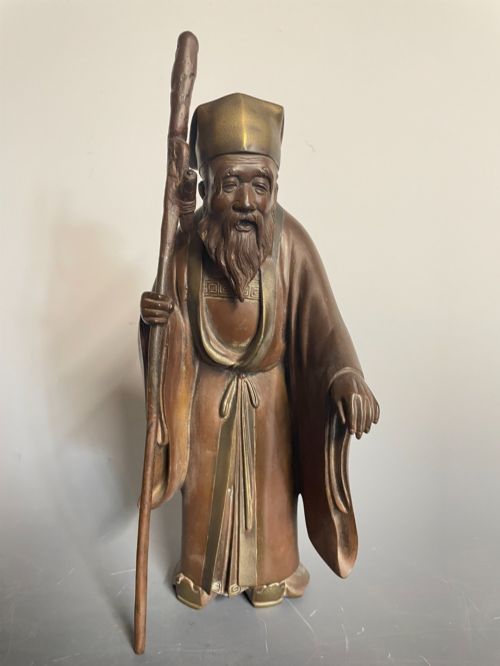
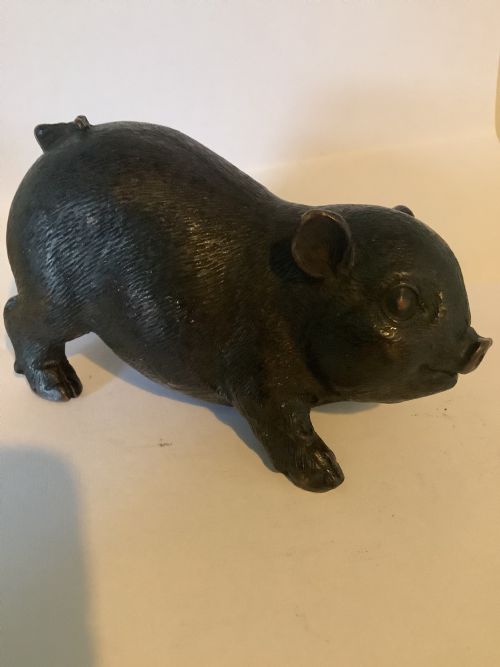
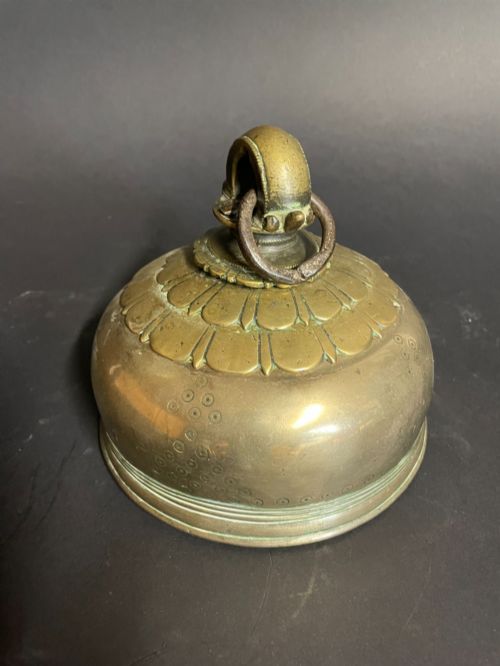
The selection includes specific regional archetypes such as Japanese bronze elephants, tigers, water buffalo and geese. Chinese examples often feature scholars, horses, dragons and pigeons, whilst other works comprise temple lions and Buddhist bells from Tibet and India. Forms extend to vases, stem urns and brush rests produced across various centuries.
How they were made
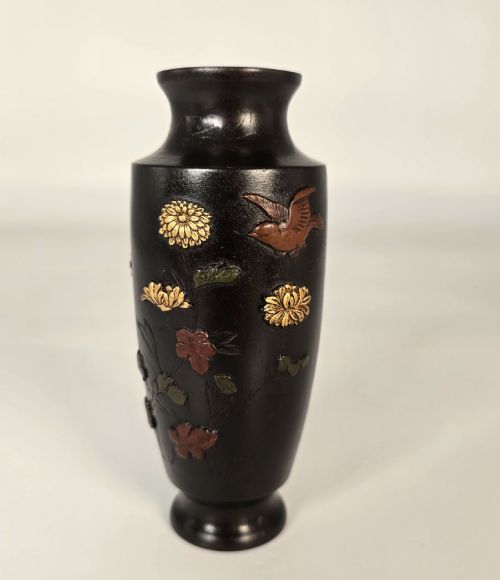
Makers utilised casting techniques to shape molten bronze, brass and copper into intricate figures and vessels. Many works incorporate patinated finishes, whilst select items display selective fire-gilding, gold leaf or mixed metal elements.
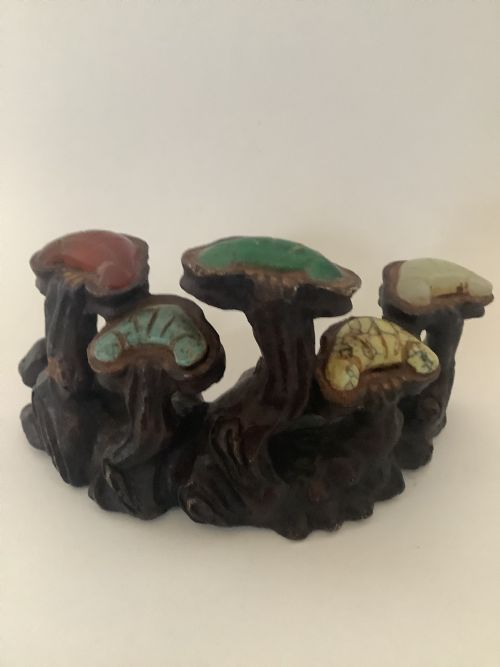
Detailing was achieved through careful surface finishing and chasing, sometimes integrating hardstone or burr wood components into the design of scholar's desk items.
Listings feature items spanning the 16th century through to the mid 20th century, encompassing materials such as bronze, brass, copper, hardstone and burr wood.
What varies in quality
The standard of an antique asian bronze ornament depends heavily on the crispness of the cast and the depth of the chisel work. Finer examples display meticulous articulation in feathers, fur, facial expressions and architectural elements without losing structural balance.
Material composition and surface treatment also dictate worth, as skilled patination and fire-gilding enhance the visual weight and textural contrast of the metal. Signed pieces or those retaining distinct cultural markings demonstrate superior provenance.
Masaaki
The Antique Asian Bronze Ornament Glossary
- Okimono
- A Japanese display piece or ornament designed for traditional interior decoration. These free-standing sculptures frequently depict animals, people or mythological subjects.
- Patinated bronze
- Metalwork treated with chemical solutions to produce a controlled surface colour and aged appearance. This finish protects the alloy whilst accentuating the underlying sculptural contours.
- Fire-gilding
- A decorative technique applying a gold and mercury amalgam to metal surfaces before heating to bond the gold layer. It creates a rich, durable lustre.
- Mixed metal
- An alloy combination or assemblage utilising diverse metals within a single object to create tonal and textural contrasts. This technique was favoured by Japanese artisans.
- Scholar's object
- An item created for the desk or studio of an educated scholar, encompassing brush rests, paperweights and small scholarly figures. These pieces were valued for contemplation and utility.
Antique Asian Bronze Ornament: Frequently Asked Questions
How do I care for bronze?
Bronze requires minimal intervention to maintain its stable surface and natural patina. Dust the piece gently with a soft dry cloth and avoid harsh chemical cleaners.
Keeping the ornament away from excessive moisture preserves the original metal finish.
How can I date these bronzes?
Dating relies on stylistic markers, casting methods, regional art periods and occasional workshop signatures or marks. Japanese pieces often align with the Meiji or Taisho reigns, whilst Chinese examples reference dynastic periods.
Comparing the casting technique and patina style with documented archives helps narrow the production era.
Where were these ornaments placed?
Many smaller items functioned as scholar's desk accessories, paperweights or brush rests within private studies. Larger animal sculptures and garden figures were designed for prominent display in courtyards, temples or interior reception rooms.