

Antique Art in Case
Antique art in case encompasses objects from small silver containers to large cabinets housing miniatures, books, and clocks.
Antique Art in Case
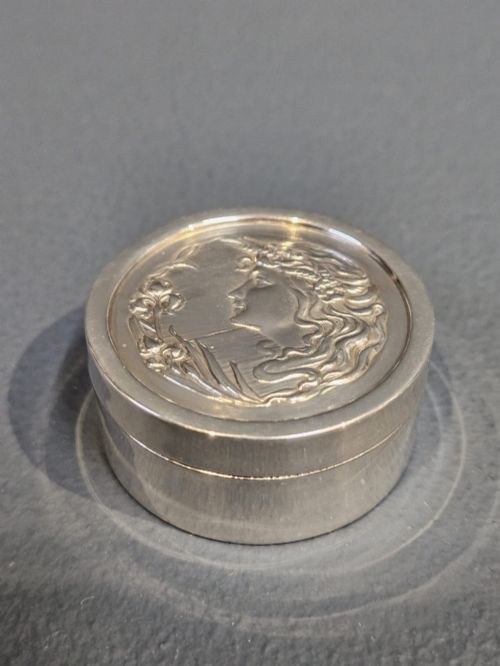
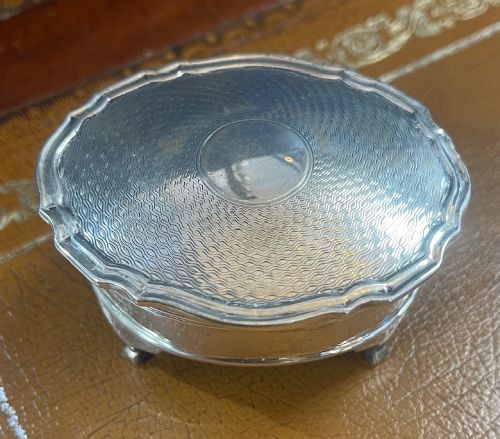
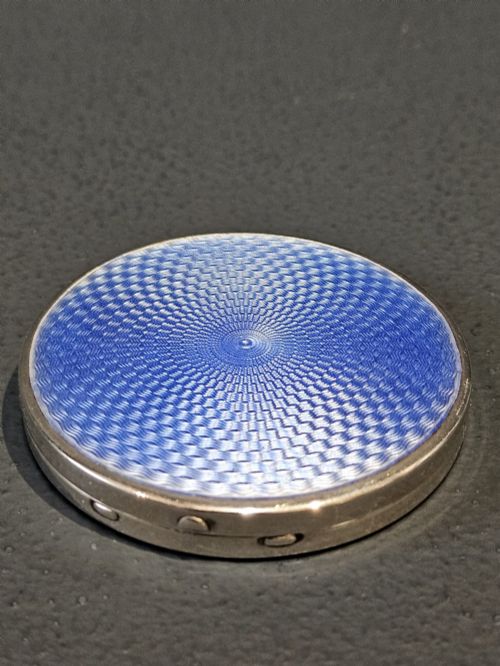
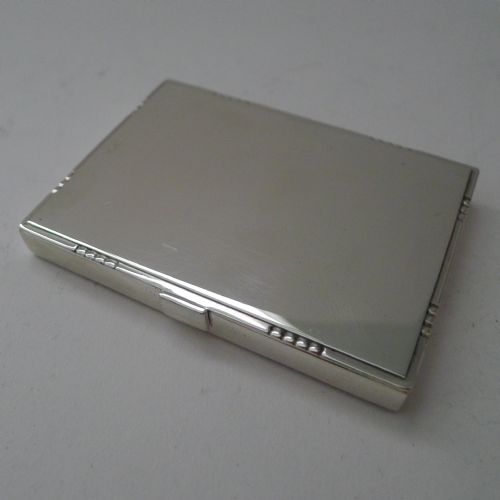
When searching for antique art in case, buyers encounter a diverse selection of items ranging from pocket-sized silver and enamel containers to substantial oak and mahogany display cabinets. These pieces often serve a dual purpose as both functional items and protective enclosures for delicate works of art.
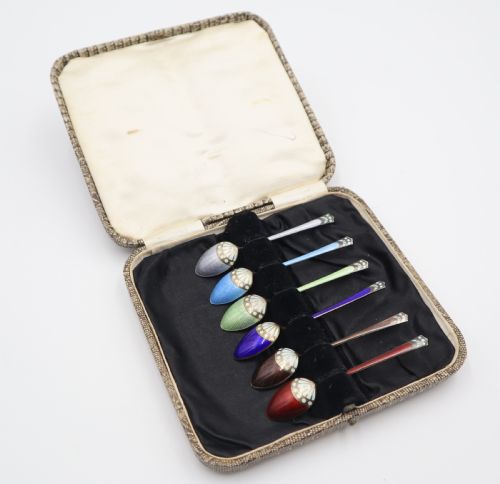
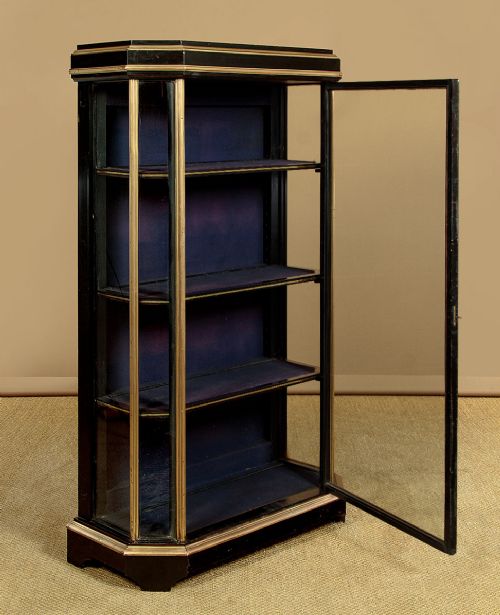
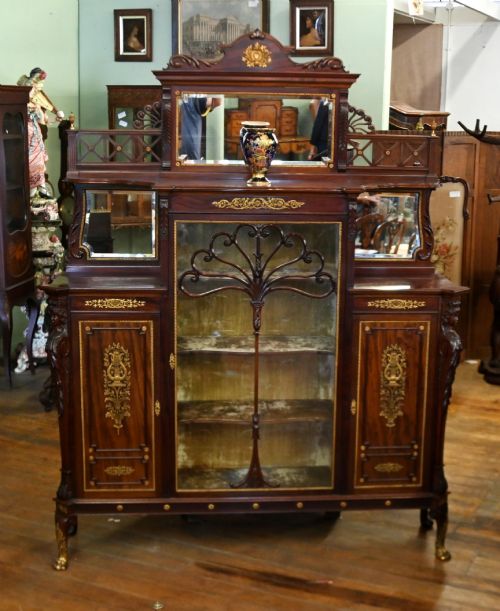
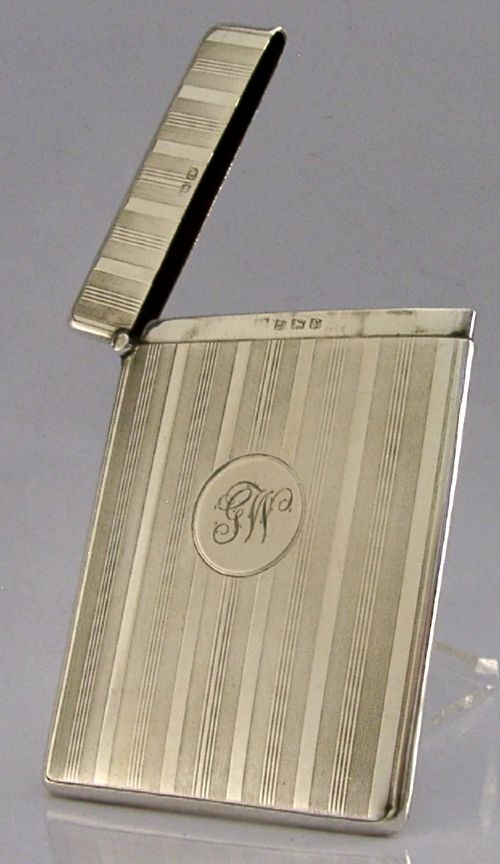
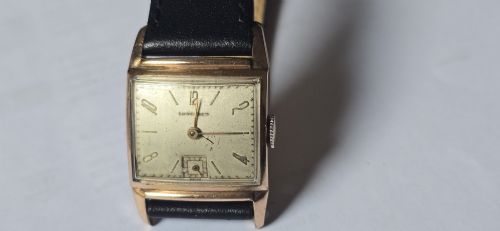
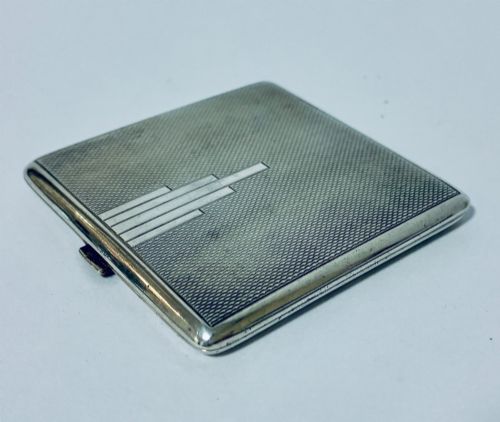
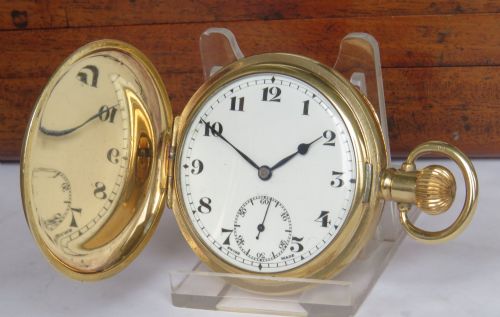
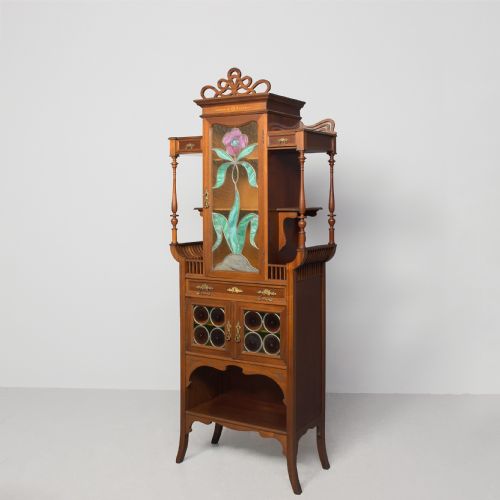
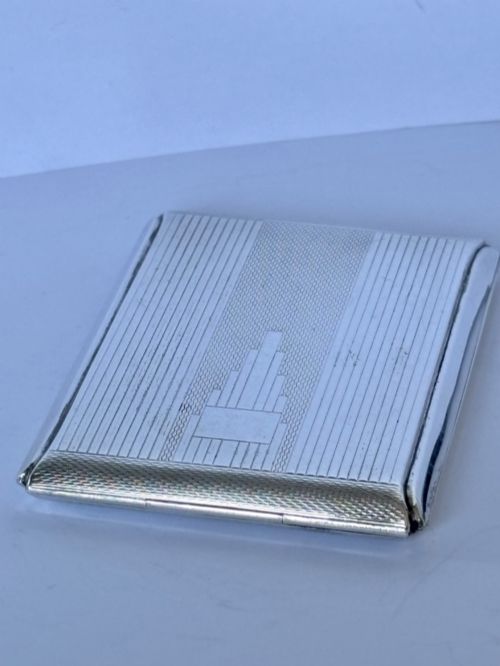
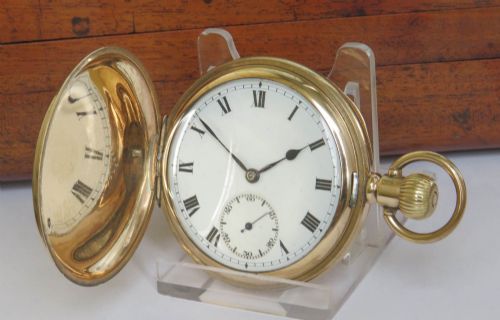
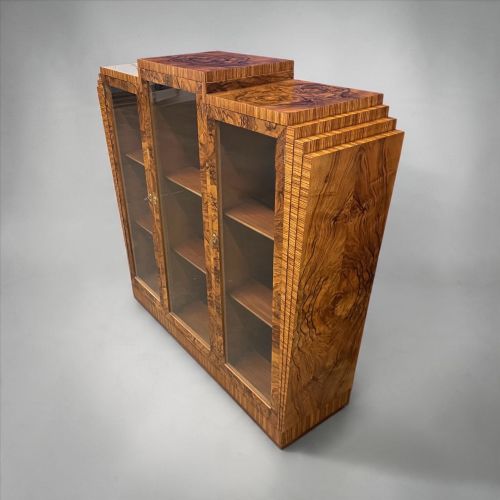
The assortment spans several distinct stylistic movements, most notably Art Deco, Arts and Crafts, and Edwardian periods. Smaller items like travel beakers, pocket watches, and card cases sit alongside larger architectural furniture such as glazed bookcases and wall cabinets.
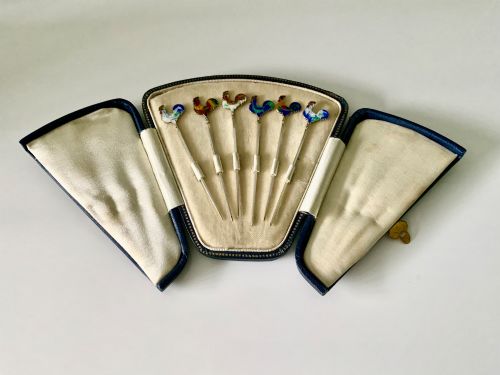
Originating predominantly from the late nineteenth and early twentieth centuries, these objects reflect the craftsmanship of periods that valued both utility and decorative refinement. The presence of fitted cases or display housings remains the unifying thread across this selection.
What varies in quality
The calibre of these pieces depends heavily on the precision of the joinery and the selection of figured veneers on larger cabinets. Superior examples demonstrate seamless integration of glass and wood, maintaining structural integrity without losing delicate proportions.
In smaller silver and enamel goods, quality is evident in the sharpness of the hand-painted details and the secure closure of hinged lids. The involvement of recognised makers and silversmiths elevates the standing of an individual item.
Materials dictate much of the inherent value, particularly the weight of the sterling silver and the clarity of the crystal or glass. The survival of original fitted cases and leather linings intact adds significantly to an object's completeness.
Antique Art in Case Retail Price Guide 2026
Typical asking prices for art in case among the pieces listed under this phrase on Sellingantiques today, from the lower quarter to the upper quarter. They describe what is for sale here now, not the wider market.
Materials utilised across the collection include sterling silver, brass, oak, mahogany, enamel, glass, and crocodile leather.
Georg Jensen·Harald Nielsen·Sampson Mordan·Dunhill London·William Neale
The Antique Art in Case Glossary
- Art Deco
- A design style characterised by sleek geometric shapes, stylised motifs, and modern industrial materials that gained prominence in the 1920s and 1930s.
- Arts and Crafts
- A movement emphasising traditional craftsmanship, simple forms, and medieval or folk decoration, often utilising hammered metals and exposed joinery.
- Cabochon
- A gemstone shaped and polished as a convex dome rather than faceted, frequently set into metal cigarette cases and boxes.
- Diorama
- A three-dimensional scene, often depicting maritime subjects with sailing ships, enclosed within a protective glazed case or box.
Antique Art in Case: Frequently Asked Questions
What is an antique art in case?
These items are objects and artworks preserved, displayed, or transported within a dedicated container, cabinet, or fitted housing. They range from small pocket items like compacts and cigarette cases to large wall cabinets and bookcases.
Many pieces combine fine art with functional storage, such as portrait miniatures housed in frames or silver cruet sets inside fitted boxes.
How do I date a cased antique?
Dating relies on hallmarks on silver items, stylistic indicators such as Art Deco geometry or Arts and Crafts hand-hammered textures, and construction methods. Maker marks and registration numbers provide specific production years.
Materials and wood types also offer clues, with mahogany and walnut prevailing in different eras alongside specific glass and enamel treatments.
How were display cabinets used?
Display cabinets and bookcases housed precious collections, china, books, and decorative objects while protecting them from dust and damage. Glass panels and mirrored backs allowed light to reflect through the interior.
Smaller cased items like travel beakers and vanity cases protected personal accessories during transit or kept dressing tables organised.
How should I care for wooden cabinets?
Wooden display furniture requires stable indoor humidity levels away from direct sunlight to prevent veneer cracking and fading. Regular dusting with a soft, dry cloth preserves the finish.
Leather and glass components benefit from gentle cleaning appropriate to their specific material without harsh chemical solvents.
Can I travel with antique silver cases?
While items like travel beakers and stamp cases were originally designed for portability, modern transit requires careful padding to protect fragile enamel and hinges. Securing them in padded compartments prevents impact damage.
Checking the security of clasps and locks ensures contents remain secure during movement.