





Antique Armorial Painting
When you handle an antique armorial painting, you hold centuries of family lineage rendered in pigment upon porcelain, canvas, glass, and wood.
Antique Armorial Painting
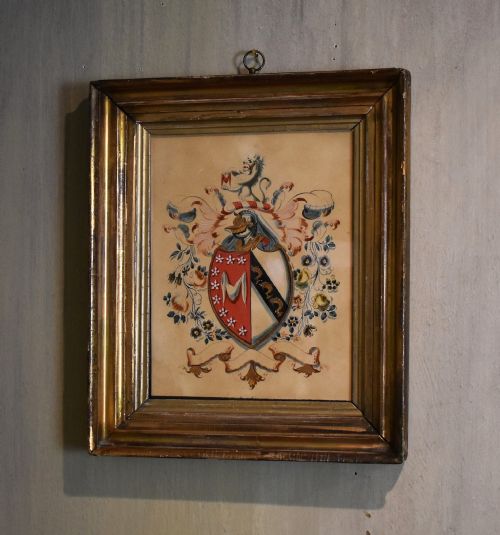
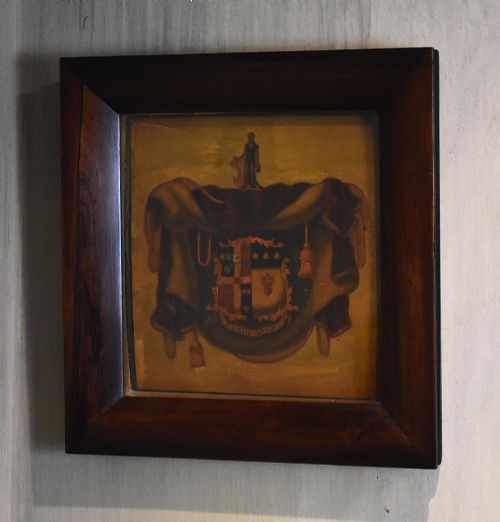
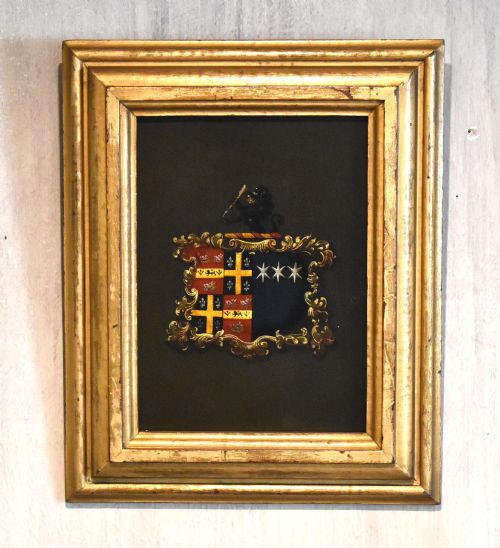
An antique armorial painting encompasses heraldic panels, wall art, and ceramic crests originating primarily across the eighteenth and nineteenth centuries. These works display coats of arms, crests, and noble insignia associated with specific families, institutions, or royalty.
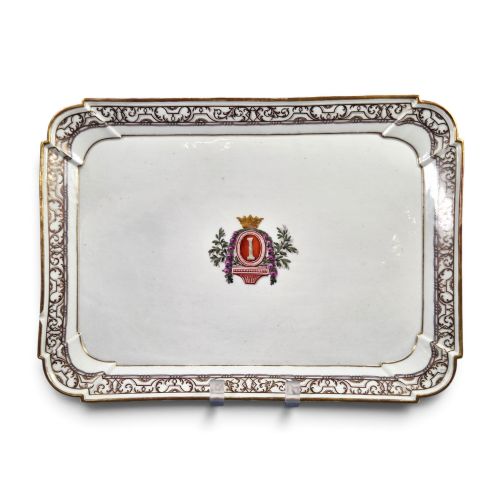
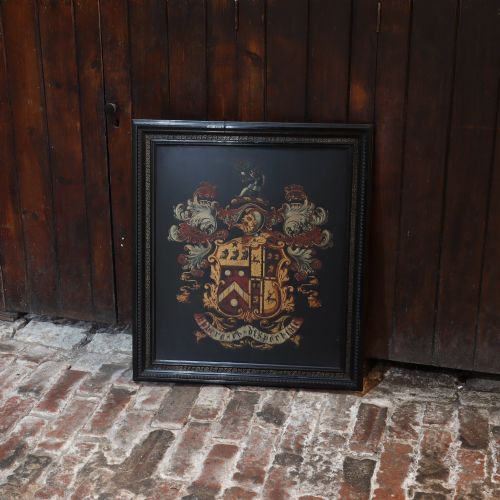
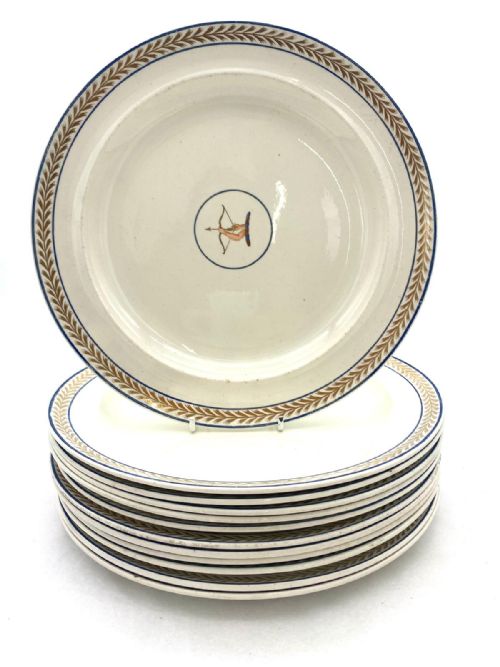
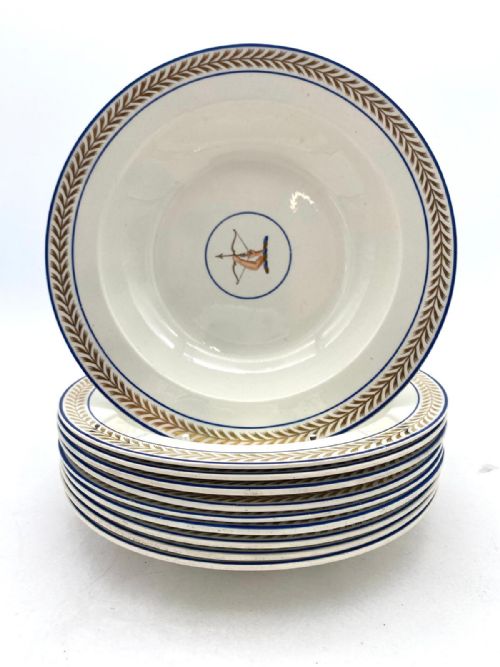
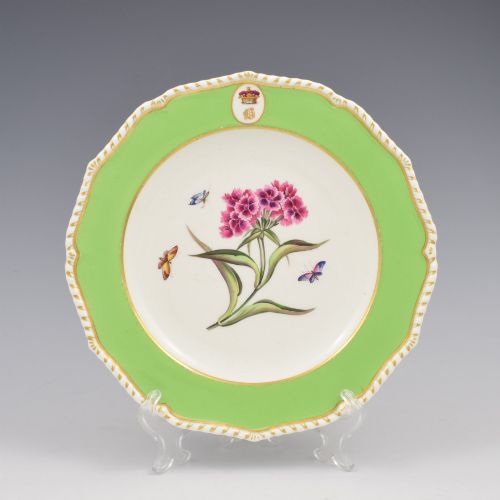
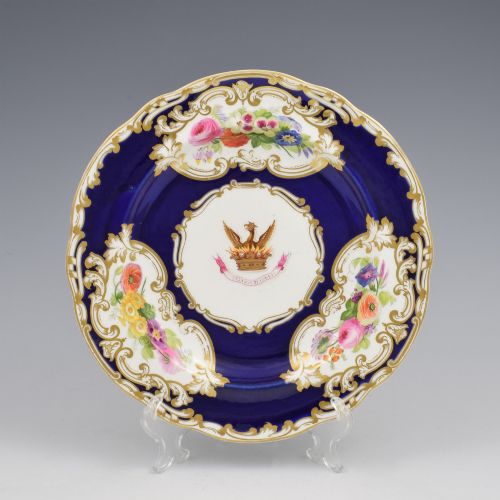
Buyers meet varied forms on this page, ranging from framed watercolours and oil paintings on glass to painted coach panels and porcelain dinner services. Georgian and Victorian examples dominate, executed across Britain, France, and China for export.
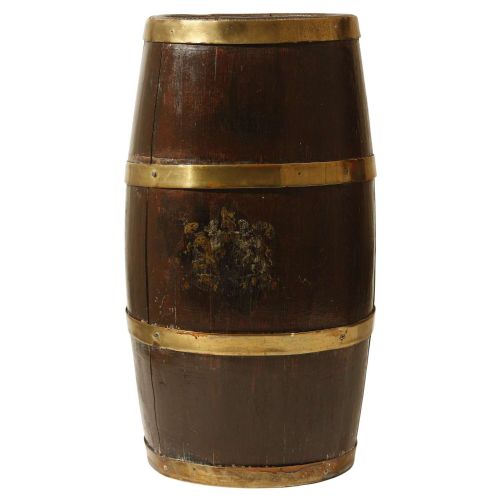
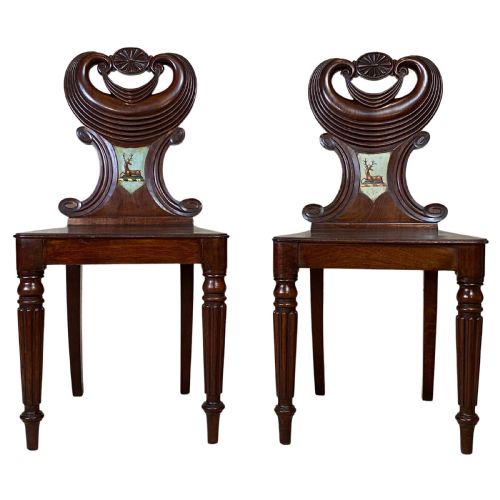
The objects themselves bridge fine art and functional decorative pieces, appearing on porcelain plates, wooden hall chairs, glass goblets, and leather fire buckets. Each item records specific heraldic grants through hand-painted detail.
Materials and technique
Makers utilised fine porcelain, earthenware, glass, mahogany, and leather as grounds for intricate pigment application and gold leaf enrichment. Painters applied oil, watercolour, and enamel directly to these varied surfaces, firing ceramics to permanently fix the heraldic colours.
Specialised workshops combined joinery, metalwork, and ceramic manufacture before applying the detailed armorial motifs by hand. Glass pieces received enamel painting, while wooden coach panels and leather items required durable pigments sealed against daily wear.
Listings feature 18th Century and 19th Century items across ceramic, glass, mahogany, and brass.
Evaluating the standard
The division between standard commercial output and exceptional pieces rests upon the precision of the heraldic brushwork and the quality of the supporting medium. Finely detailed hand painting executed on translucent porcelain or well-figured mahogany commands greater attention than standard transfer work.
Provenance and documentation elevate certain pieces significantly, particularly when the specific family, regiment, or maker can be identified with certainty. The crispness of the armorial bearings and the original preservation of the painted surface dictate the standing of the piece.
Ludwigsburg Porcelain·Wedgwood·Samson of Paris·Bloor Derby·Copeland·Gillows·Chamberlain Worcester·Lobmeyer·Veuve Perrin·Barr Flight and Barr·Minton
The Antique Armorial Painting Glossary
- Armorial
- Relating to heraldry or bearing a coat of arms. These painted or enamelled designs identify specific lineages and historical families.
- Crest
- The component of a coat of arms positioned above the shield and helm. It frequently takes the form of animals, plumes, or symbolic objects.
- Creamware
- A fine light-coloured earthenware developed in eighteenth-century England. Wedgwood and other potteries used it extensively for armorial table services.
- Enamel
- Opaque glassy substance fused to metal, glass, or ceramic through firing. It provides brilliant, lasting colour for heraldic details.
- Coach panel
- A wooden section removed from a carriage or coach. Wealthy families commissioned artists to paint their coats of arms directly onto these exterior surfaces.
Antique Armorial Painting: Frequently Asked Questions
What is an armorial painting?
An armorial painting depicts a specific coat of arms, crest, or heraldic device belonging to a family or institution. Artists executed these works on porcelain, glass, canvas, wood, and leather.
Such pieces functioned as symbols of status, lineage, and identity within grand houses and public offices. Today they survive on plates, panels, and framed artworks.
How were armorial ceramics used?
Armorial plates, dishes, and services were commissioned by affluent families for dining and formal display. They signaled wealth and social standing to guests at elite gatherings.
Many pieces formed part of extensive dinner services imported from China or produced by major European potteries. Their heraldic designs matched the family silver and carriage panels.
How do I date an armorial piece?
Dating relies upon the style of the armorial painting, the material form, and any recorded makers' marks. Porcelain bodies and wooden furniture styles provide clear chronological markers.
Heraldic records and genealogical details within the painting itself often narrow the production era. Expert comparison with documented factory periods confirms the date.
Where should I display armorial art?
Armorial panels and paintings suit wood-panelled libraries, traditional dining rooms, and study walls. Framed watercolours and oils require protection from direct sunlight.
Ceramic plates and vessels perform best within secure cabinets or on appropriate wall mounts. Their rich colours complement traditional and eclectic interiors alike.