

Antique Armoire Cupboard
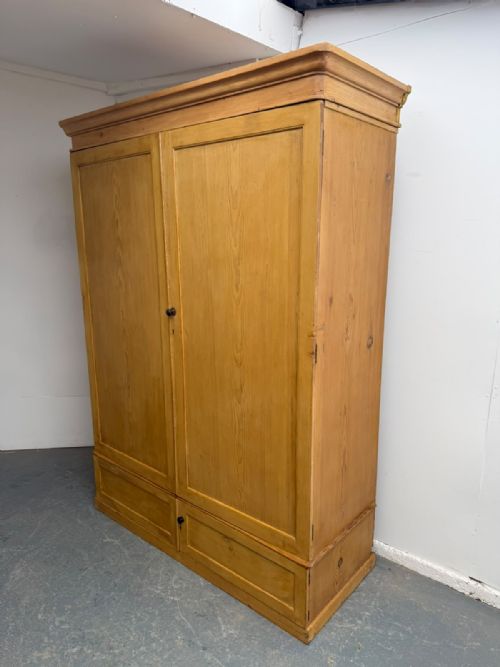
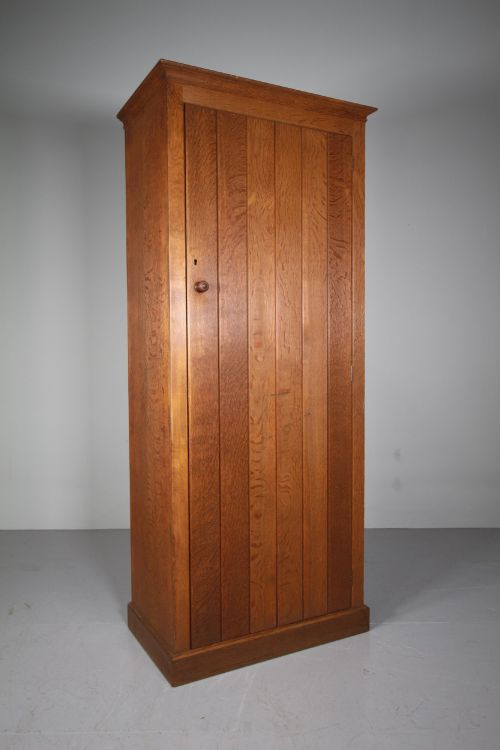
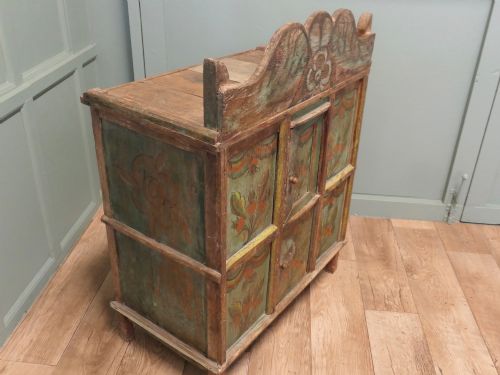
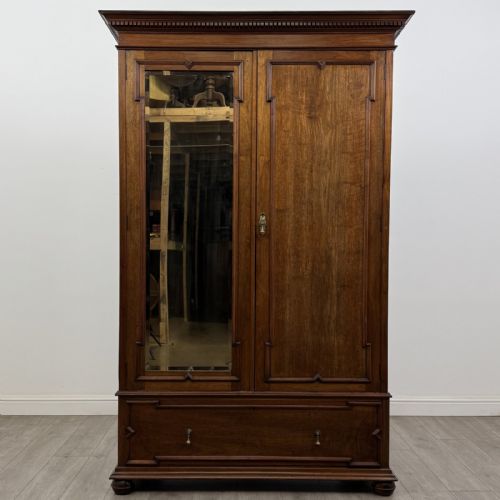
These pieces stand as substantial storage for clothes and linen, and when you search for an antique armoire cupboard, you are looking at centuries of timber craftsmanship designed to anchor a room.
Antique Armoire Cupboard
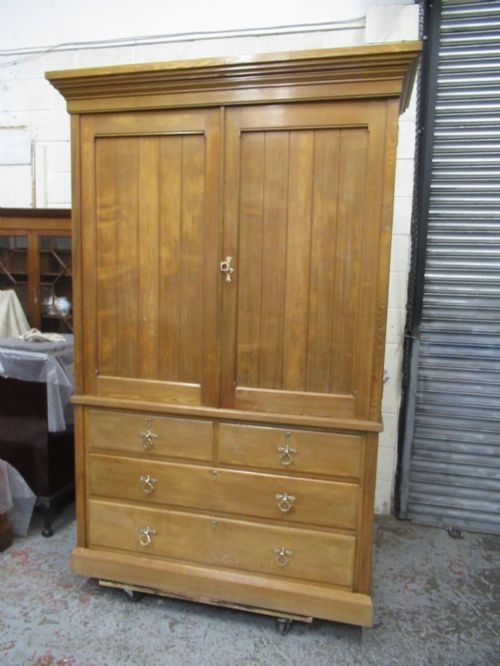
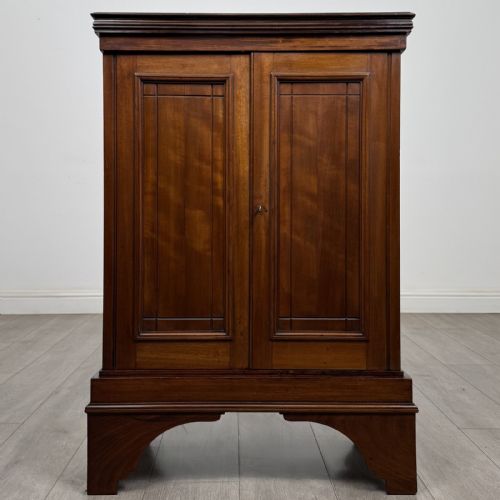
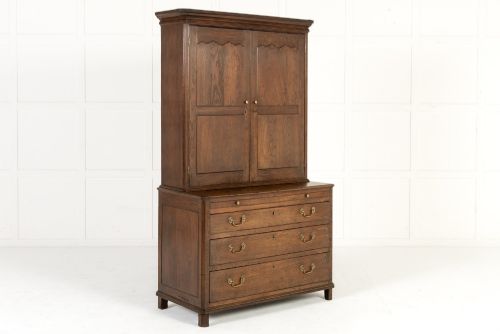
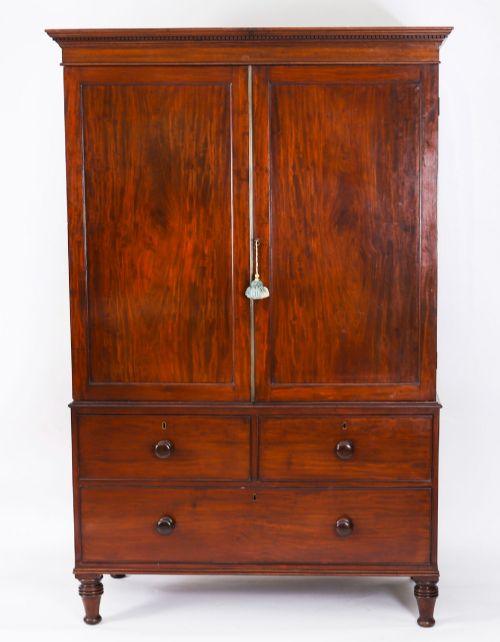
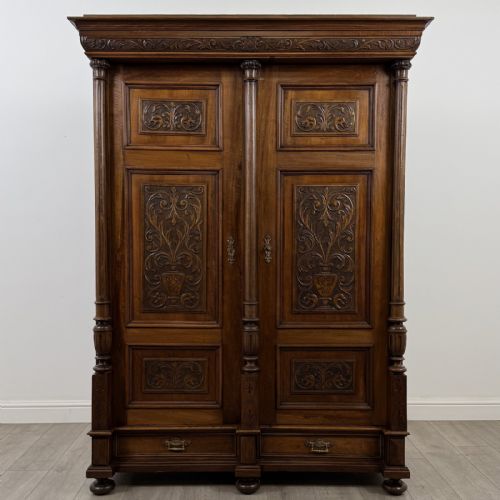
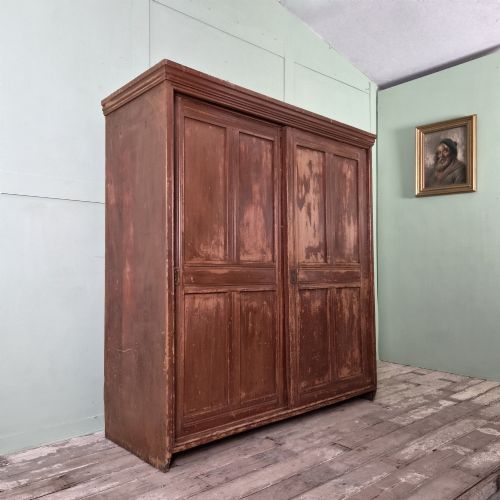
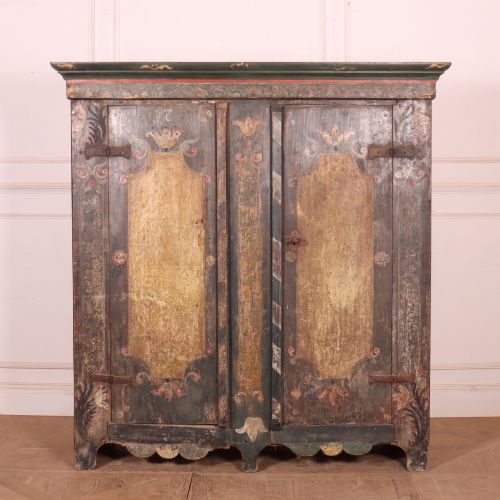
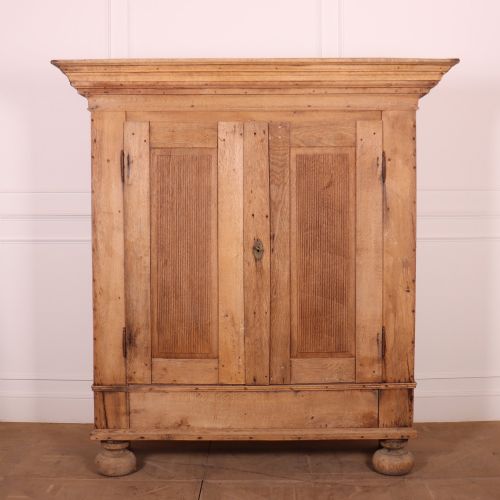
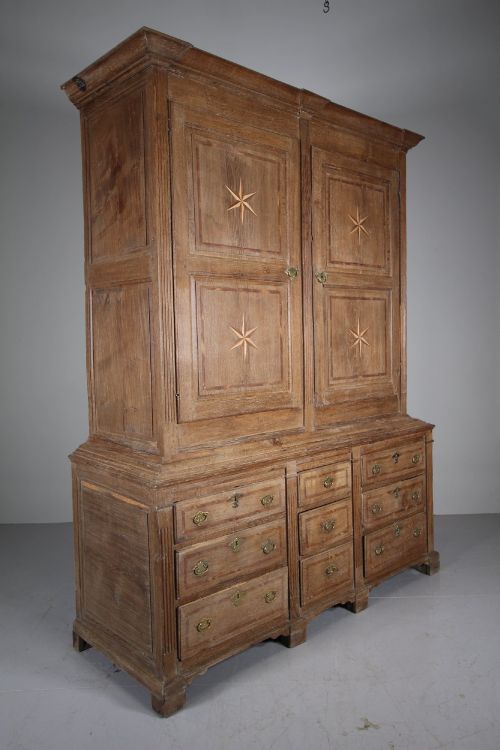
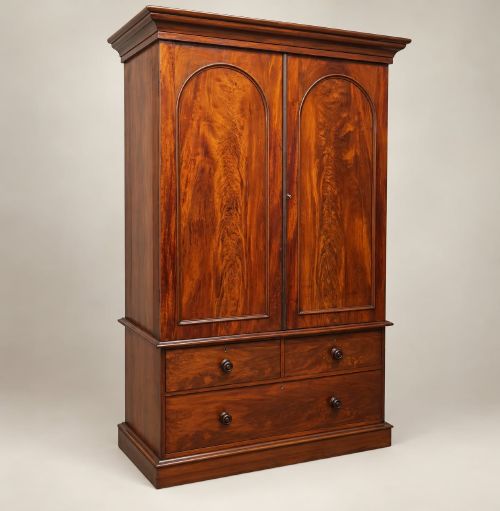
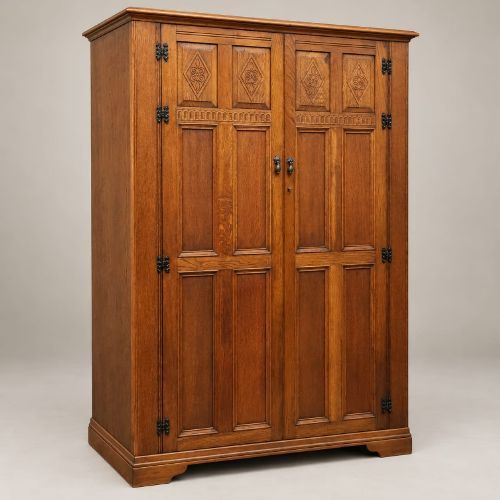
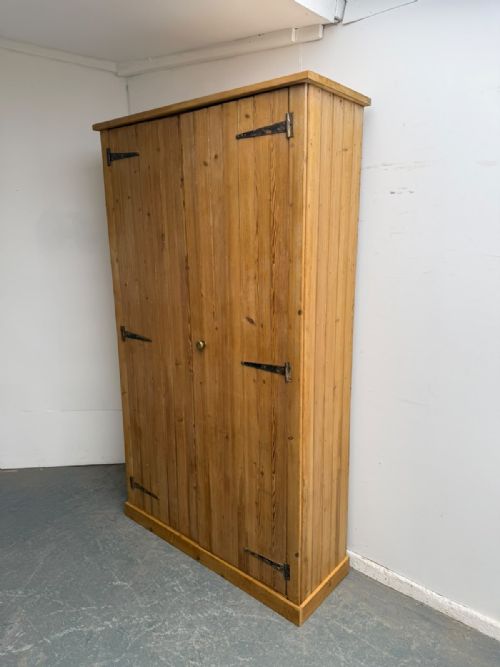
When you search for an antique armoire cupboard, you meet a variety of heavy storage furniture including wardrobes, linen presses, compactums and housekeepers cupboards. These pieces originate from distinct periods spanning the seventeenth century through to the 1930s, encompassing Georgian, Victorian, Edwardian and continental traditions.
You are most likely to encounter pine and oak pieces from the nineteenth century alongside walnut and mahogany examples from the Georgian and Victorian eras. French and Dutch regional styles appear frequently, showing distinct provincial cabinet-making methods and proportions.
The objects serve primarily for hanging garments or stacking linens, often combining hanging space with internal drawers or shelving units. Format ranges from single-door hall wardrobes to massive triple-door constructions that dismantle for transport.
Materials and construction
Makers utilised solid native timbers such as oak, ash, pine and mahogany, alongside exotic veneers like burr walnut and satinwood. Carved details, fielded panels and marquetry inlay demonstrate the technical skill applied to the primary wood surfaces.
Construction methods rely heavily on traditional joinery, dovetailing for internal drawer construction and peg joining for heavier frameworks. Brass hardware, iron strap hinges and mirrored glass panels complete the structural and decorative elements of the pieces.
Antique Armoire Cupboard Retail Price Guide 2026
Typical asking prices for armoire cupboard among the pieces listed under this phrase on Sellingantiques today, from the lower quarter to the upper quarter. They describe what is for sale here now, not the wider market.
Continental pieces include French provincial armoires and Dutch marquetry cabinets alongside English country furniture.
Distinctions in craftsmanship
The grade of timber selection heavily dictates the merit of a piece, separating figured burr walnut and flame mahogany from standard utility pine. Timber choice reflects the original commission and the status intended for the furniture.
Execution of detail defines the superior examples, visible in the precision of marquetry inlay, hand-carved mouldings and original brass fixtures. Integration of internal fittings like slides, trays and sliding linen shelves adds functional superiority.
maples & co
The Antique Armoire Cupboard Glossary
- Linen press
- A tall storage cabinet featuring upper sliding trays or shelves enclosed by doors, positioned above a chest of drawers base. This form evolved specifically for storing folded household textiles.
- Compactum
- A fitted wardrobe designed to maximise internal storage by combining hanging space, linen drawers and shelving within a single footprint. These multi-purpose units often date from the late Victorian or Edwardian periods.
- Marquetry
- The art of applying thin decorative veneers of wood, ebony, or rosewood onto a structural core to form pictorial or geometric patterns. Dutch and continental pieces frequently employ this technique.
- Kussenkast
- A heavy Dutch architectural cupboard style characterised by cushion-moulded panel doors. The term translates directly from Dutch to describe this distinct seventeenth-century form.
Antique Armoire Cupboard: Frequently Asked Questions
How do I assemble a large wardrobe?
Many large period wardrobes and armoires were constructed to dismantle entirely using internal bolts or wedge systems. This design allowed historic makers to transport heavy timber furniture up staircases and into domestic rooms.
Reassembly requires methodical placement of the base, sides, back panels, and heavy cornice. Ensuring the piece sits level on the floor is essential to prevent the large doors from dropping or sticking.
Will these cupboards fit modern ceilings?
Antique armoires and housekeepers cupboards often reach heights exceeding two metres, reflecting older architectural proportions. Verifying ceiling height and doorway clearance before purchase prevents installation difficulties.
Cornices and upper mouldings can sometimes add unexpected height to the overall measurement. Checking whether the specific piece dismantles helps determine how it navigates restricted spaces.
How do I care for antique timber?
Solid woods like oak, mahogany and walnut respond best to stable indoor humidity away from direct heat sources. Sudden temperature shifts cause timber to warp or split over time.
Applying traditional beeswax polish periodically nourishes the grain and preserves the patina. Avoid modern silicone sprays, which penetrate the wood surface and damage historic finishes.
Can I adjust the internal hanging space?
Early wardrobes and linen presses were built with fixed internal shelving or shallow hanging depths designed for period garments. Altering these interiors requires careful consideration of the original joinery and structural integrity.
Many pieces retain their original sliding linen trays or deep shelves, which collectors prefer to keep intact. Adding a modern clothes rail is sometimes possible without permanently altering the historic fabric.