

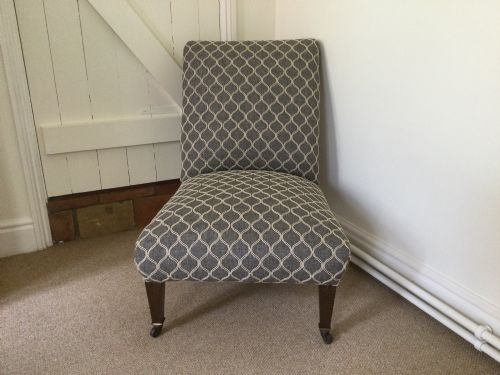


Antique Armless Chair
An antique armless chair offers low-slung comfort and compact proportions, spanning Victorian slipper designs to Edwardian bedroom seating.
Antique Armless Chair
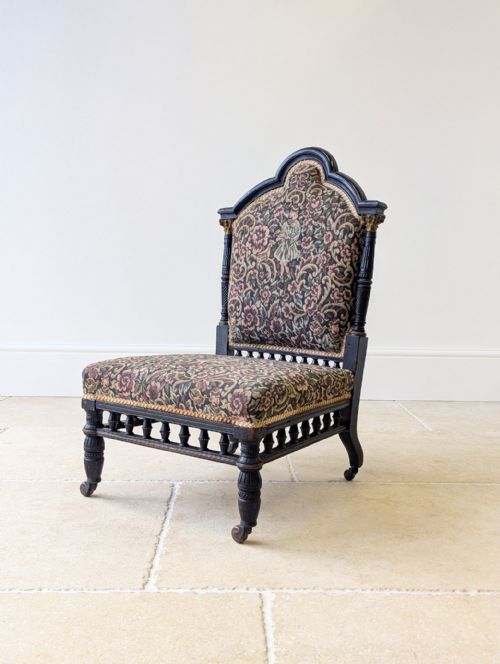
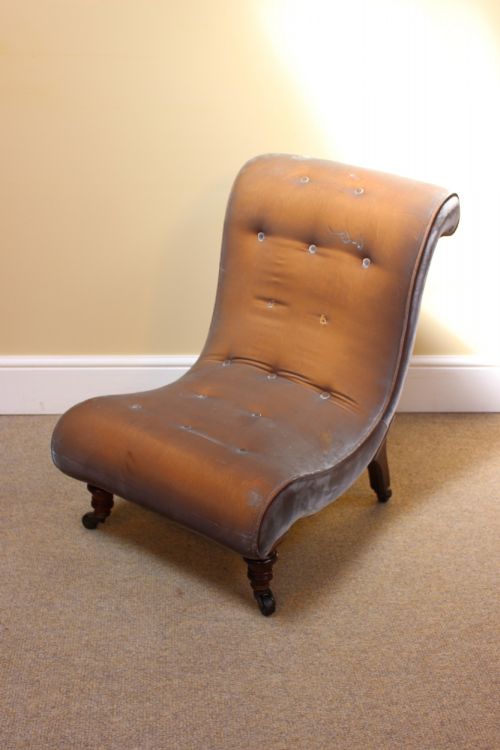
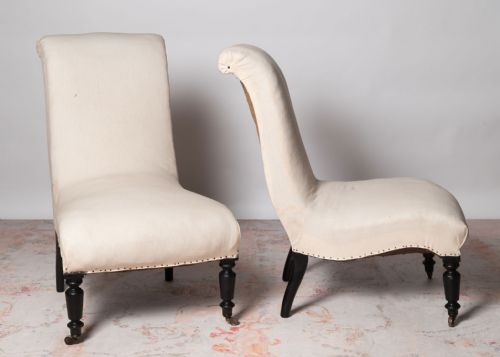
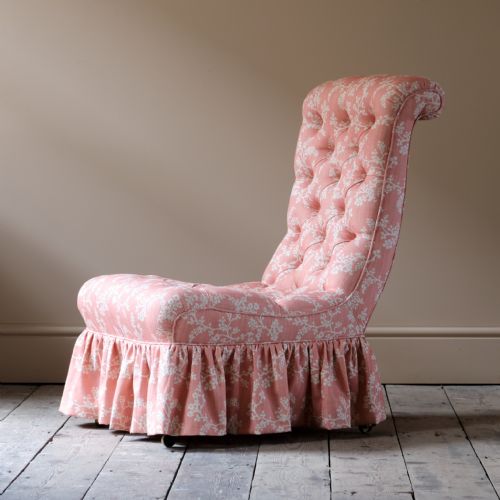
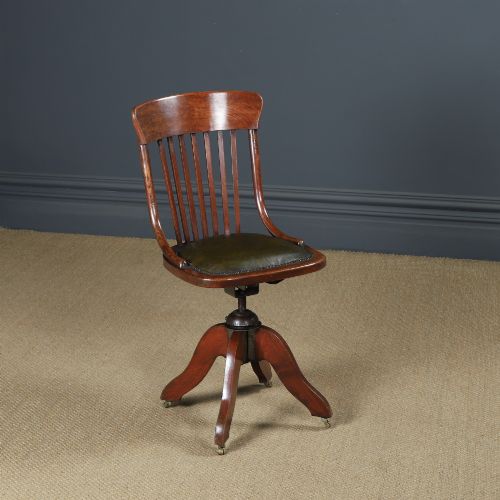
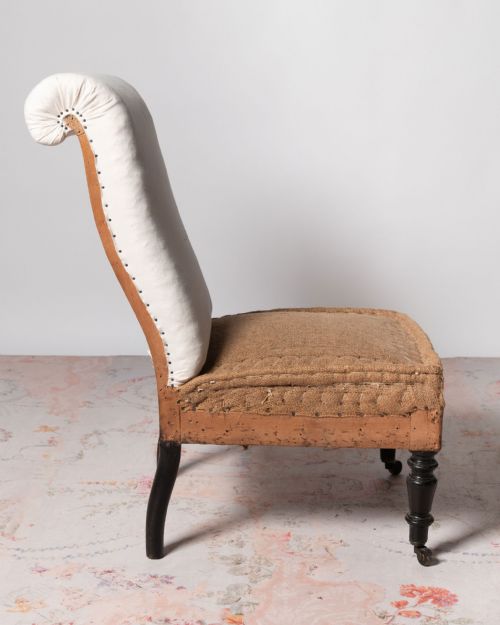
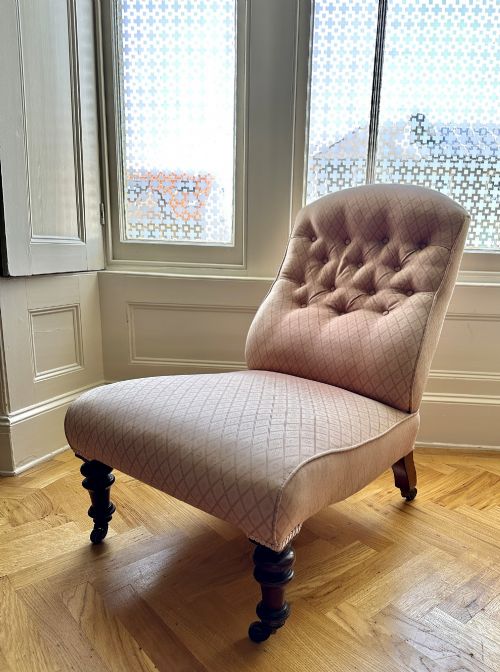
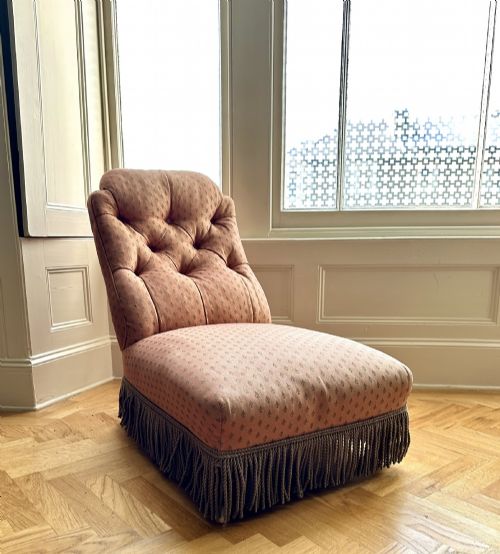
An antique armless chair typically appears as a low-profile slipper or nursing chair, designed without armrests to accommodate the bulky garments of past eras. These pieces emerge across nineteenth century, Victorian, and Edwardian periods, taking forms such as bedroom chairs, low salon seats, and small office desk side chairs.
The selection ranges from French scroll back examples and Chinese yoke-back chairs to revolving leather desk chairs. Buyers frequently encounter nineteenth century walnut and mahogany frames alongside ebonised wood and upholstered salon seating.
Assessing quality
Quality rests in the integrity of the timber frame, the crispness of carved details like cabriole legs or gilt work, and the structural robustness of joints. Maker attribution significantly elevates interest, particularly pieces bearing workshop signatures.
The execution of upholstery work, from button-backed padding to the precision of fabric or leather fitting, dictates the overall refinement of the seating.
Historic slipper chairs lacked arms specifically to accommodate the immense width of Victorian crinolines and heavy skirts.
Gillows·Hindley and Sons·Howard and Sons·Morris and Co·Philip Webb·Bell Barn Furniture
The Antique Armless Chair Glossary
- Slipper chair
- A low-seated, armless chair originally designed for bedrooms, allowing women to dress comfortably.
- Nursing chair
- A low upholstered seat traditionally used for feeding infants, characterised by a supportive back and lack of arms.
- Cabriole leg
- A furniture leg that curves outward and then tapers inward, mimicking an animal limb.
- Ebonised wood
- Timber treated with a dark stain or finish to imitate ebony.
- Button back
- An upholstery technique where buttons are pulled deep into the padding to create a diamond pattern.
Antique Armless Chair: Frequently Asked Questions
What is an antique armless chair used for today?
These chairs function well as accent seating in bedrooms, dressing rooms, or small living spaces where standard armchairs overwhelm the floor plan.
Their compact proportions also suit low-profile desk setups or occasional salon seating.
How do I identify a Victorian slipper chair?
Victorian examples stand out through low seats, turned or cabriole wooden legs, and upholstered frames often featuring button backs.
Many incorporate walnut or ebonised wood with stylistic influences from the Aesthetic Movement or French design.
Are these chairs comfortable for daily sitting?
The deep seats and sprung upholstery of nineteenth and early twentieth century models provide a surprisingly supportive sit.
Slipper and nursing chairs were built for relaxed lounging, though low seat heights suit shorter periods of reading or resting.
How can I tell the difference between periods?
Mid nineteenth century pieces often utilise heavily carved walnut with robust frames, whereas Edwardian examples favour lighter mahogany or oak.
George V office chairs introduce revolving mechanisms and leather upholstery specific to early twentieth century workspace requirements.