




Antique Arita Ware Bowl
These antique arita ware bowl pieces are robust Japanese porcelain vessels that bring centuries of ceramic history and hand-painted artistry directly into your home.
Antique Arita Ware Bowl
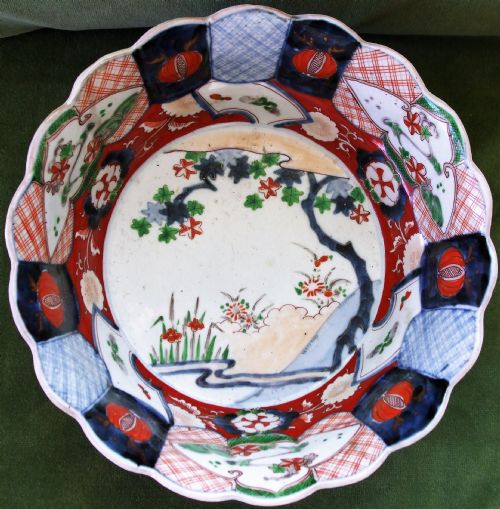
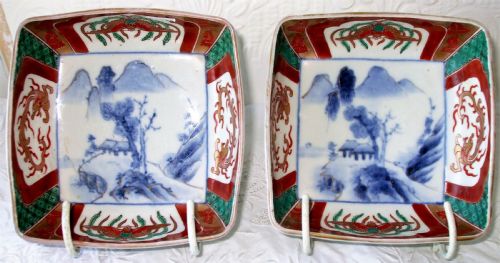
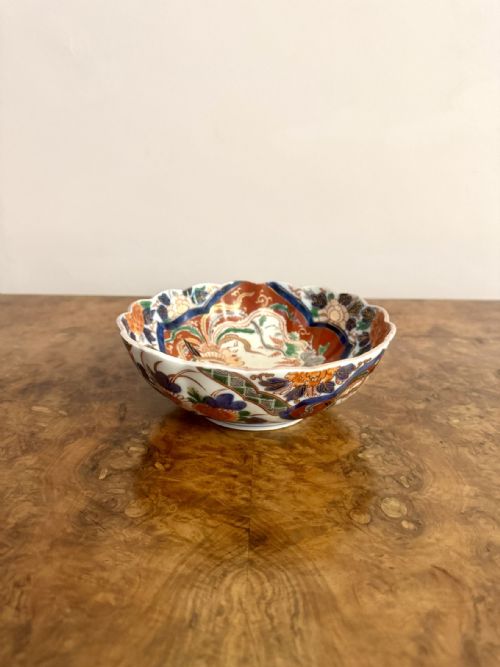
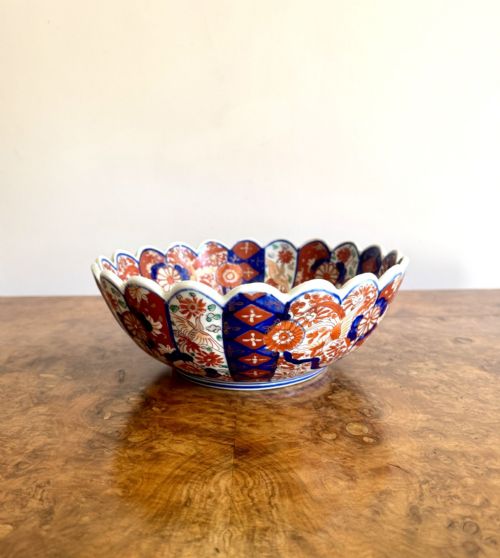
An antique arita ware bowl represents traditional ceramic production from Hizen province, spanning the 17th century through the Meiji period and 1900. These items encompass decorative bowls, large jardinieres, scallop edge dishes, and hexagonal vessels.
The most common examples you will encounter on this page date from the 19th century and around 1900, often showcasing Japanese Imari designs with distinctive palette work. Earlier pieces reach back to the Edo period and the 17th century, including clamshell dishes and tripod bowls.
Collectors seek out these forms for their historical depth and utility as decorative table centerpieces or cabinet displays. Each piece reflects the enduring craft traditions of Arita kilns across multiple generations.
What varies in quality
The refinement of the porcelain body and the precision of the hand-painted cobalt blue brushwork set finer examples apart from standard production wares. Crisp definition in scalloped edges, hexagonal forms, and moulded clam shell shapes indicates superior craftsmanship.
The application of overglaze enamel and gold leaf varies significantly, with masterworks displaying careful registration and layered pigments. Condition and originality of the surface decoration remain vital markers of a distinguished vessel.
Listings span multiple production eras, featuring porcelain and ceramic bowls, dishes, and jardinieres decorated with cobalt blue, enamel, and gold leaf.
The Antique Arita Ware Bowl Glossary
- Arita
- A Japanese town in Hizen province renowned for centuries of porcelain production. Kilns in this area supplied domestic and export markets with high-fired ceramic wares.
- Imari
- A style of Japanese export porcelain decorated in underglaze blue, iron red, and gold. The name derives from the port from which these goods were shipped.
- Edo Period
- A historical era in Japan lasting from 1603 to 1867. Ceramics from this time often display traditional hand-painted motifs and natural forms.
- Cobalt Underglaze
- A blue pigment applied to raw ceramic bodies before glazing and firing. This mineral withstands high kiln temperatures without fading.
- Meiji Period
- The era of Japanese history running from 1868 to 1912. Production during this time combined traditional Arita techniques with renewed export output.
- Aka-e
- Japanese red-painted porcelain decoration. Artisans utilised iron-red enamel over the glaze to create vibrant contrasting patterns.
Antique Arita Ware Bowl: Frequently Asked Questions
Can I use these bowls for serving food?
Most antique porcelain vessels withstand careful everyday use for dry foods or display purposes. However, pieces featuring overglaze enamels and gold leaf are better suited for decorative placement to preserve the painted surface.
Consider the age and condition of the glaze before serving wet or oily dishes. Gentle handling ensures the historical decoration remains intact for future generations.
How do I date an Arita bowl?
Examine the style of the cobalt underglaze, the clay body texture, and the overglaze enamel palette. 17th-century pieces often show heavier potting and simpler blue-and-white designs, while Meiji period items display refined symmetry and dense Imari colouring.
Compare the form and motifs against documented examples from specific kiln eras. Subtle variations in potting technique help narrow down the production century.
Where were these bowls made?
These vessels originated in the kilns around Arita in Hizen province on the Japanese island of Kyushu. Master ceramists utilised local stone materials to produce durable porcelain for both domestic tea ceremonies and international export.
Finished goods travelled to nearby ports like Imari for shipment abroad. This trade distributed Japanese ceramic art across European and Asian markets.