

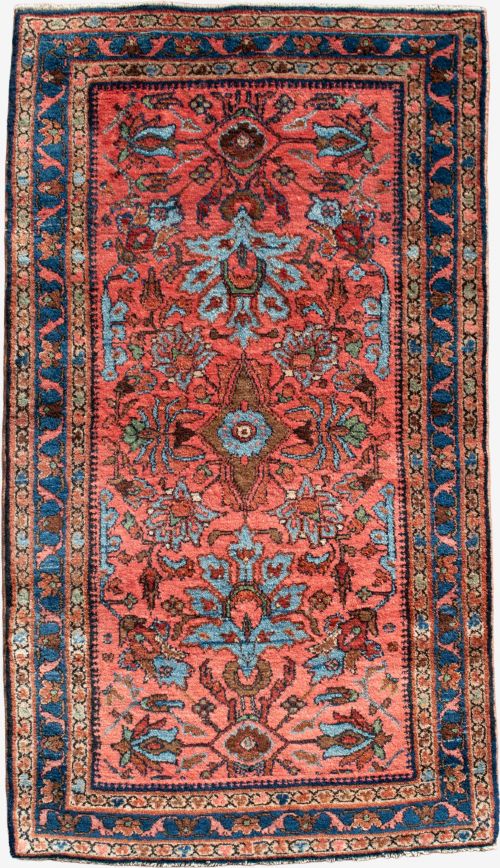
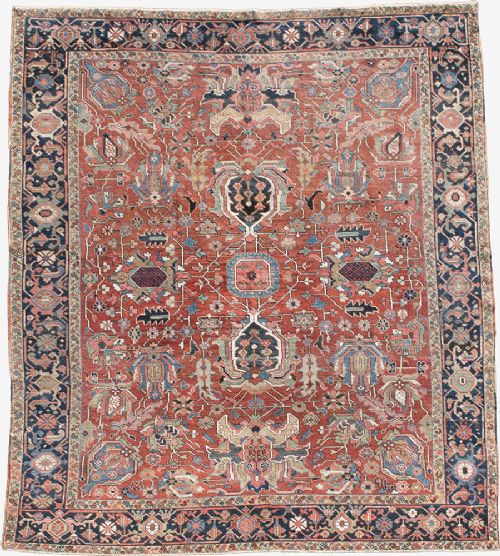
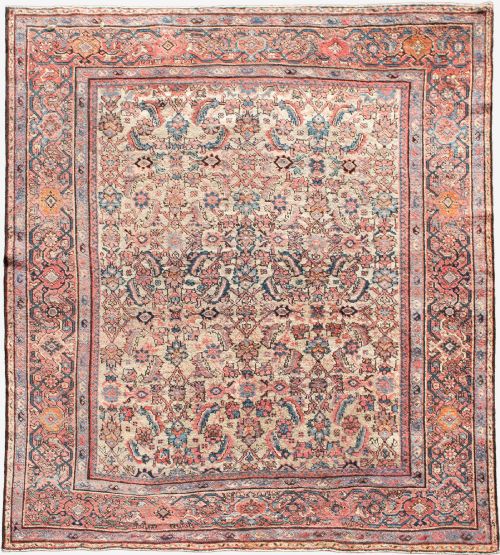
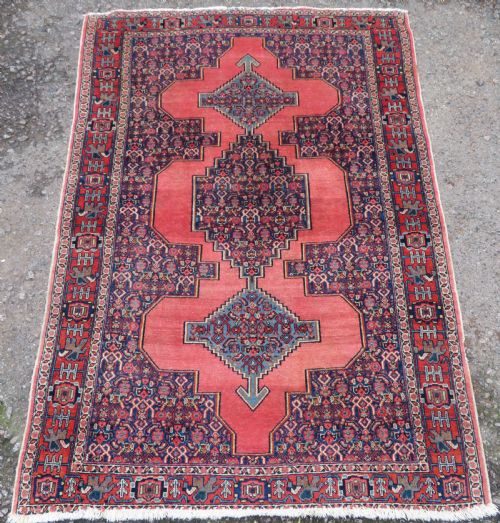
Antique Area Carpet
An antique area carpet anchors a room with enduring pattern, bringing history and texture beneath the feet.
Antique Area Carpet
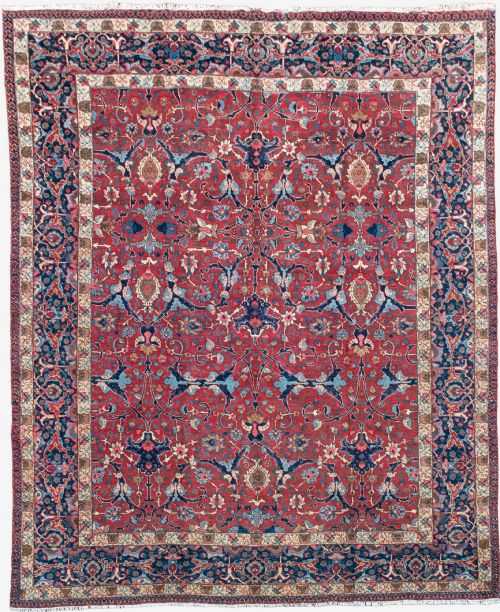
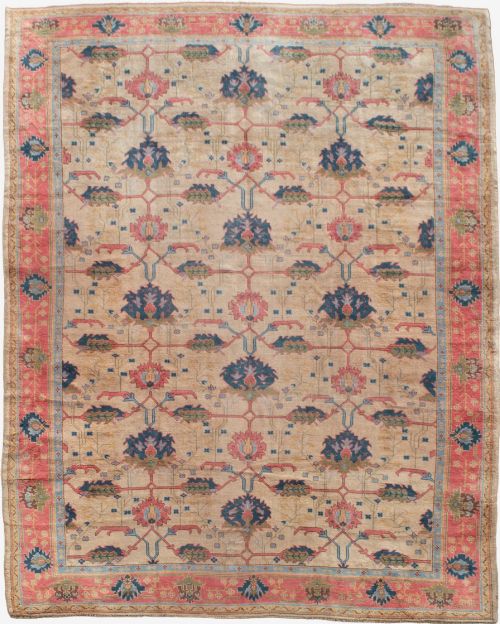
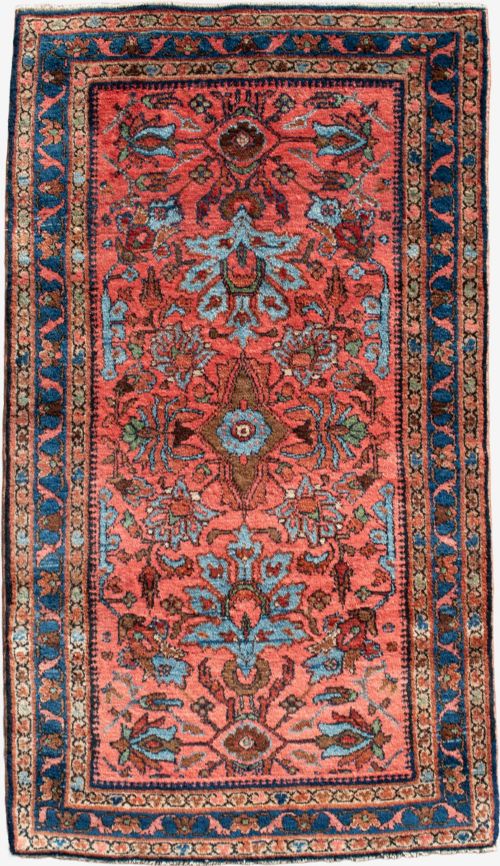
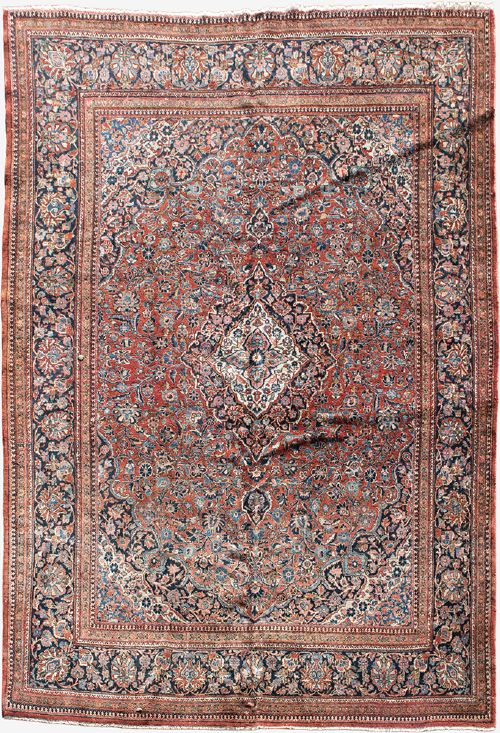
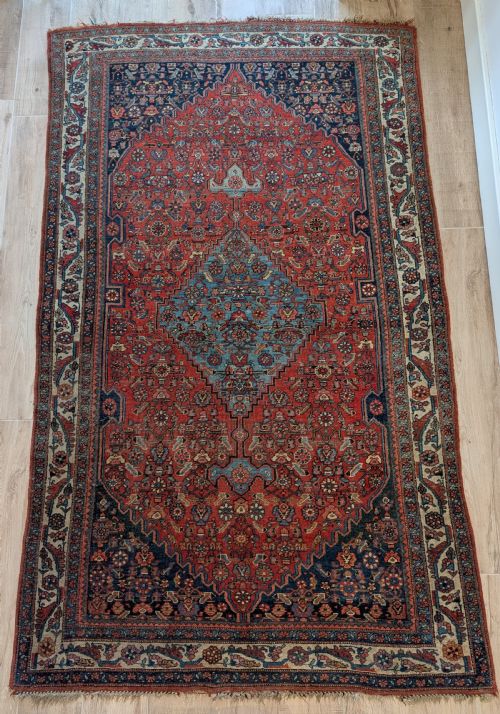
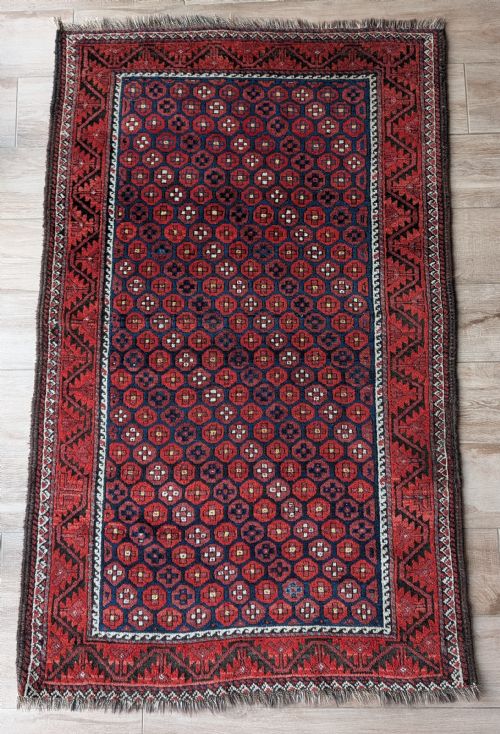
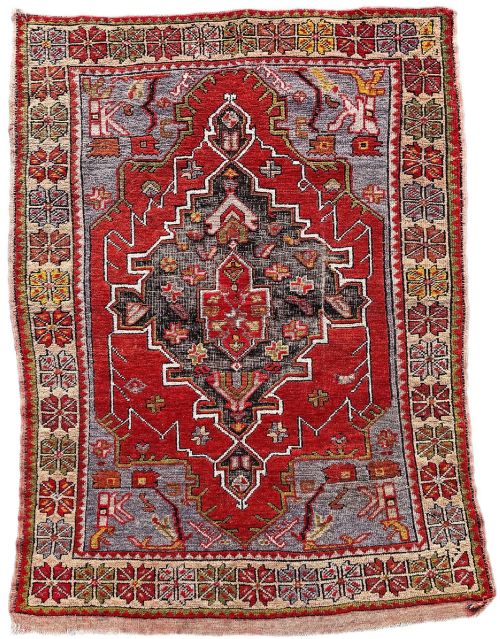
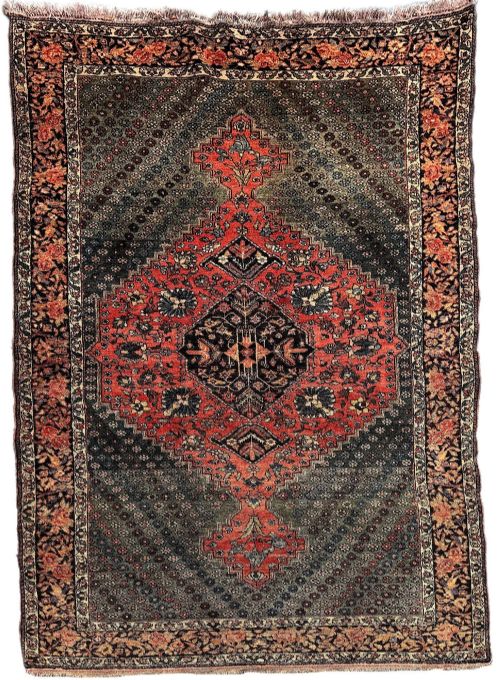
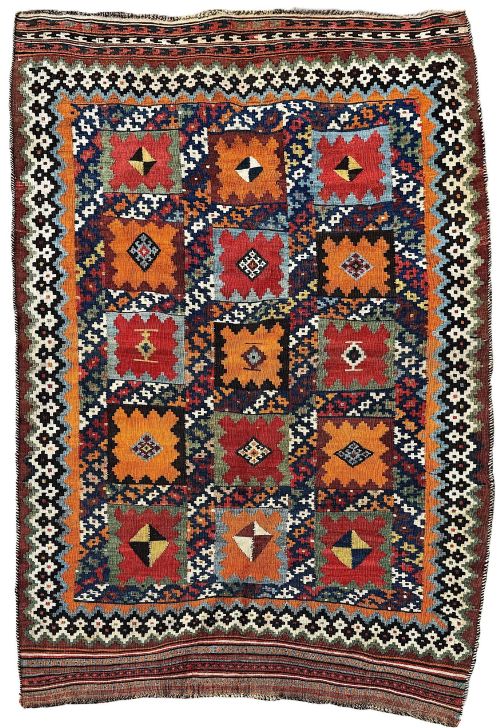
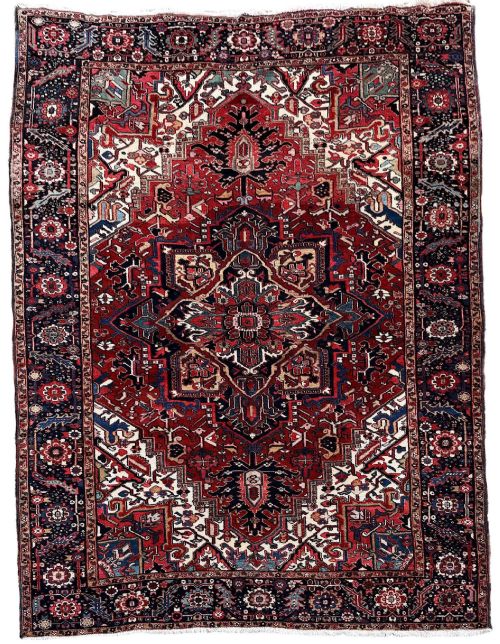
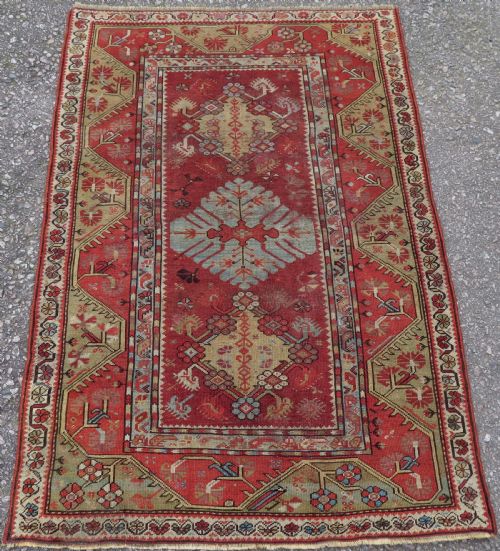
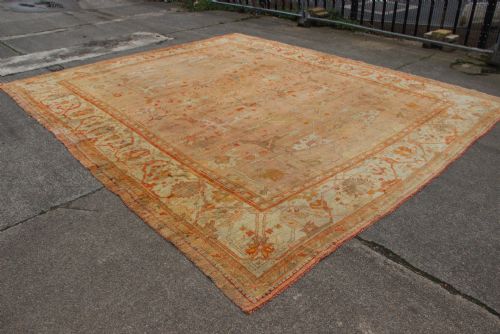
When searching for an antique area carpet, buyers encounter woven floor coverings originating primarily from Persian, Caucasian, and Turkmen traditions. These pieces date across the nineteenth and early twentieth centuries, spanning periods from the 1870s through to the 1930s.
The selections available range from large room-sized carpets down to smaller prayer rugs, runners, and kilims. Persian designs such as Tabriz, Heriz, and Saroukh appear frequently alongside Caucasian Kazak and tribal Turkmen examples.
Originating from specific regions like Oushak, Isfahan, and Khamseh, these textiles reflect distinct village and workshop traditions. Buyers meet both grand country house carpets and more intimate tribal formats.
Materials and Construction
Construction relies heavily on wool, hand-spun wool, and cotton foundations, occasionally enhanced with silk highlights. Natural dyes provide the underlying palette, yielding rich tones across Persian and Caucasian weaves.
Weavers knotted or flat-wove these floor coverings by hand, employing traditional techniques passed through generations in regions spanning Central Asia, Turkey, and Persia.
Antique Area Carpet Retail Price Guide 2026
Typical asking prices for area carpet among the pieces listed under this phrase on Sellingantiques today, from the lower quarter to the upper quarter. They describe what is for sale here now, not the wider market.
Some Baluch prayer rugs feature tiny double mihrabs, offering twice the spiritual direction for the industrious nomad on the move.
Evaluating Quality
Quality rests upon the fineness of the knotting, the stability of the foundation, and the clarity of the design. Dense hand-spun wool construction yields resilience, while expertly handled natural dyes create depth that endures across decades.
Artistic execution separates standard village pieces from master workshop carpets, where balanced proportions and sophisticated palettes elevate the visual impact within a space.
The Antique Area Carpet Glossary
- Mihrab
- A niche design found on prayer rugs, representing the direction of prayer. This architectural motif often forms the focal point of Caucasian and Afghan examples.
- Kilim
- A flat-woven carpet or rug produced without a pile. These pieces offer lighter textures and geometric designs.
- Runner
- A long, narrow carpet format suited for hallways and corridors. They frequently display repeating tribal or traditional motifs.
- Main Carpet
- A large format carpet produced by tribal groups such as the Yomut or Ersari. These pieces served central domestic functions within nomadic dwellings.
- Natural Dyes
- Colourants derived from plants, insects, and minerals rather than synthetic compounds. They produce the harmonious, mellow hues characteristic of older textiles.
Antique Area Carpet: Frequently Asked Questions
How do I clean an antique area carpet?
Professional gentle dusting and specialist washing preserve the delicate fibres and natural dyes of older wool and cotton textiles. Avoid harsh chemical treatments and excessive moisture.
Regular light vacuuming without a rotating brush bar prevents dirt accumulation in the pile. Specialist restoration ensures structural integrity remains intact over years of use.
Can I place these carpets in high traffic areas?
Sturdier wool carpets from traditions like Heriz or Bidjar withstand moderate foot traffic when paired with a quality underlay. Placing them in hallways or sitting rooms distributes wear evenly.
More delicate silk highlights or fragile prayer rugs benefit from placement in quieter spaces or mounting as wall textiles. Assessing the pile density helps determine daily placement suitability.
How do I tell Persian and Caucasian rugs apart?
Persian carpets often display intricate floral curves, medallions, and sophisticated workshop designs from centres like Tabriz or Isfahan. The palettes tend towards refined reds, blues, and subtle neutrals.
Caucasian pieces lean towards bold geometric motifs, sharp polygons, and striking primary colours characteristic of tribal weaving in regions like Kazak and Shirvan.
What is the difference between a rug and a carpet?
Carpets generally denote larger floor coverings designed to anchor an entire room, such as the grand room-sized examples from Oushak or Khorassan. They cover substantial floor space.
Rugs typically refer to smaller formats, including prayer rugs, runners, and compact village pieces intended for specific accent areas or intimate spaces.