



Antique Archtop Mirror
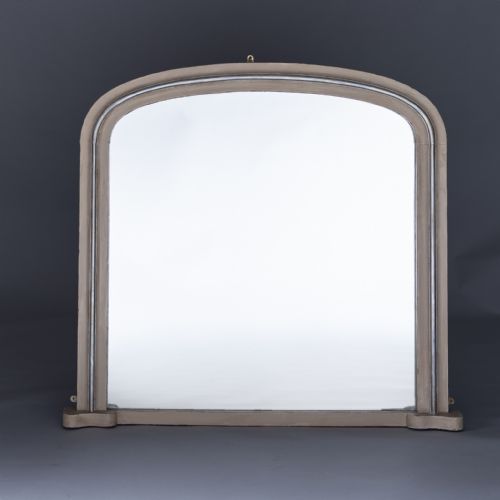
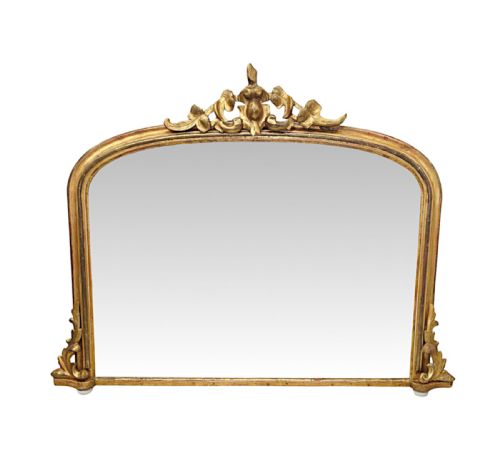
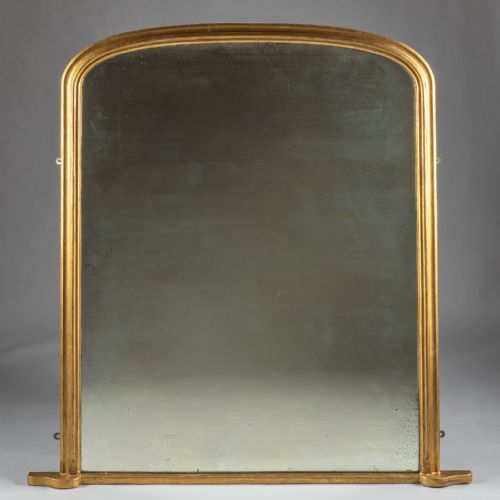
An antique archtop mirror brings height and reflected light to a room, dominated here by grand Victorian overmantel designs.
Antique Archtop Mirror
An antique archtop mirror is principally a large overmantel glass designed to sit above a fireplace, though simpler wall-hanging forms appear. These substantial pieces originate primarily in the nineteenth century, spanning decades from 1870 to 1910.
The dominant aesthetic on this page is Victorian and English Traditional, alongside French Chateau influences. Buyers searching for an antique archtop mirror will encounter grand proportions intended to anchor a principal room.
Most examples listed combine impressive scale with curved top profiles. They serve the traditional function of bouncing daylight around deep Victorian interiors while offering a strong architectural focal point.
How they were made
The framework relies on timber construction built to support considerable weight, enriched with applied gesso and composition ornaments. Artisans shaped these mouldings to create the characteristic curved archtop profile.
Finishes range from rich giltwood and silver leaf to painted and parcel-silvered surfaces. Gilding techniques applied gold leaf over red bole or gesso grounds, while other pieces received layered paint schemes typical of the period.
Antique Archtop Mirror Retail Price Guide 2026
Typical asking prices for archtop mirror among the pieces listed under this phrase on Sellingantiques today, from the lower quarter to the upper quarter. They describe what is for sale here now, not the wider market.
Several mirrors sport a jaunty central cartouche at the very peak, because plain arches were apparently too understated for the Victorians.
What varies in quality
Quality rests in the crispness of the moulded ornamentation and the depth of the gilding. Better pieces display sharp relief work on composition details like central cartouches, whereas lesser examples show softened contours from worn moulds.
The condition and clarity of the mirror glass alongside the structural integrity of the heavy wood frame dictate the piece's standing. Original silvering shows characteristic ageing that distinguishes period plates from later replacements.
The Antique Archtop Mirror Glossary
- Overmantel mirror
- A large looking glass specifically proportioned to hang on the wall directly above a mantelpiece. These frames often feature landscape orientations or tall archtop designs.
- Giltwood
- Timber carved and covered with a thin layer of gold leaf. This traditional finish requires a prepared gesso base.
- Composition
- A moulded mixture of whiting, linseed oil, resin and glue pressed into decorative ornaments. It allowed makers to create ornate raised details on frames more quickly than hand carving.
- Cartouche
- An ornamental framed panel resembling a scroll or shield, often placed centrally at the apex of an archtop mirror. It provides a focal point for the carver's or modeller's art.
- Parcel-silvered
- A finish where specific decorative elements of a painted frame are highlighted with silver leaf. This technique creates a subtle contrast against the base paint colour.
Antique Archtop Mirror: Frequently Asked Questions
Where should an archtop mirror be hung?
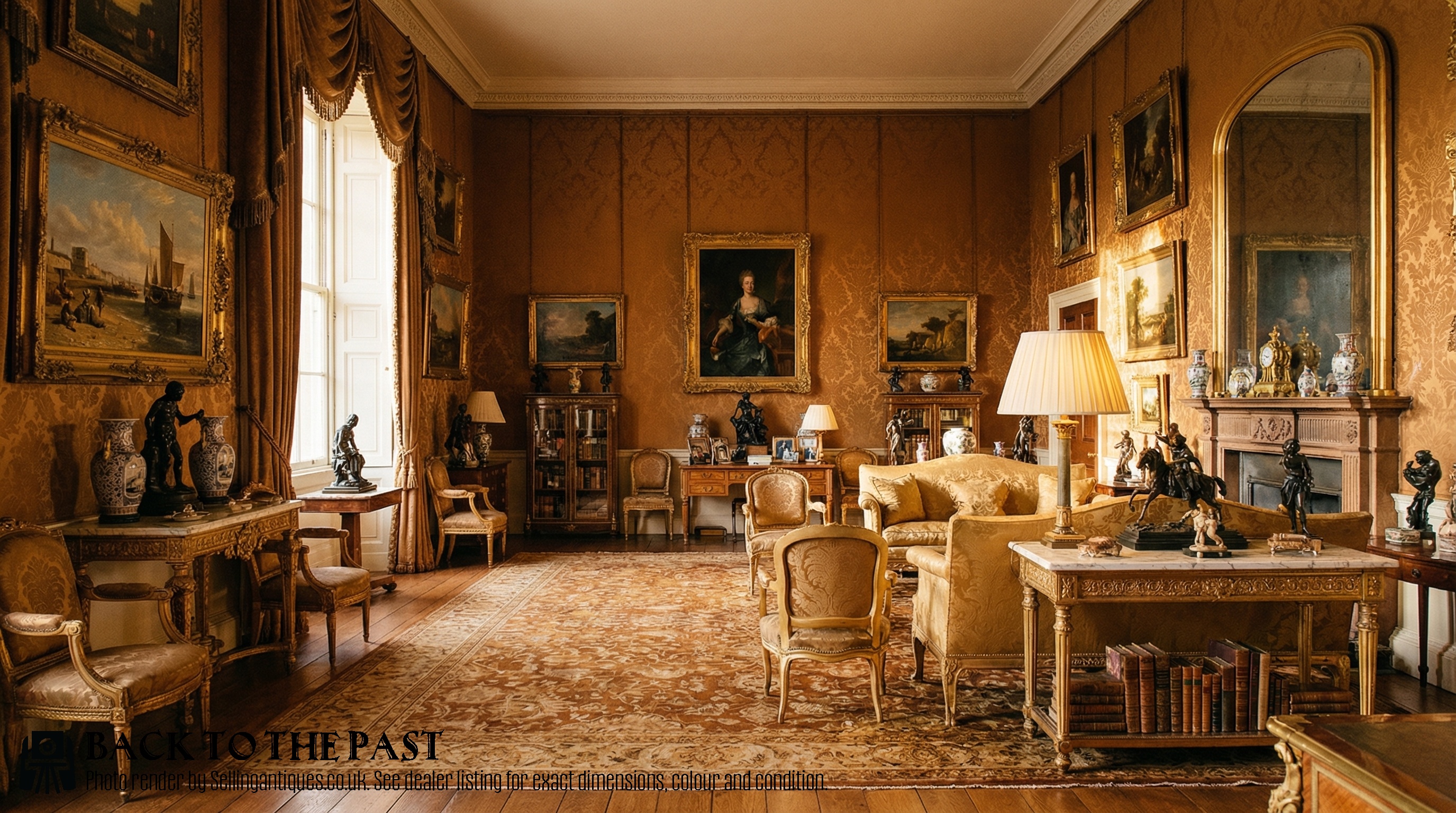
These mirrors were traditionally manufactured to sit on the chimney breast directly above a fireplace mantel. Their grand proportions also suit heavy console tables or large hallway walls where they command the space.
Ensure the wall construction and fixings can bear the substantial weight of a timber and gesso frame. Professional mirror brackets or heavy-duty french cleats are essential for secure installation.
How do I date a nineteenth century mirror?
Dating relies on examining the construction methods of the wooden frame, the composition mouldings and the characteristics of the mirror glass itself. Nineteenth century frames often exhibit hand-applied gesso and specific fastening techniques at the corners.
Subtle oxidation, foxing or slight distortions in the glass can also point towards original Victorian manufacture. Comparing the stylistic motifs, such as Victorian or French Chateau details, helps narrow the decade of origin.
Are these mirrors suitable for modern interiors?
An antique archtop mirror works exceptionally well in contemporary rooms by adding historical contrast and architectural interest. The arched top softens rigid modern lines while the reflective surface expands the perceived space.
Lean the mirror safely against a wall for a relaxed aesthetic, or mount it securely above a modern sideboard. The gilt and painted finishes complement both neutral and bold colour schemes.
How do I care for giltwood frames?
Giltwood surfaces require gentle dusting with a soft, dry brush to prevent the accumulation of dirt within the intricate composition details. Avoid using commercial cleaning sprays, water or abrasive cloths which can strip the delicate gold leaf.
Keep the mirror away from direct sunlight and excessive moisture fluctuations to protect the underlying gesso and wood. Careful handling preserves the original finish for future generations.