
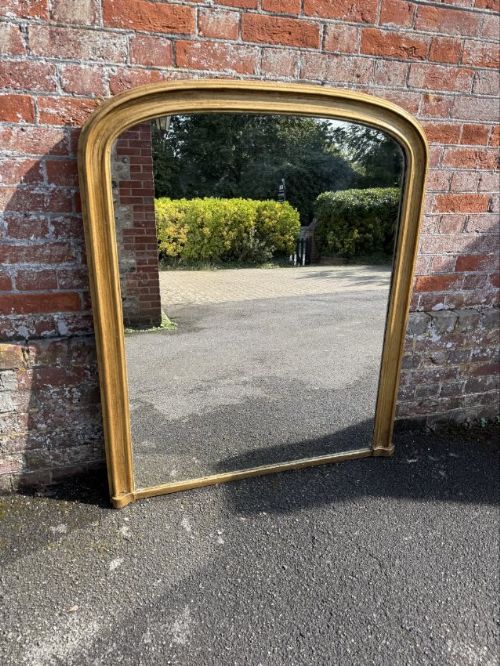
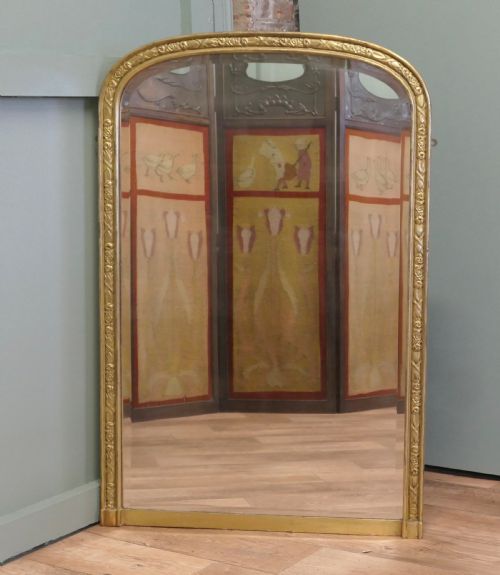

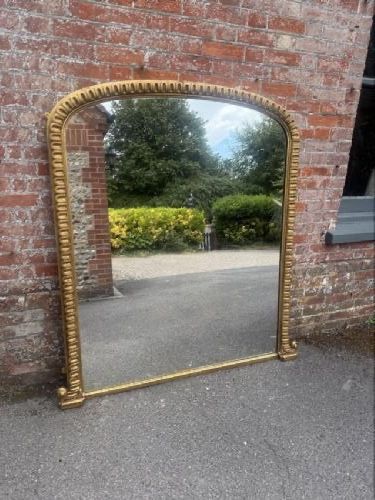
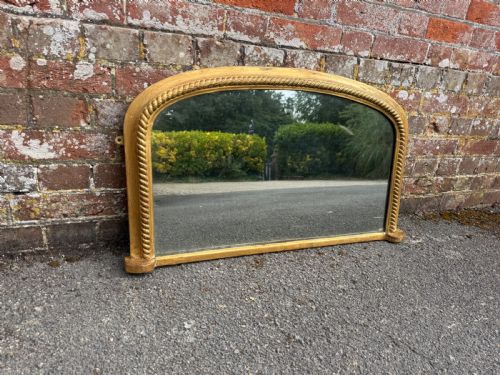
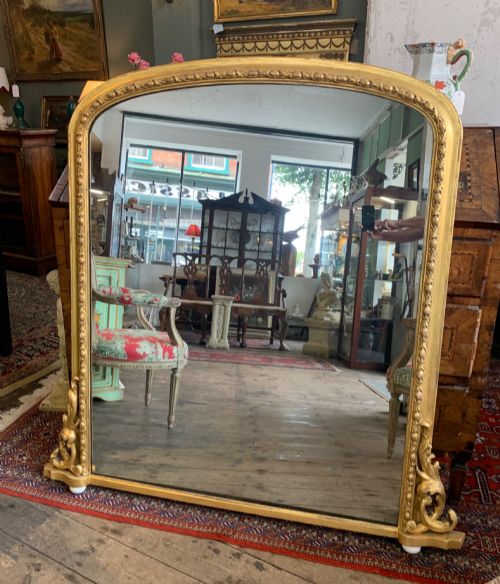
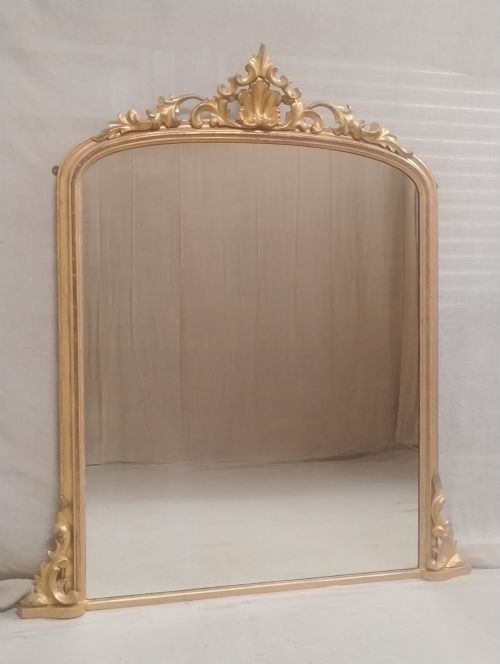
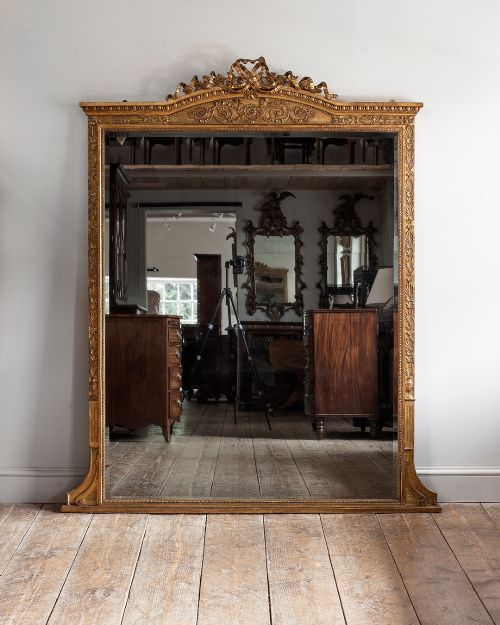

Arched Gilt Frame Mirror
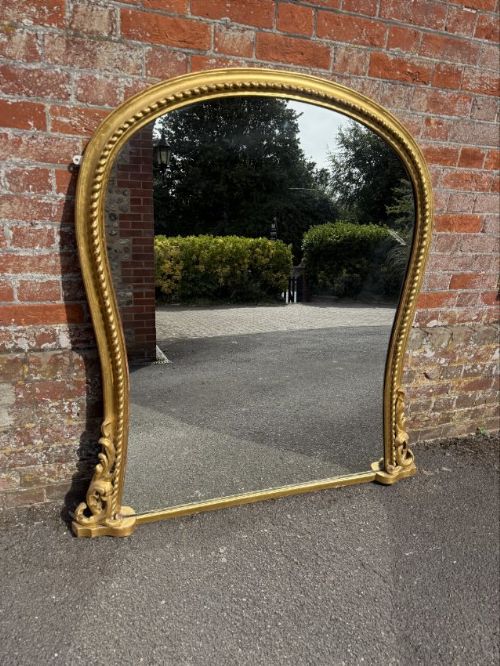
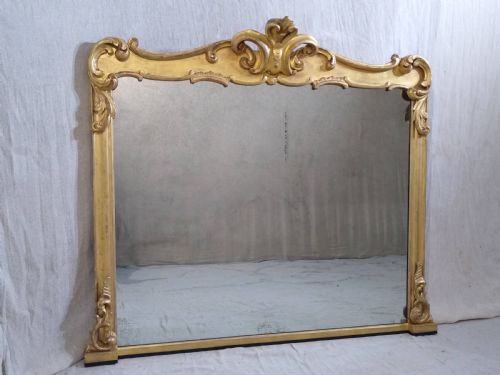
An arched gilt frame mirror brings depth and a warm metallic reflection to a room, drawing on nineteenth-century French and English designs.
Arched Gilt Frame Mirror
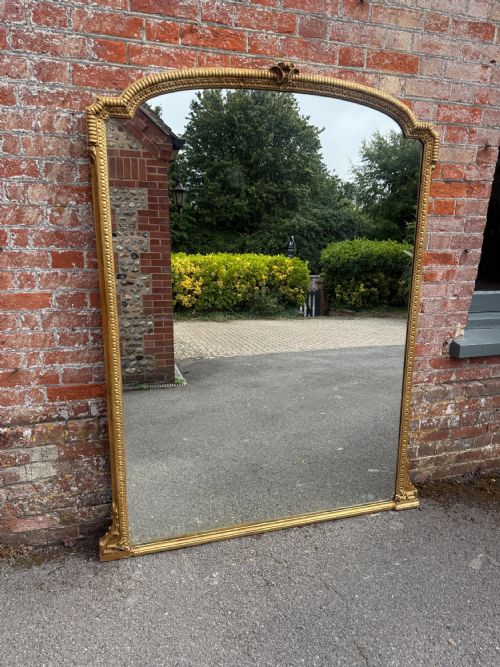
An arched gilt frame mirror is primarily found in nineteenth-century overmantel and wall-hanging formats originating from English and French workshops. These pieces span periods from the early Victorian era through to the late eighteen-eighties, often designed to sit above a fireplace or serve as a substantial pier glass.
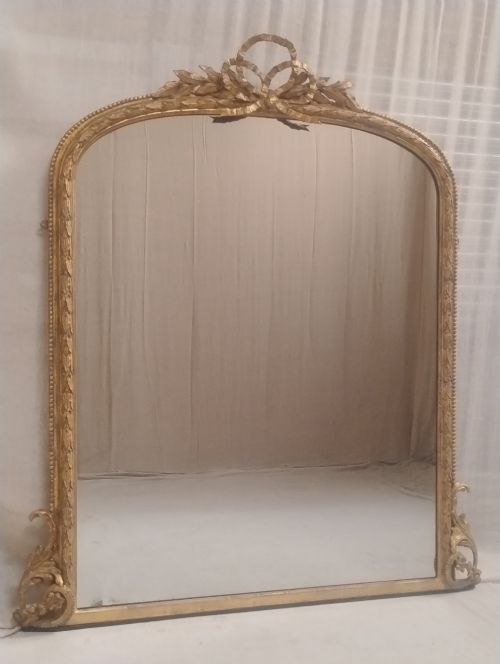
The dominant forms on this page include large English overmantels with shaped or arched tops alongside French Louis Philippe mirrors. Makers frequently utilised architectural proportions, creating tall vertical formats suited for positioning on mantelpieces or leaning against principal walls.
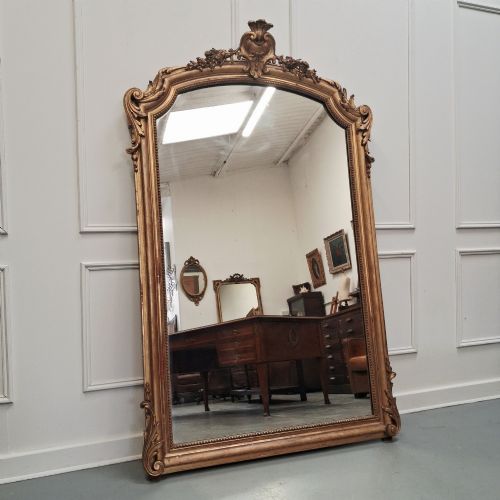
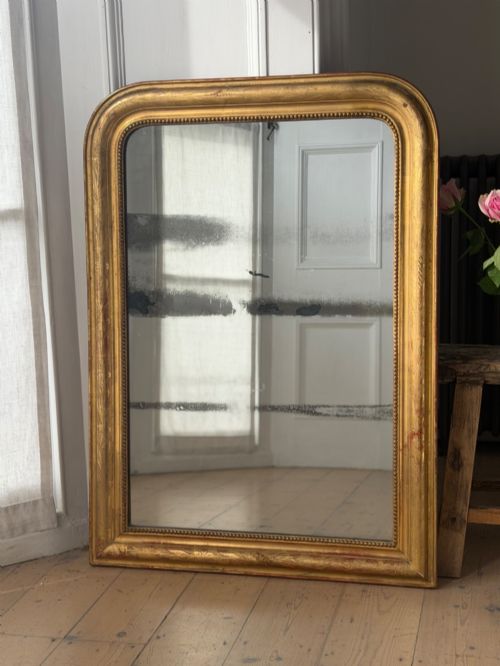
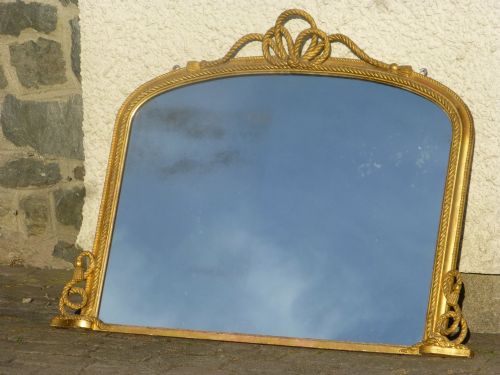
Buyers encounter variations in styling ranging from restrained beaded or ribbed mouldings to ornate Rococo Revival flourishes and nautical rope-twist carvings. English pieces heavily feature carved wood and gesso substrates, whereas French variants often display distinct etched or foxed mercury glass.
What varies in quality
The standard of an arched gilt frame mirror depends heavily on the crispness and depth of the carved wood and gesso ornamentation. Superior examples display sharply defined motifs, such as intricate rope-twist or laurel leaf patterns, rather than soft or obscured details.
The integrity of the original gilding and the preservation of the mirror plate itself define the upper tier of pieces. Authentic period mercury glass showing natural foxing sits alongside deeply patinated gold leaf surfaces to command greater appreciation among collectors.
The Arched Gilt Frame Mirror Glossary
- Gesso
- A plaster-like mixture applied to wood frames to create a smooth surface for carving and gilding. This compound allowed nineteenth-century artisans to mould elaborate relief decorations.
- Giltwood
- Timber that has been coated with thin sheets of gold leaf or metallic powder. It provides the characteristic warm sheen found on period frames.
- Overmantel
- A large mirror specifically designed to hang or stand upon the mantelpiece above a fireplace. These domestic fixtures often dictated the decorative scale of nineteenth-century reception rooms.
- Foxing
- Age-related spots and discoloration appearing within the mirror glass due to the deterioration of the backing. Collectors value this natural weathering as an indicator of genuine antiquity.
- Louis Philippe
- A nineteenth-century French style characterised by clean arched tops and restrained neoclassical frames. These mirrors balance decorative elegance with simple structural geometry.
Arched Gilt Frame Mirror: Frequently Asked Questions
Where should I hang an arched mirror?
These pieces traditionally anchor a room when positioned centrally above a fireplace mantelpiece. Their vertical arched format naturally draws the eye upward and reflects light across the space.
Alternatively, large examples function effectively as leaner mirrors placed directly against a drawing room or hallway wall. This placement maximises floor-to-ceiling reflection and enhances the perceived dimensions of the interior.
How do I identify a Victorian overmantel?
Victorian overmantels typically combine heavy wood and gesso construction with robust proportions intended for nineteenth-century domestic hearths. Look for characteristic decorative motifs including rope-twist carvings, reeded mouldings, and architectural arched tops.
Many of these English pieces display substantial weight due to the dense timber frames and thick plaster ornament layers. Their scale generally reflects the generous ceiling heights of the period in which they were manufactured.
What is Louis Philippe style?
Louis Philippe mirrors originate from nineteenth-century France and are distinguished by a subtle, understated arched profile. Unlike heavily ornate Rococo designs, these pieces rely on clean lines and gentle curves.
They frequently feature simple beaded or ribbed framing alongside original mercury glass plates. This restrained aesthetic allows them to integrate easily into both traditional and contemporary interiors.
Are these mirrors original antiques?
The listings on this page comprise genuine nineteenth-century pieces originating from approximately eighteen-fifty to eighteen-ninety. They retain period materials such as hand-carved wood, gesso, and historic mirror plates.
Patination on the gilding and natural degradation within the glass provide physical evidence of their age. Collectors look for these authentic signs of historical use when assessing individual items.