

Antique Animal Wall Art
Antique animal wall art captures the character and presence of dogs, horses, cats, and livestock through centuries of fine painting and printmaking.
Antique Animal Wall Art
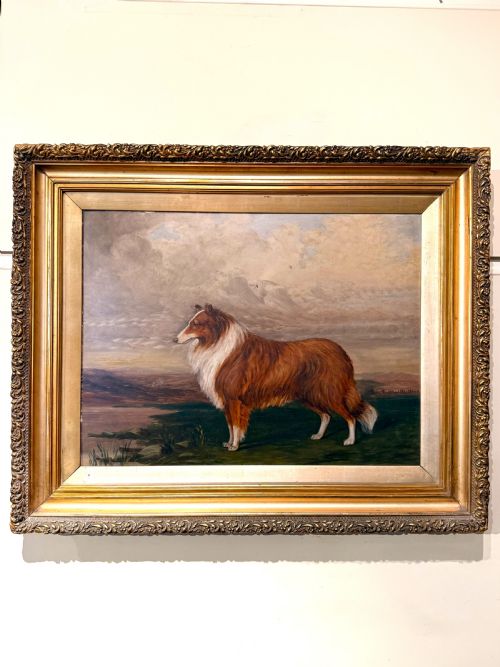
Antique animal wall art encompasses oil paintings, detailed etchings, framed prints, and wool work depicting domestic pets, livestock, and wild beasts. These pieces stem predominantly from the eighteenth, nineteenth, and early twentieth centuries, reflecting changing domestic attitudes toward animals.
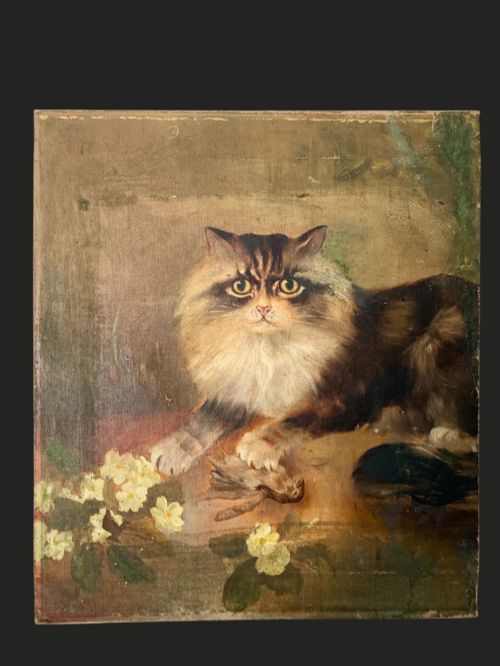
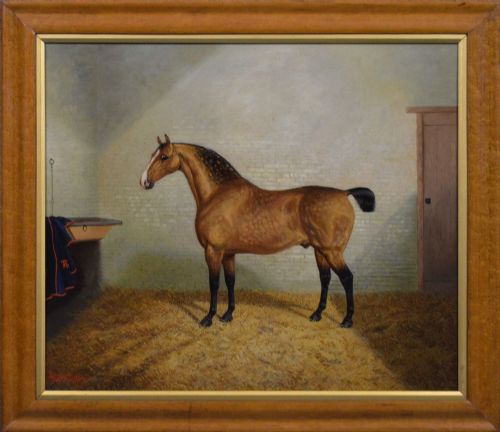
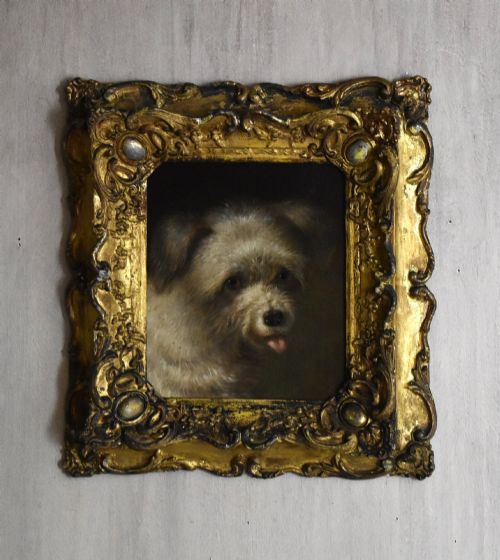
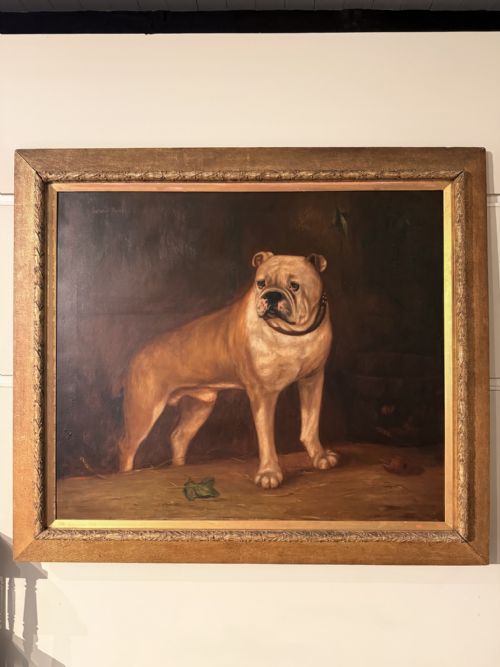
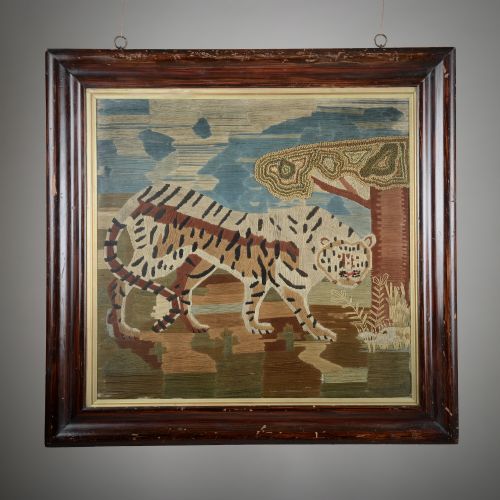
The selections available here range from naive folk art portraits of single cats and lions to large scale sporting oils of horses and hounds. Buyers frequently encounter nineteenth century oil paintings on canvas or board alongside signed artist proof etchings.
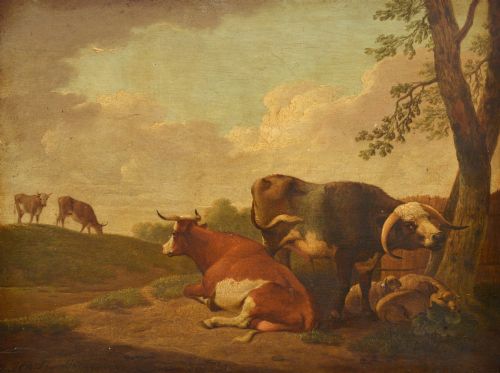
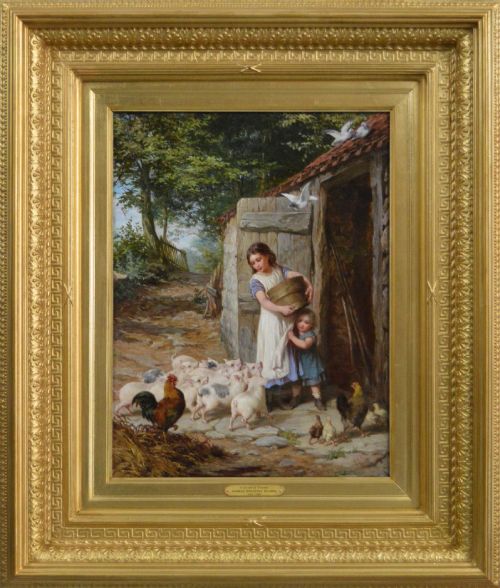
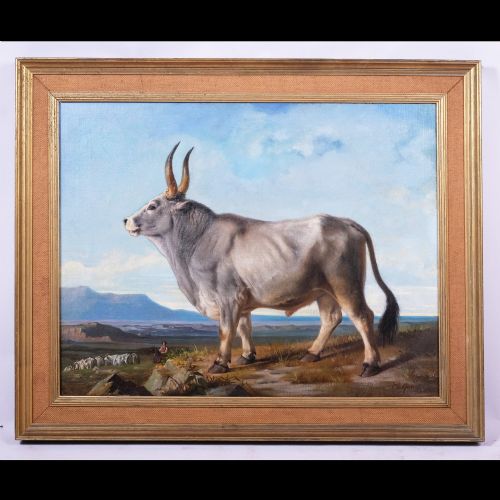
Subject matter shifts from agrarian livestock and working farm animals in pastoral landscapes to intimate depictions of domestic pets at play. Stylistic approaches span from academic realism to naive folk art interpretations.
How they were made
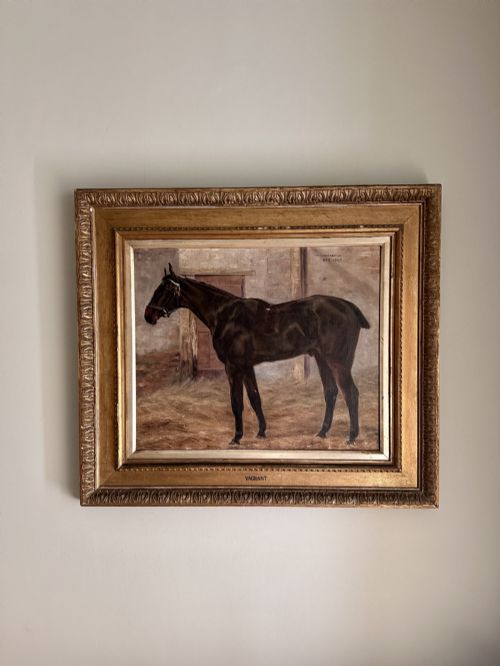
Artists utilised oil paint on canvas, wood panels, or board to build rich textures in animal coats and natural landscapes. Many works employ traditional glazing techniques to achieve depth in fur, feathers, and background scenery.
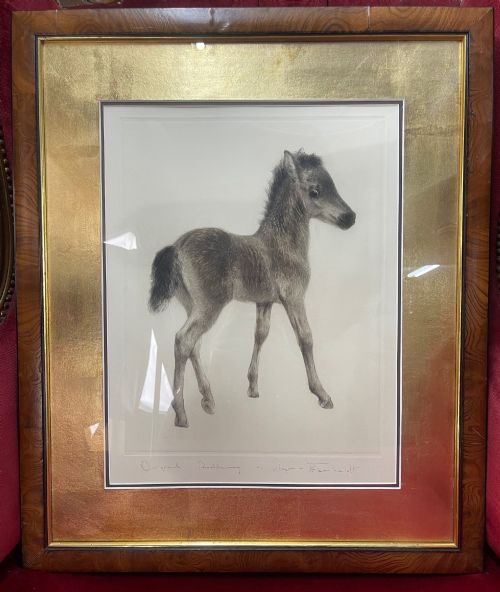
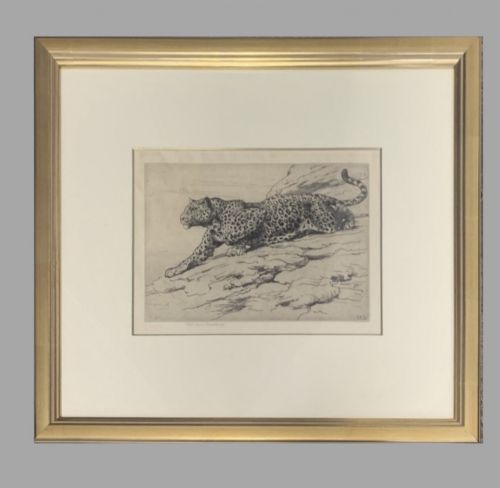
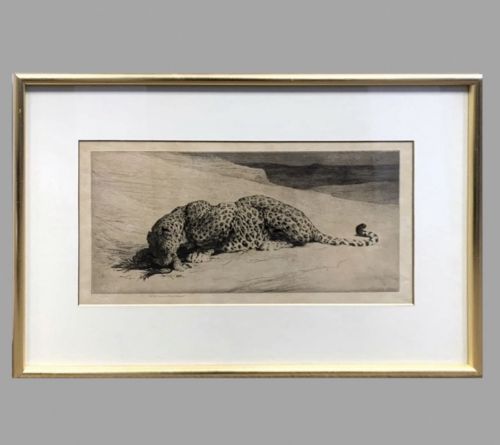
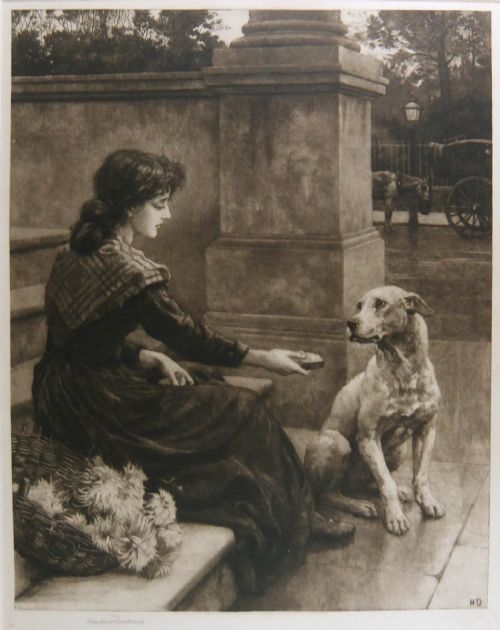
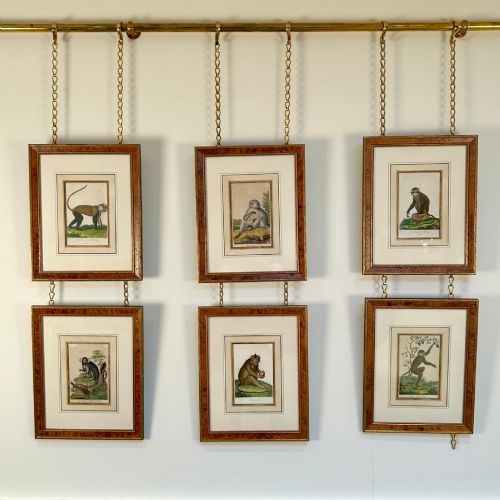
Printmakers worked with copper plates for drypoints and detailed etchings on paper, often producing signed limited editions. Chromolithographs and hand coloured engravings offered contemporary buyers accessible multiplate colour reproductions of popular animal subjects.
Nineteenth century household cats immortalised themselves permanently by stepping across wet studio oil paintings.
What varies in quality
Materials and framing contribute significantly to the overall presence of the piece, with original giltwood frames and well preserved canvas supports preserving the integrity of the artwork.
Hendrik Willem Schweickhardt·Kurt Meyer Eberhardt·Albert Clark·Martin Theodore Ward·George Augustus Holmes·John Sargent Noble·Herbert Dicksee·Fred Fitzpatrick·Edgar Hunt·Alfred Arthur Brunel de Neuville·Horatio Henry Couldrey·Henry Schouten·Frans Snyders·LM Webb·Louis Wain·William Henry Mander·Thomas Sidney Cooper·Franz van Severdonck
The Antique Animal Wall Art Glossary
- Drypoint
- A printmaking process where an image is scratched directly onto a metal plate with a sharp needle. This technique creates a distinctive velvety burr along the lines when inked and printed.
- Chromolithography
- A planographic colour printing technique using multiple limestone blocks or zinc plates. Each stone applies a different transparent or opaque ink colour to build up a vibrant reproduction.
- Naive art
- Artwork created by self-taught individuals working outside academic traditions. These pieces prioritise expressive forms and direct observation over strict perspective and anatomical proportion.
- Sporting art
- Depictions of hunting, racing, and prized agricultural livestock commissioned by landowners and breeders. The genre demands accurate rendering of animal conformation and specialised sporting equipment.
- Etching
- A method where acid bites lines into a metal plate covered with an acid resistant ground. The resulting recessed lines hold the ink for printing on paper.
Antique Animal Wall Art: Frequently Asked Questions
What periods do these pieces date from?
The listings span from the eighteenth century through the Victorian era up to the early twentieth century. Most works cluster tightly in the nineteenth century and the Edwardian period.
Styles shift gradually from Georgian sporting canvases through Victorian realism and folk art to early twentieth century printmaking.
How were these artworks displayed historically?
Landowners, breeders, and middle class homeowners hung these pieces in country houses, libraries, and parlours to celebrate prized livestock and beloved pets. Larger canvases commanded prominent positions above fireplaces or in dining rooms.
Smaller etchings and framed prints adorned narrower hallways, studies, and intimate family sitting rooms alongside landscape views.
How do I identify naive folk art pieces?
Naive folk art pieces typically display a charming disregard for strict academic perspective and precise anatomical proportions. Artists working in this tradition relied on direct observation and bold outlines.
These works often feature flat background planes and intense, unblended colours that emphasise the raw character of the animal over realistic lighting.
Are these works original or reproductions?
The collection includes unique hand painted oil paintings on canvas, panel, and board alongside original signed artist proof etchings. Each medium carries distinct physical evidence of its creation.
Chromolithographs and nineteenth century engravings represent period printmaking techniques rather than modern mechanical copies.