
Antique Animal Oil Painting
An antique animal oil painting brings centuries of pastoral and sporting life directly onto your wall, offering rich character that modern prints simply cannot match.
What these pieces are
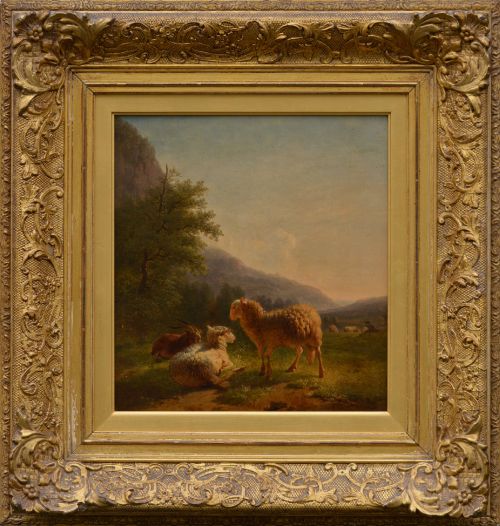
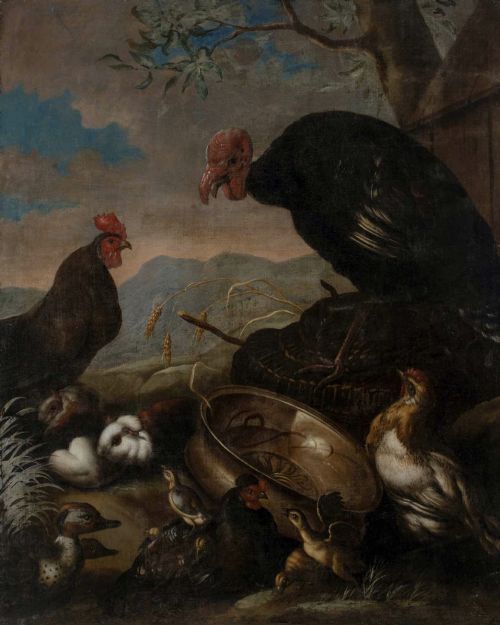
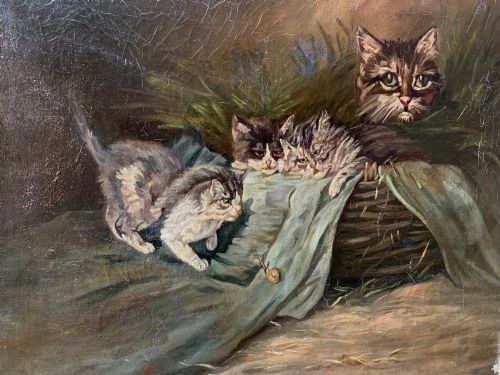
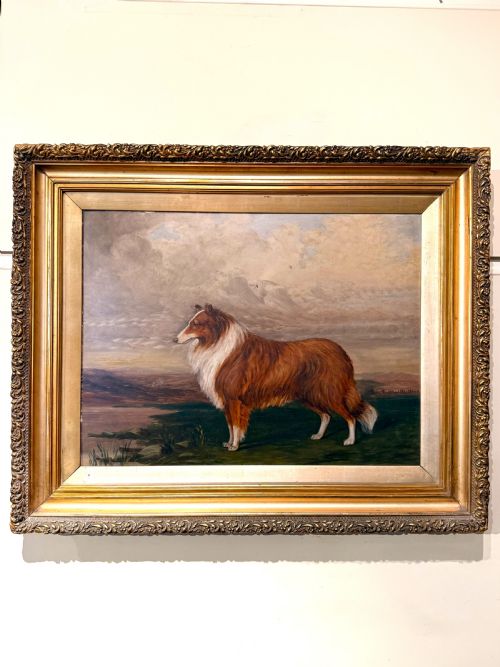
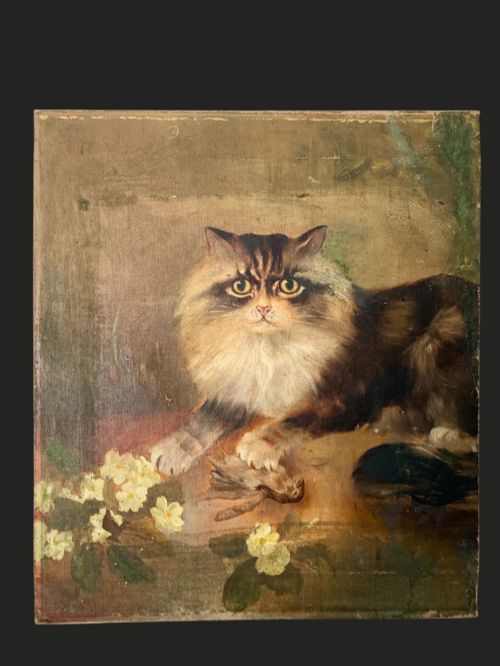
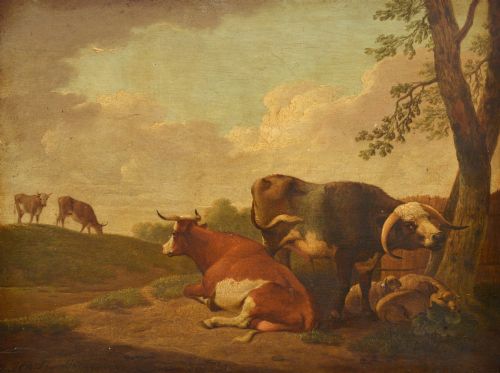
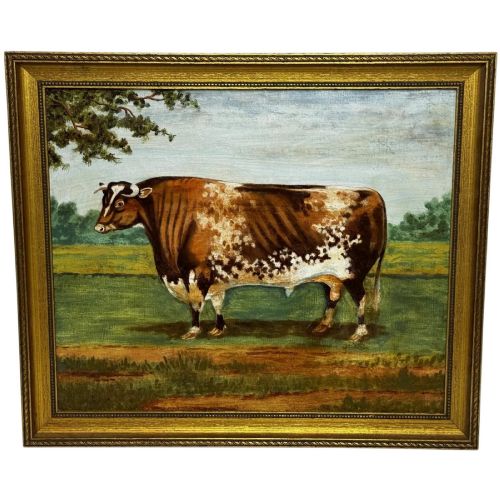
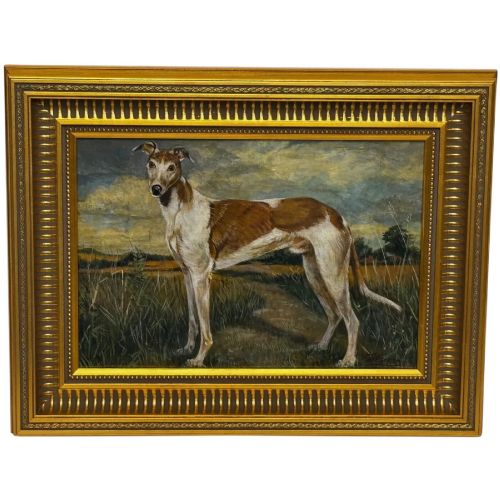
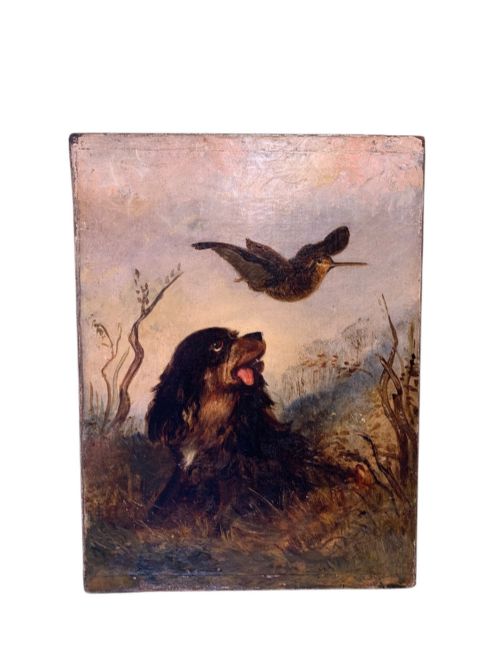
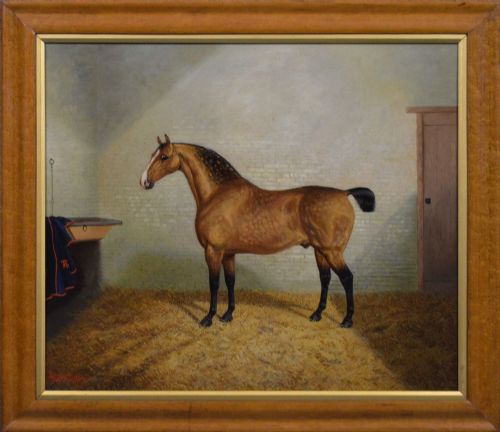
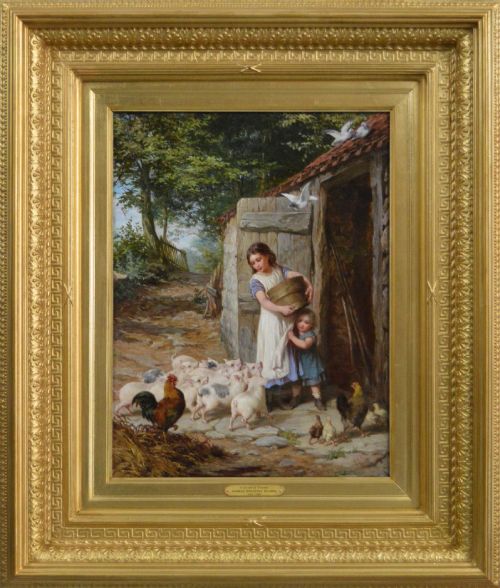
When you search for an antique animal oil painting, you encounter works dating from the Georgian era through to the Victorian period and nineteen hundred. The selections on this page encompass Victorian pastoral scenes, nineteenth century sporting art, and nineteenth century French genre subjects.
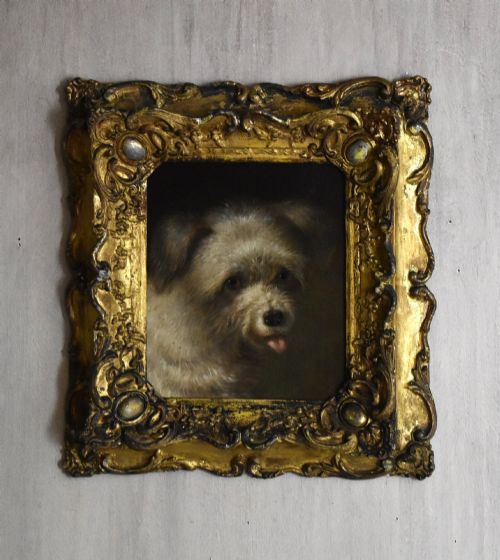
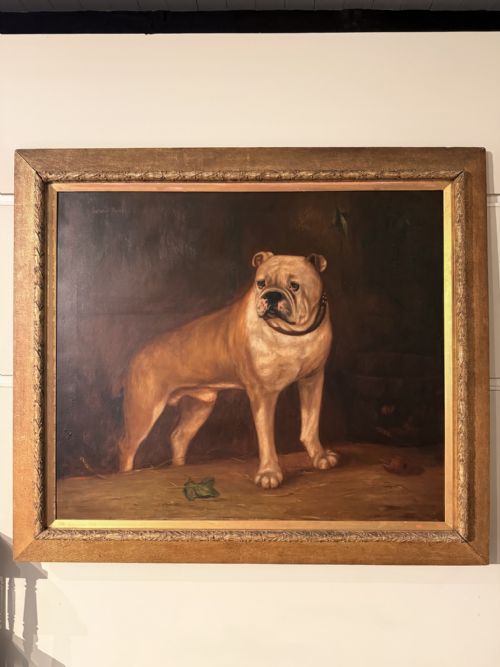
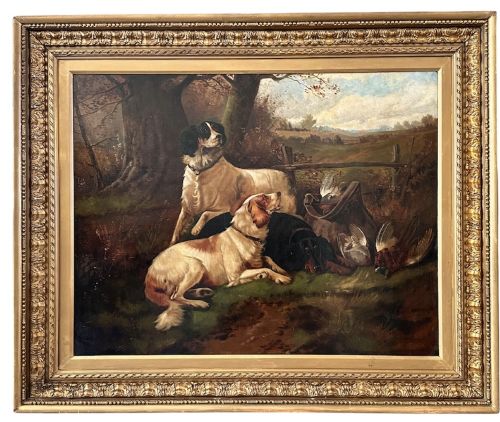
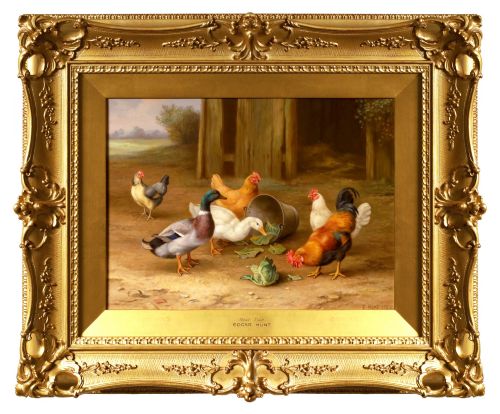
The subjects span domestic terriers, farmyard calves and ducks, hunting scenes with hounds and foxes, and ponies watering by a river. These compositions capture the working and domestic animals of past centuries with distinct artistic focus.
How they were made
These works are executed using oil paint applied to prepared canvas or wood panel supports. The medium allows for deep layering, subtle tonal shifts, and rich textures that render animal coats and natural landscapes with lifelike depth.
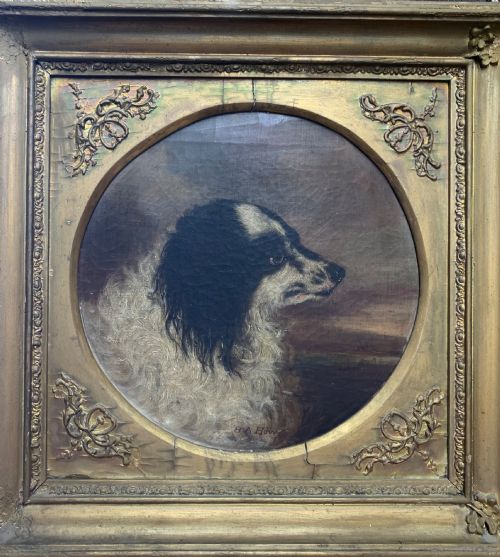
Many of these paintings retain their period surrounds, constructed from giltwood, plaster, wood, and ebonised frames. The framing methods of the period often combine carved wood and moulded plaster finished with gilt or dark pigments to complement the canvas.
Retail Price Guide 2026
Typical UK retail prices for animal oil painting, calculated from the Sellingantiques database of over a million retail prices indexed since 2003. This retail price guide relies exclusively on Sellingantiques data; no external sources or auction records are used, so the figures do not describe the wider market.
Listings feature works executed in oil paint upon both canvas and wood panel supports.
What varies in quality
The distinction between standard works and the finest pieces lies in the anatomical accuracy of the animals and the handling of light within the landscape. Master artists render fur, muscle structure, and expression with convincing realism, whereas lesser works can appear stiff or disproportionate.
The integrity of the original support and the condition of the pigment layer also dictate the standing of a piece. Works that retain their untouched canvas texture and early framing elements command greater appreciation among collectors.
Claude Cardon·Jules Le Roy·H Jackson
The Antique Animal Oil Painting Glossary
- Oil on canvas
- Pigment suspended in drying oil applied to a woven fabric stretched across a wooden frame. This remains the most common support found across nineteenth century animal paintings.
- Wood panel
- A rigid wooden board utilised as a painting support instead of canvas. Panel paintings frequently survive from the Georgian era and offer a stable surface for detailed brushwork.
- Giltwood
- Timber carved and coated with a thin layer of gold leaf or metallic powder. This finish is typical of better quality nineteenth century picture frames.
- Ebonised frame
- Wood treated to imitate ebony, producing a dark, uniform finish. This framing style provides a strong visual contrast to pastoral oil paintings.
Frequently Asked Questions
What periods do these paintings cover?
The available selection spans the Georgian era, the nineteenth century broadly, and works dated around nineteen hundred. These periods encompass distinct shifts in framing styles and artistic approaches to animal subjects.
Buyers will find that earlier Georgian examples often utilise wood panels, while later Victorian works predominantly feature canvas supports paired with giltwood or ebonised frames.
Are original frames important?
Period frames contribute significantly to the historical integrity and visual balance of an antique oil painting. Matching nineteenth century frames with giltwood or plaster ornamentation complement the artwork as intended by the maker.
While some paintings have been reframed over the centuries, retaining an original ebonised or gilded surround preserves the complete artefact.
Where were these paintings displayed?
Sporting art and pastoral scenes were traditionally hung in country houses, libraries, and drawing rooms to reflect the owner's interest in agriculture, hunting, or domestic animals. They served as both decorative centerpieces and statements of rural pursuits.
Today, these works suit both traditional period interiors and contemporary spaces seeking a focal point with genuine history.