



Antique Anatolian Flatweave
These antique anatolian flatweave pieces are woven textiles carrying generations of regional tradition, prized by interior decorators for their distinctive geometric patterns.
Antique Anatolian Flatweave
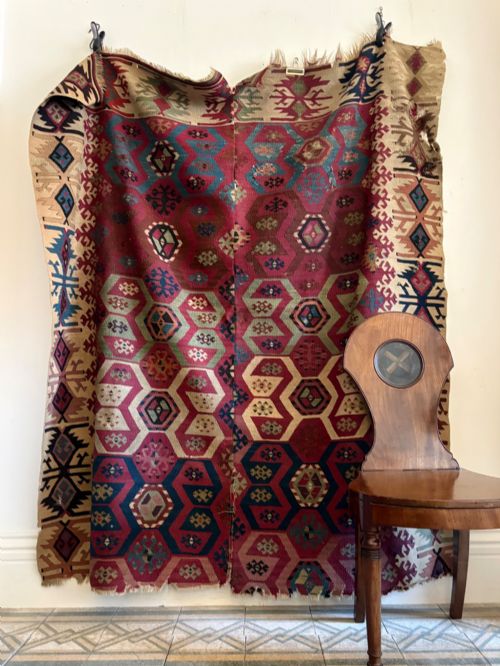
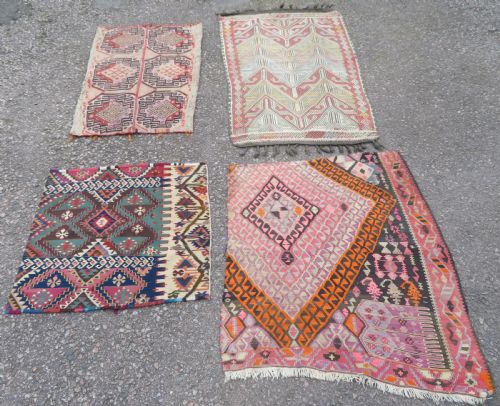
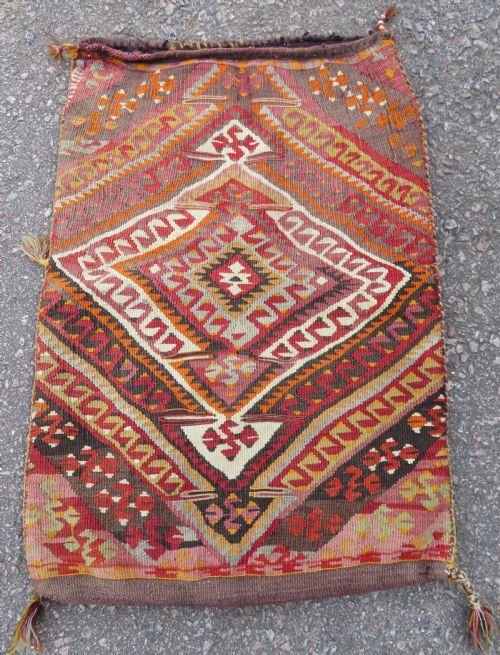
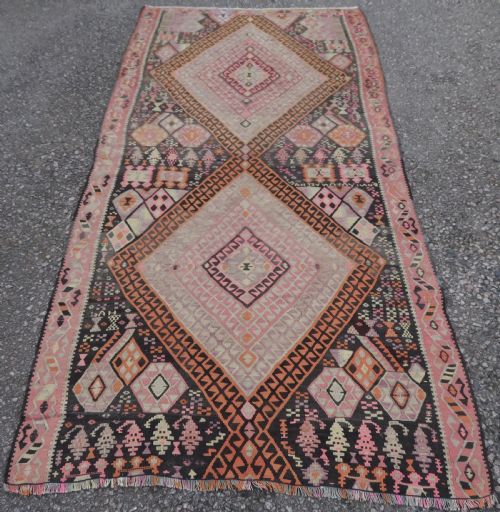
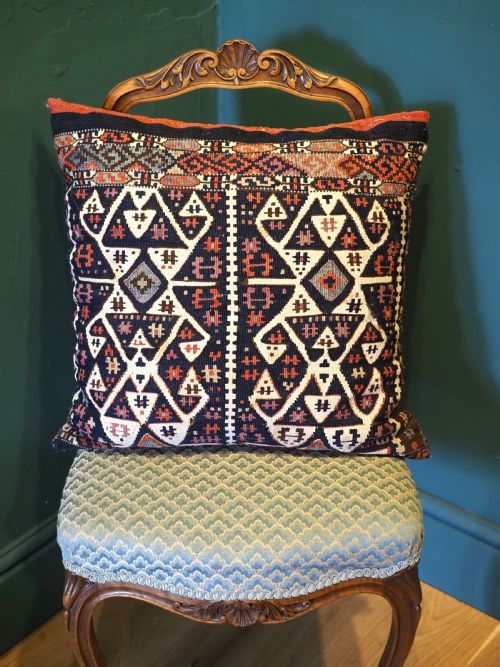
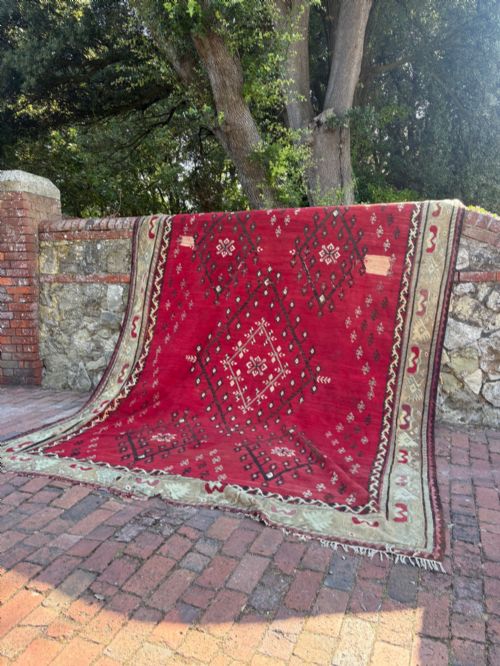
An antique anatolian flatweave encompasses various woven textiles originating from Turkey, spanning from carpets and runner rugs to utilitarian items such as grain sacks, saddle bags and cushions. These pieces display distinct regional styles, with origins including Malatya, Konya, Ushak, Bergama, Esme, Reyhanli, Mut, Obruk, Kayseri, Sarkoy, Afyon, Fethiye and Sivrihisar.
Dating primarily from the late nineteenth century through to the early decades of the twentieth century, these textiles offer a window into historic weaving practices. Buyers encounter both large floor coverings and smaller home accessories tailored for modern interiors.
How they were made
These textiles are constructed primarily using wool and cotton yarns, utilising flatweave techniques that omit a pile. Artisans interlace warp and weft threads to create sharp geometric patterns and flat surfaces.
Certain examples incorporate specialised methods such as cicim embroidery or involve weaving panels separately before joining them into larger rugs or bags. Natural dyes yield the characteristic soft red and varied colours seen across regional workshops.
Antique Anatolian Flatweave Retail Price Guide 2026
Typical asking prices for anatolian flatweave among the pieces listed under this phrase on Sellingantiques today, from the lower quarter to the upper quarter. They describe what is for sale here now, not the wider market.
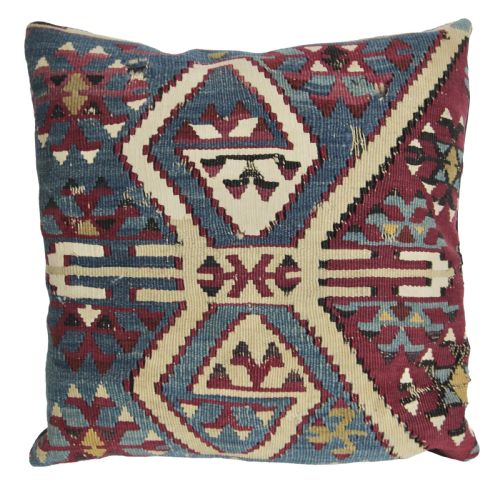
Finger kilims preserve the nimble dexterity of individual village weavers within compact geometric fields.
What varies in quality
Quality in these flatweaves rests on the precision of the tribal design and the richness of the colour palette. Pieces featuring strong regional characteristics and well-preserved structures stand apart from simpler utility items.
The integrity of the flatweave construction and the condition of the wool influence the overall standard of the textile. Larger formats and complex two-part construction methods demand greater weaving skill.
The Antique Anatolian Flatweave Glossary
- Kilim
- A flatwoven carpet or rug produced in Turkey and neighbouring regions. These textiles lack a pile and rely on interlocking weft techniques.
- Flatweave
- A textile created by weaving warp and weft threads together without creating a raised pile surface. This method produces a thin, durable fabric used for rugs and wall hangings.
- Cicim
- An embroidery technique applied to a woven ground fabric to add raised surface decoration. It appears on specific regional panels and decorative pieces.
- Prayer kilim
- A rug featuring a mihrab design, traditionally used for daily Islamic prayers. These pieces often display specific architectural motifs unique to regions like Obruk or Sivrihisar.
- Juval
- A large storage bag produced by nomadic tribes for household possessions. These items exhibit traditional tribal patterns adapted for practical transport and storage.
Antique Anatolian Flatweave: Frequently Asked Questions
Where were these flatweaves made?
These pieces originate from various historical regions across Turkey, including Malatya, Konya, Ushak and Bergama. Each district developed distinct tribal patterns and colour preferences.
Weavers utilised local materials and traditional motifs passed down through generations, creating recognizable styles associated with specific towns and rural communities.
What is a two-part kilim?
A two-part kilim consists of two separate narrow webs woven on village looms and subsequently stitched together down the centre. This method permitted weavers to produce wider rugs than their standard looms accommodated.
Examples from regions such as Bergama and Kayseri frequently utilise this construction technique to achieve large formats.
How do I care for an antique rug?
Maintenance involves gentle vacuuming without a rotating brush bar and professional cleaning when necessary. Keeping textiles out of direct sunlight preserves the natural wool dyes.
Placing an appropriate underlay beneath floor rugs prevents slipping and reduces wear on the historic flatweave structure.